.jpg)
.jpg)
.jpg)
.jpg)
About
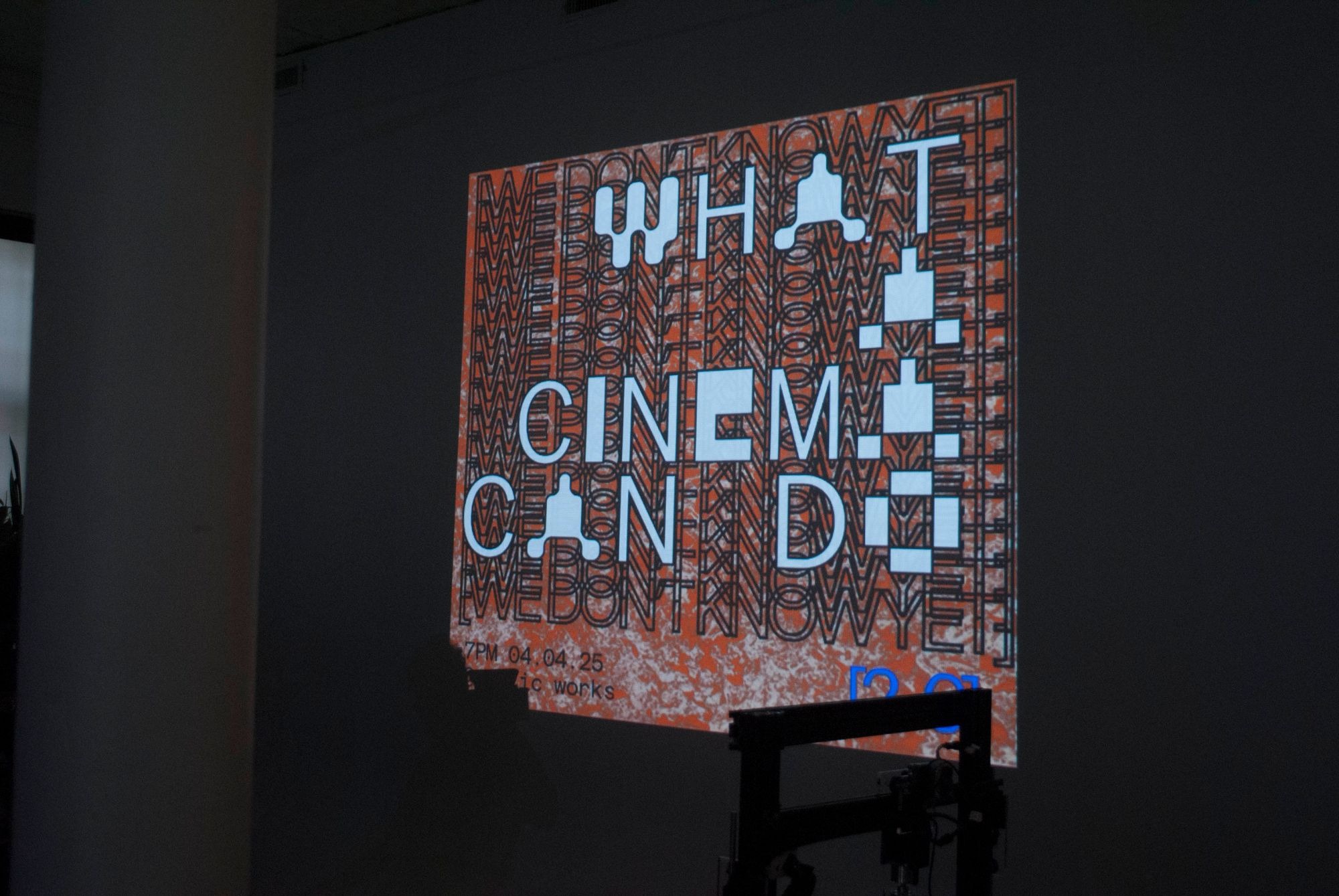
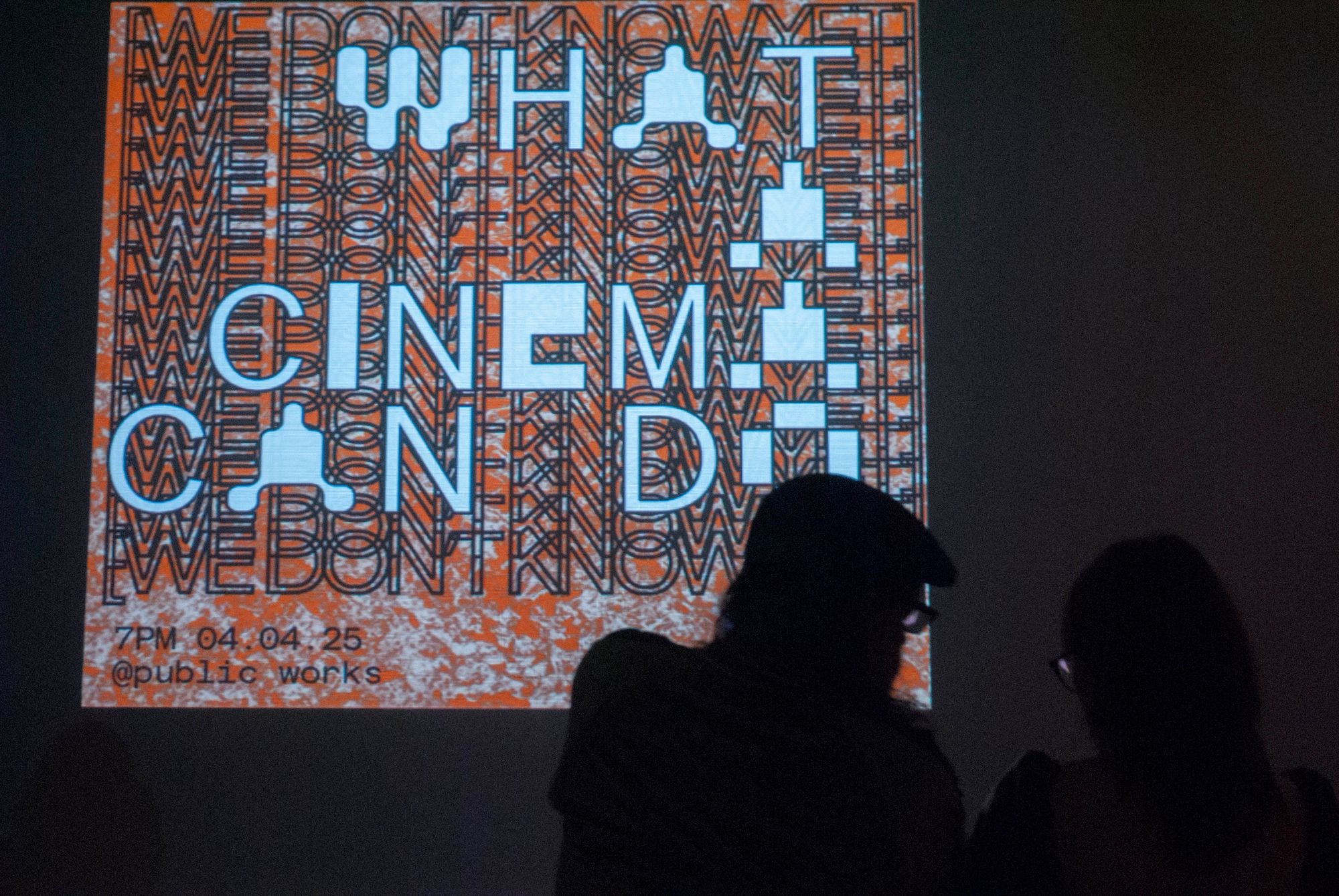
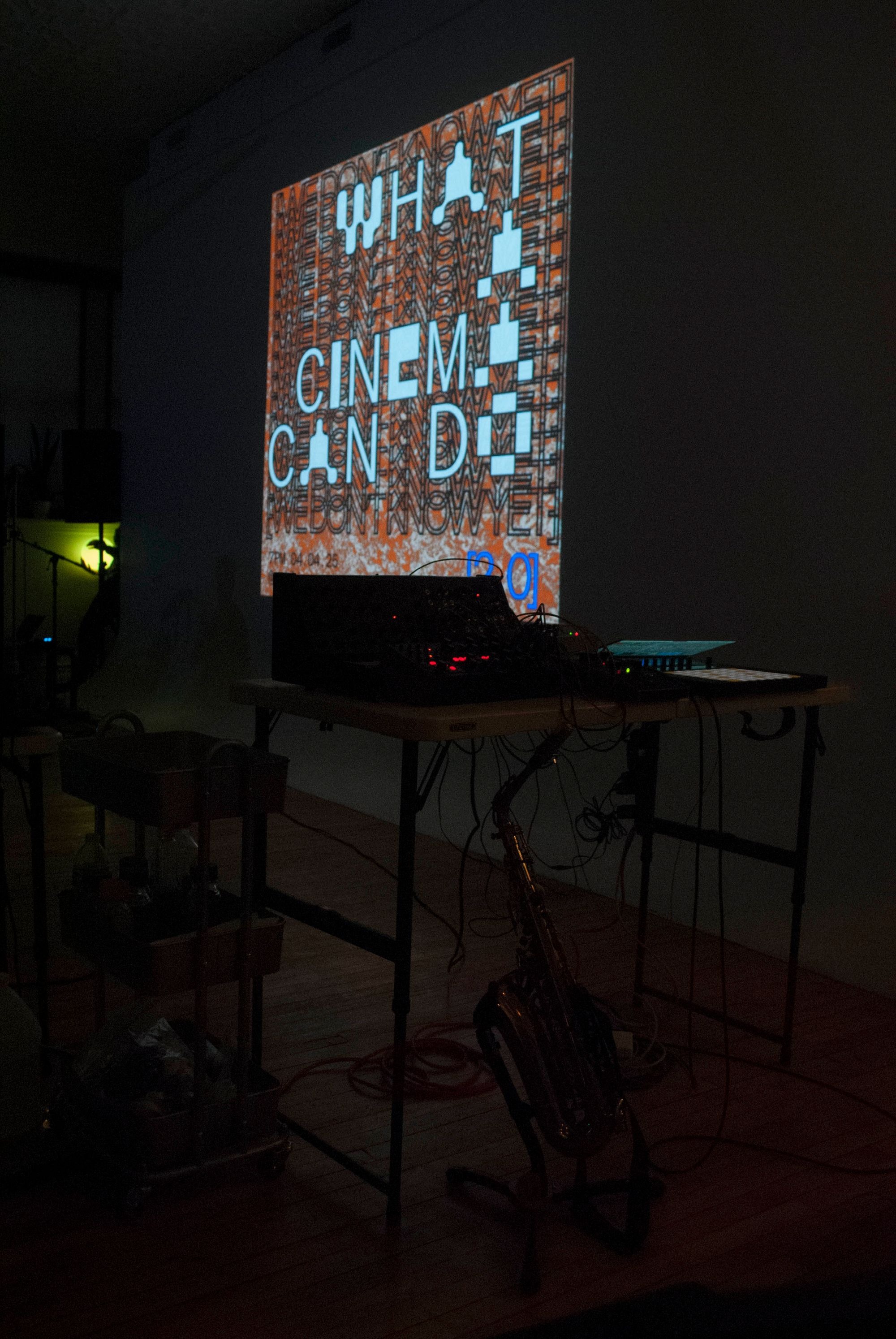
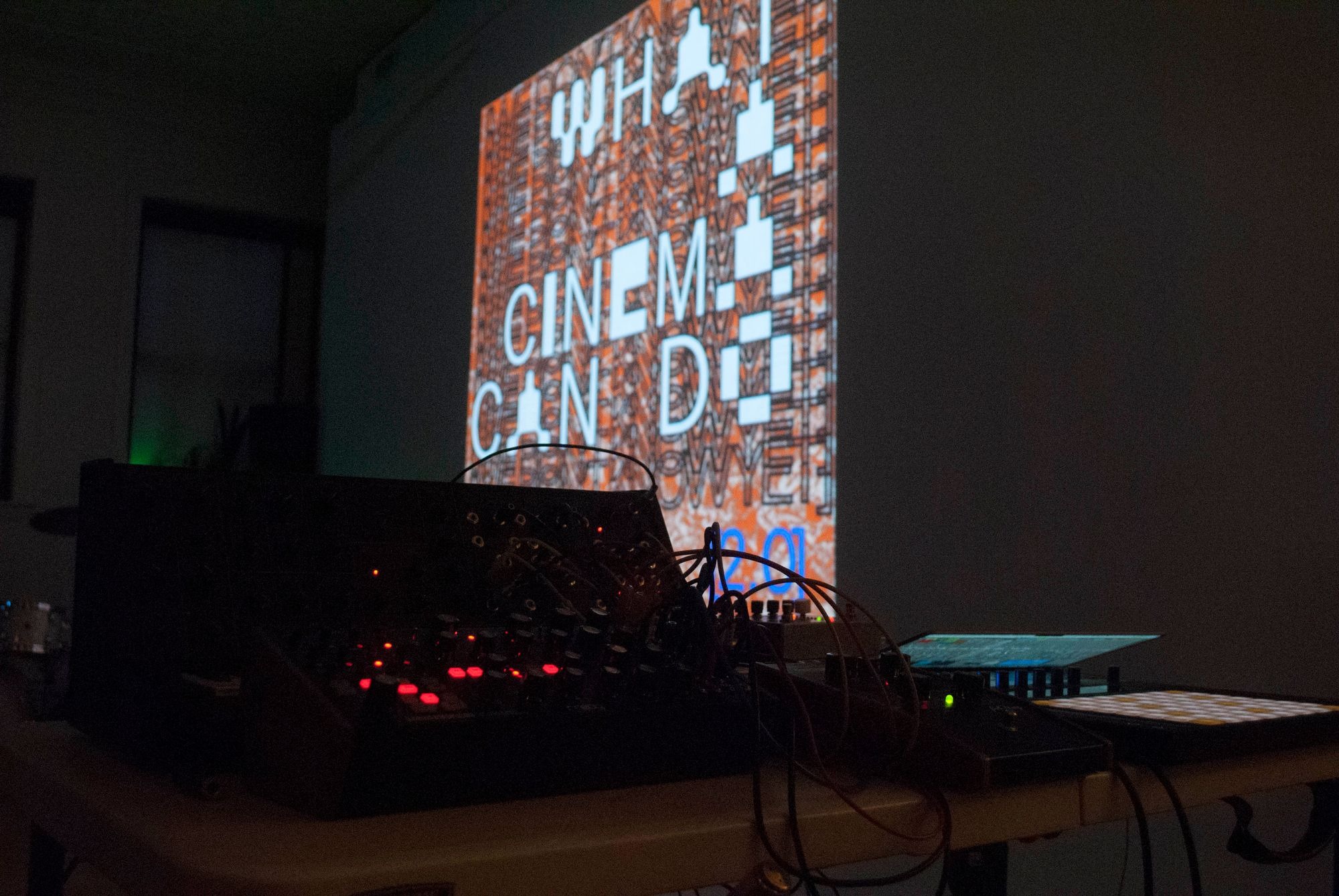
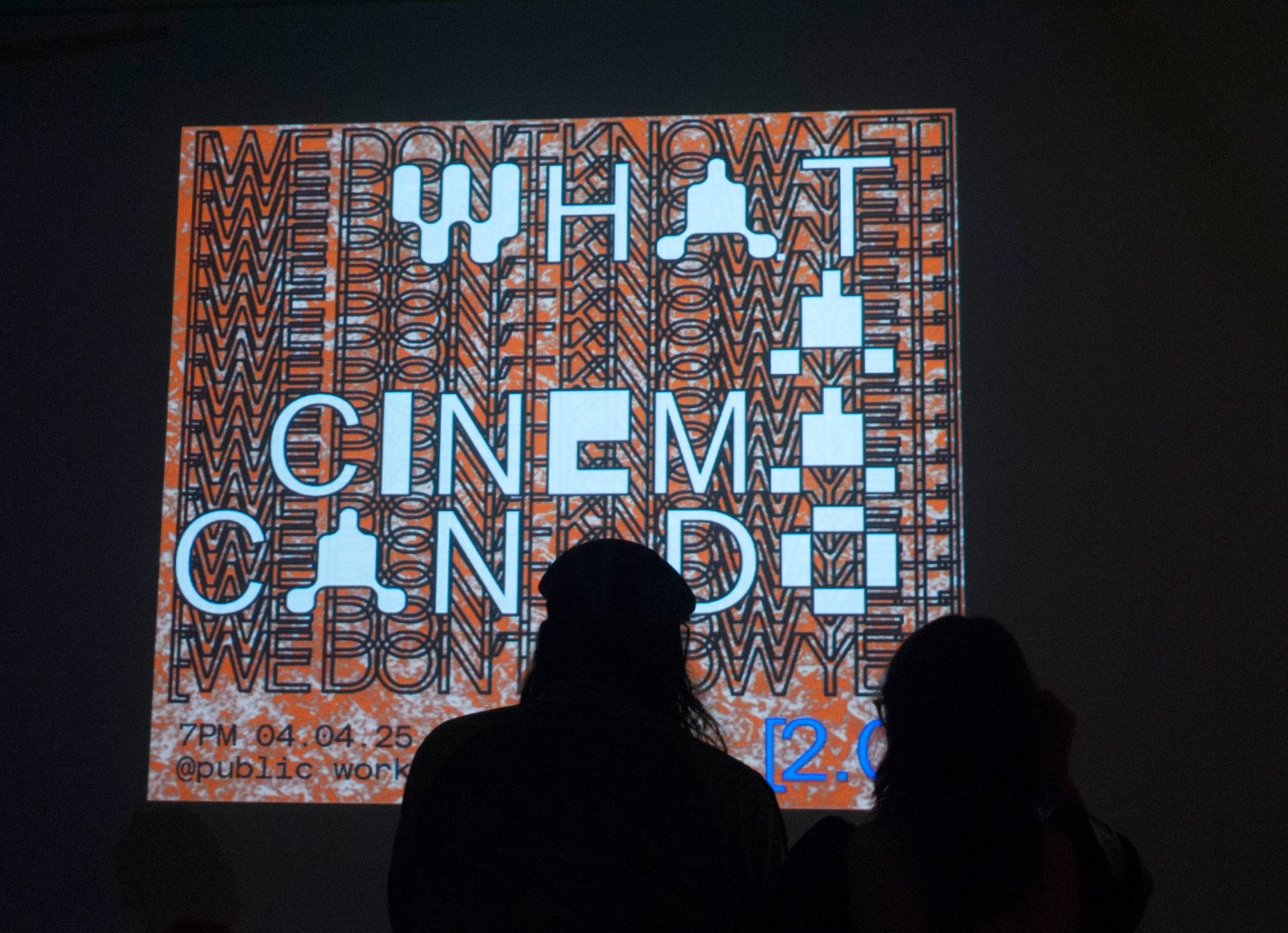
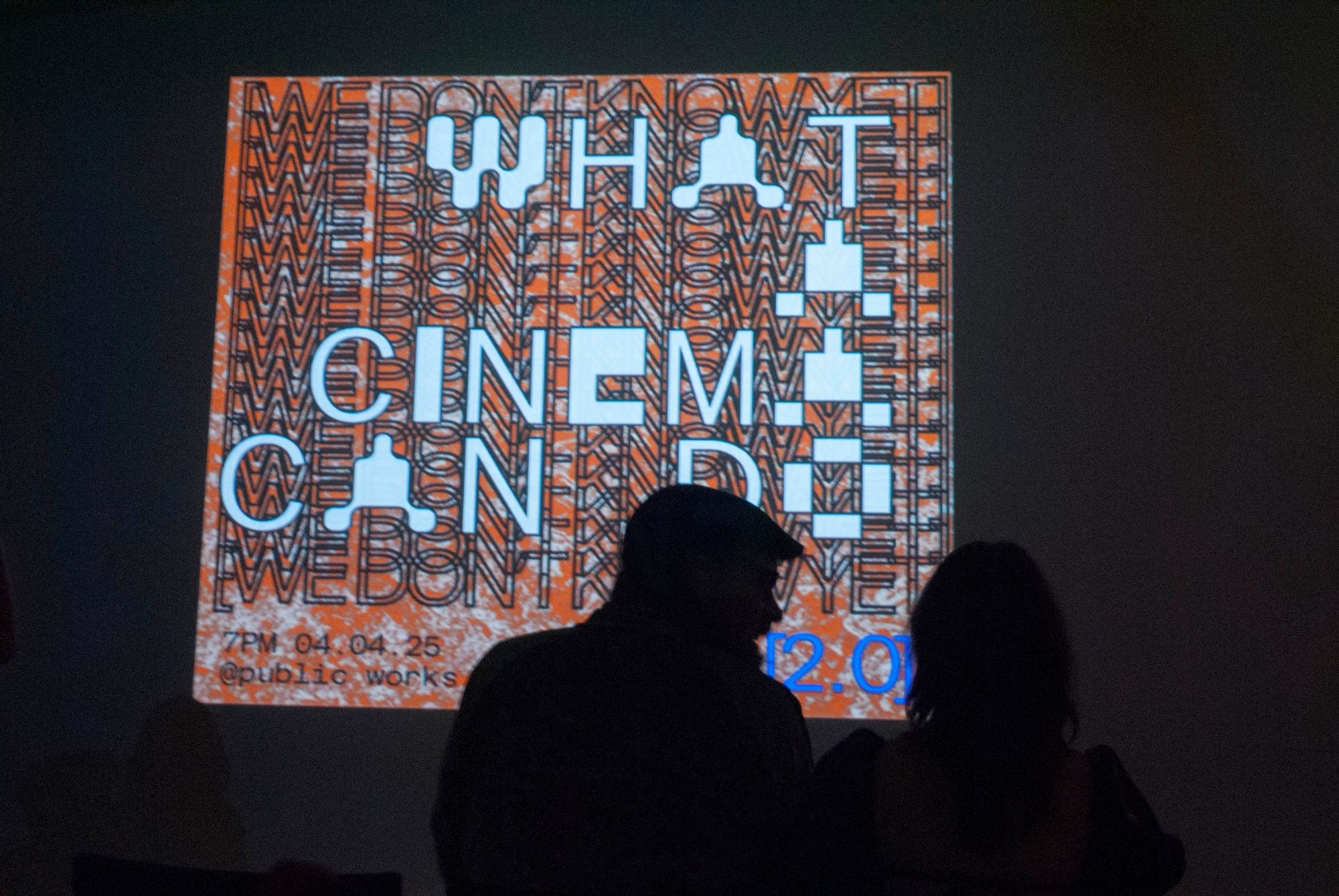
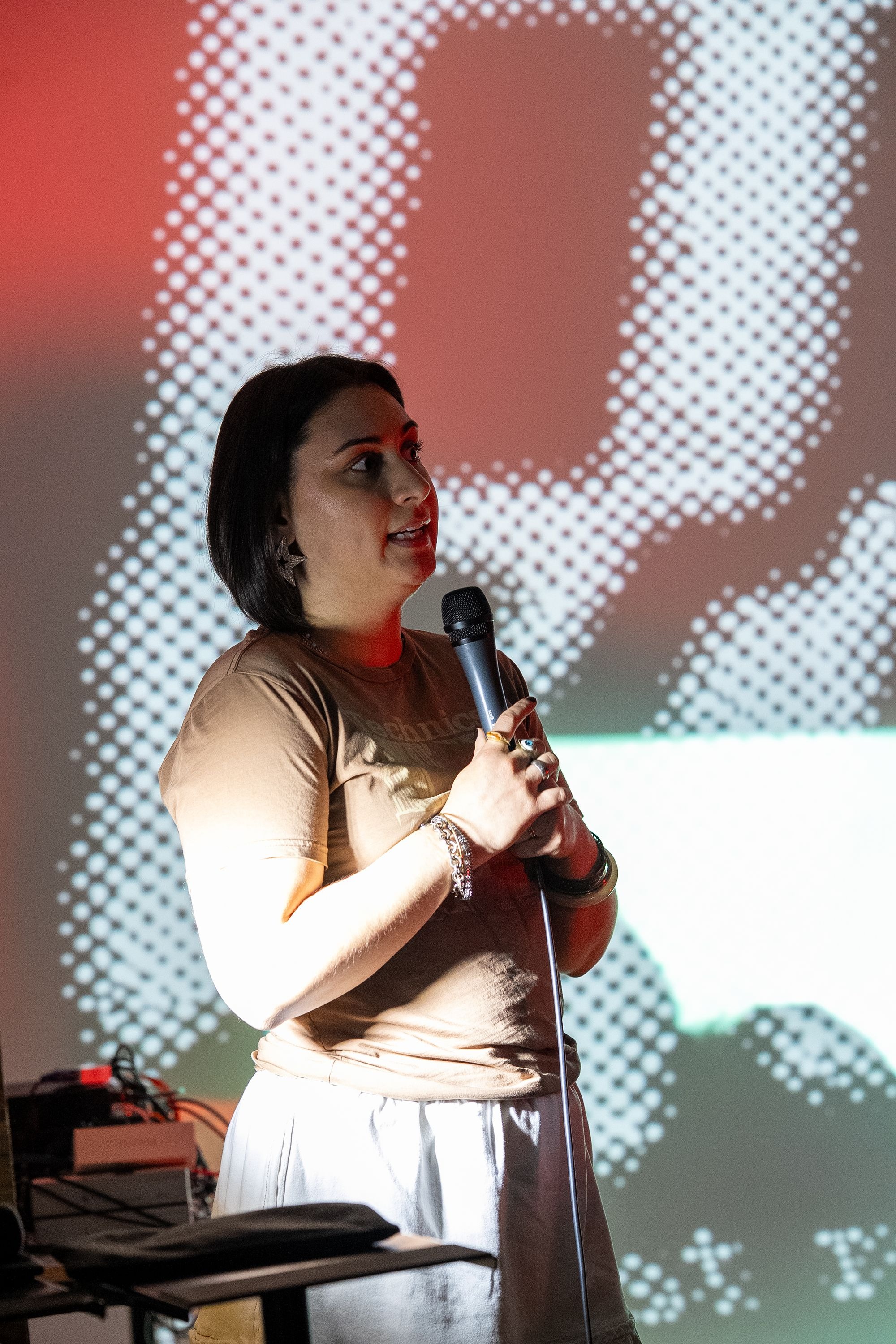
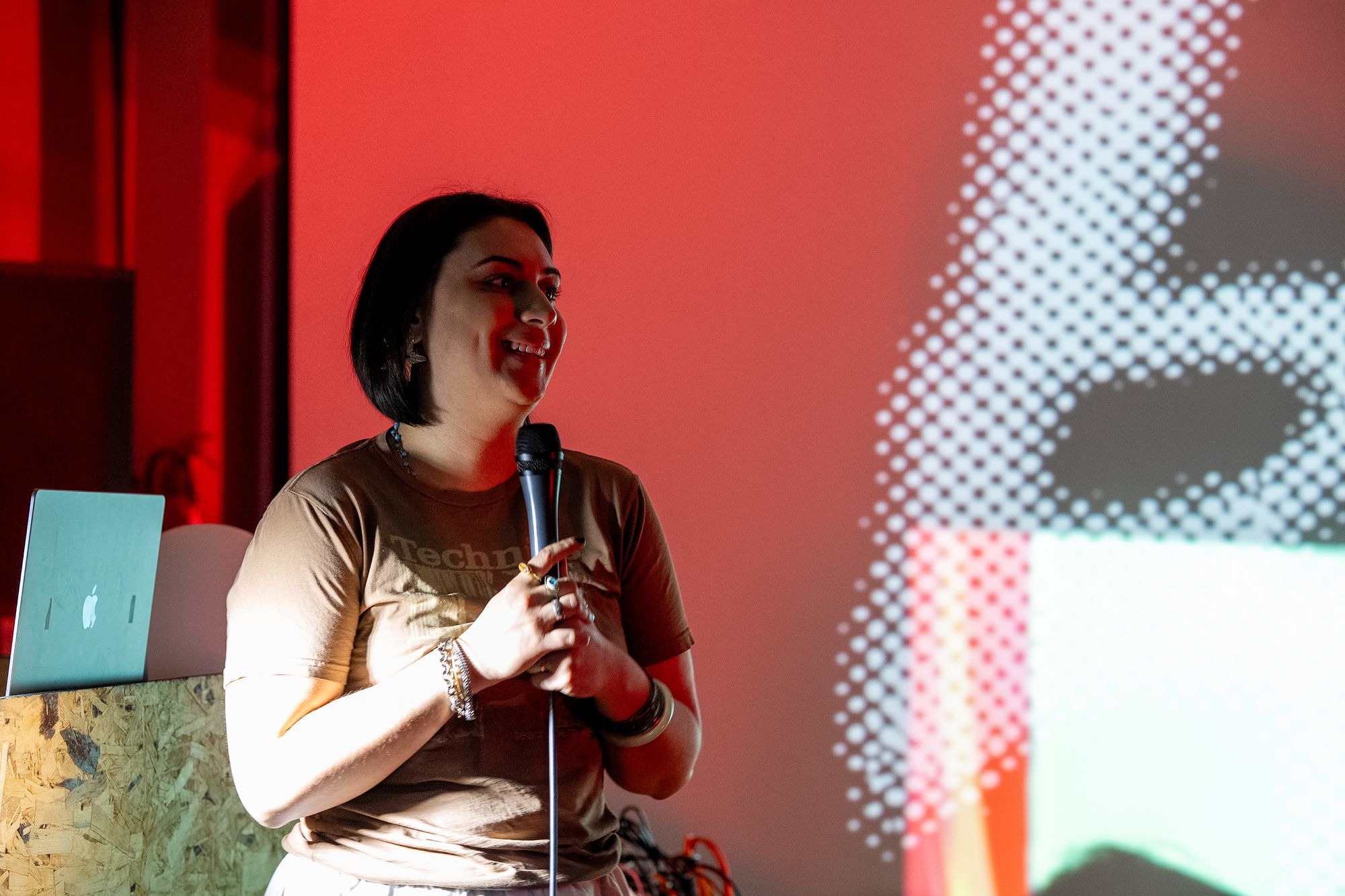
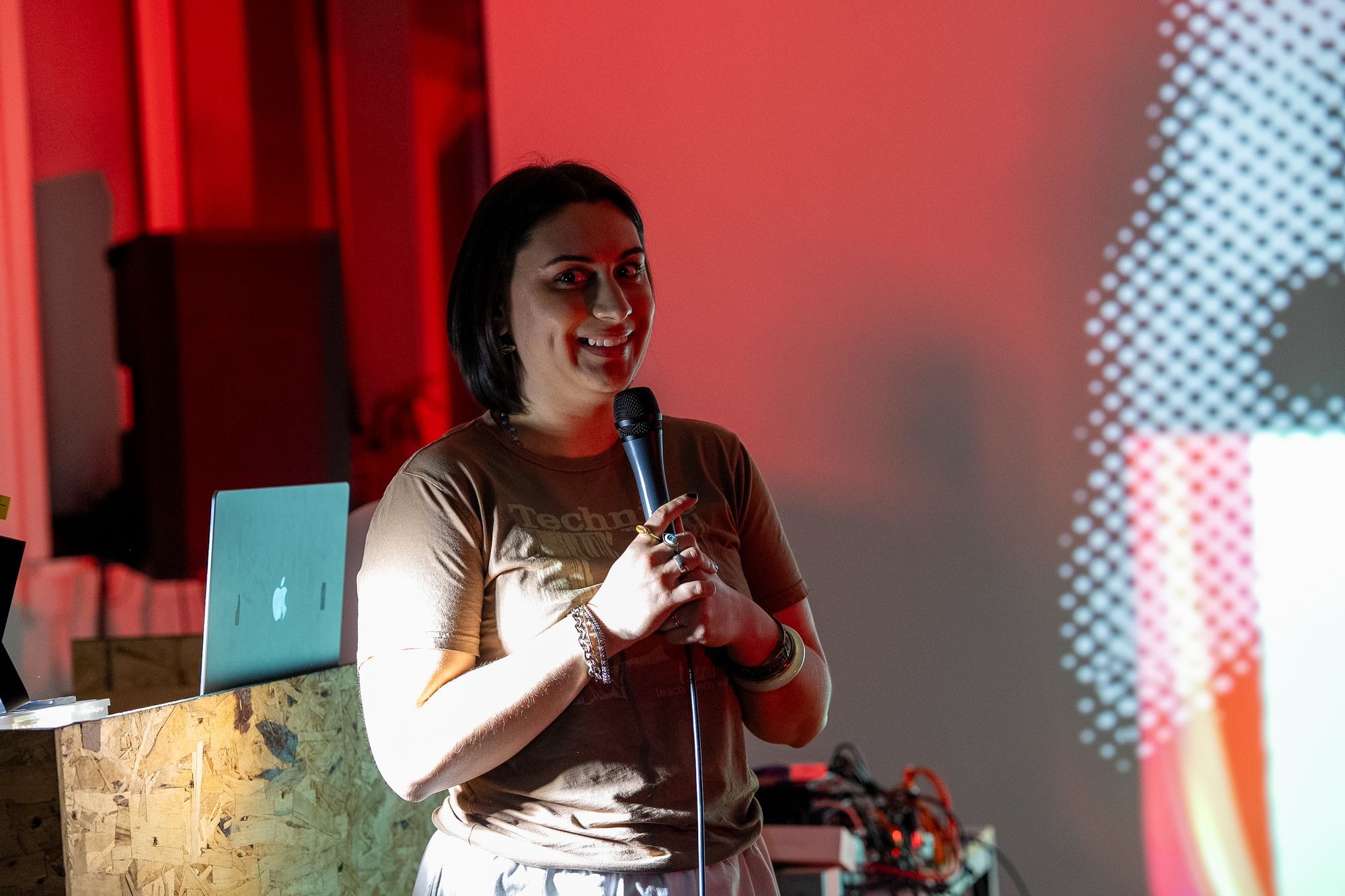
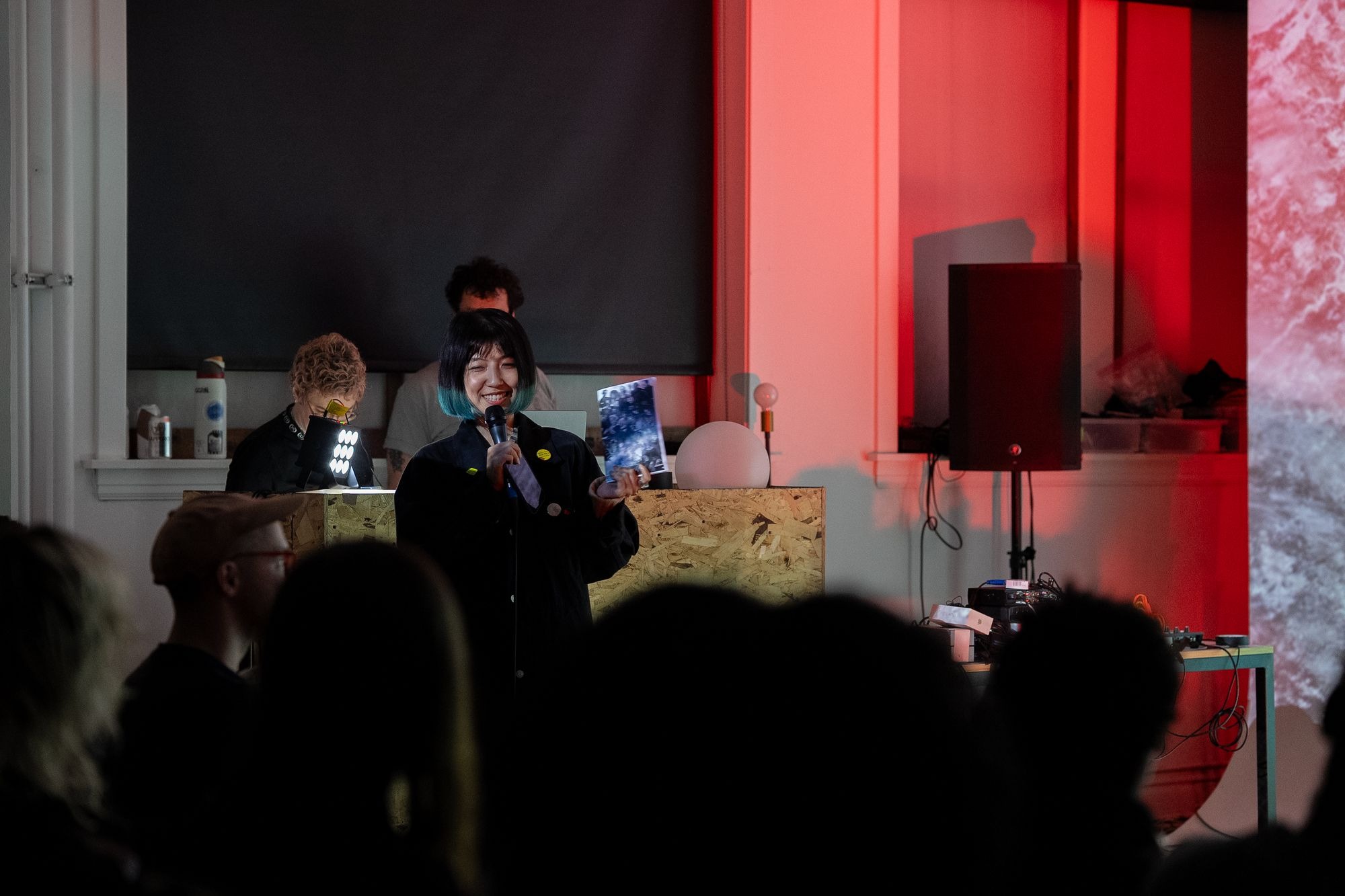
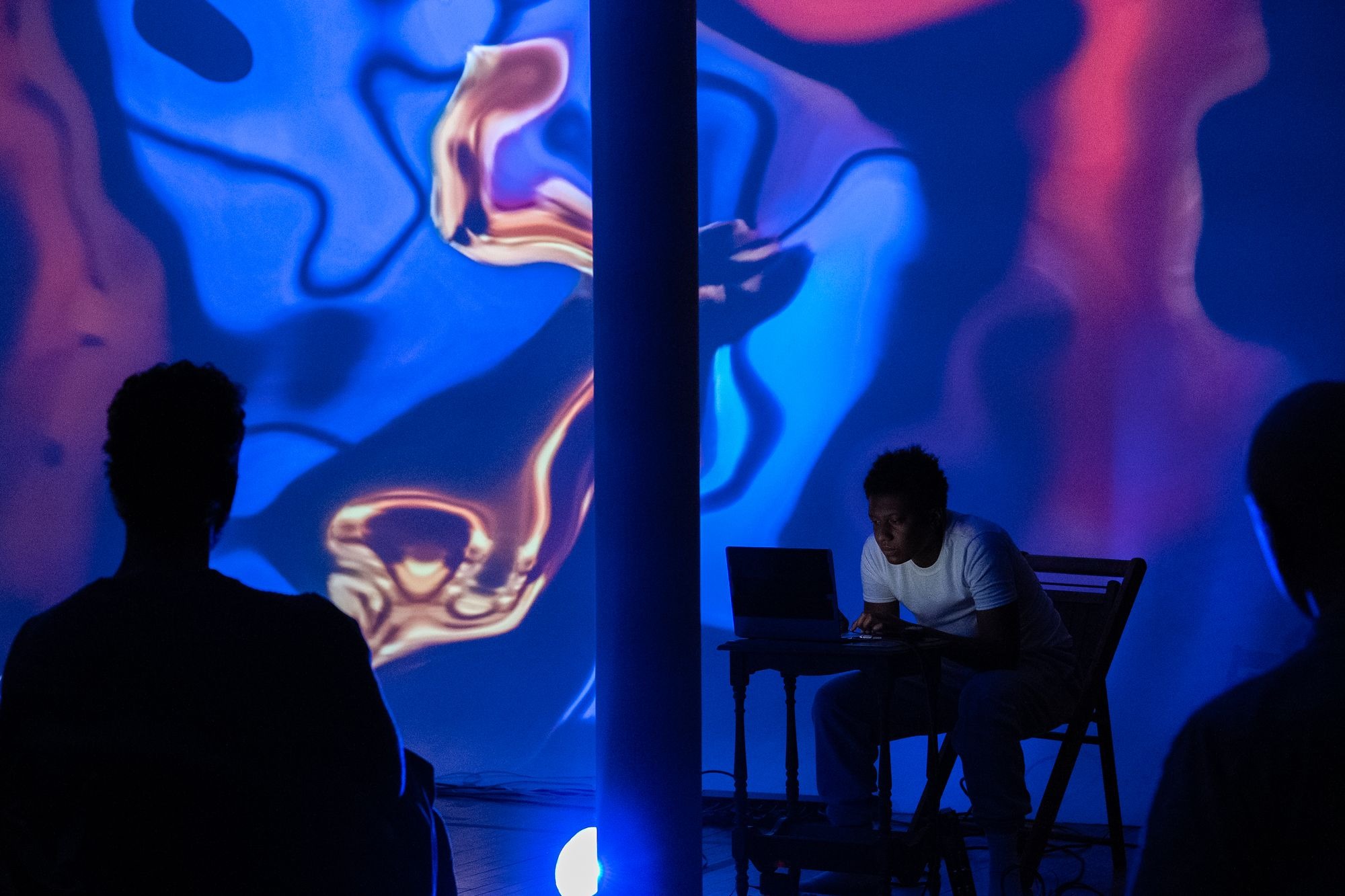
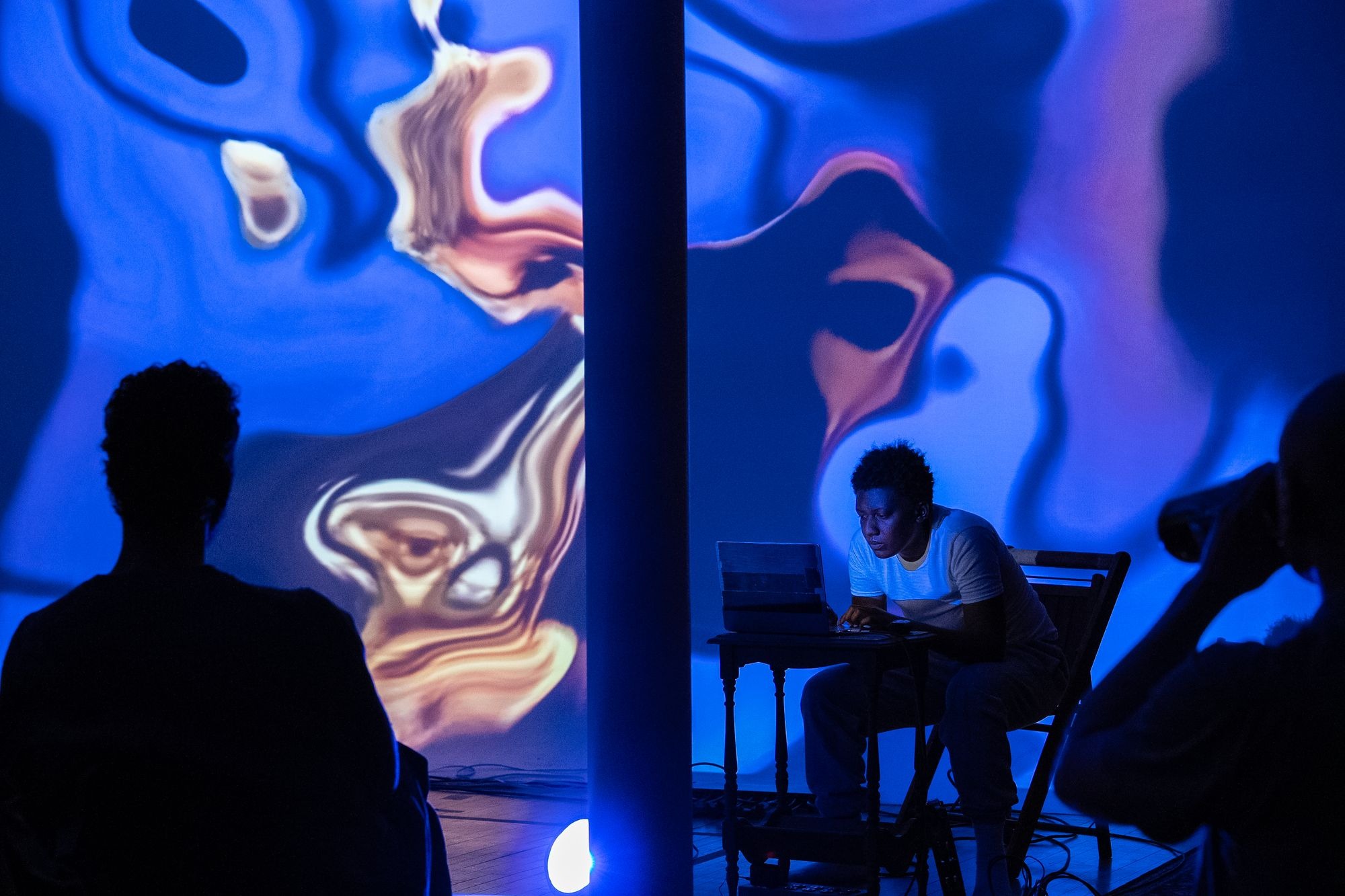
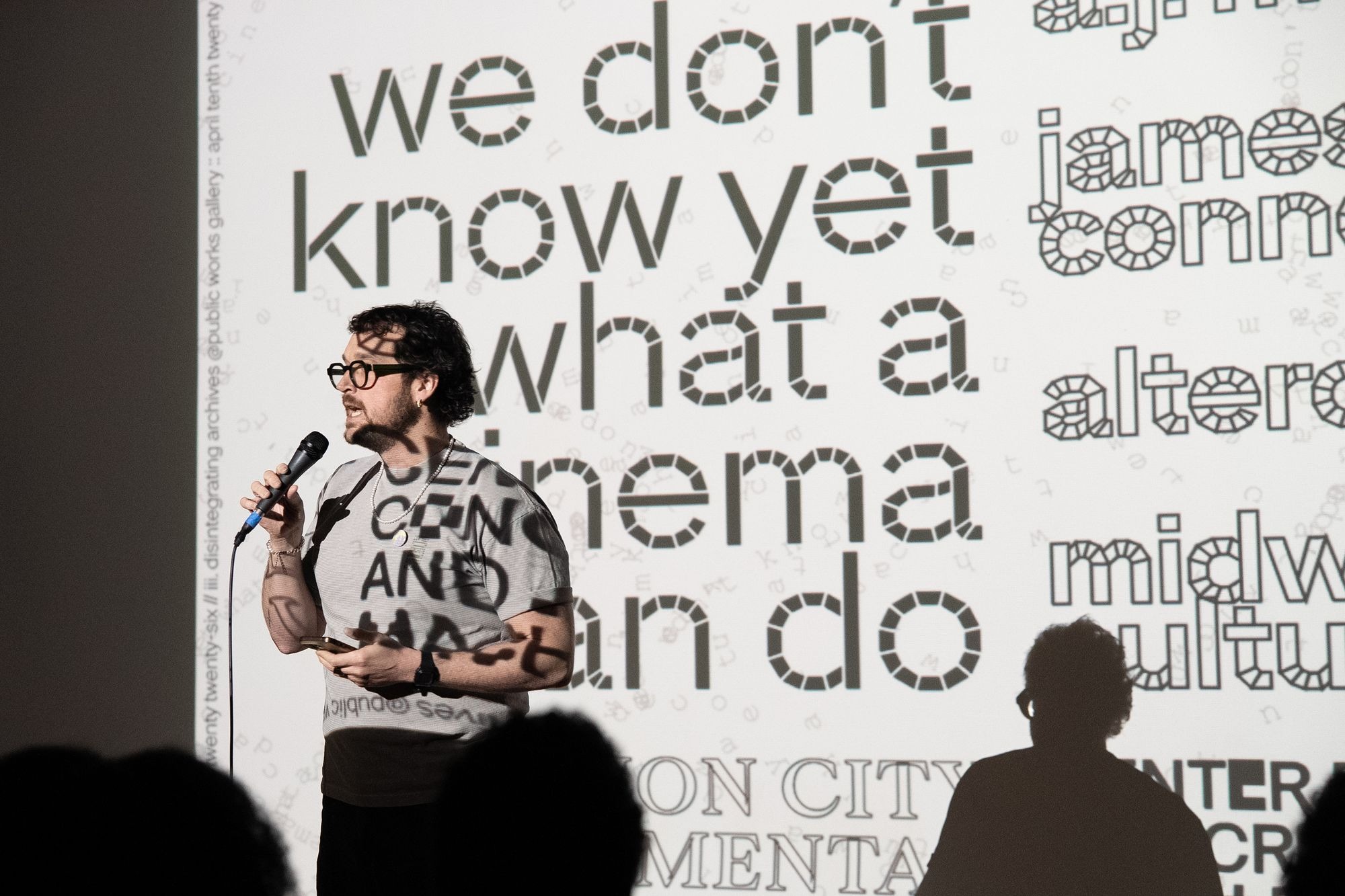
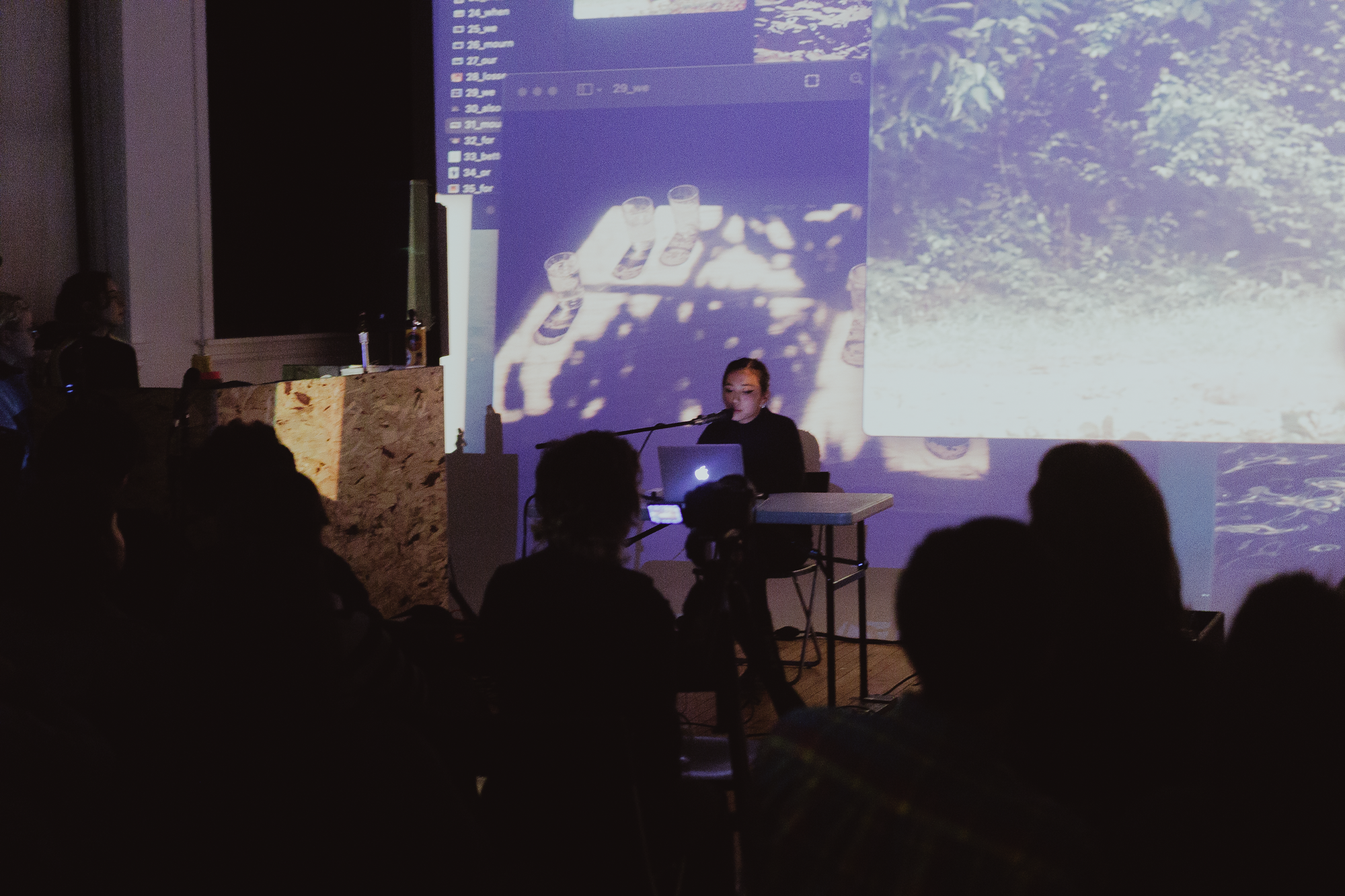
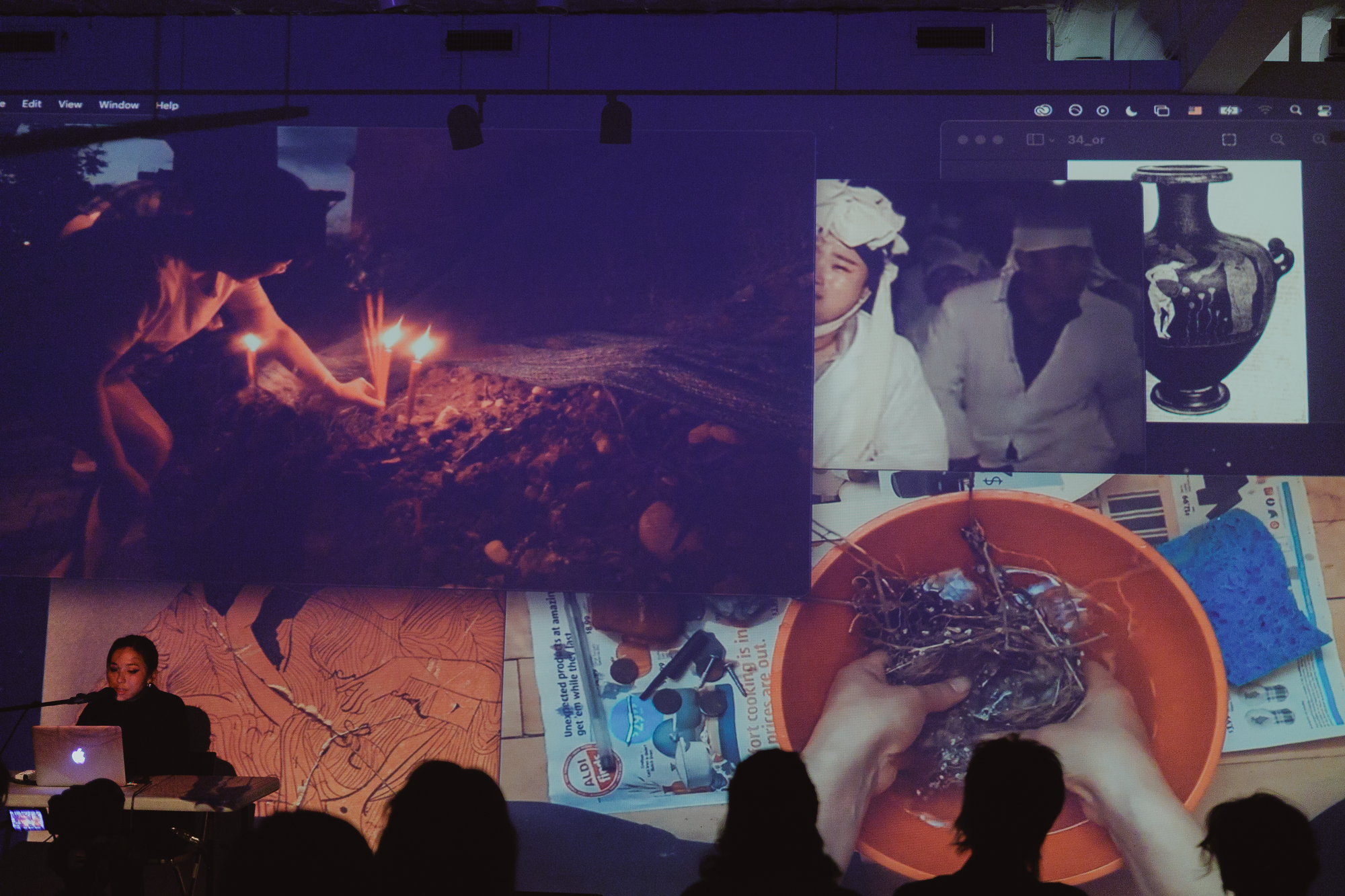
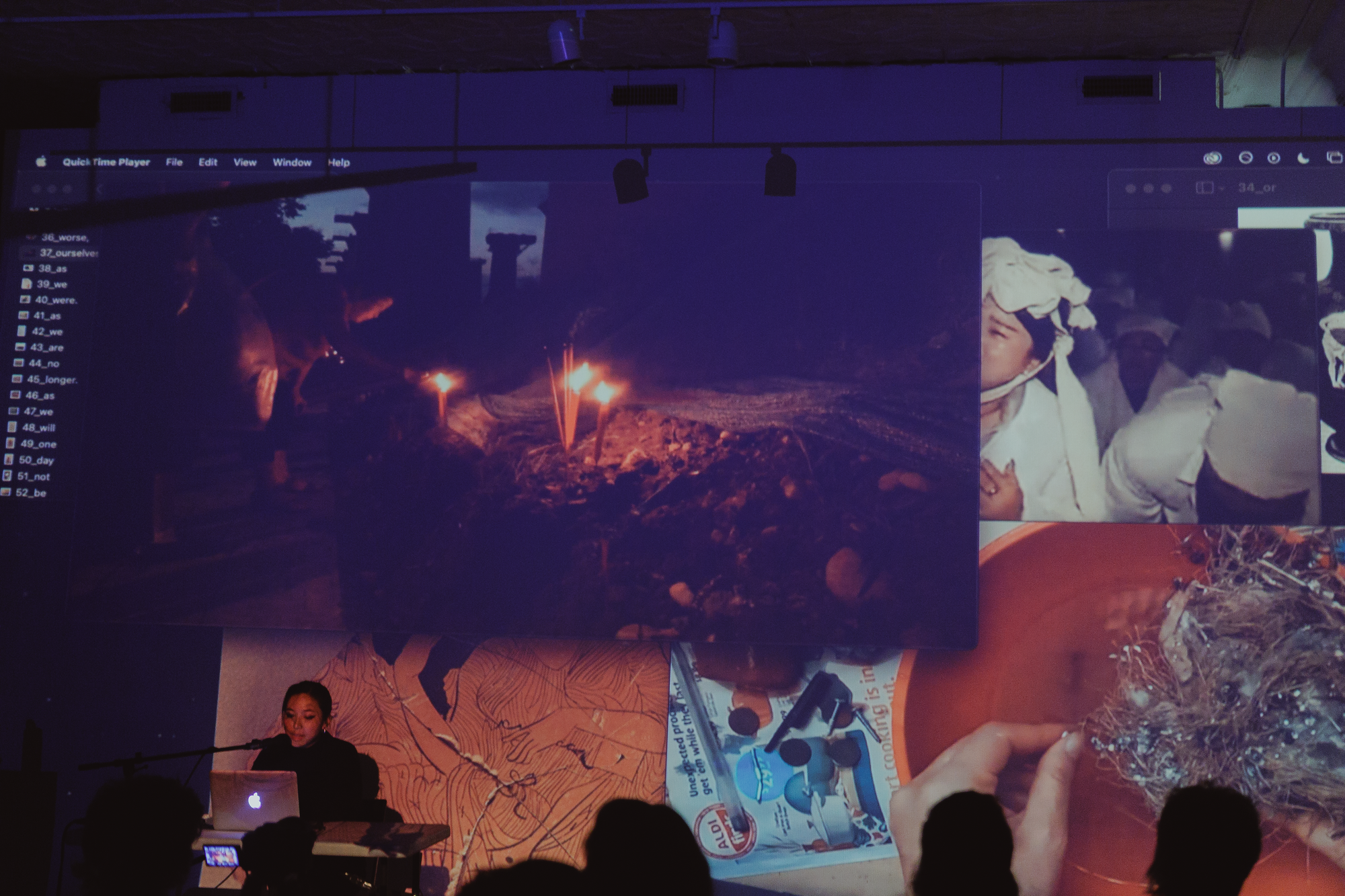
Through the Center for Concrete and Abstract Machines (CCAM), I lead the curatorial development and production of [WE DON'T KNOW YET] What a Cinema Can Do, an annual collaboration with the Onion City Experimental Film Festival. The program asks how experimental animation of sound and moving images might reconfigure the ways we relate to one another.
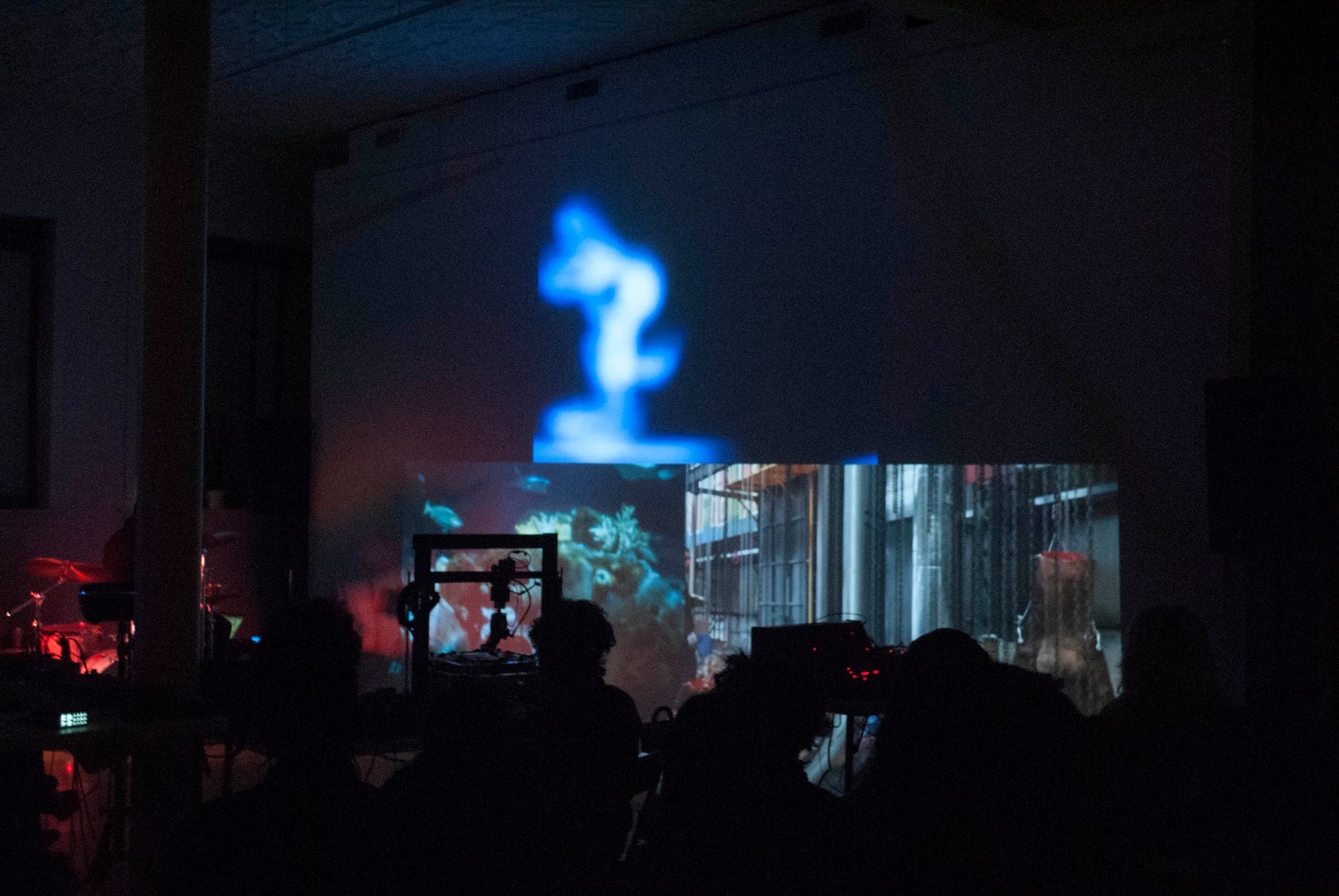
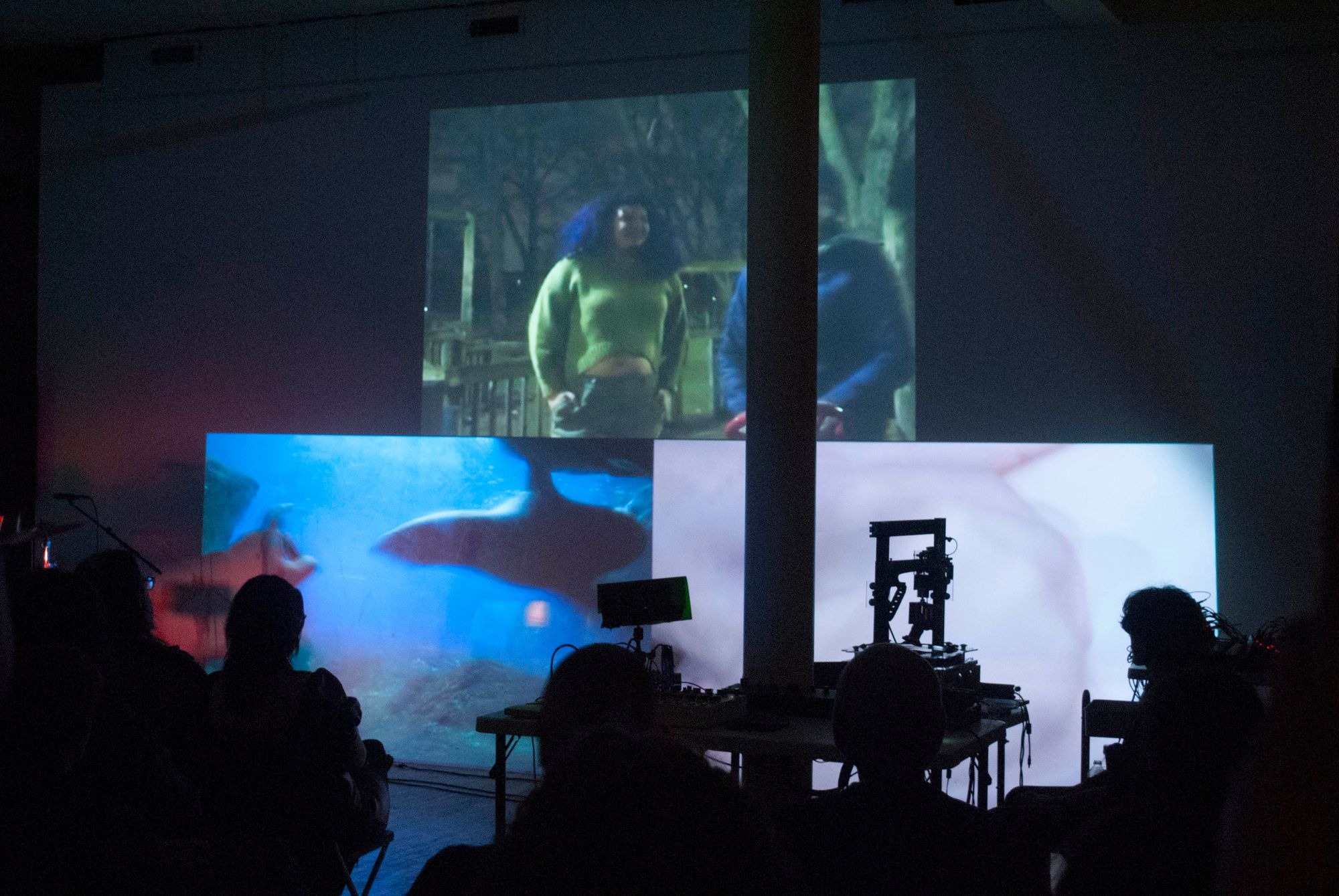
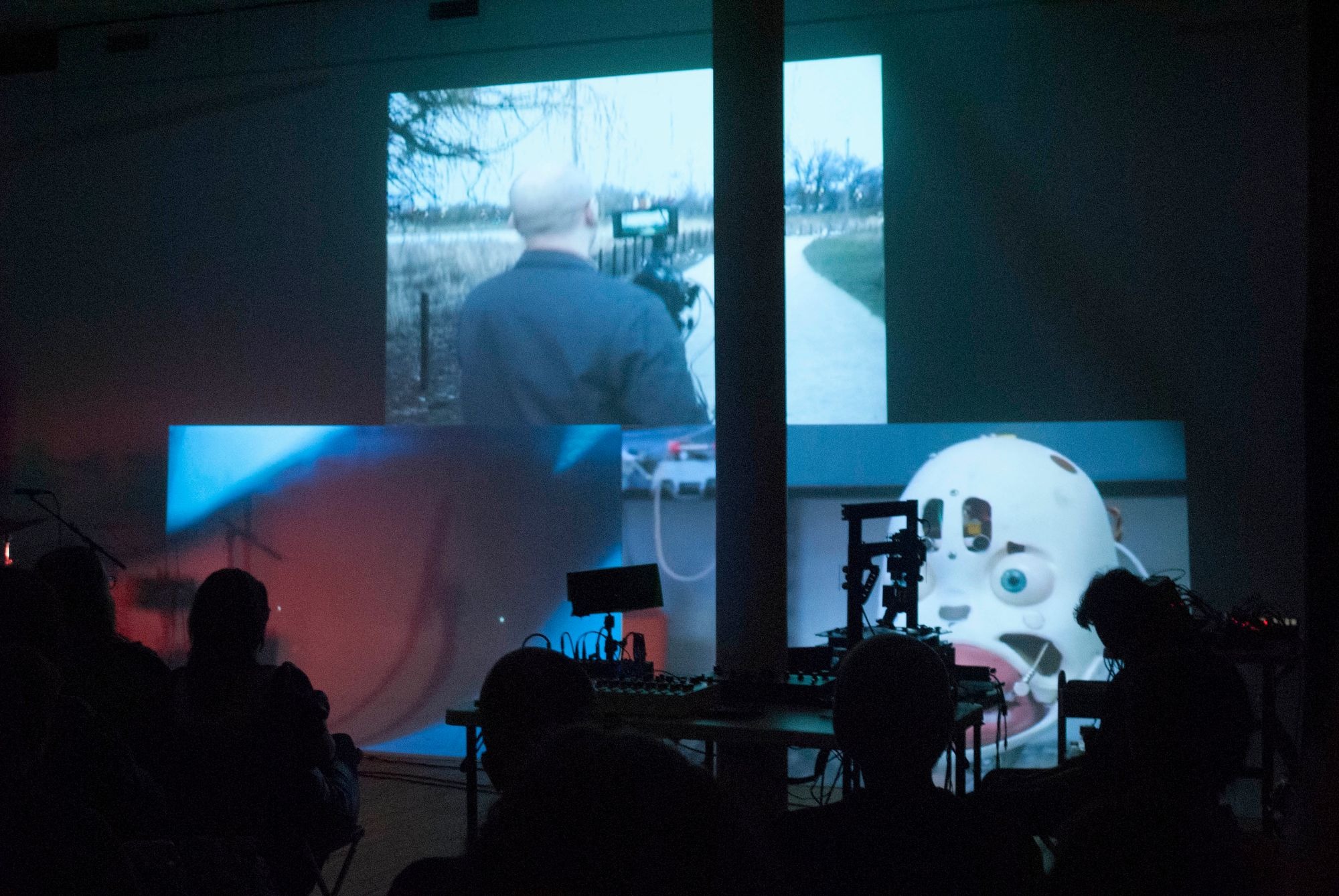
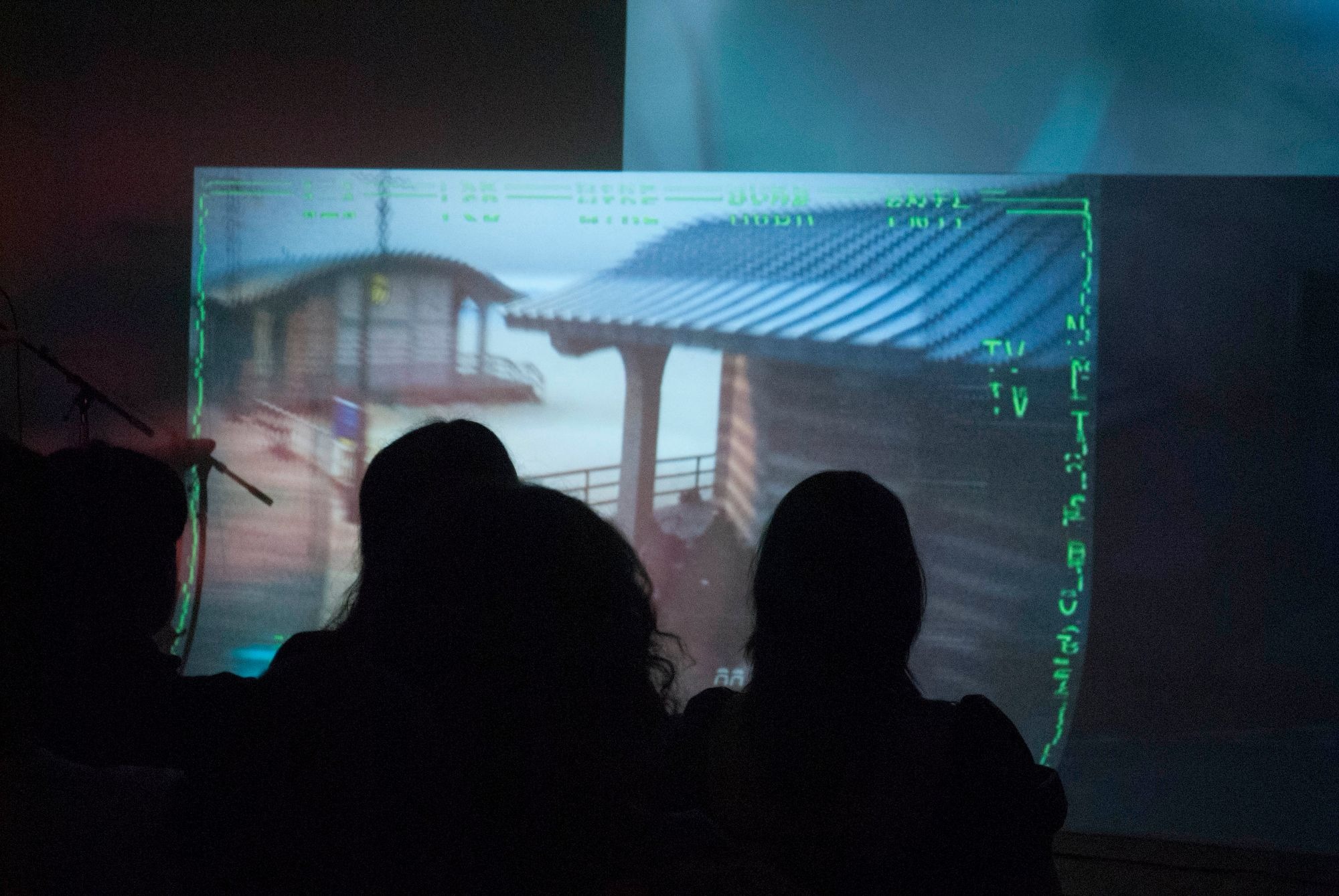
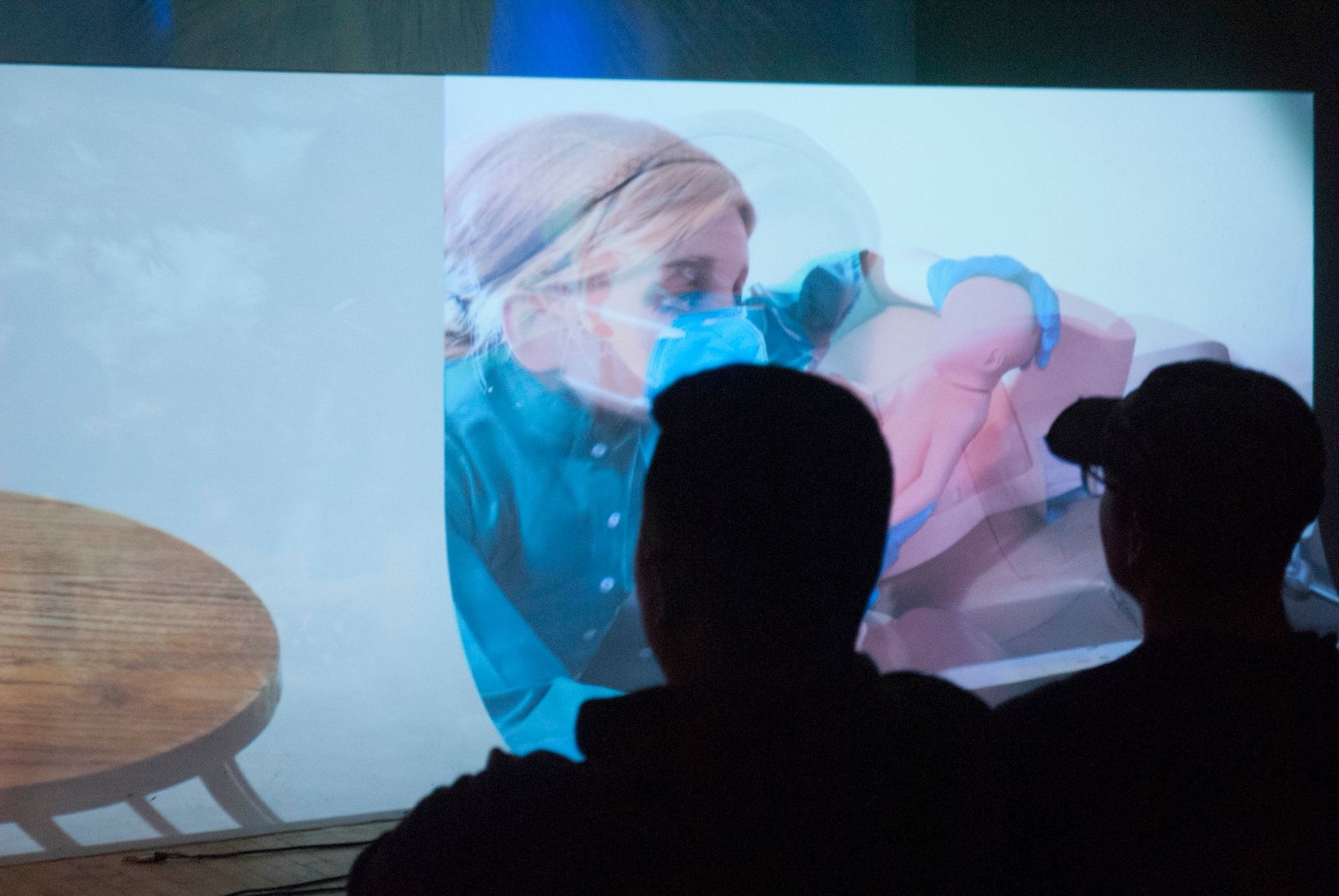
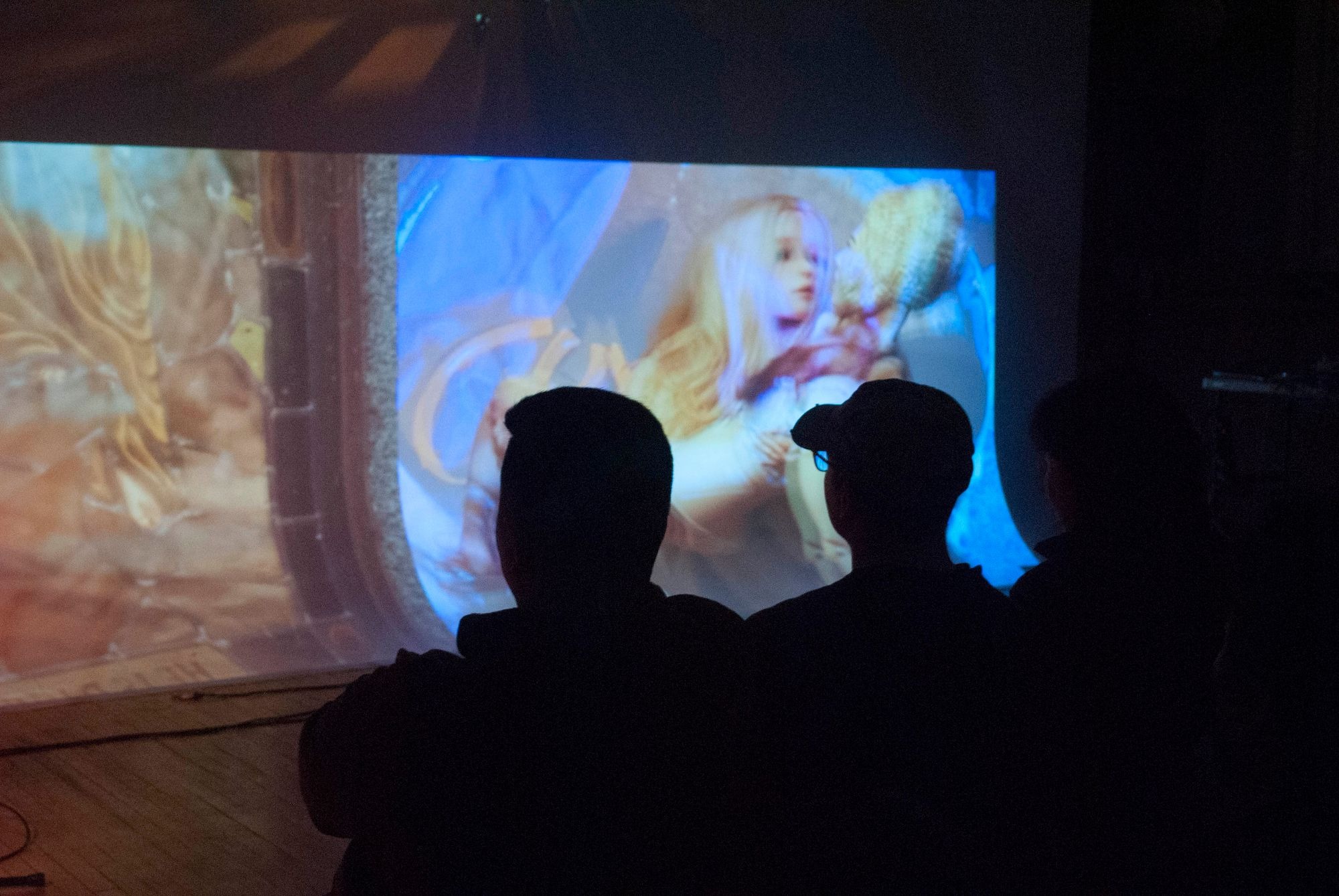
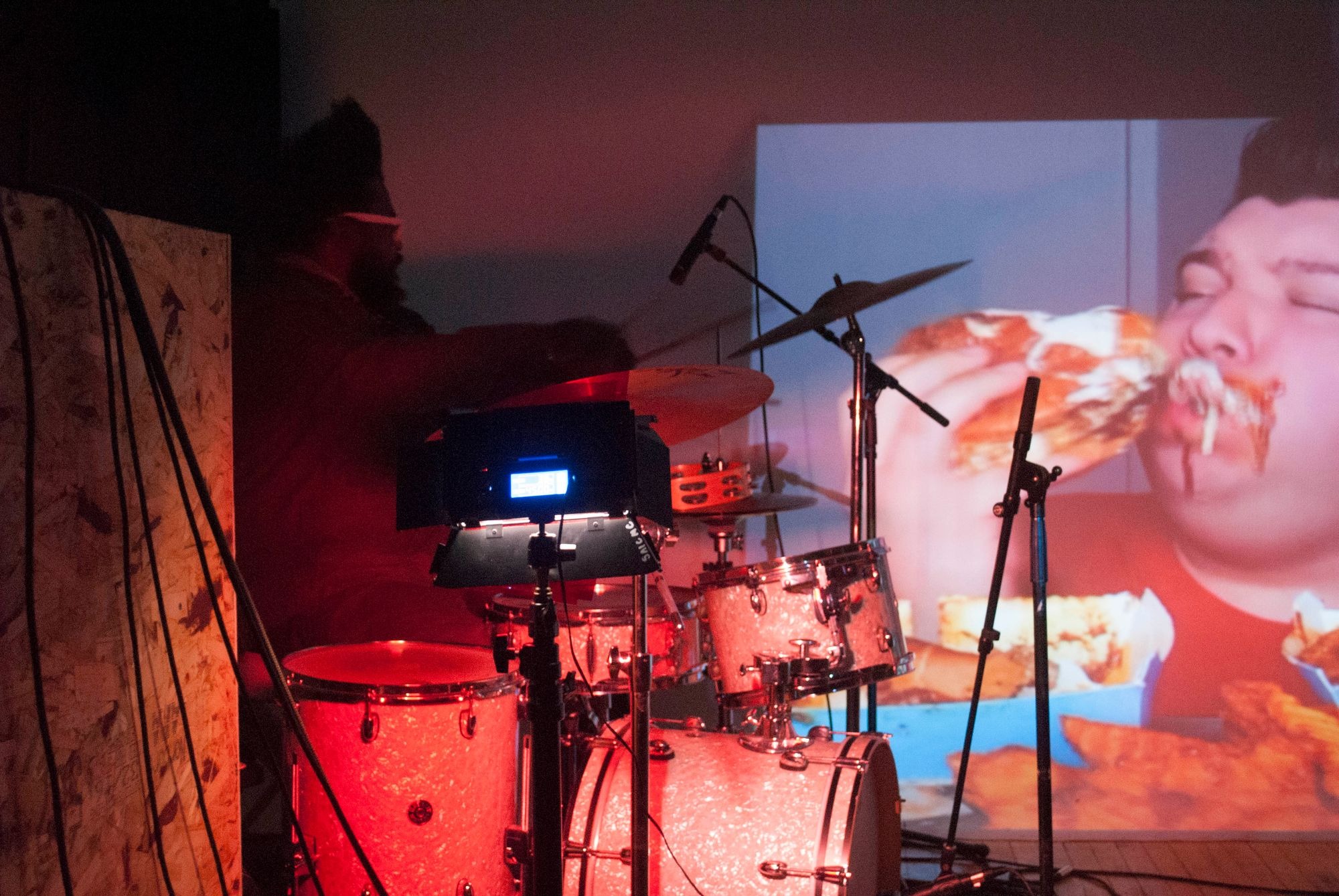
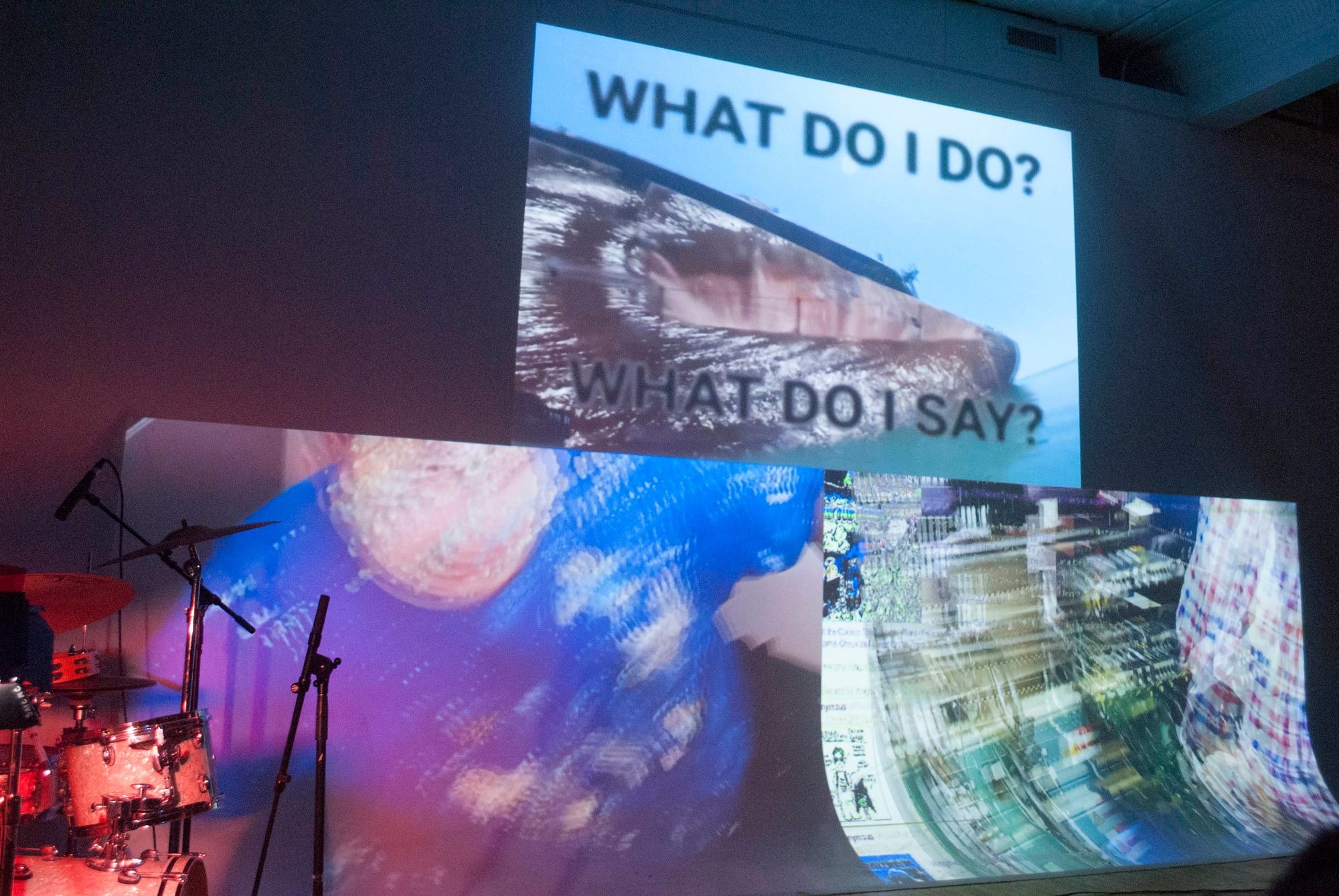
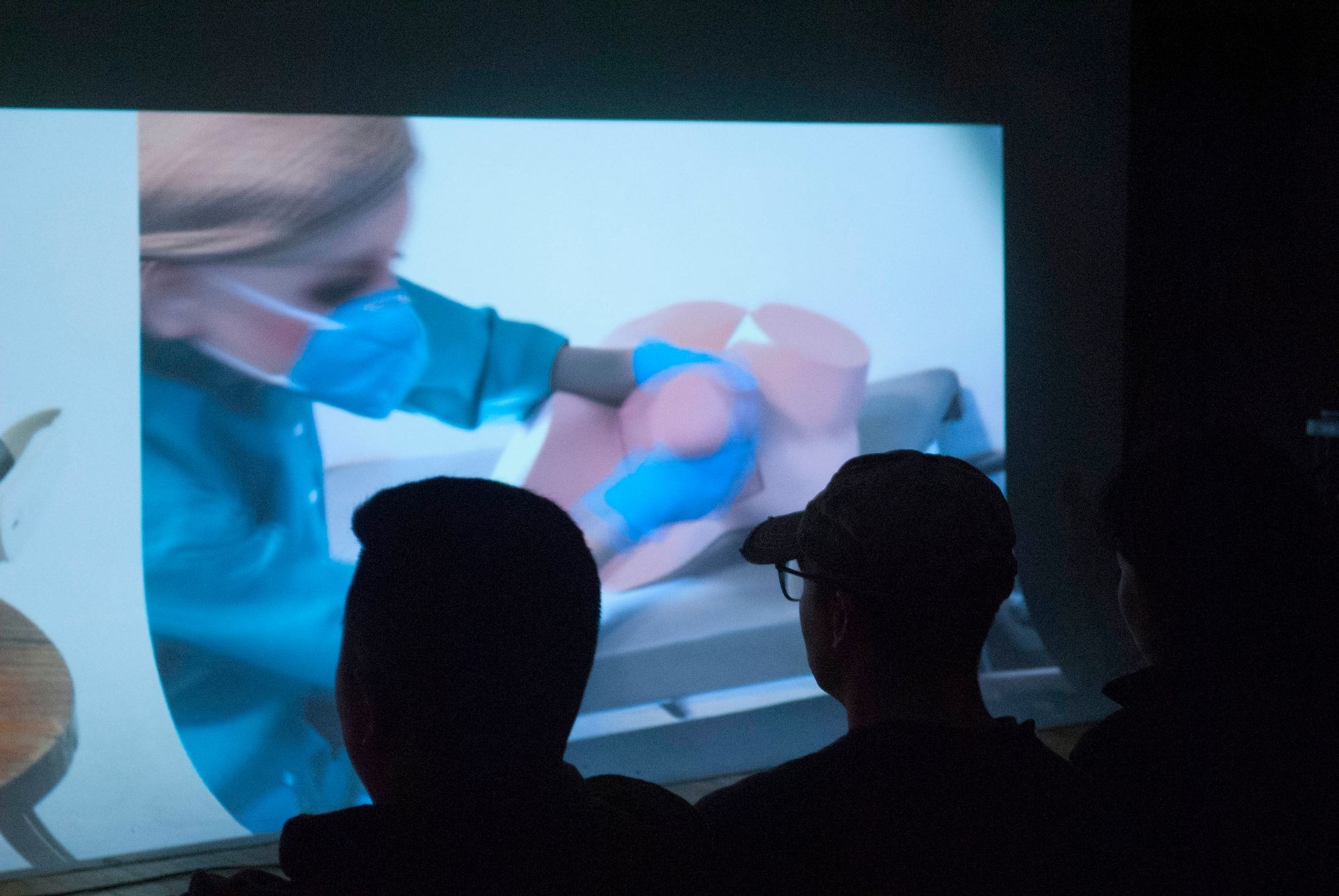
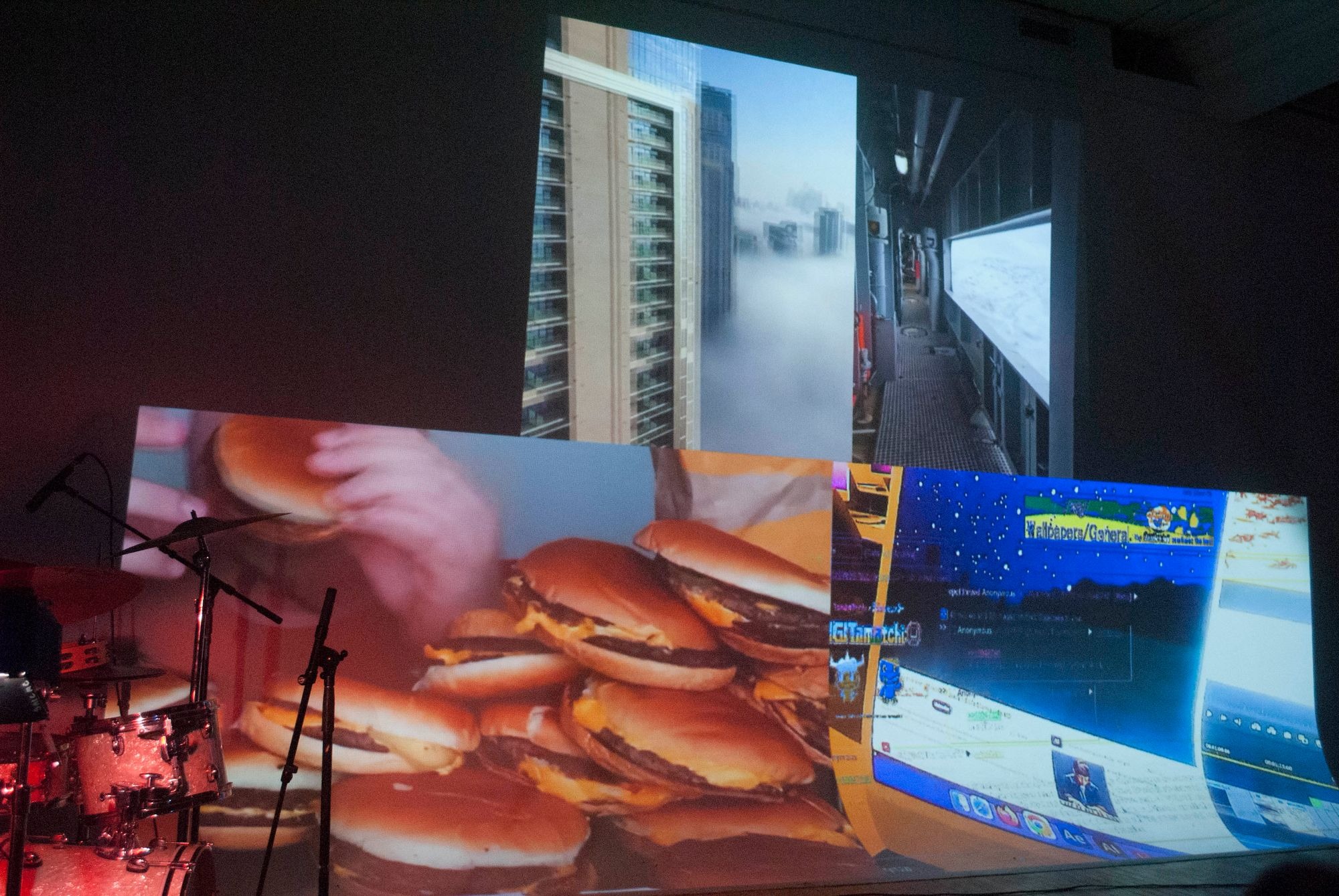
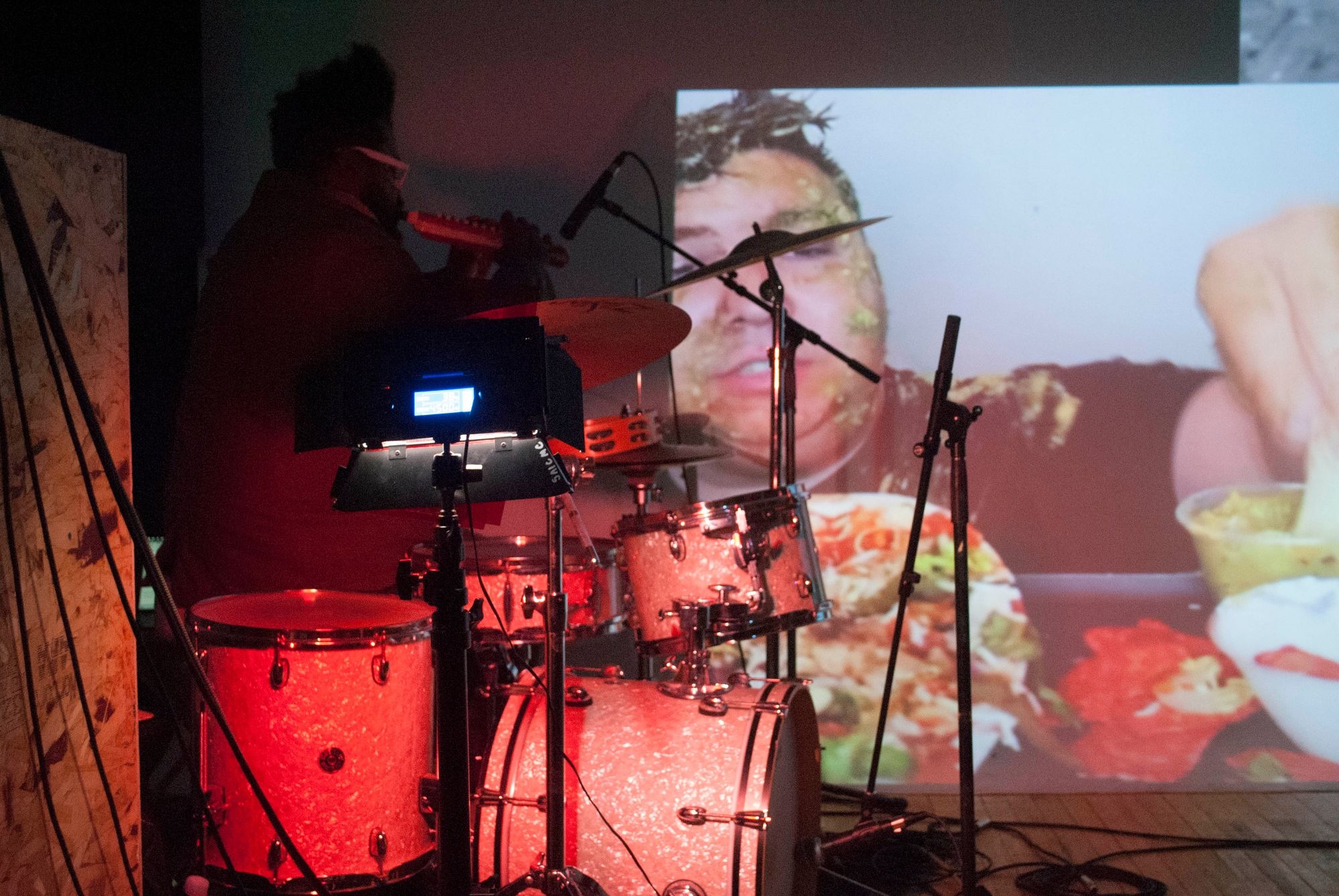
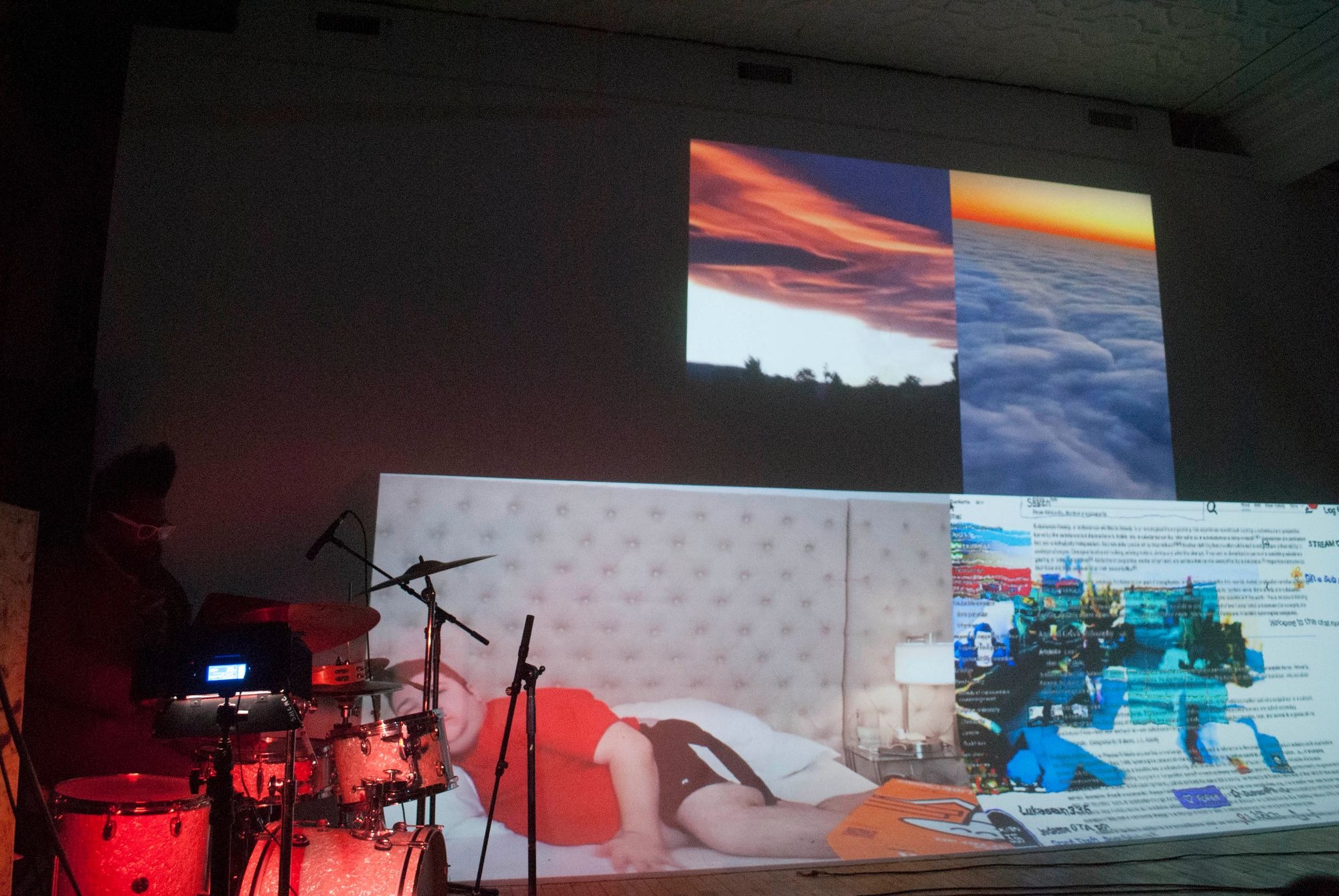
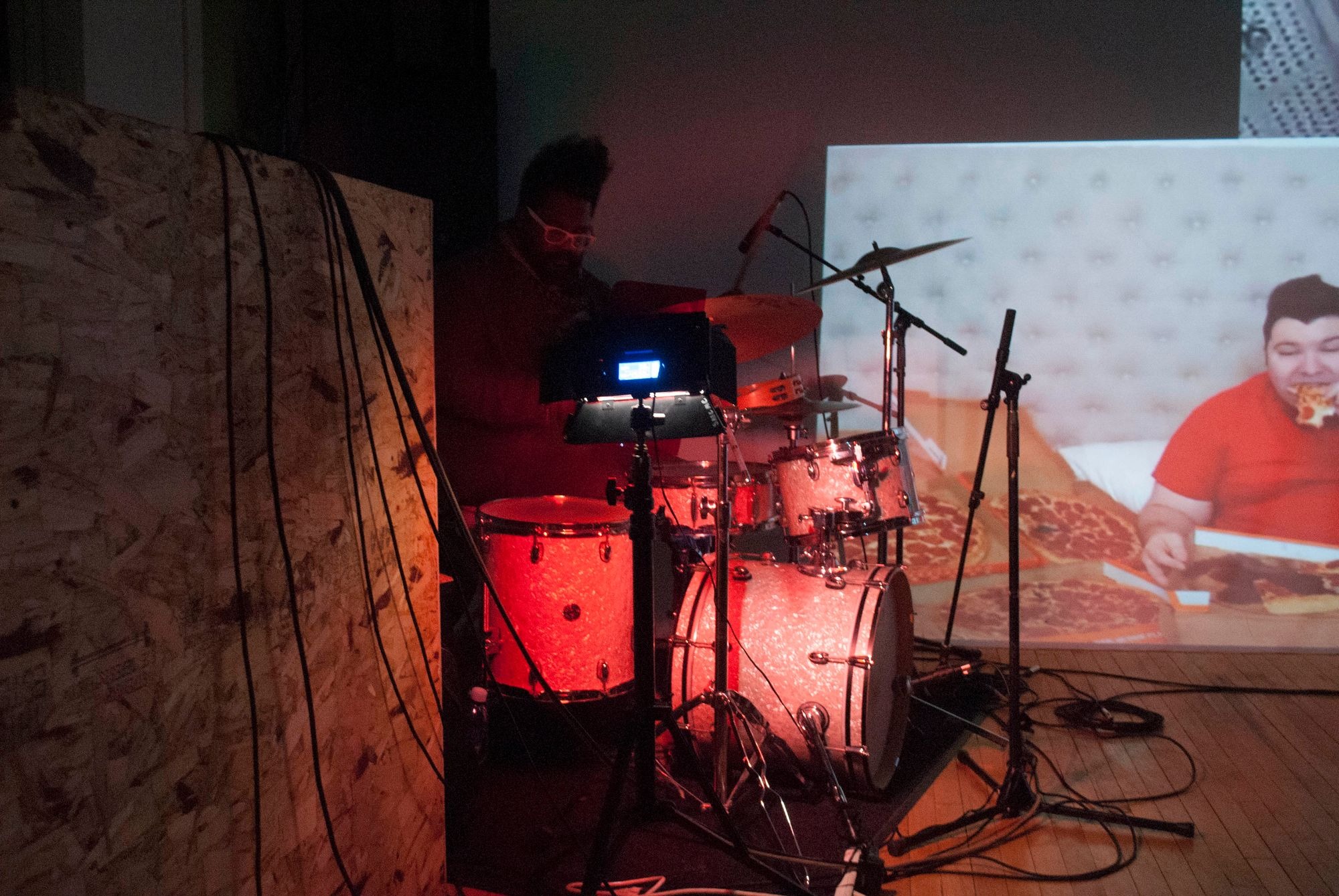
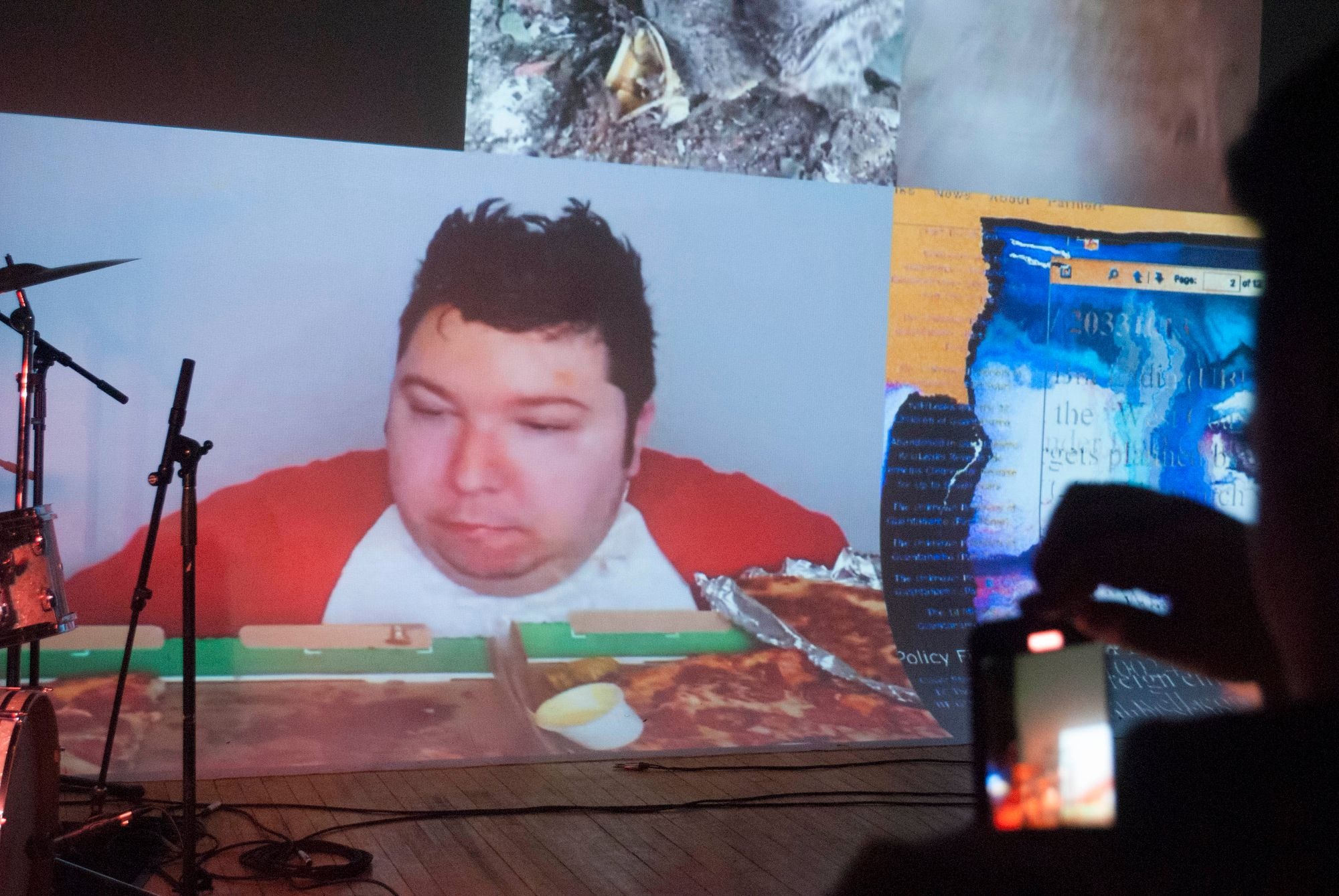
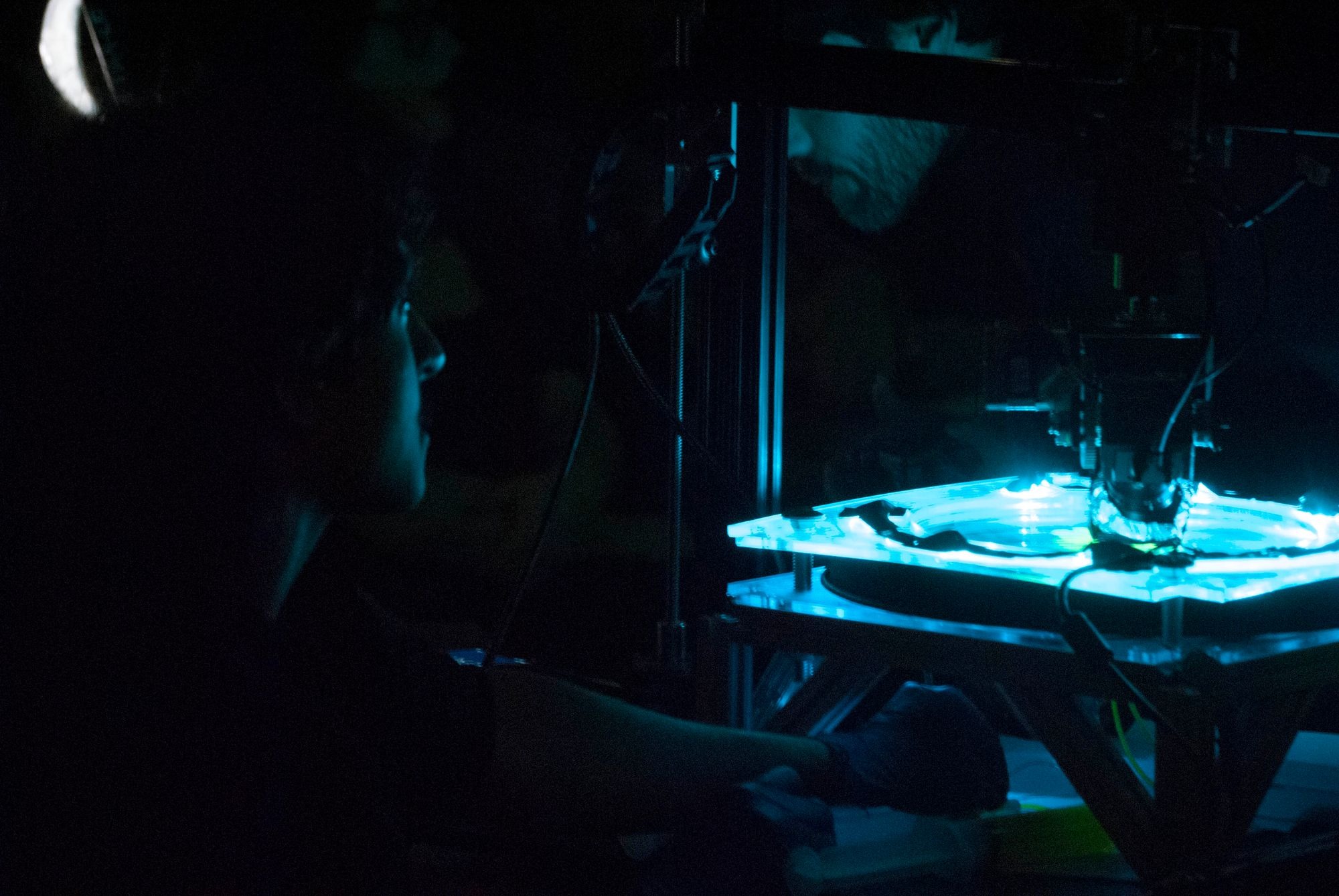
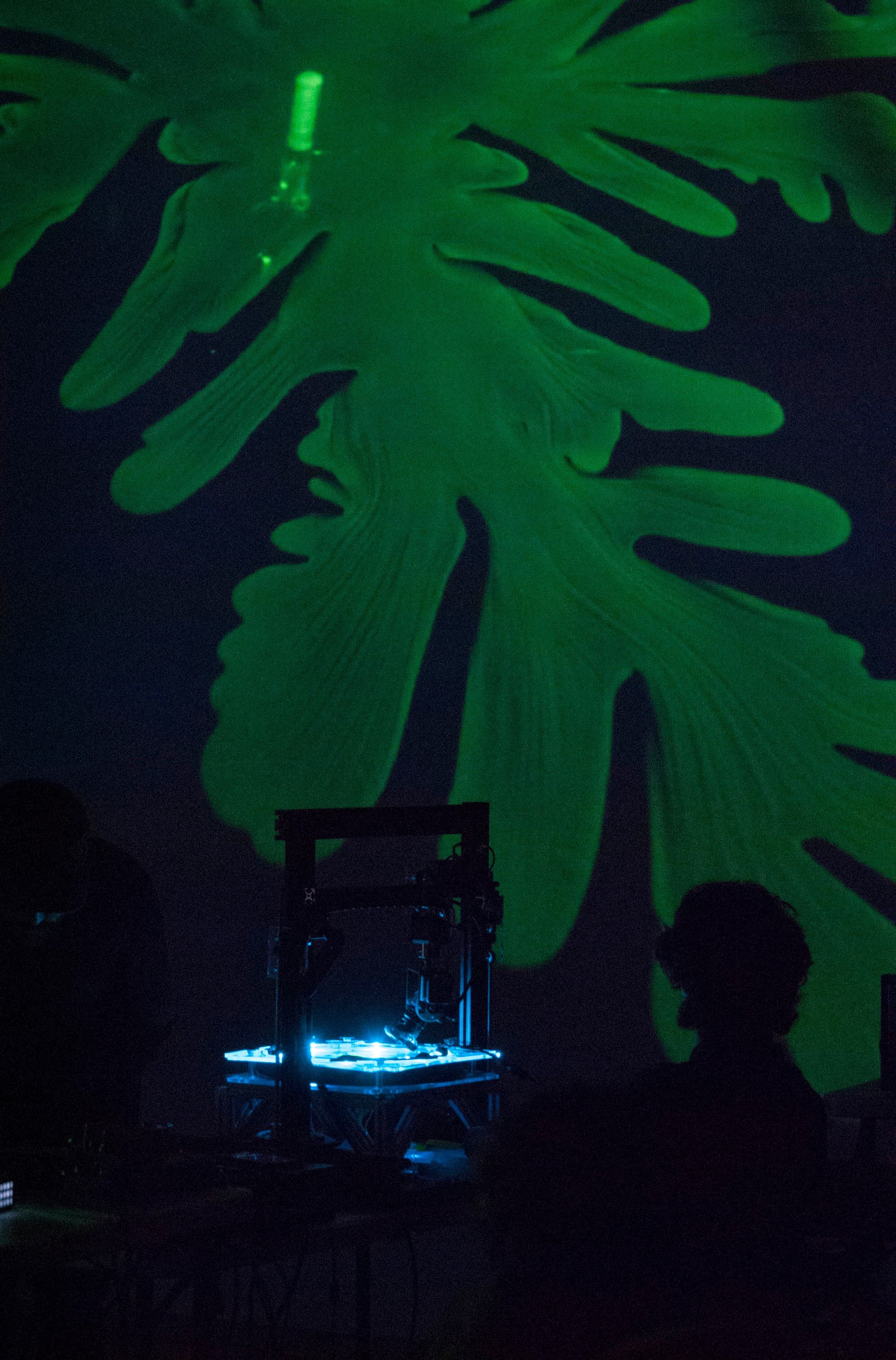
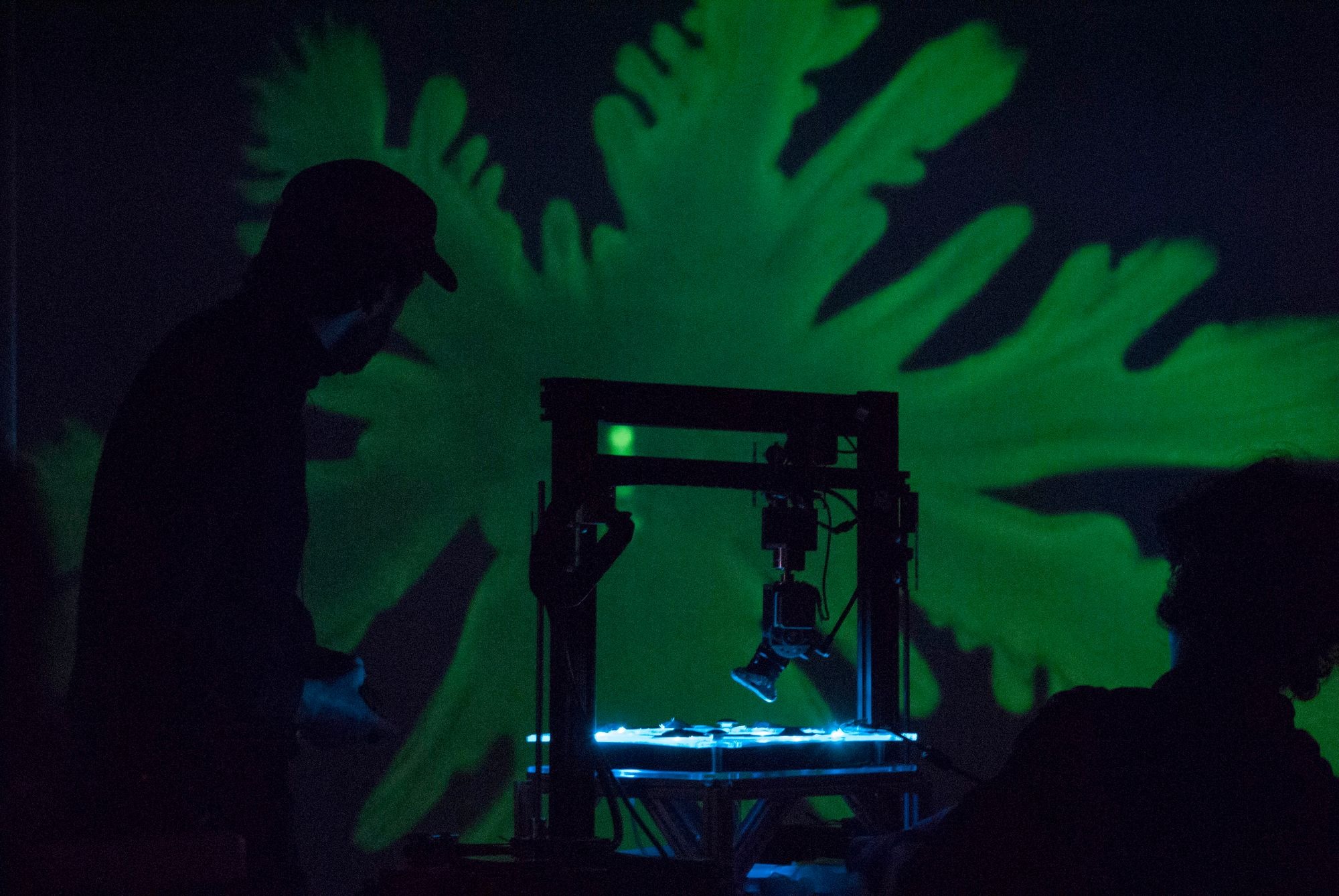
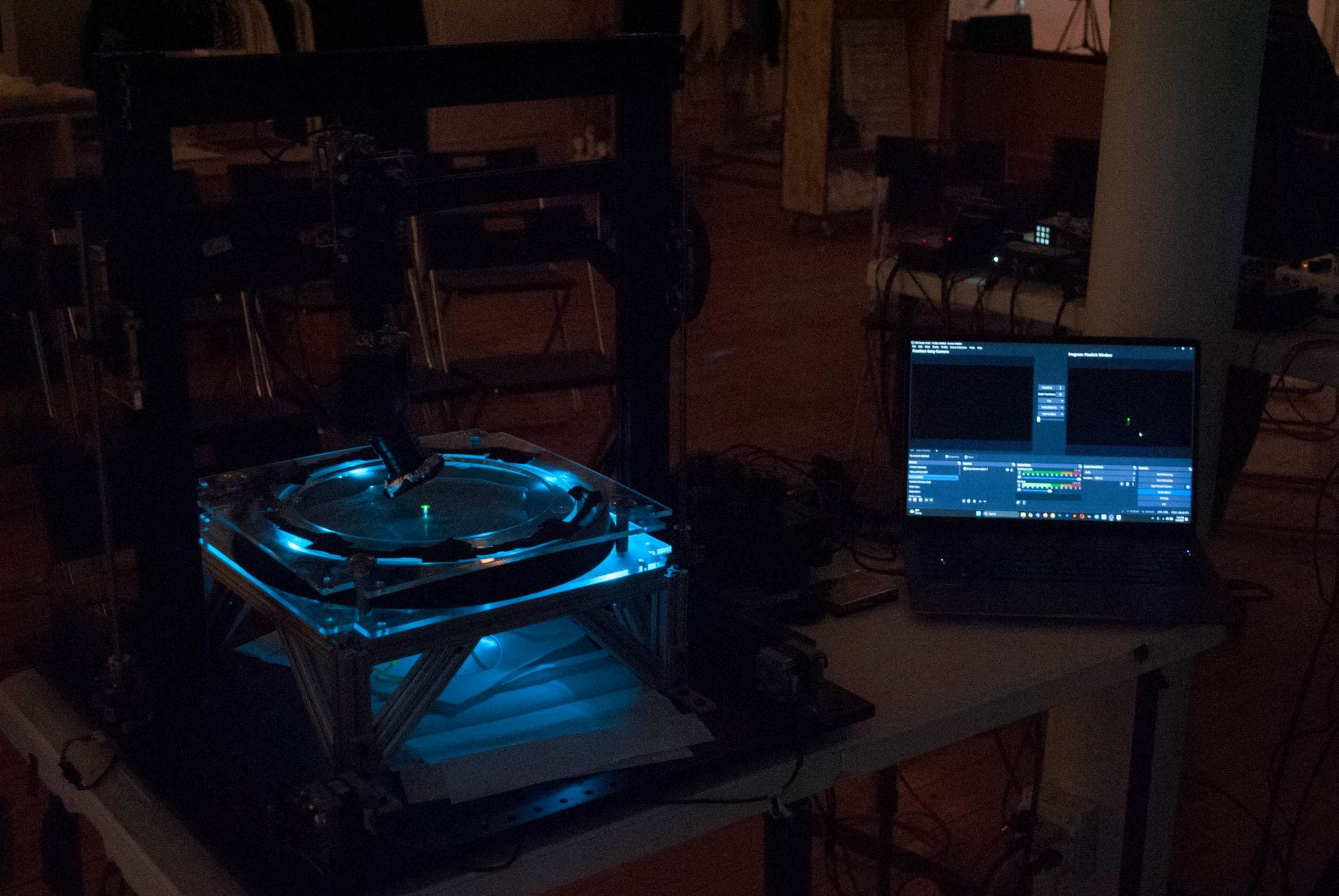
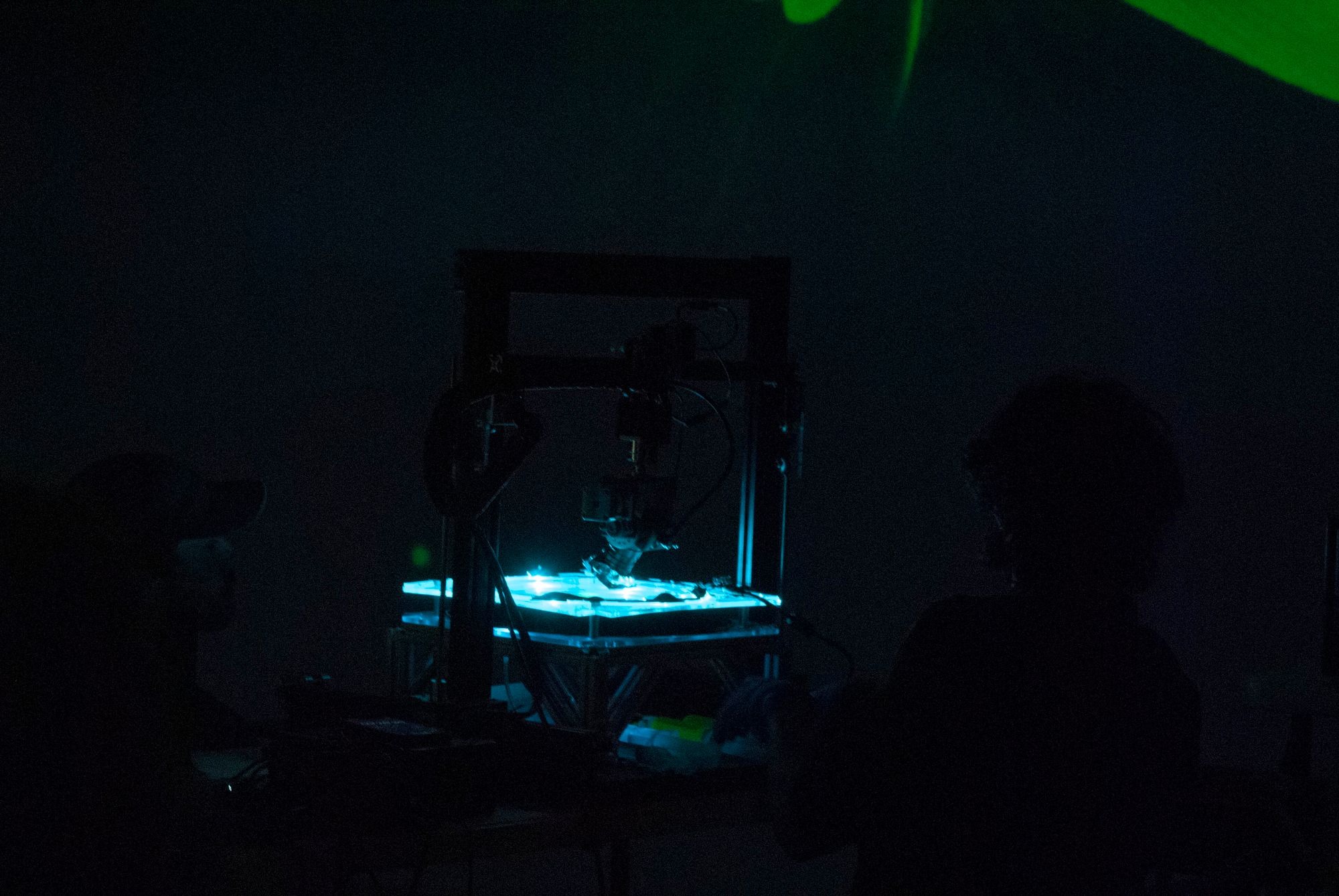
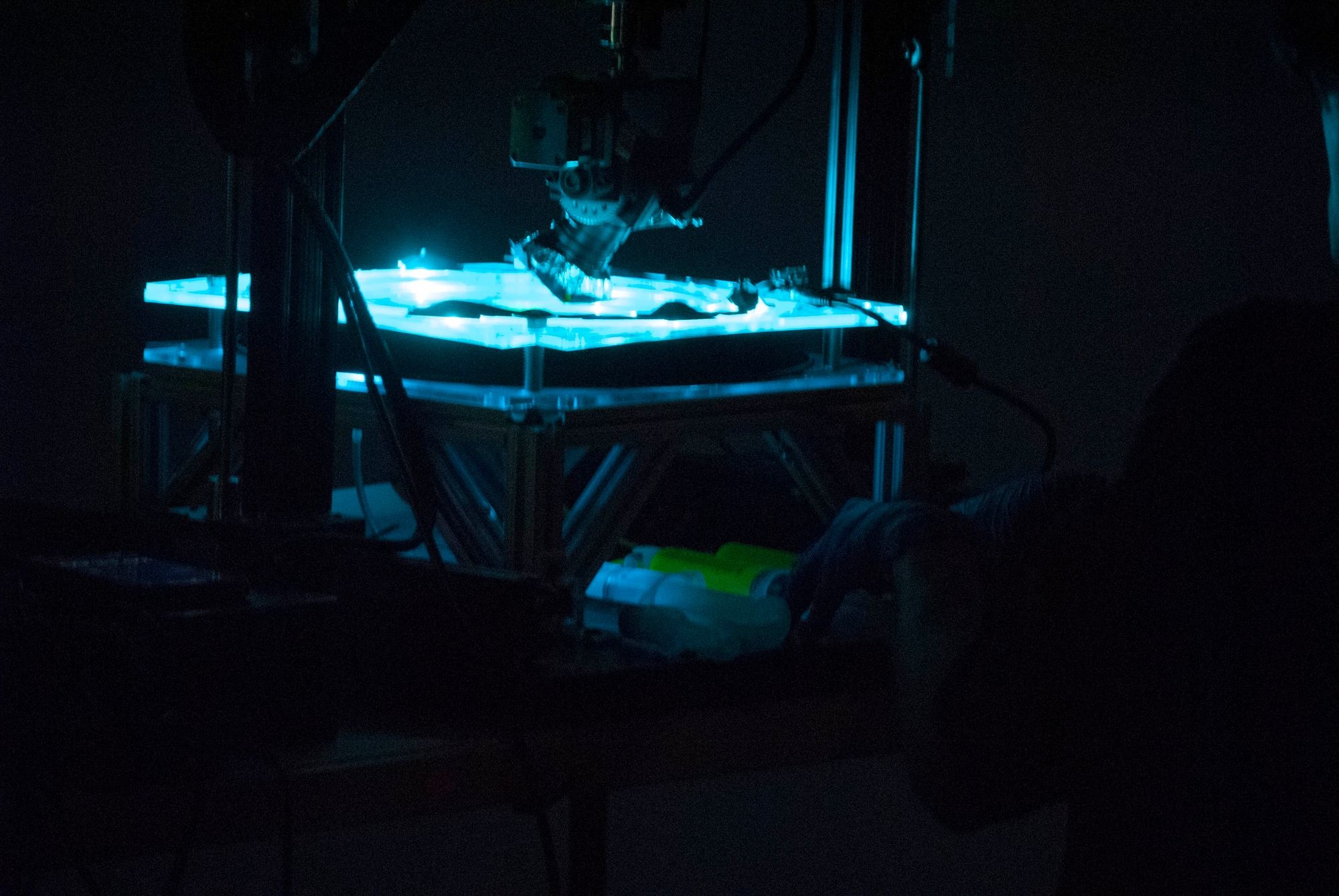
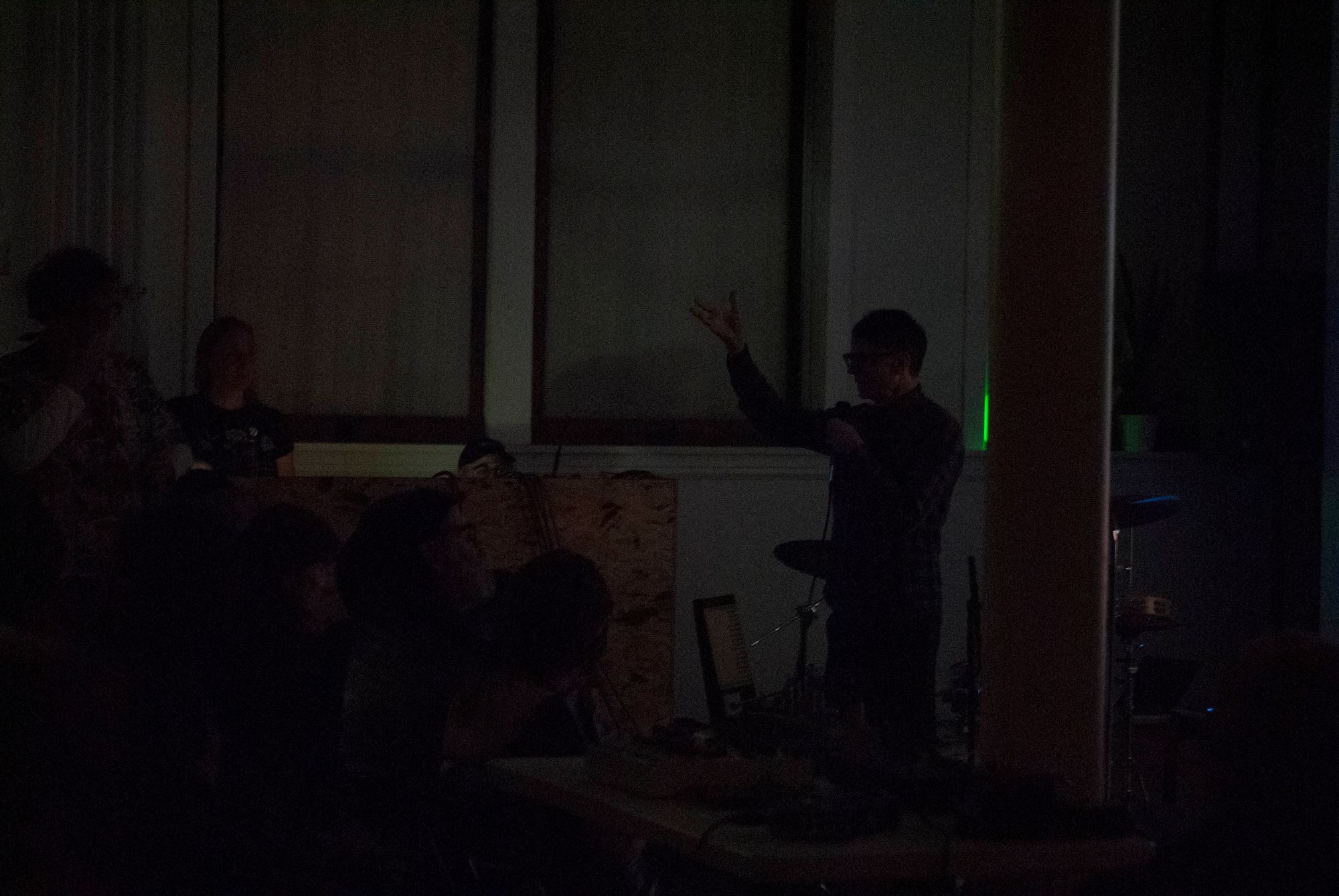
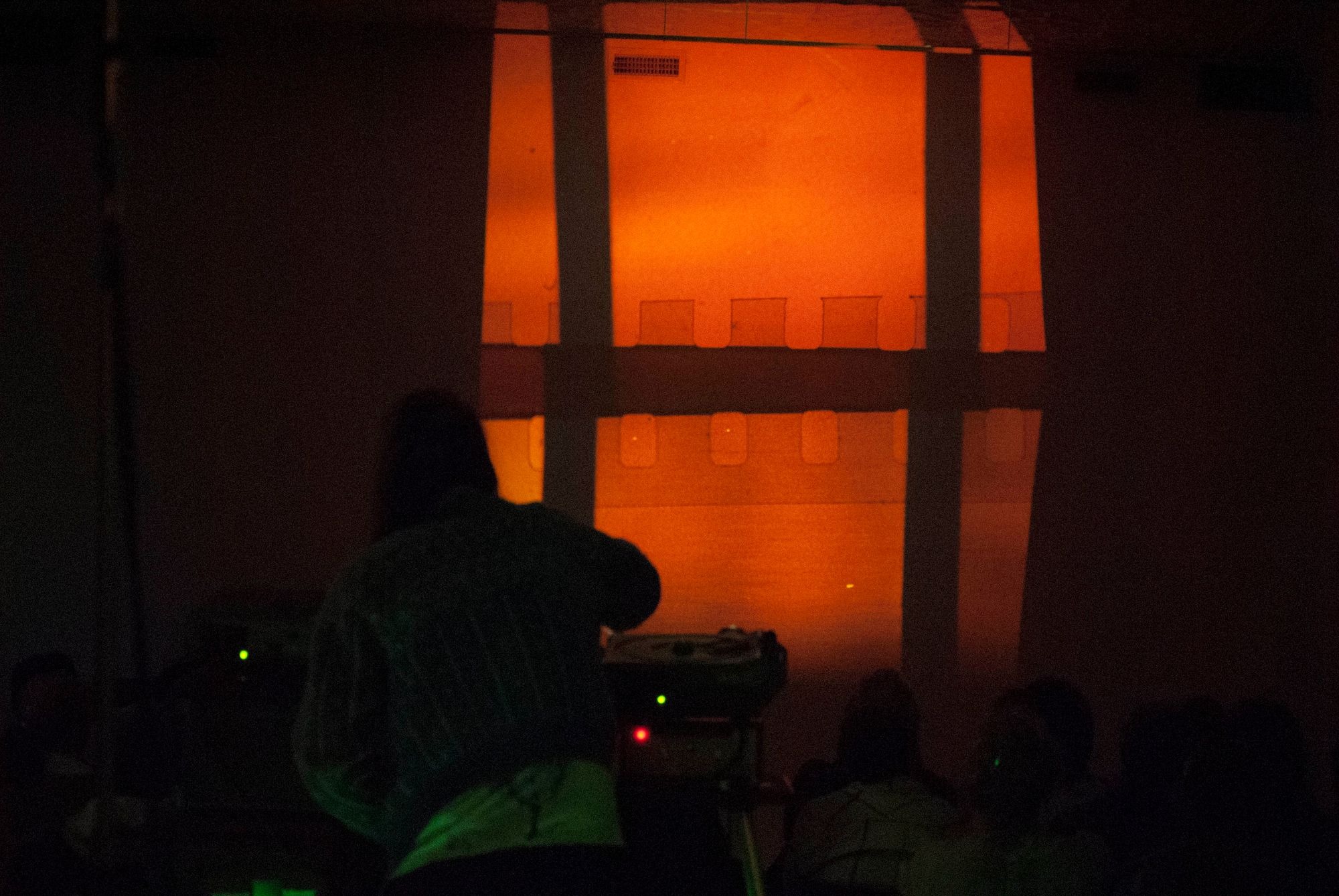
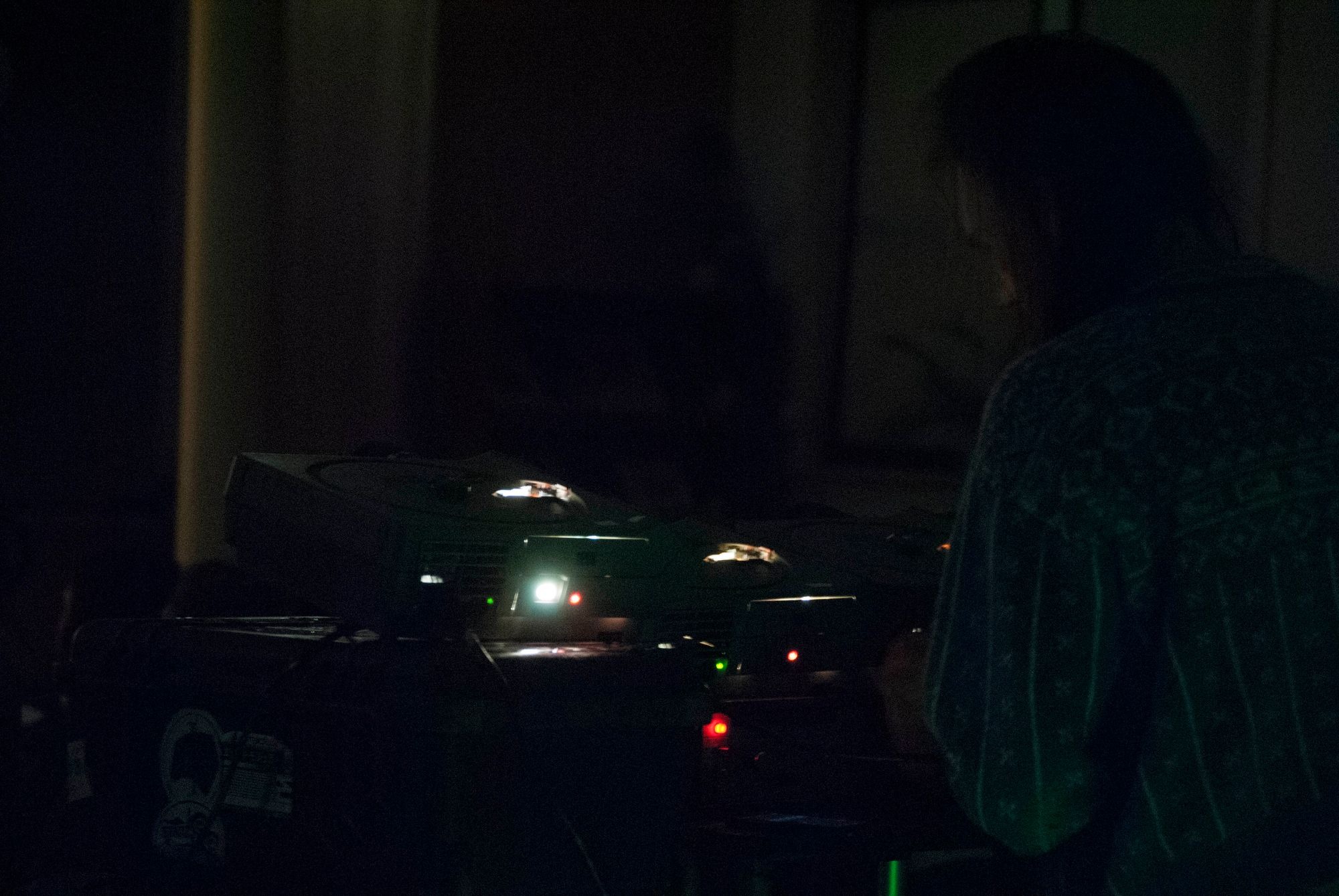
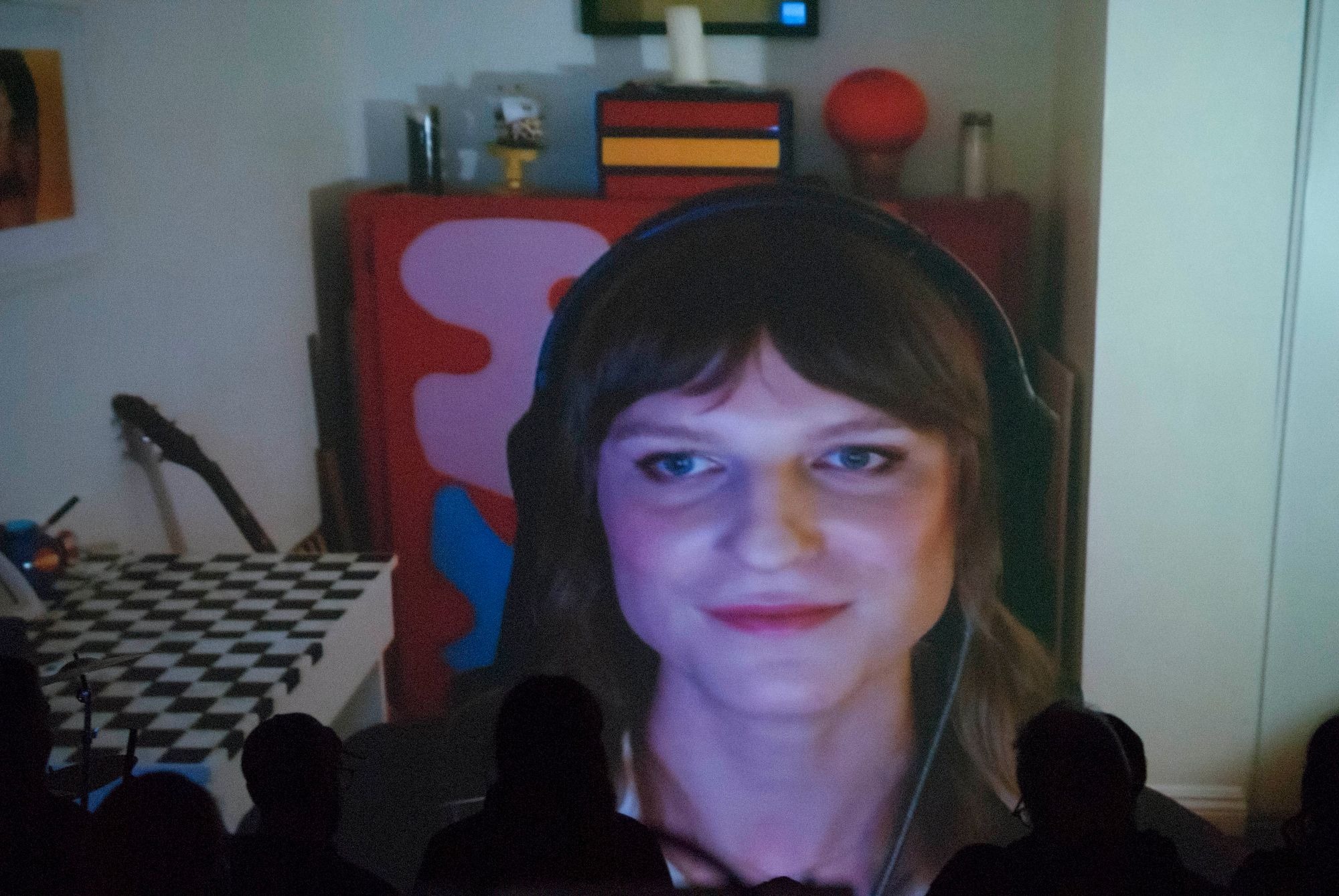
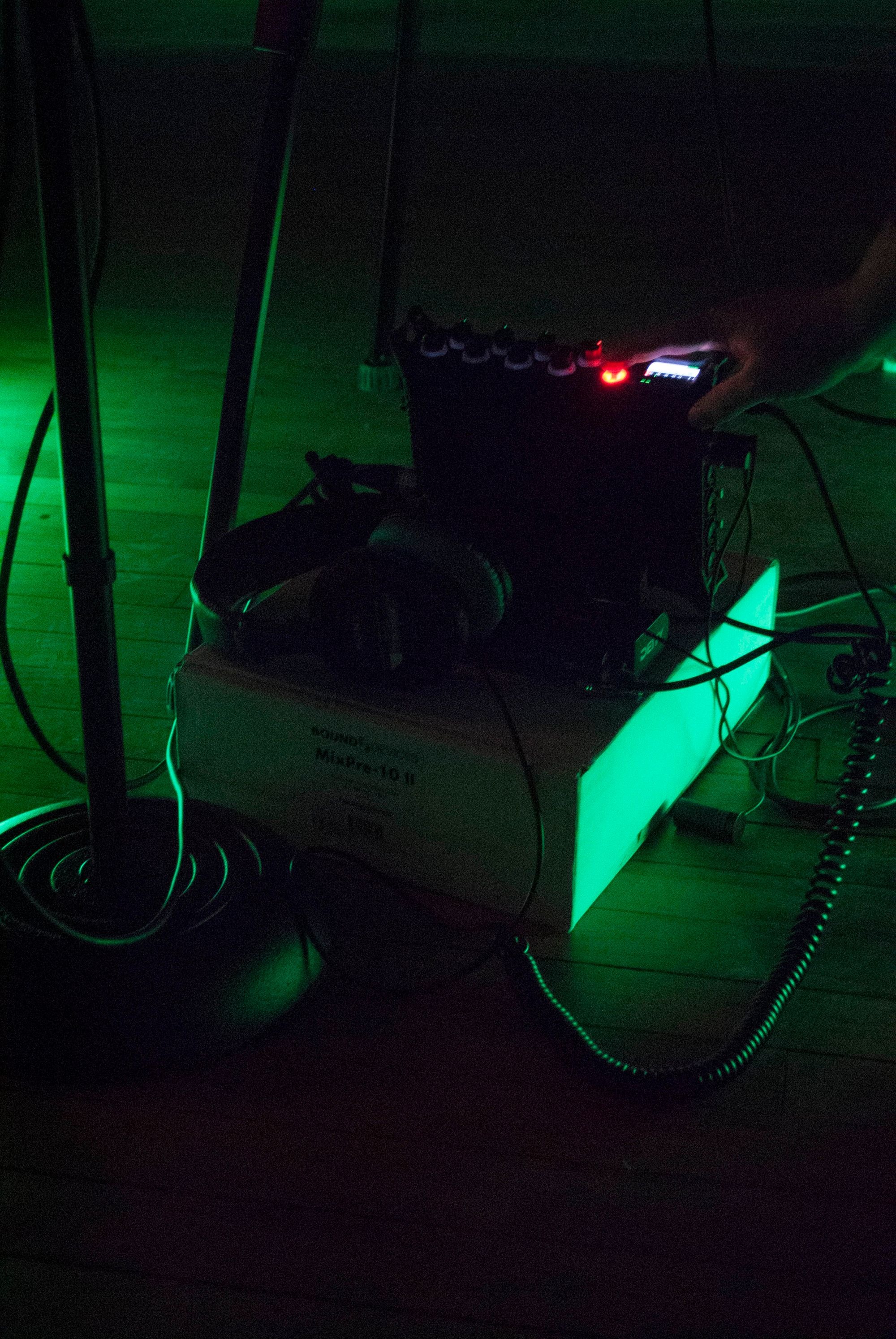
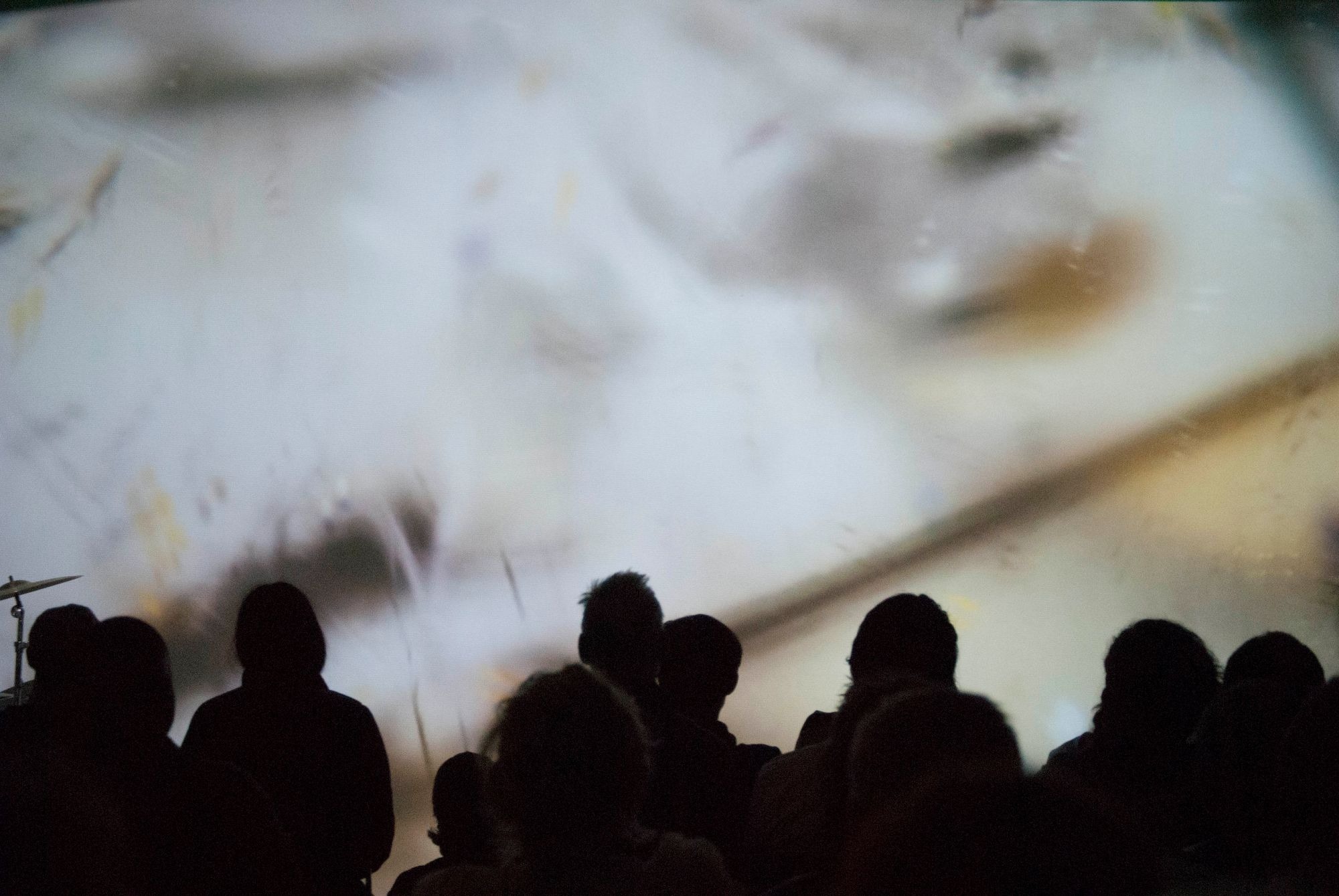
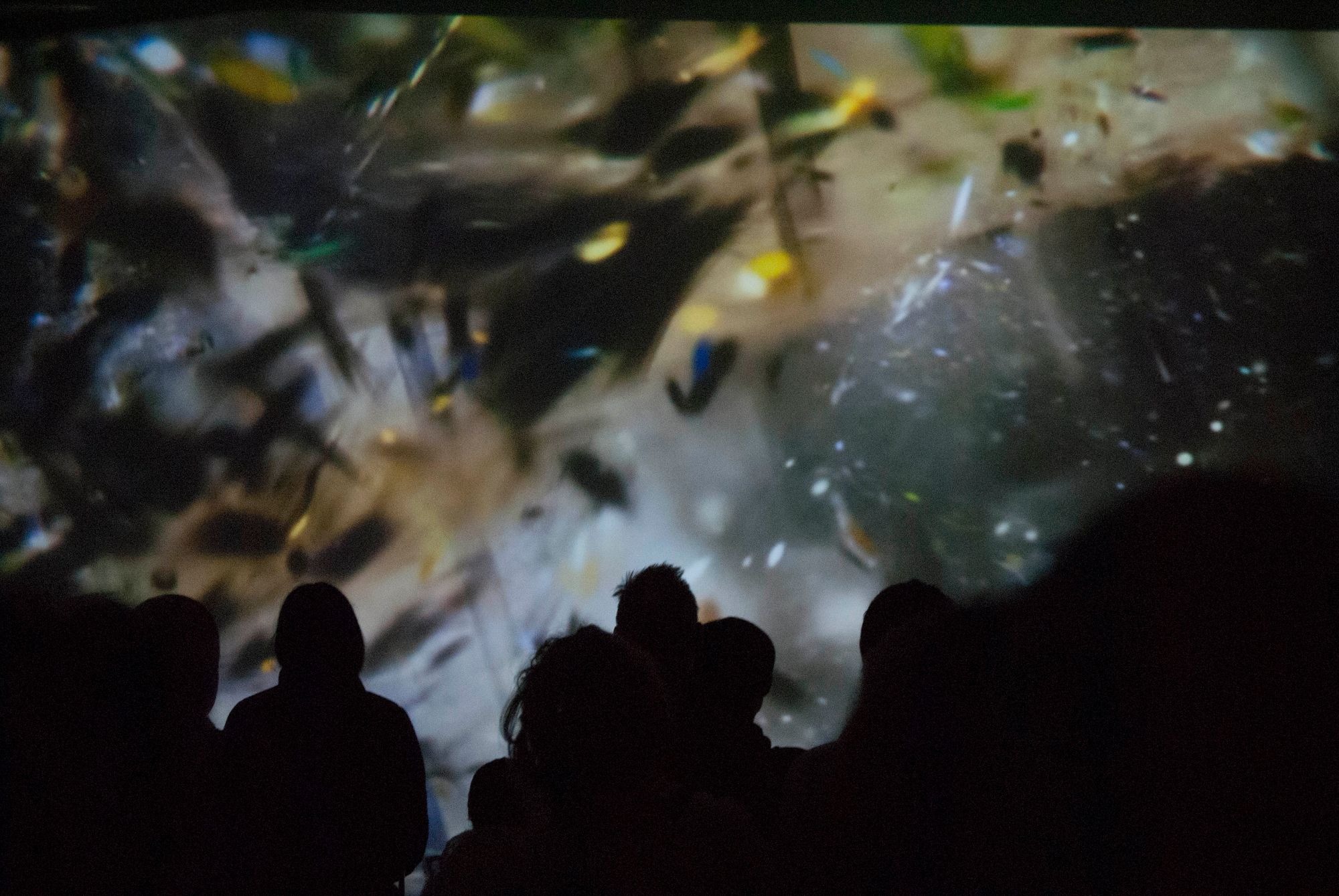
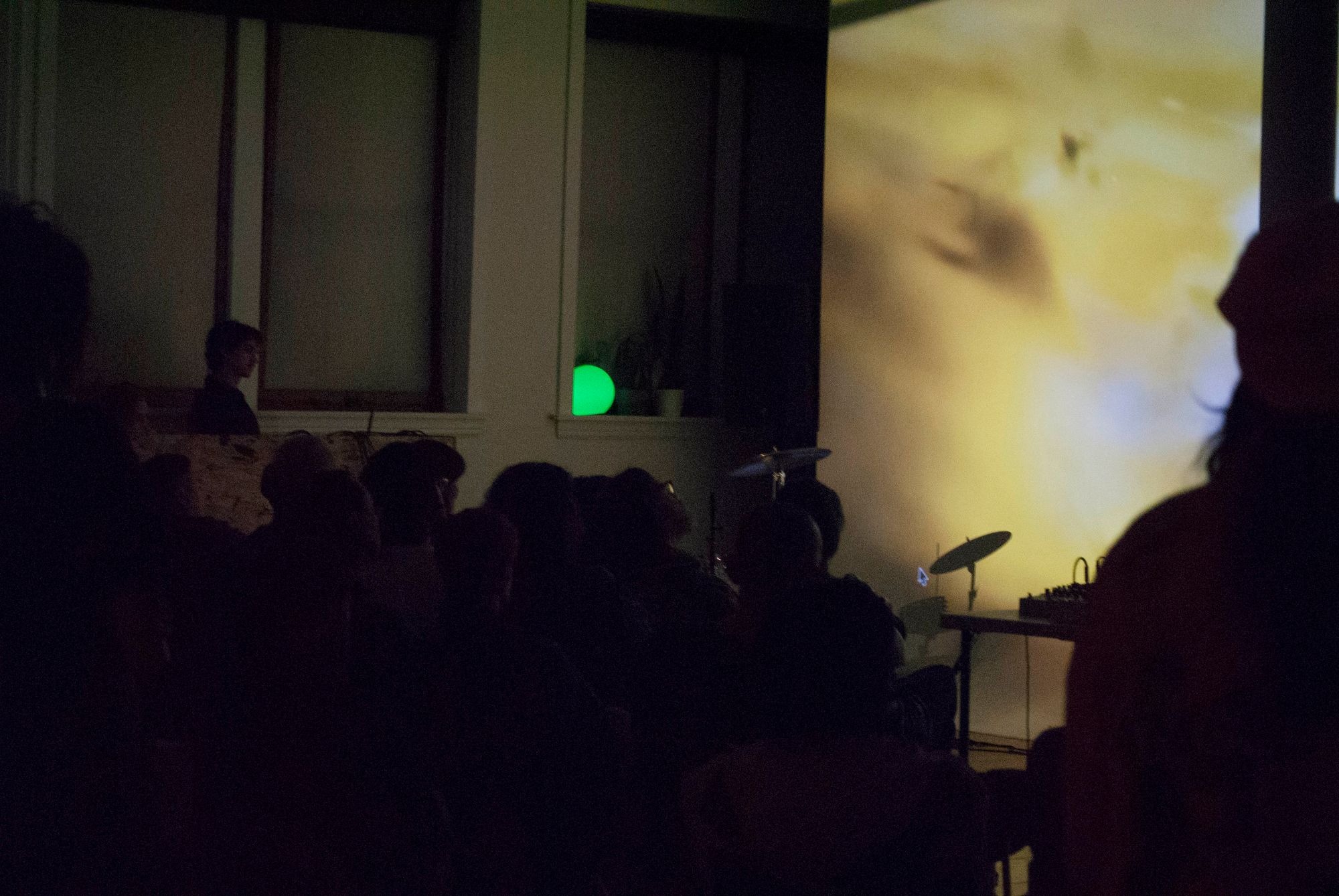
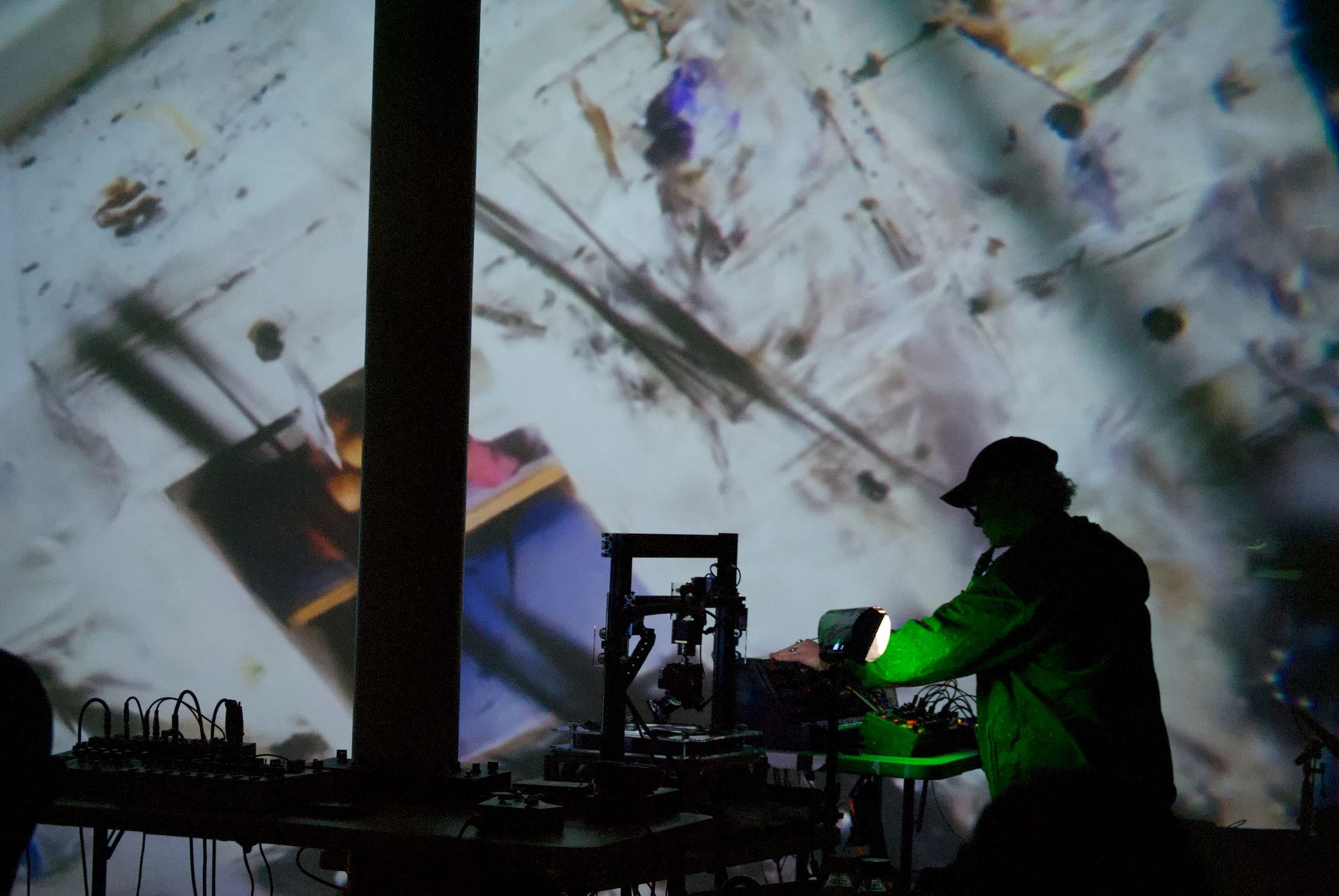
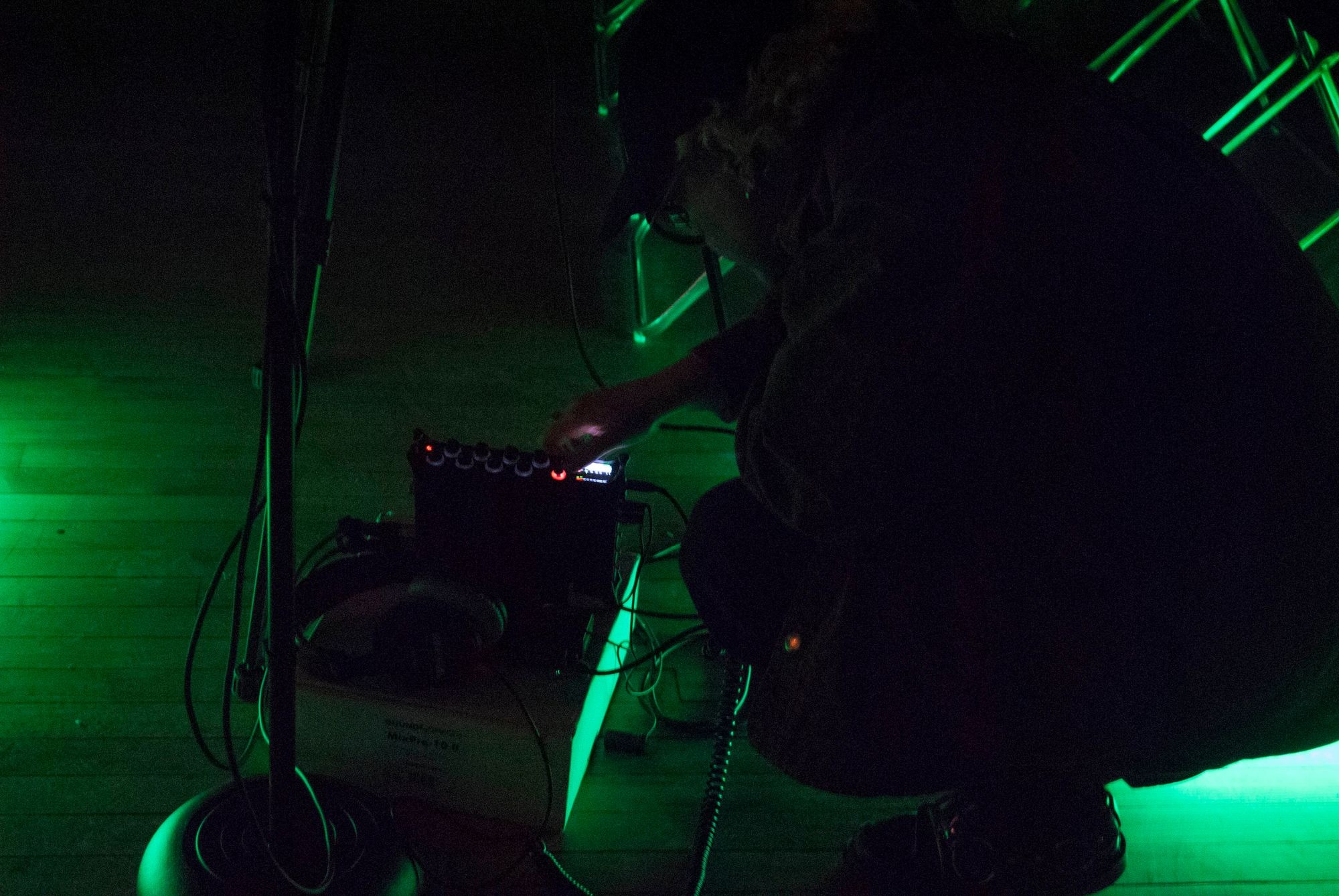
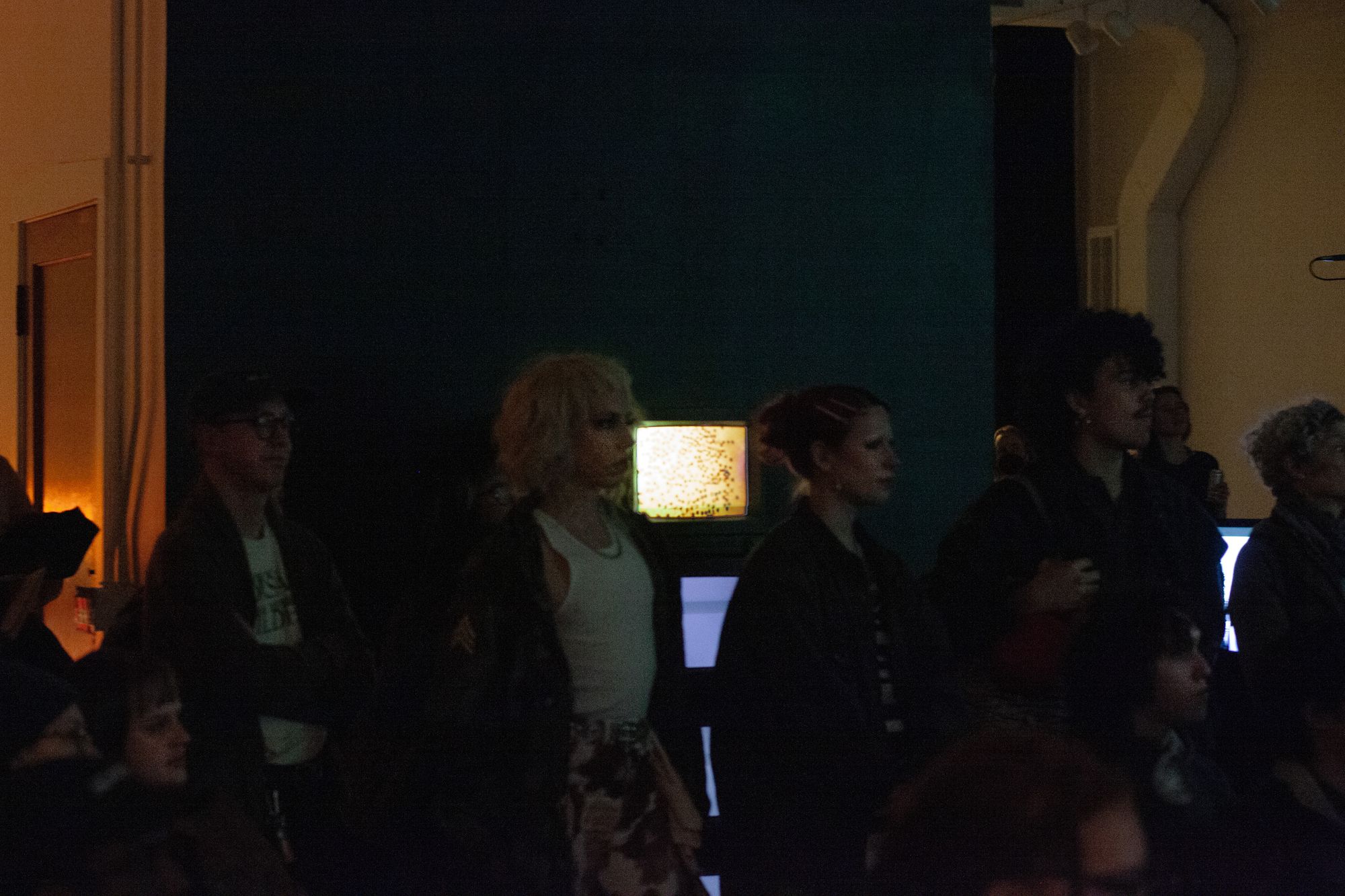
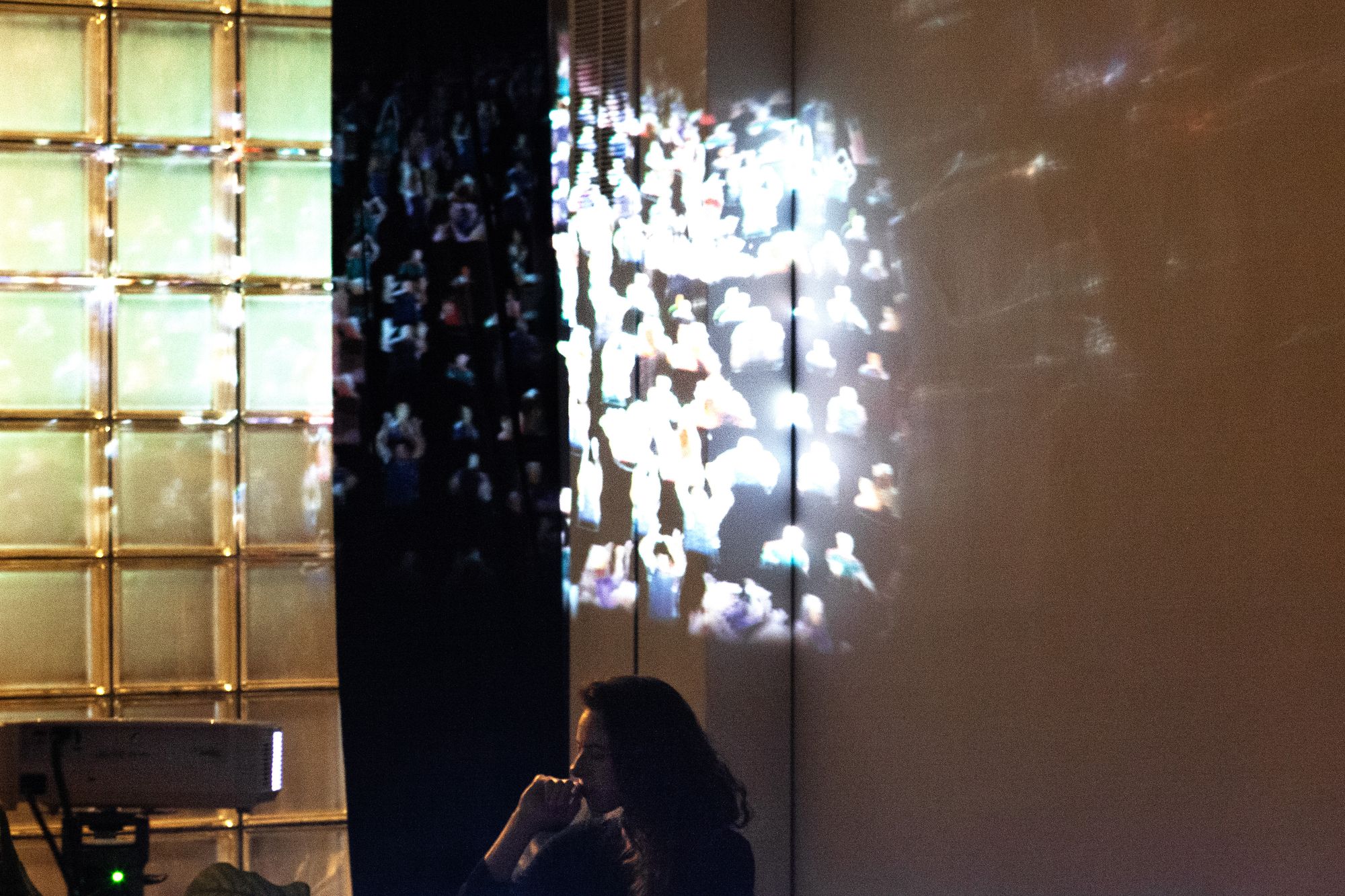
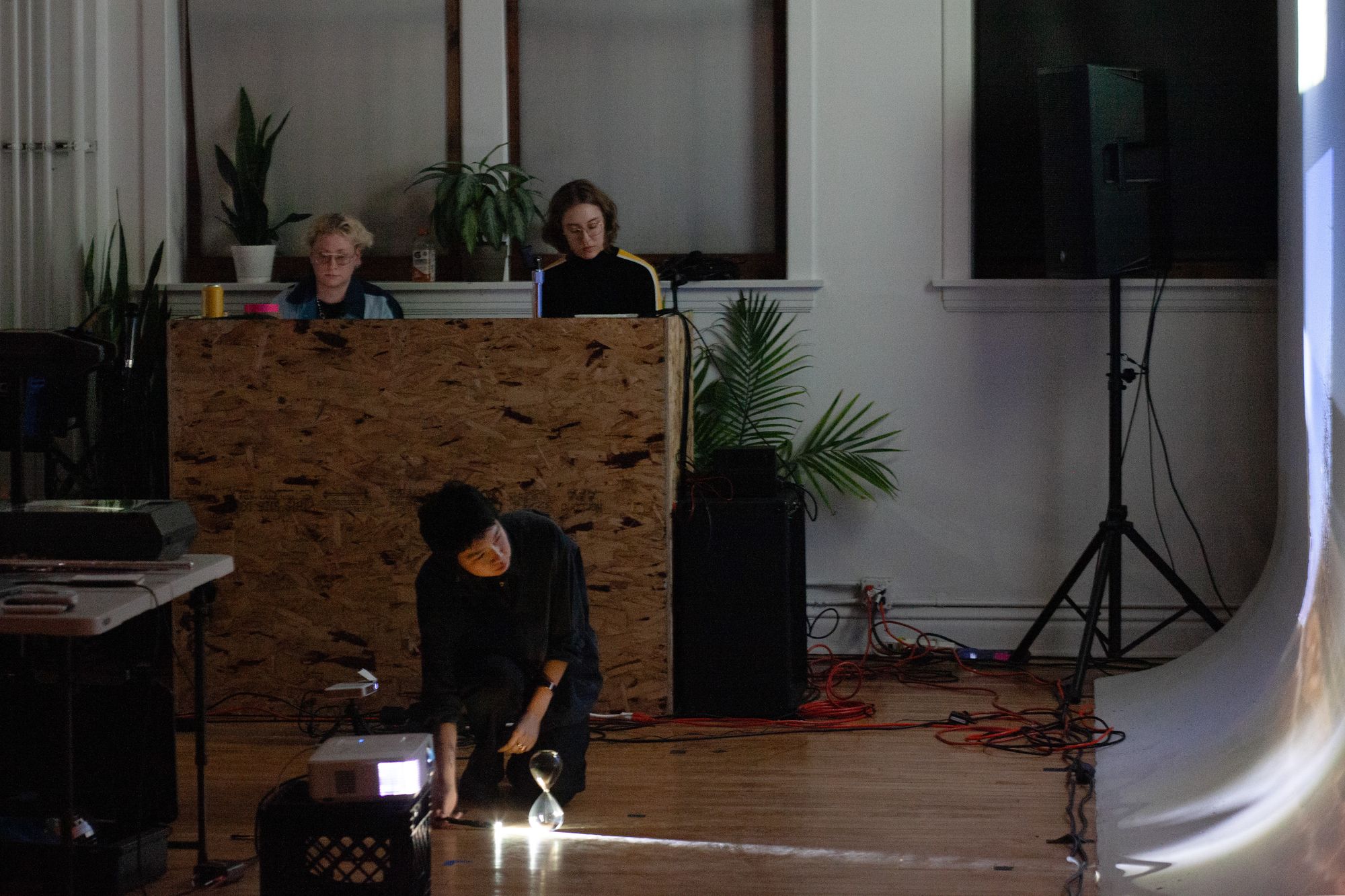
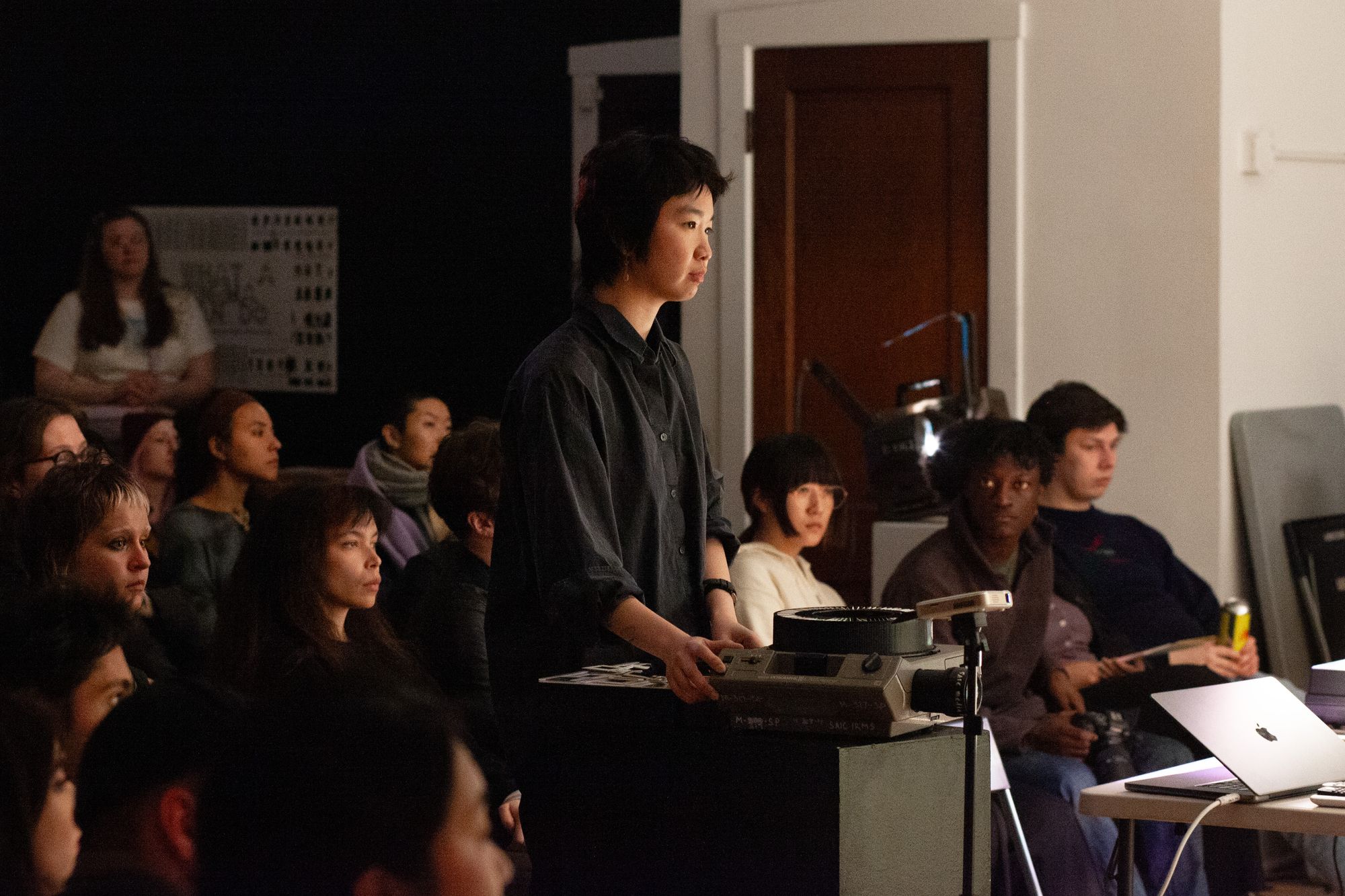
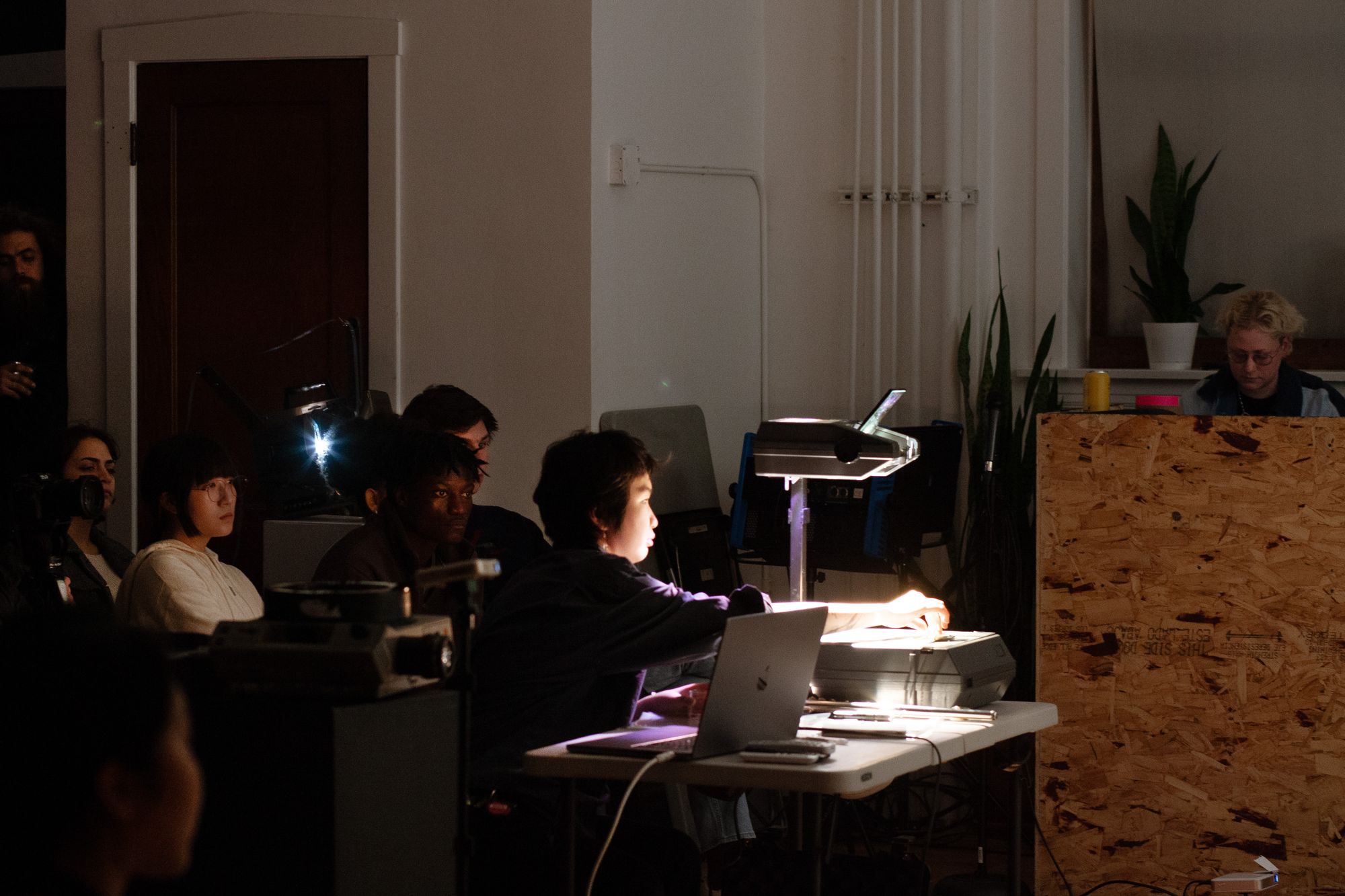
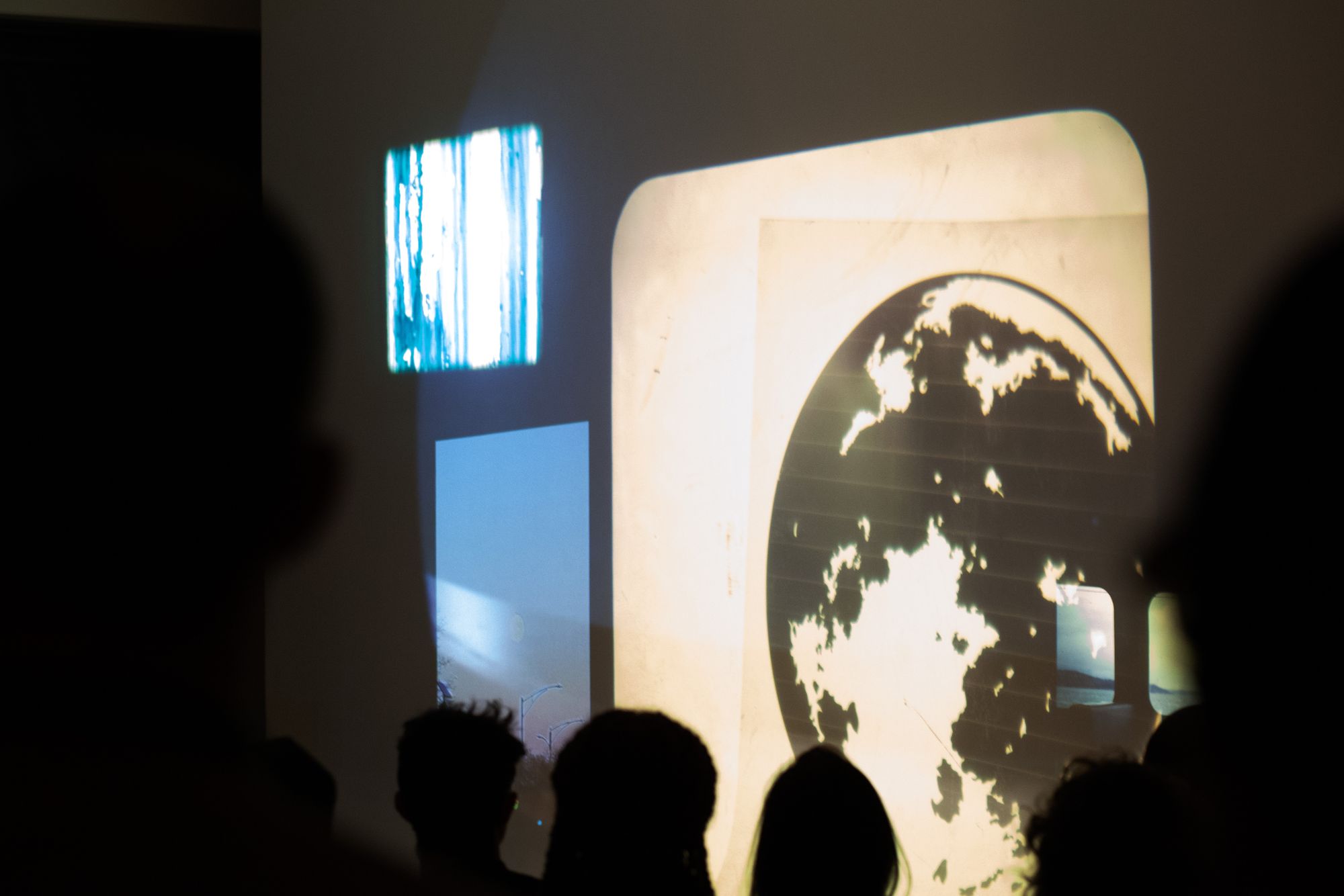
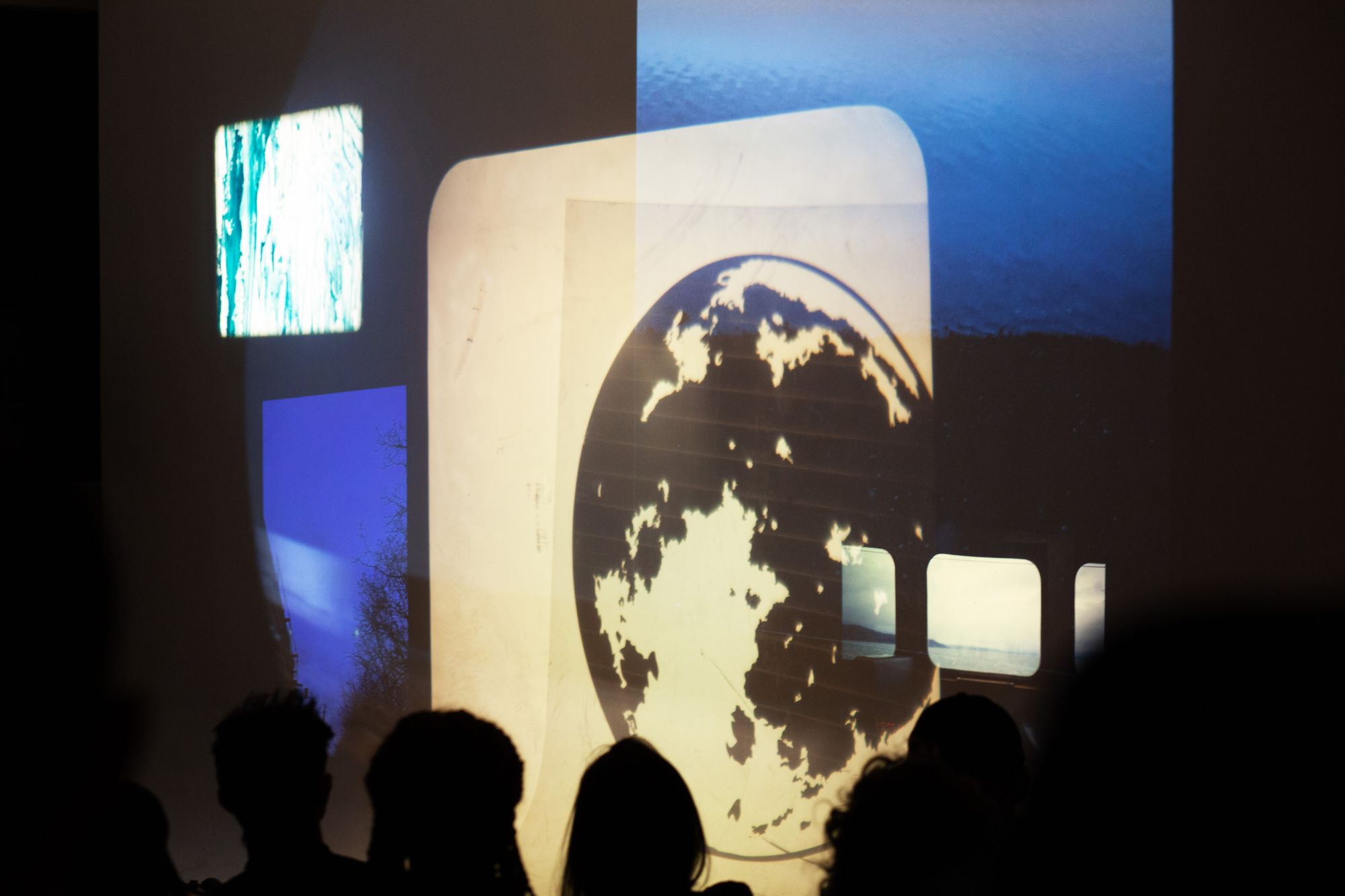
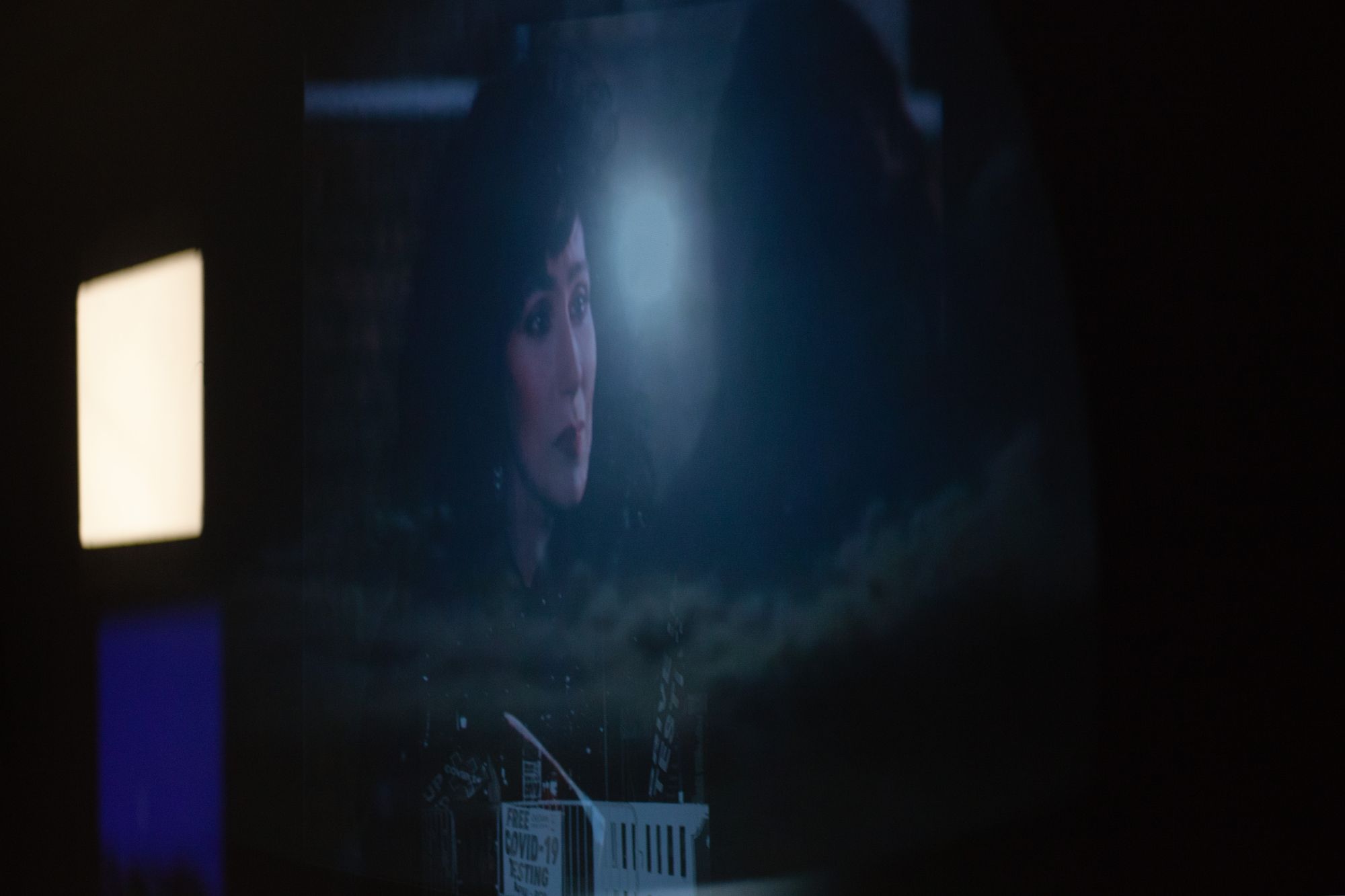
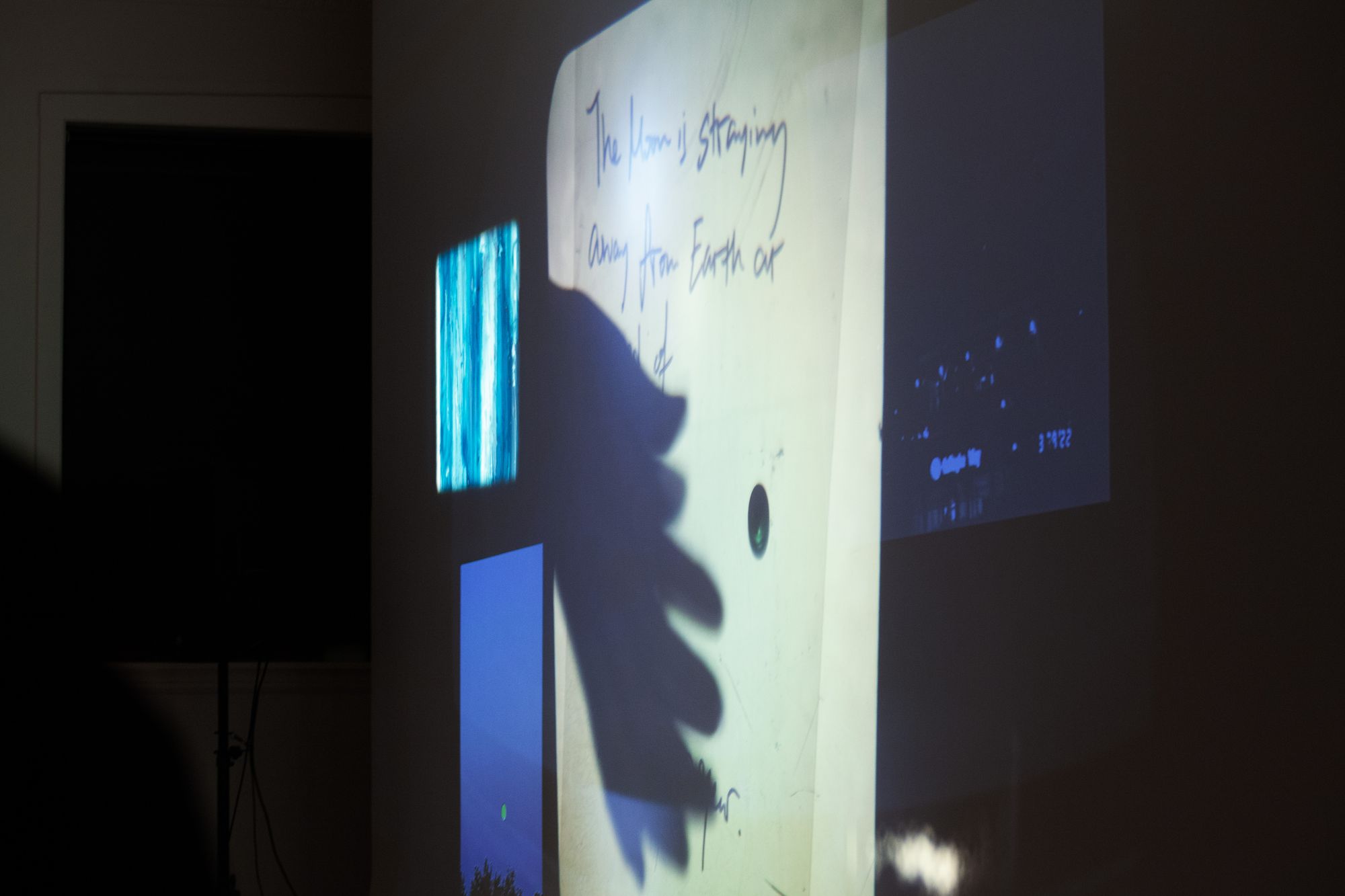
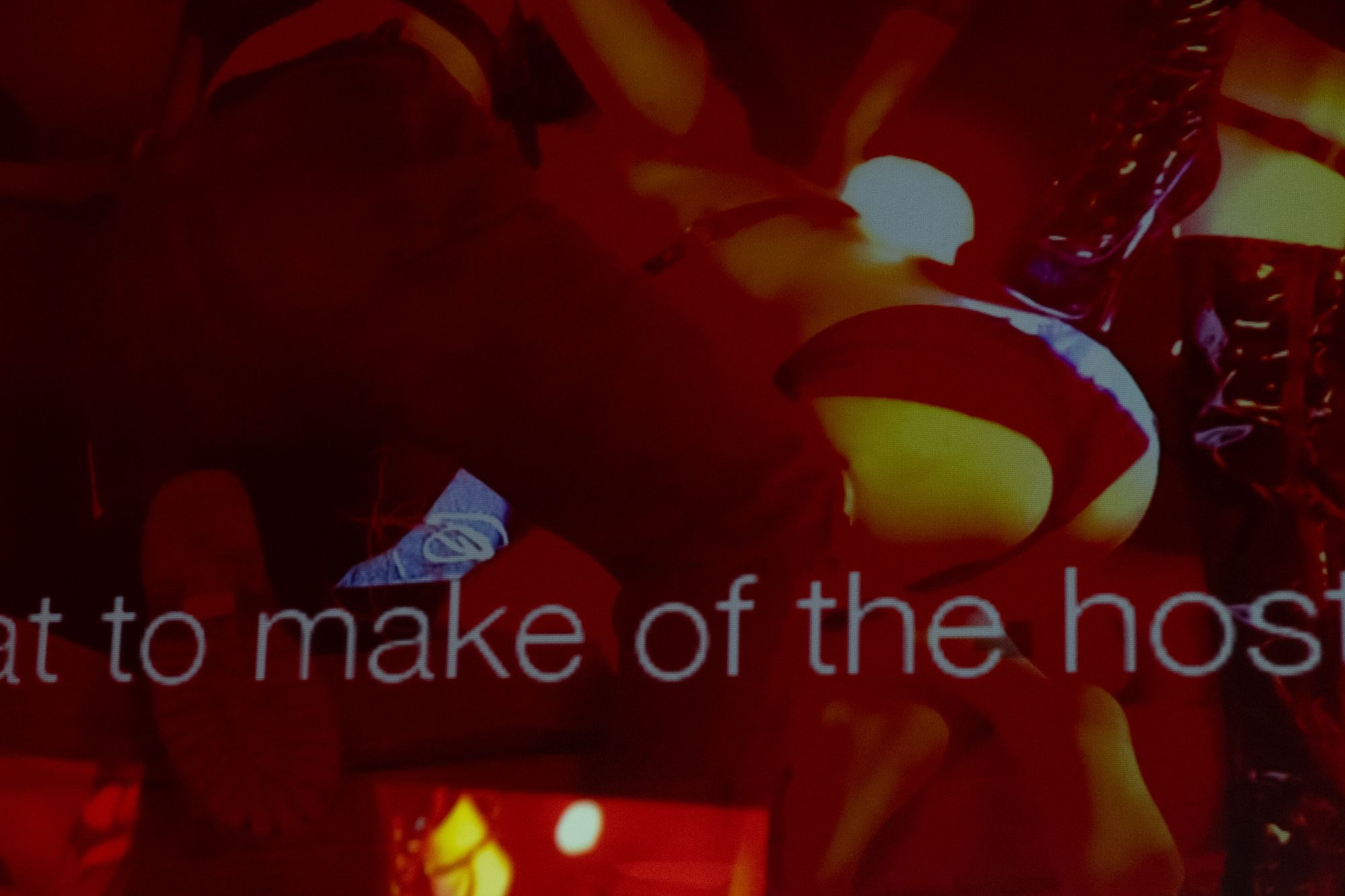
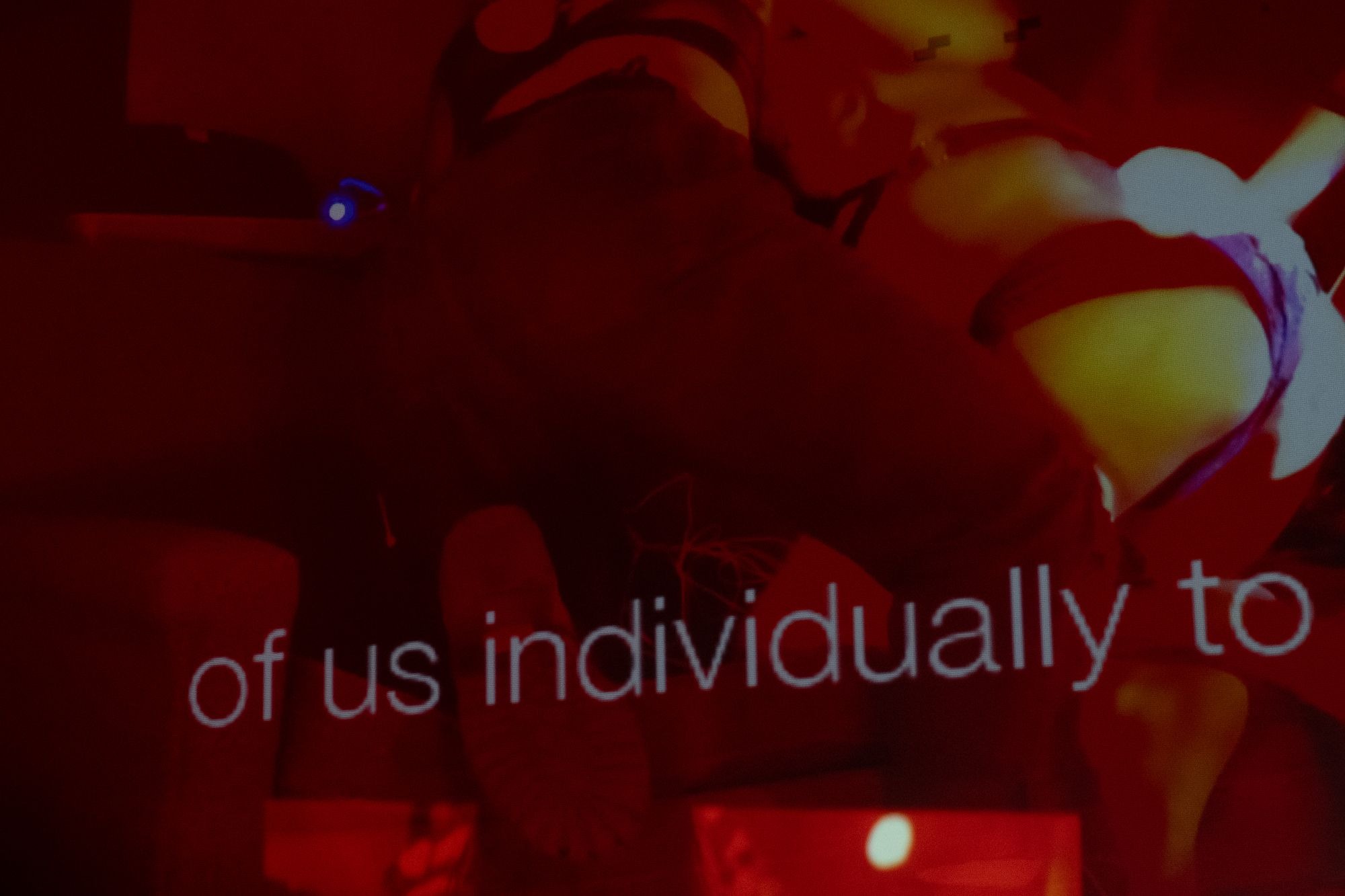
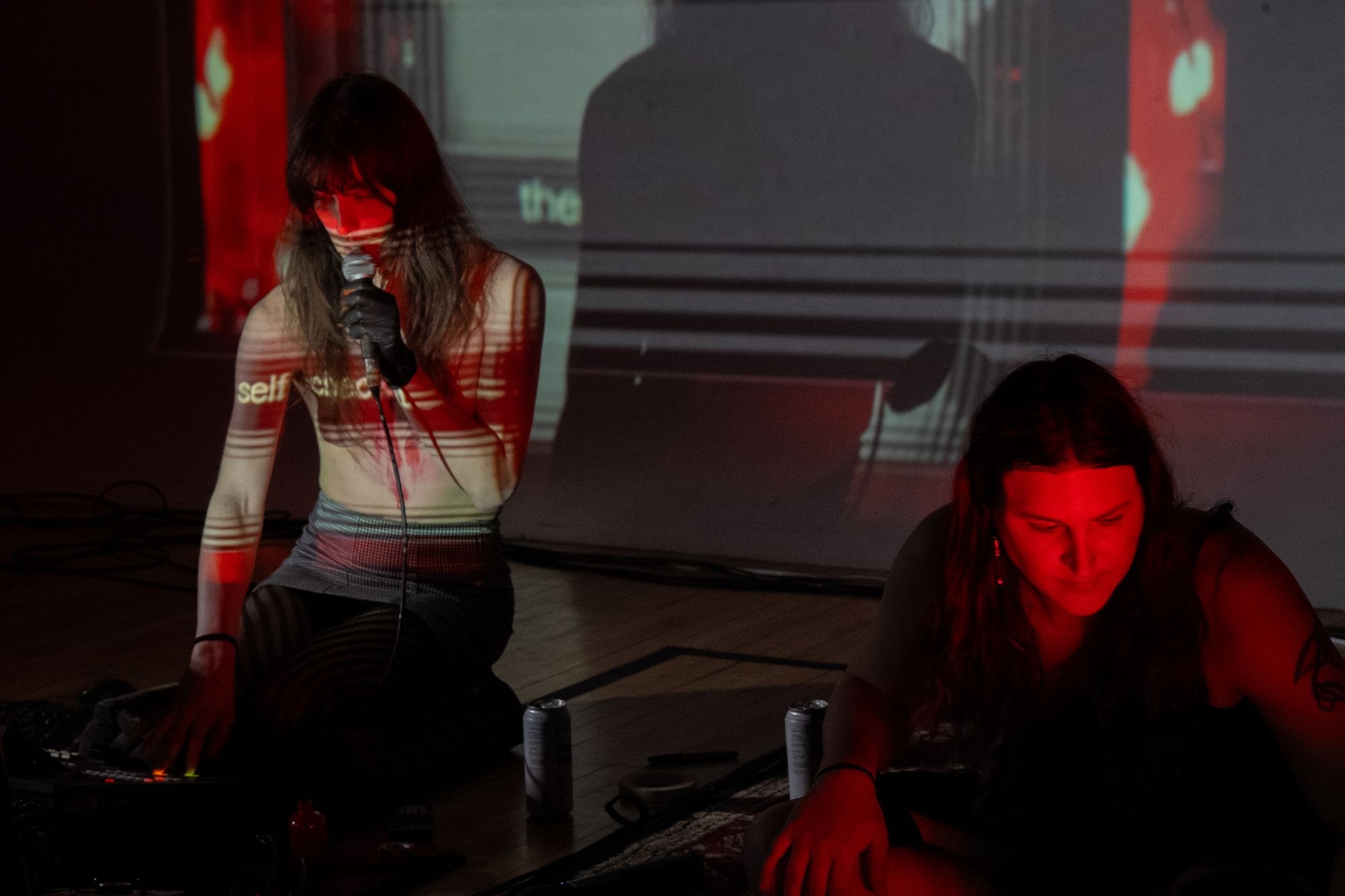
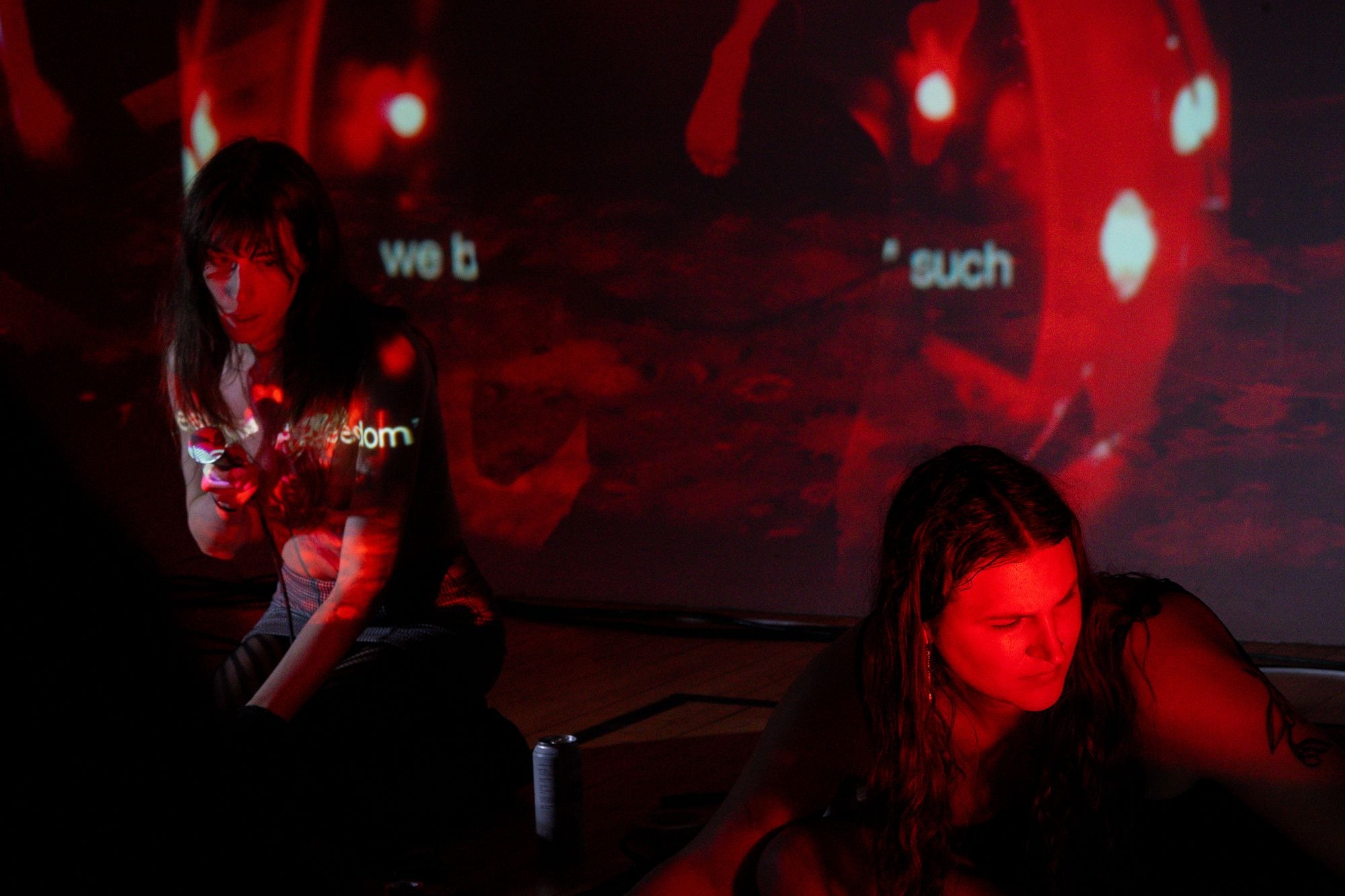
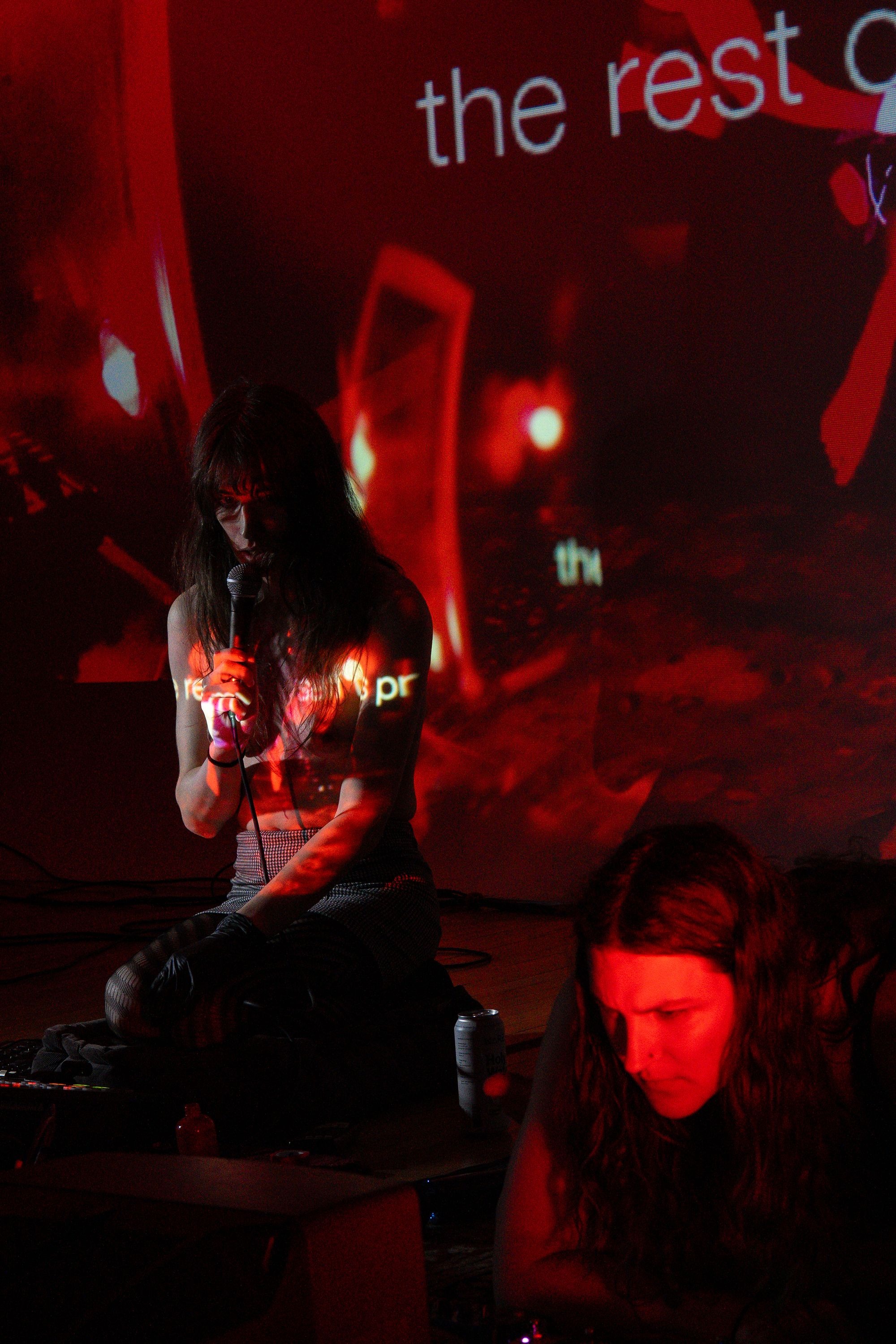
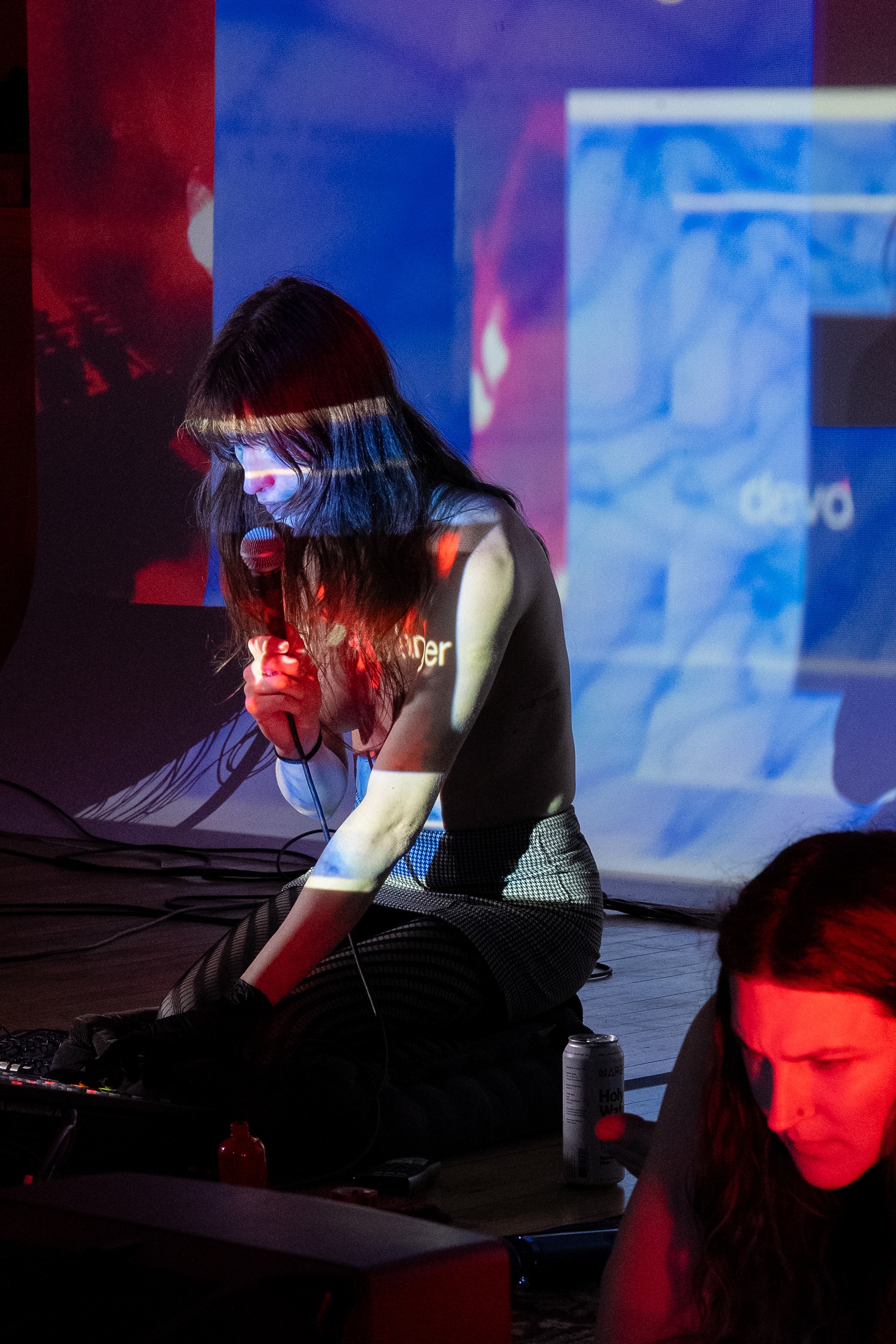
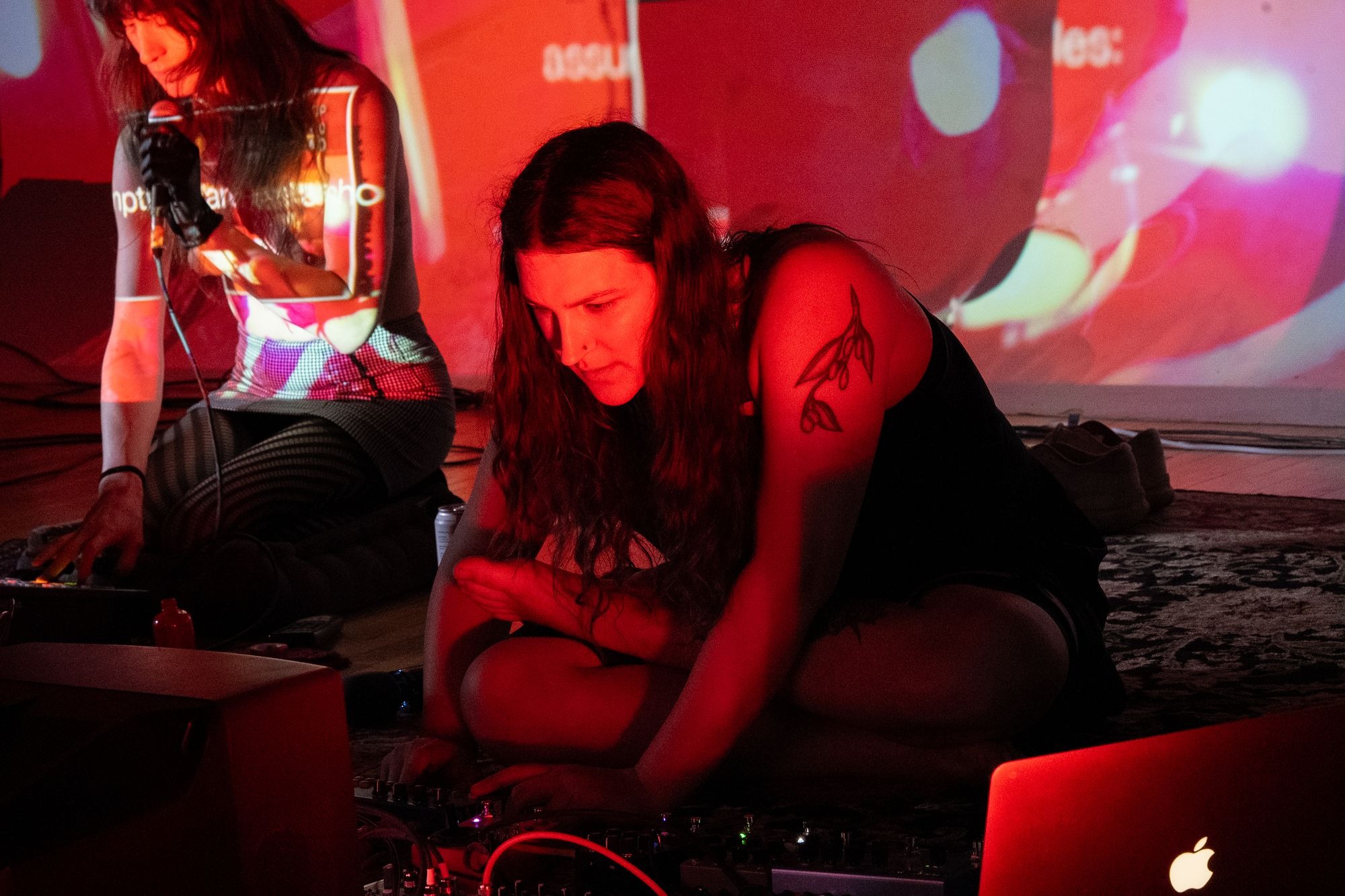
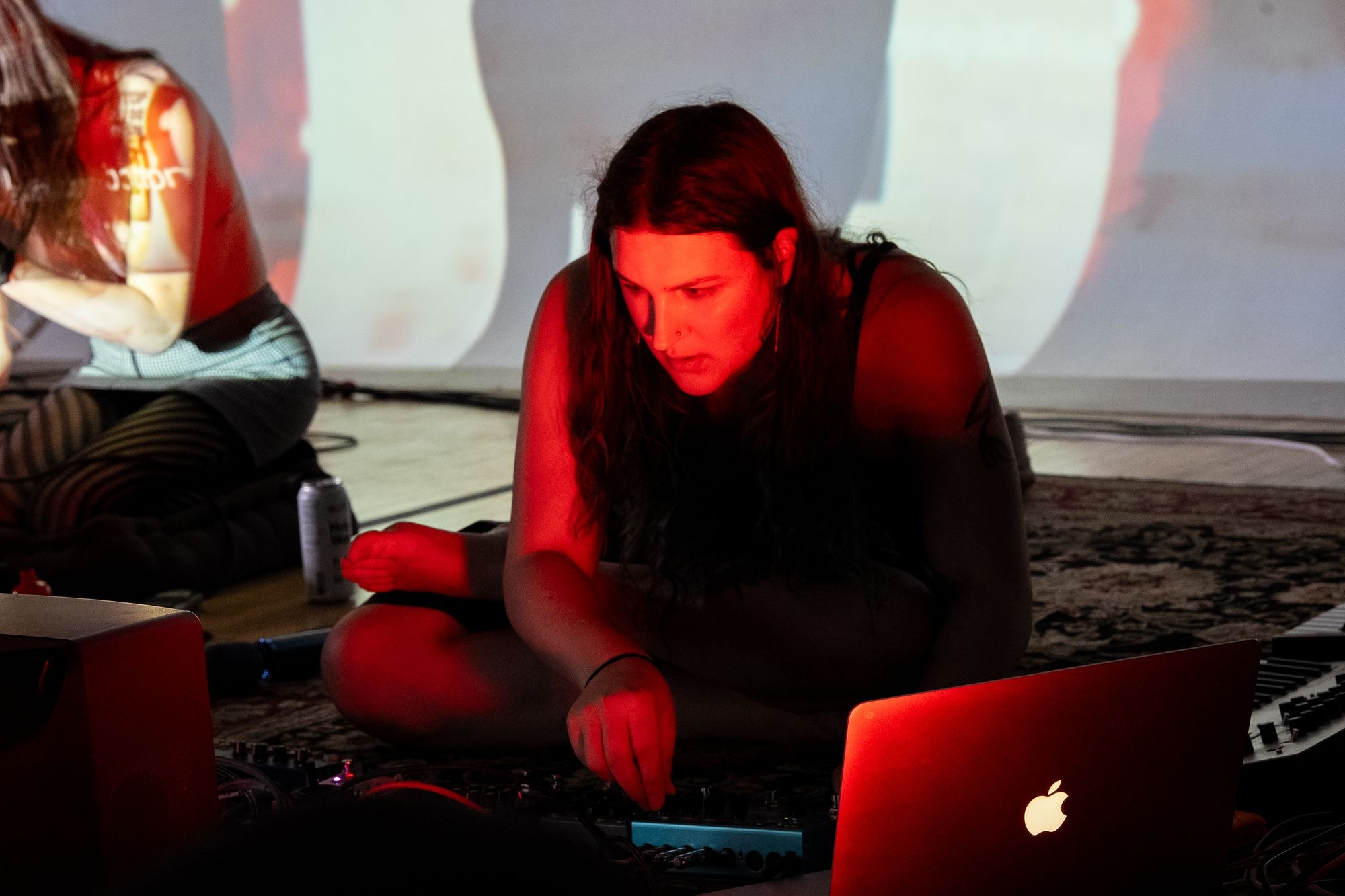
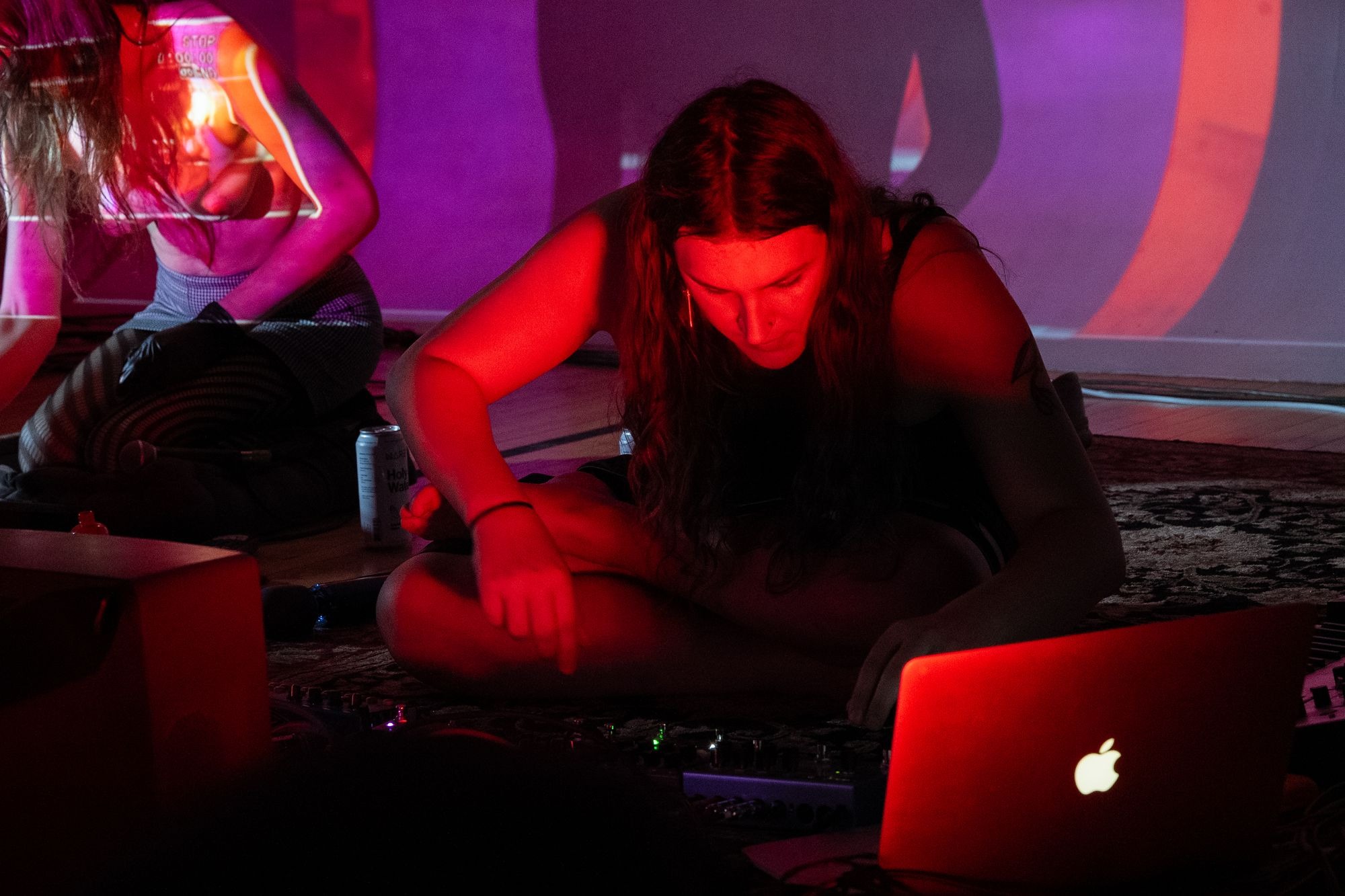
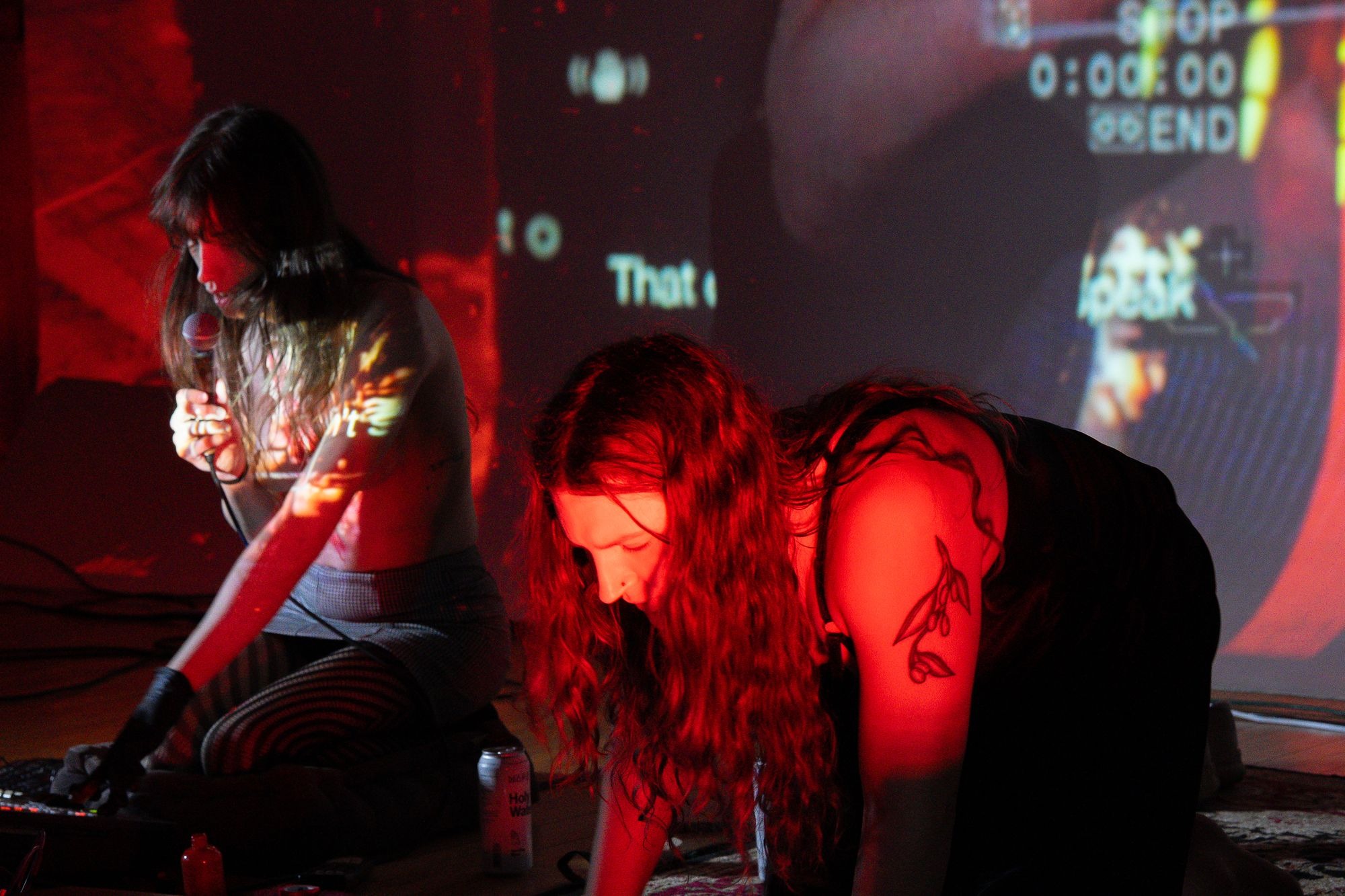
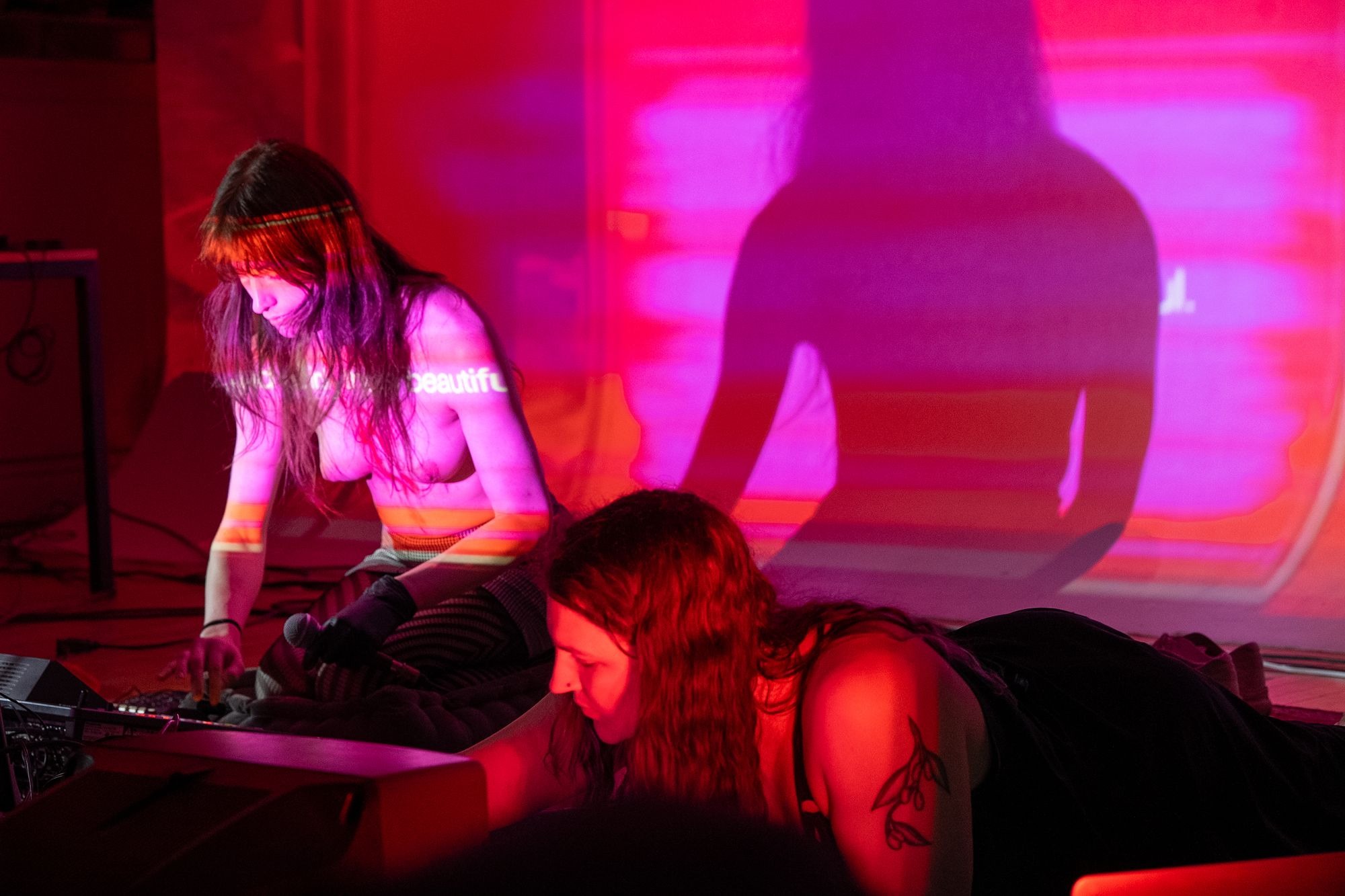
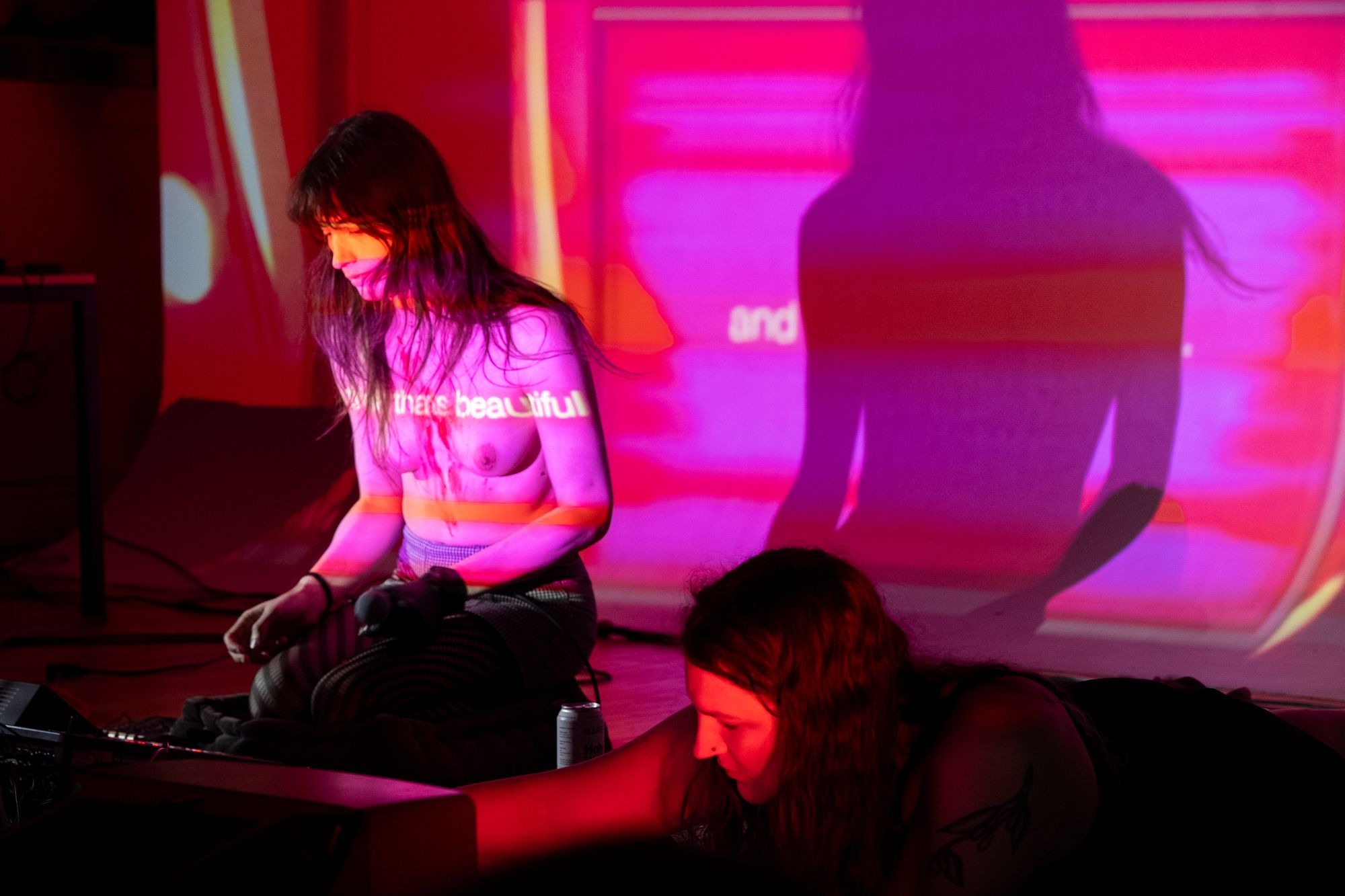
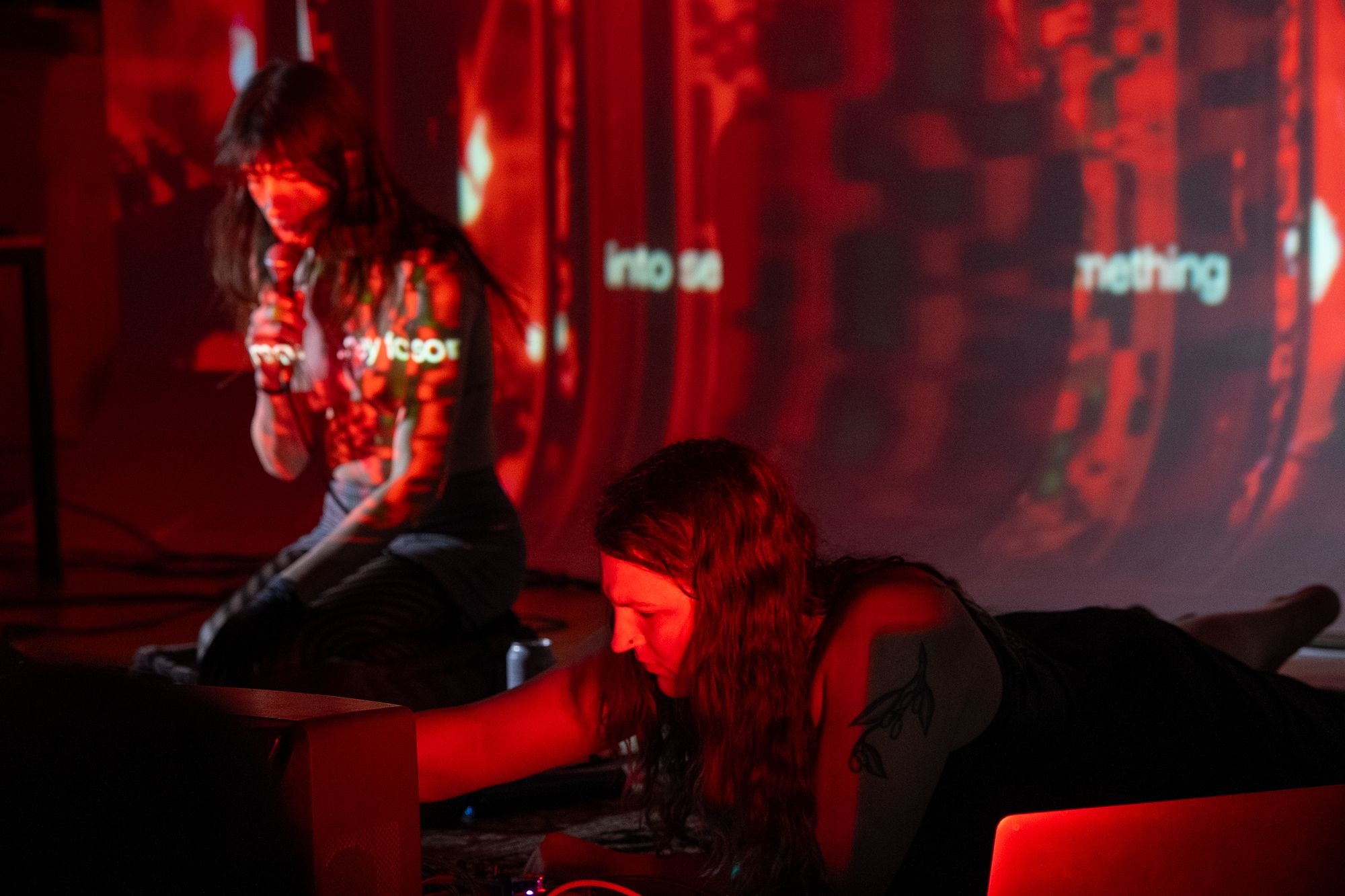
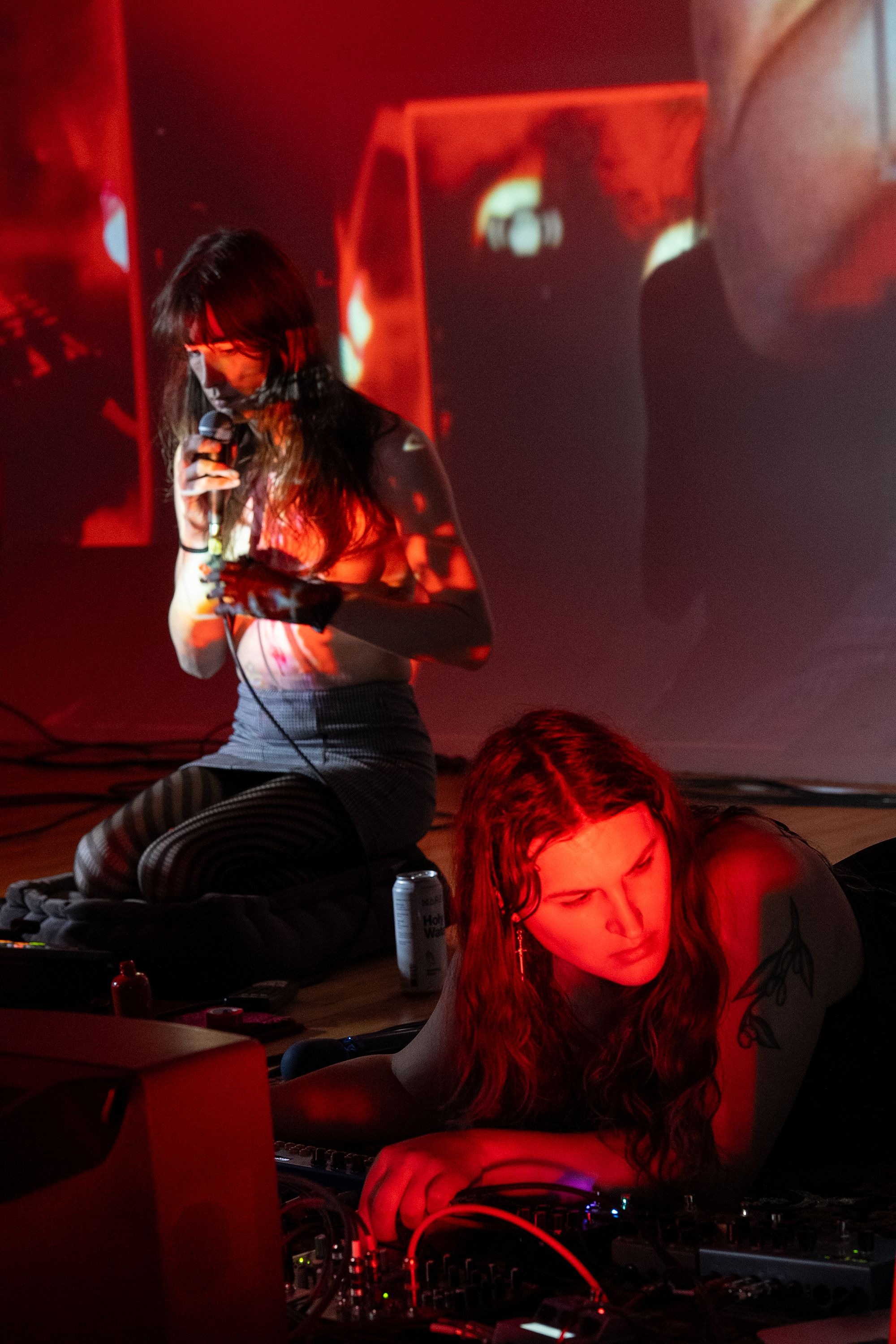
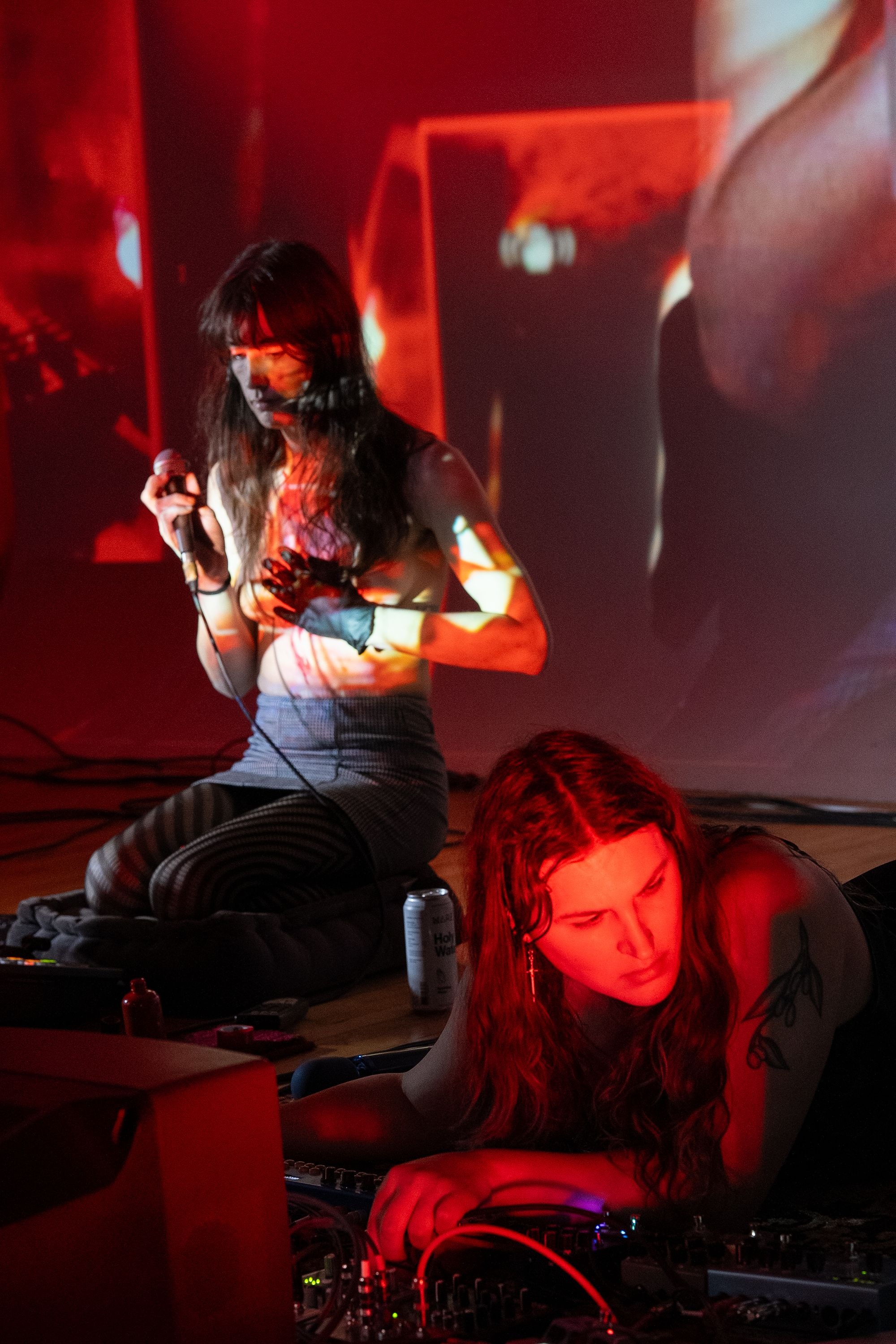
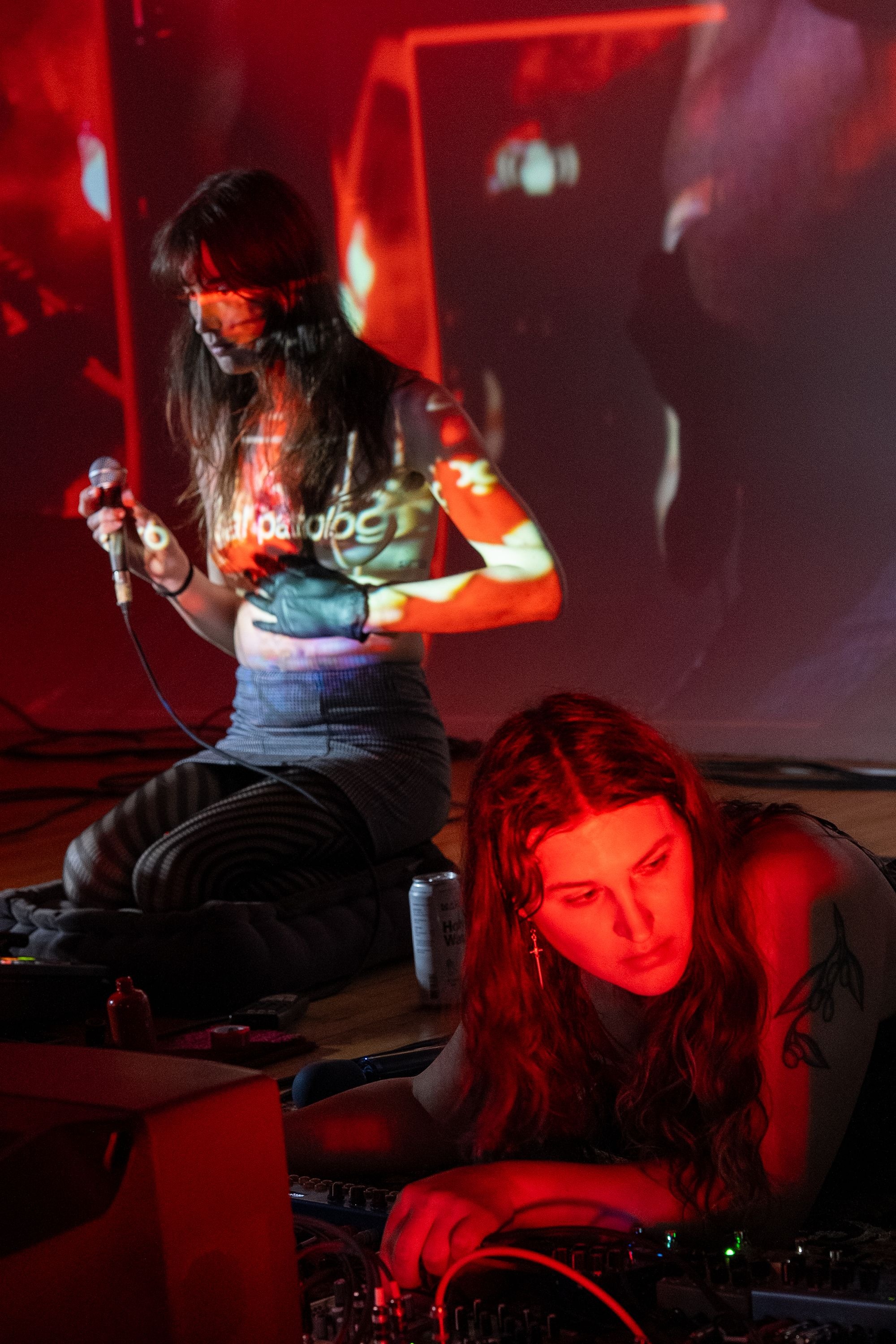
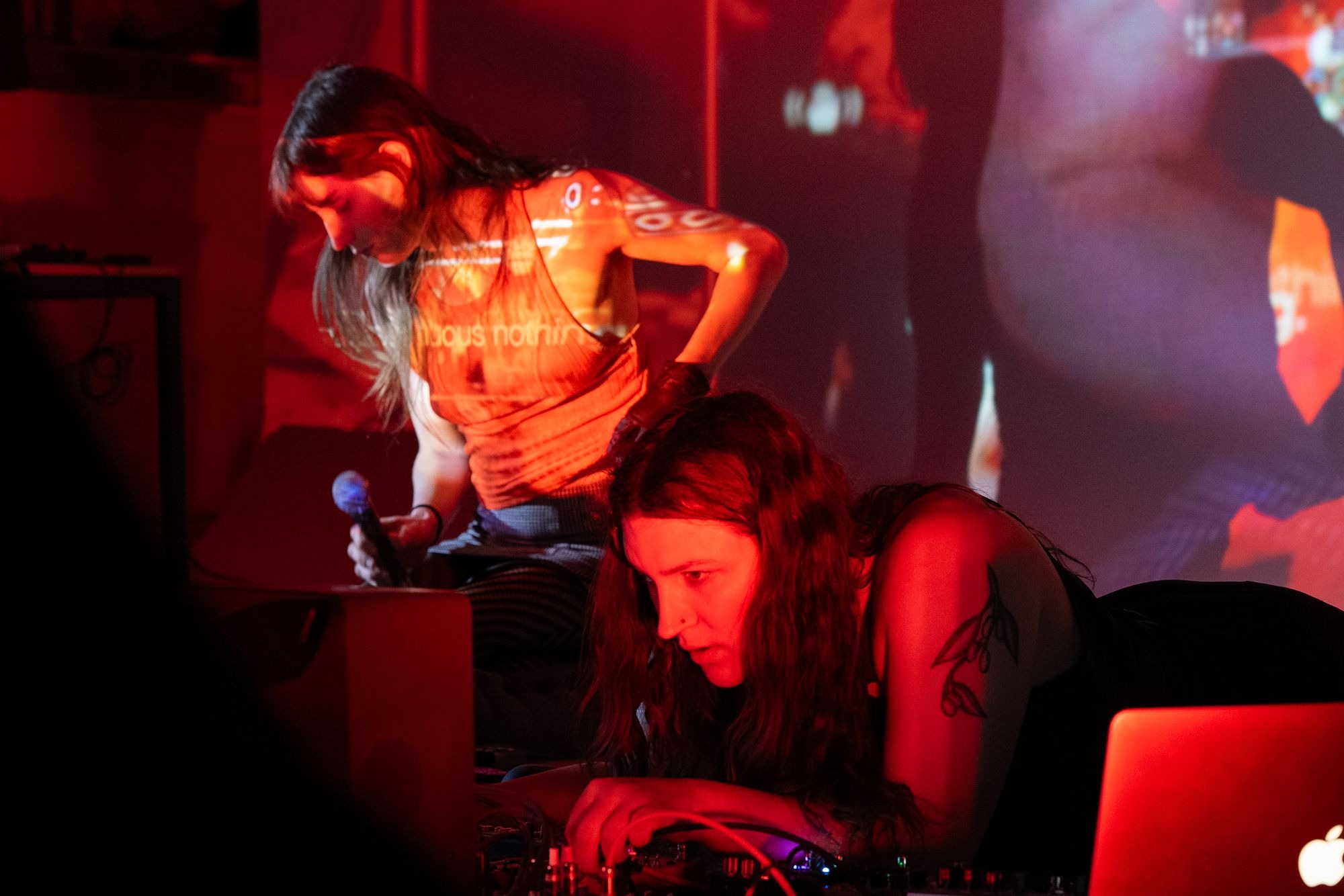
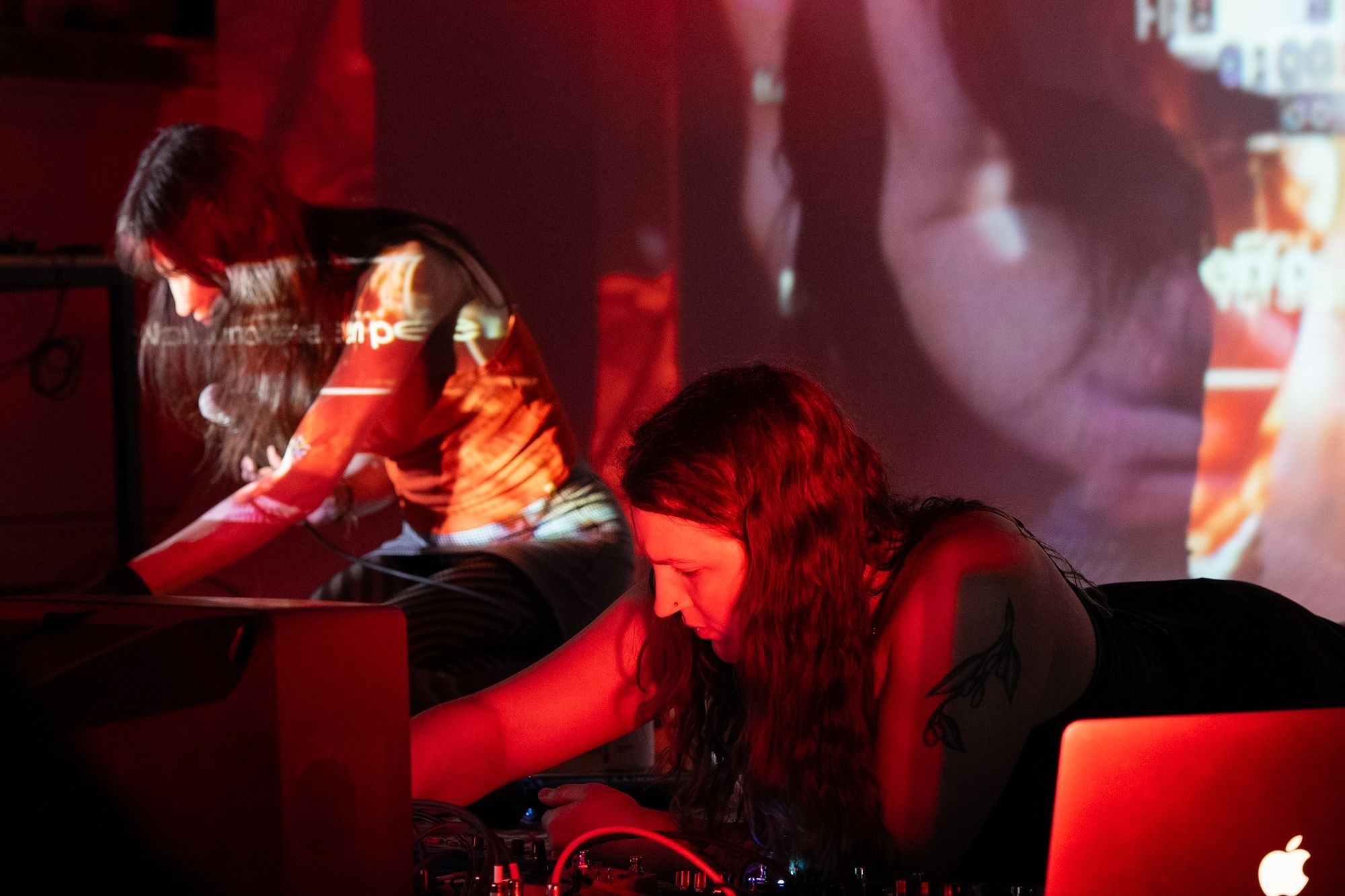
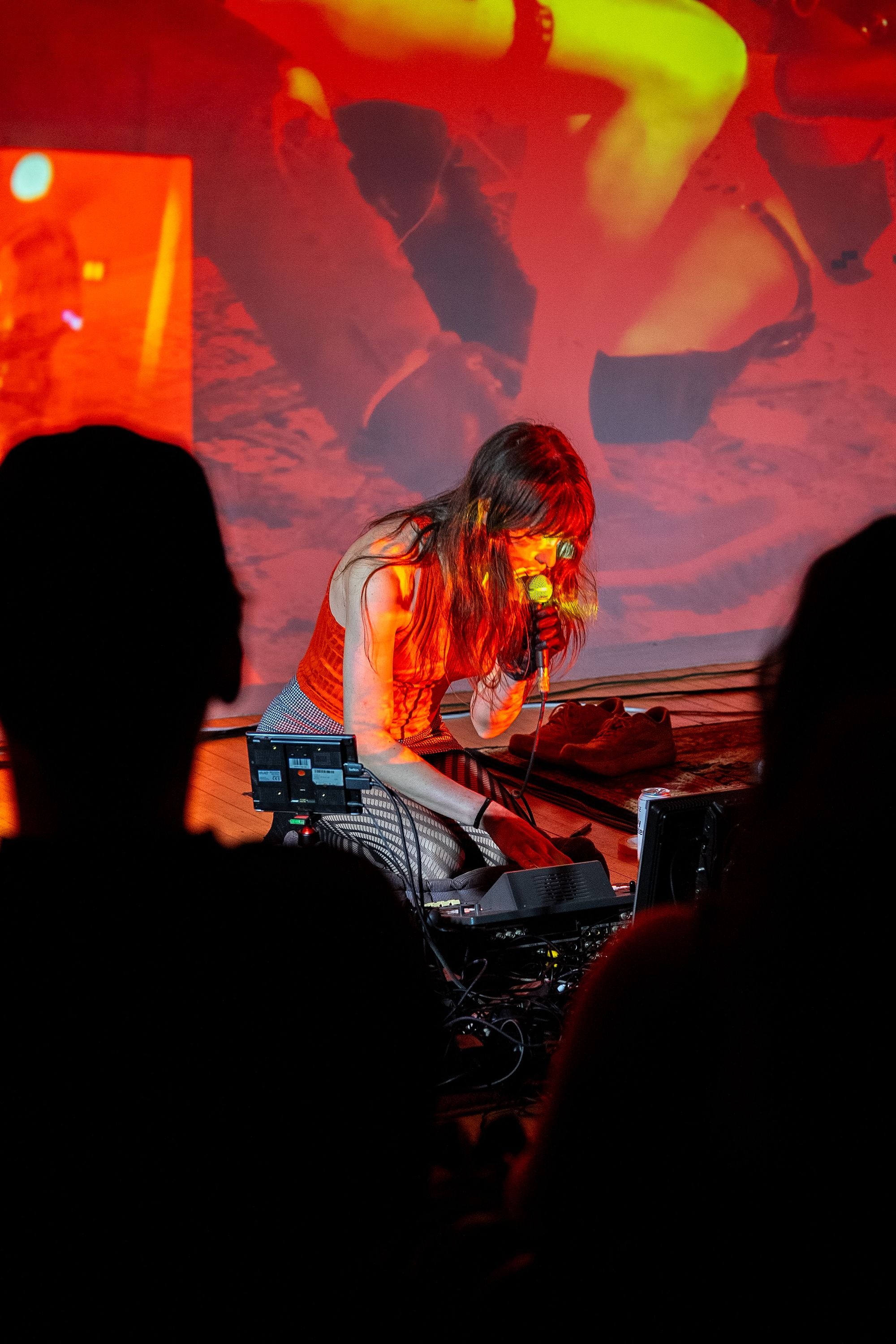
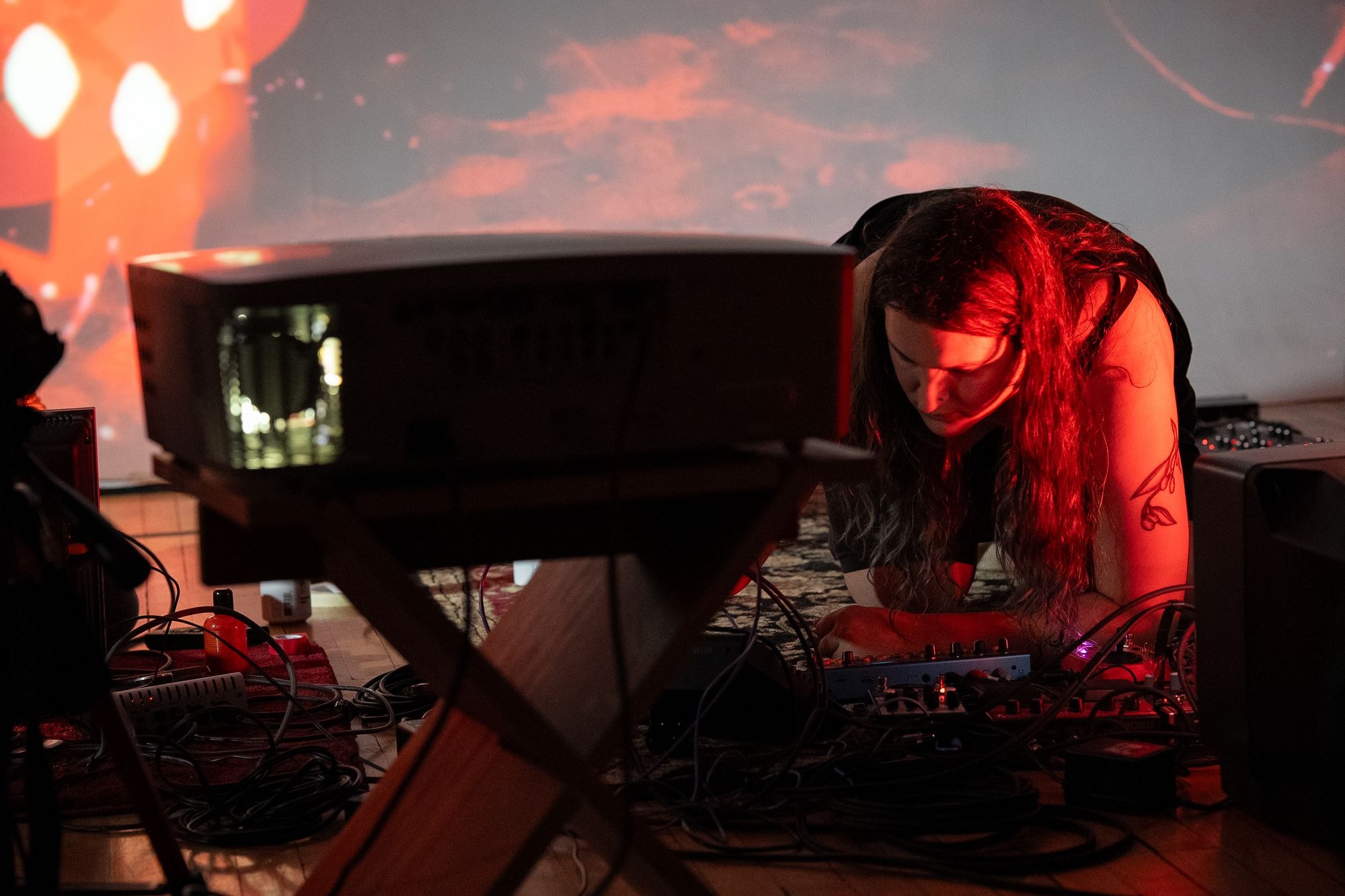
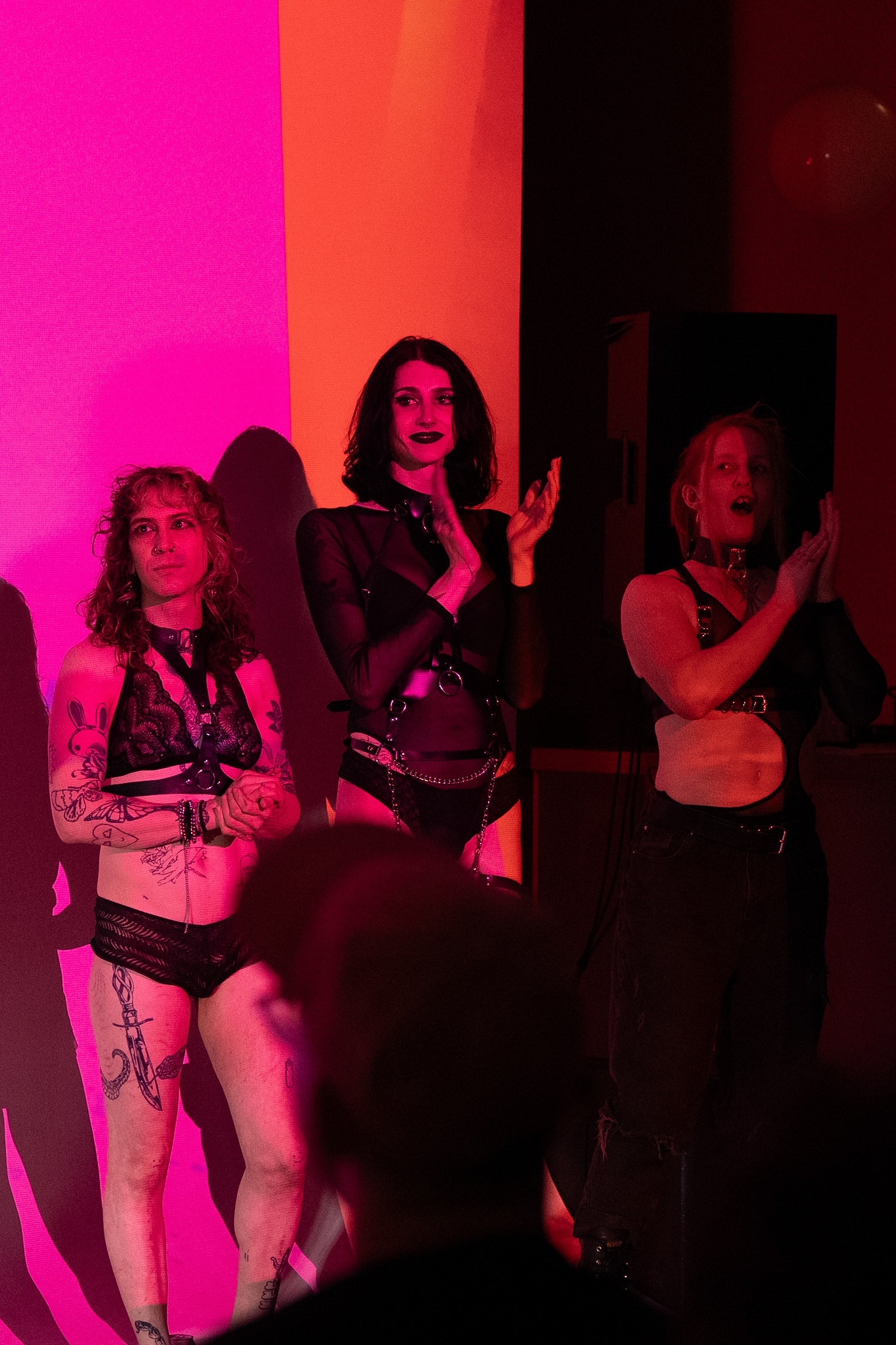
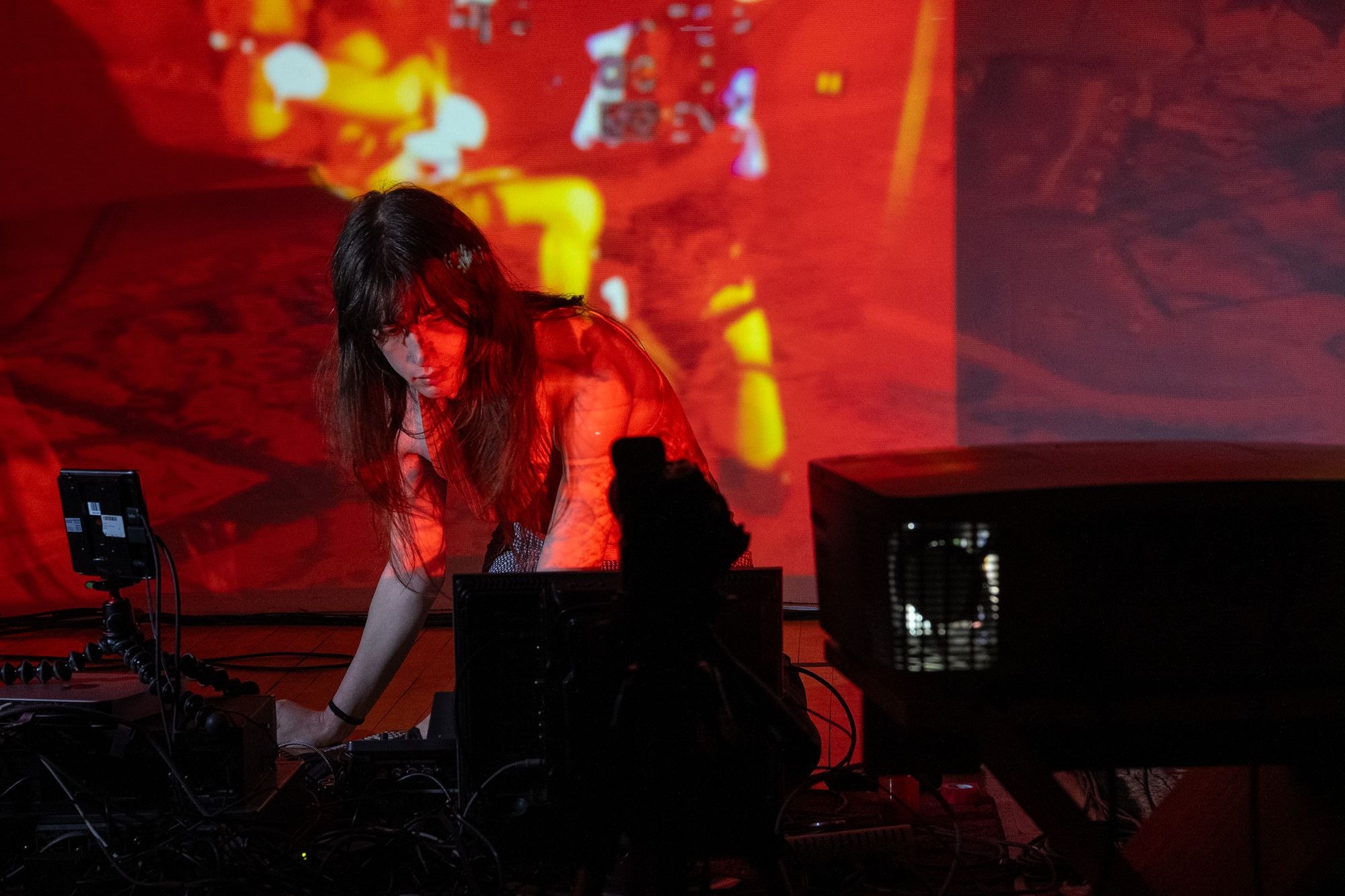
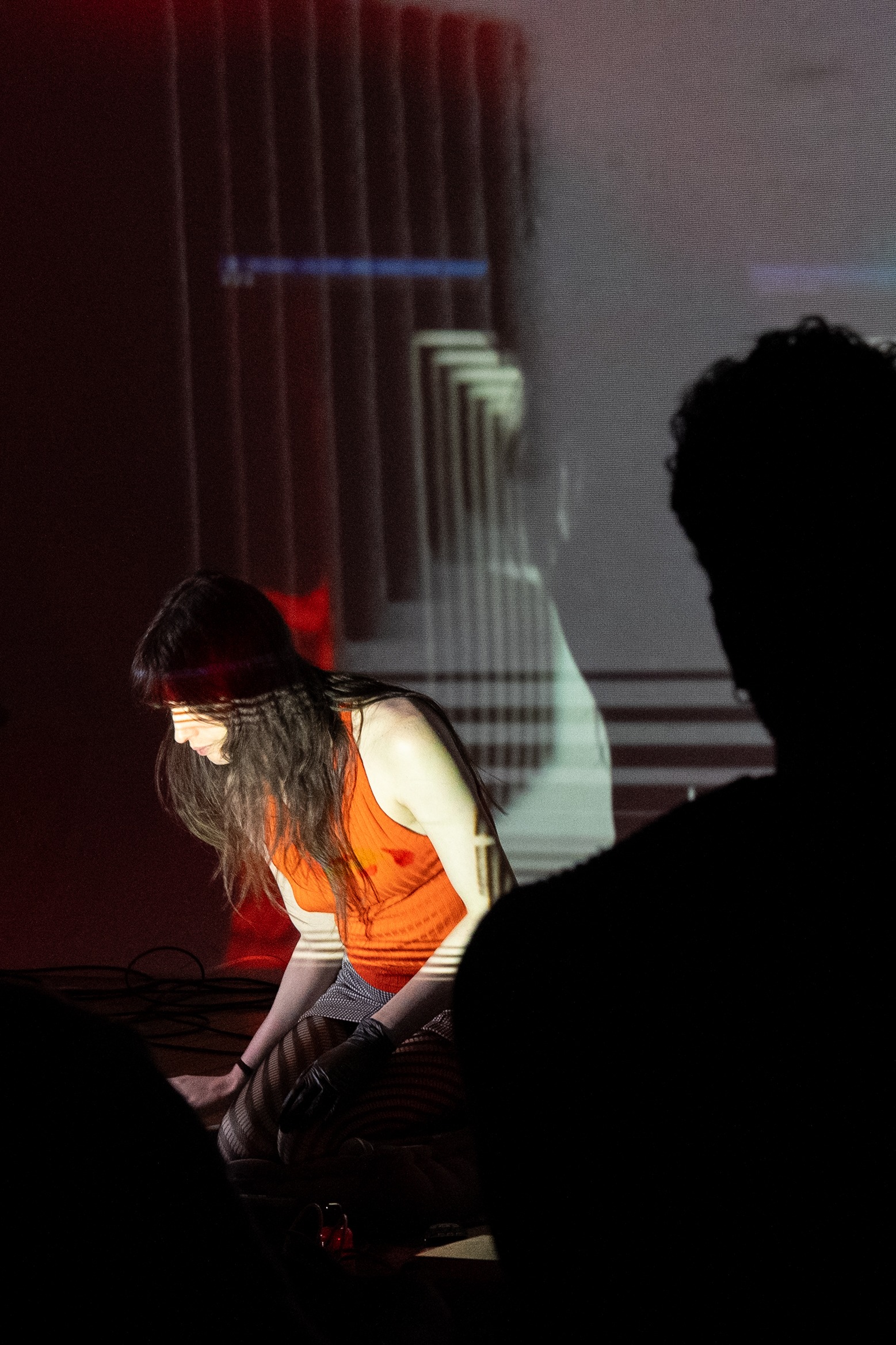
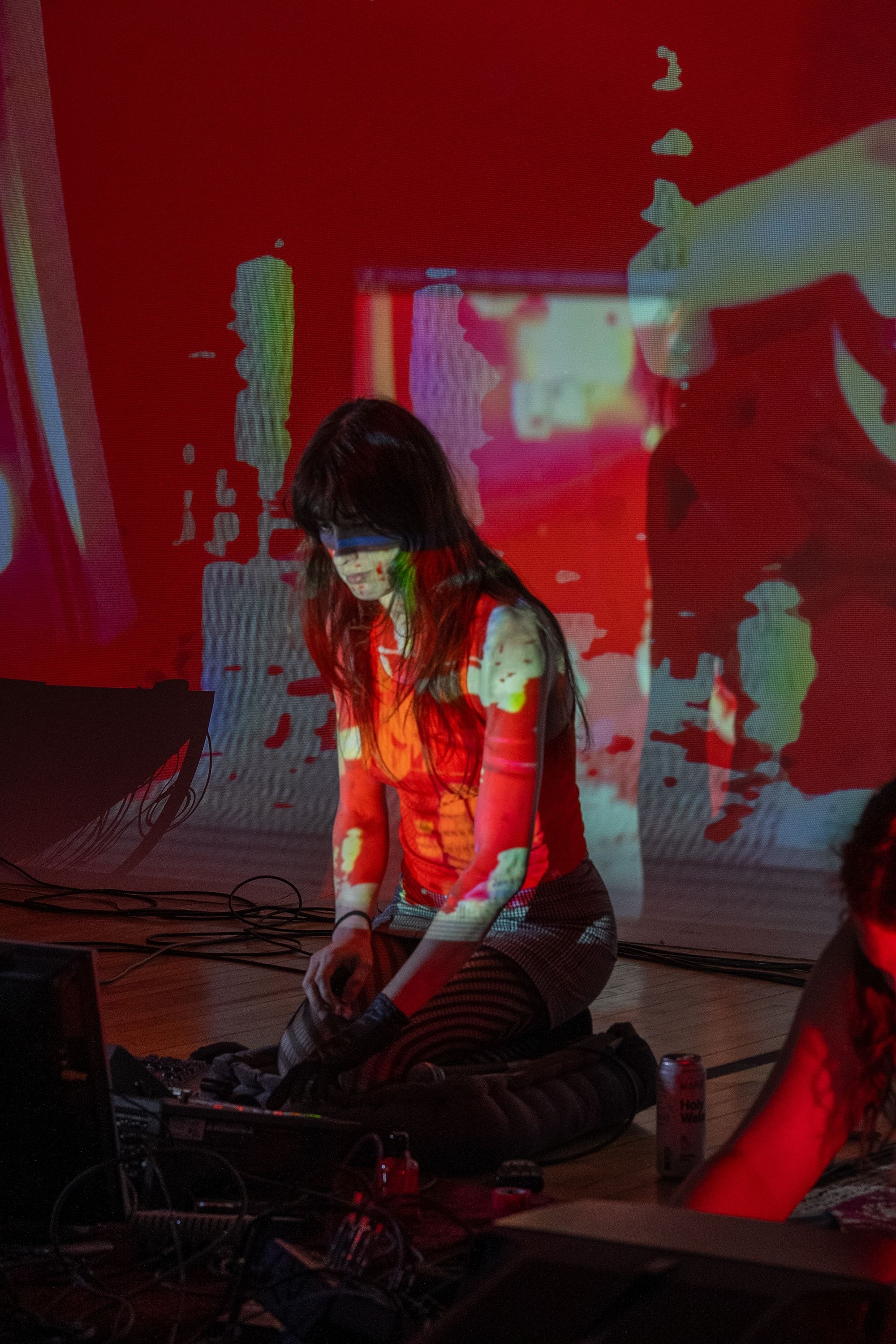
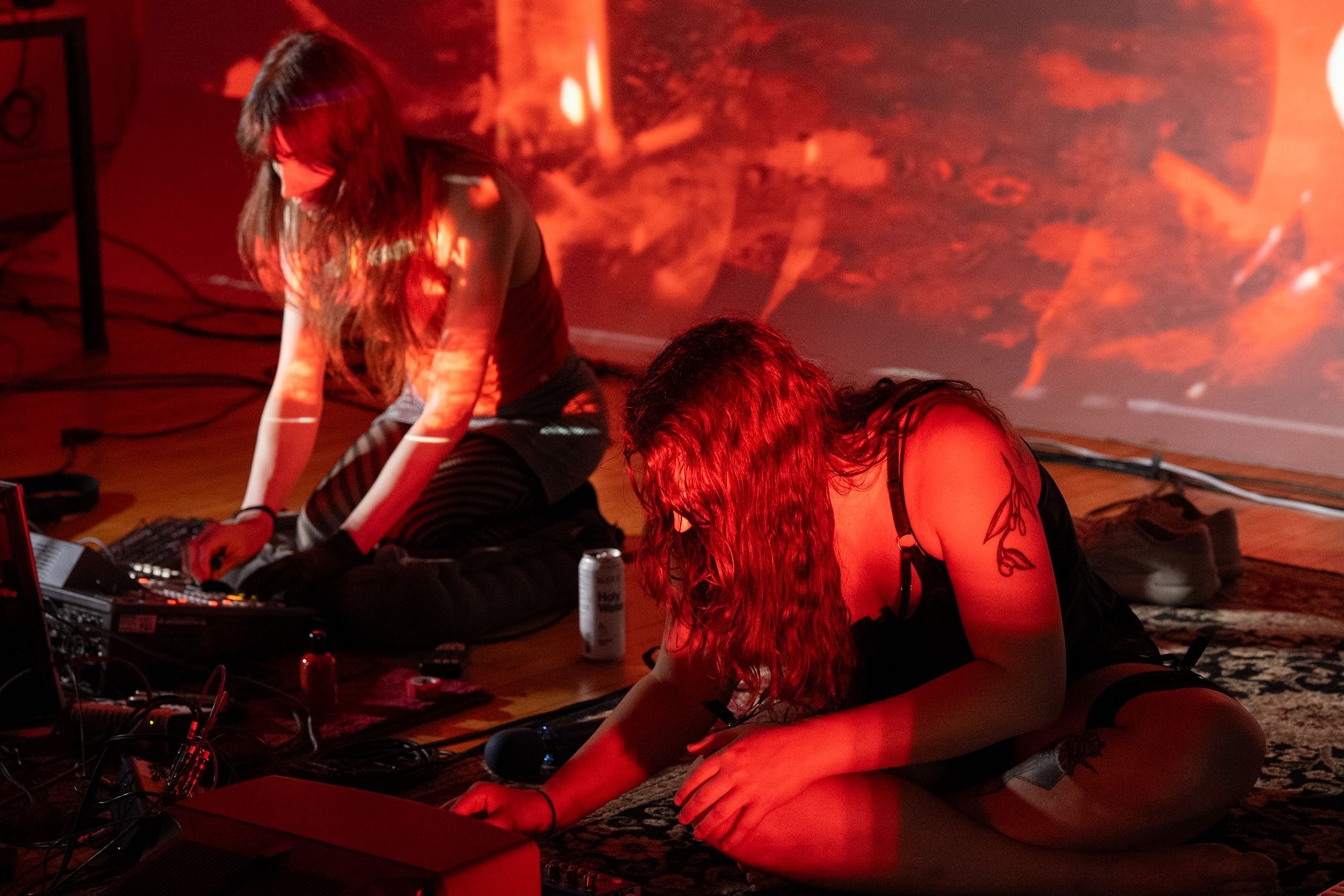
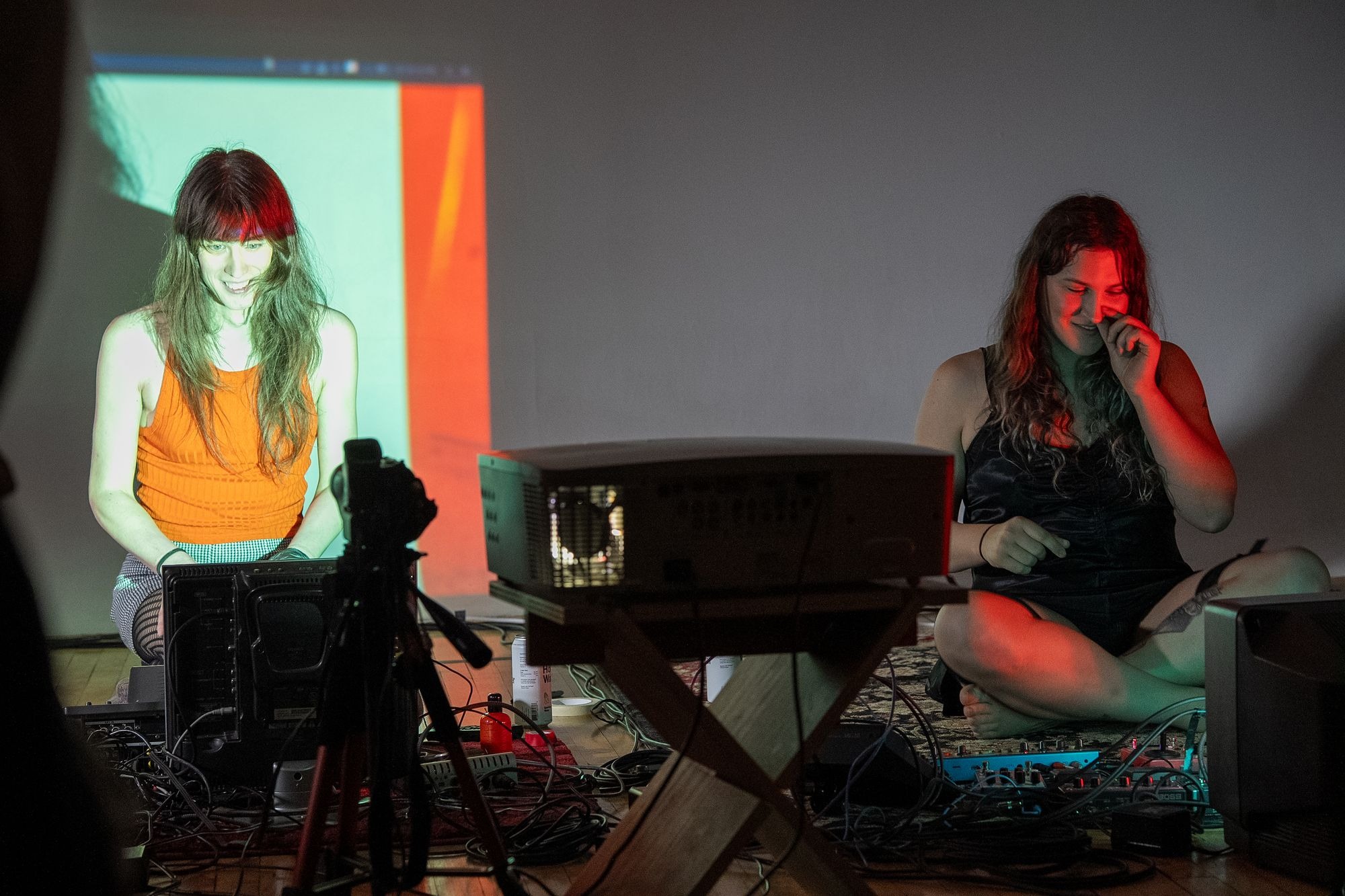
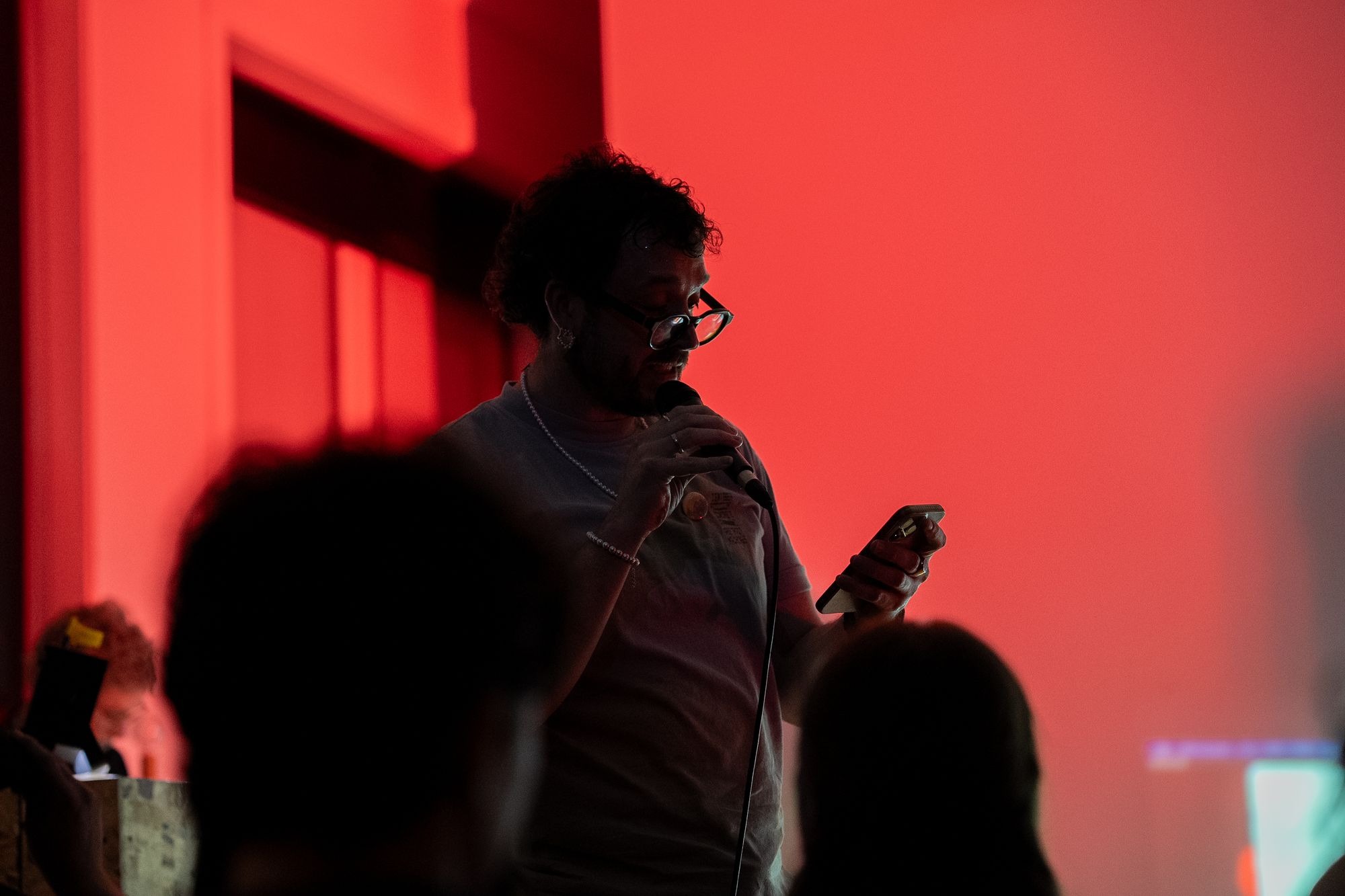
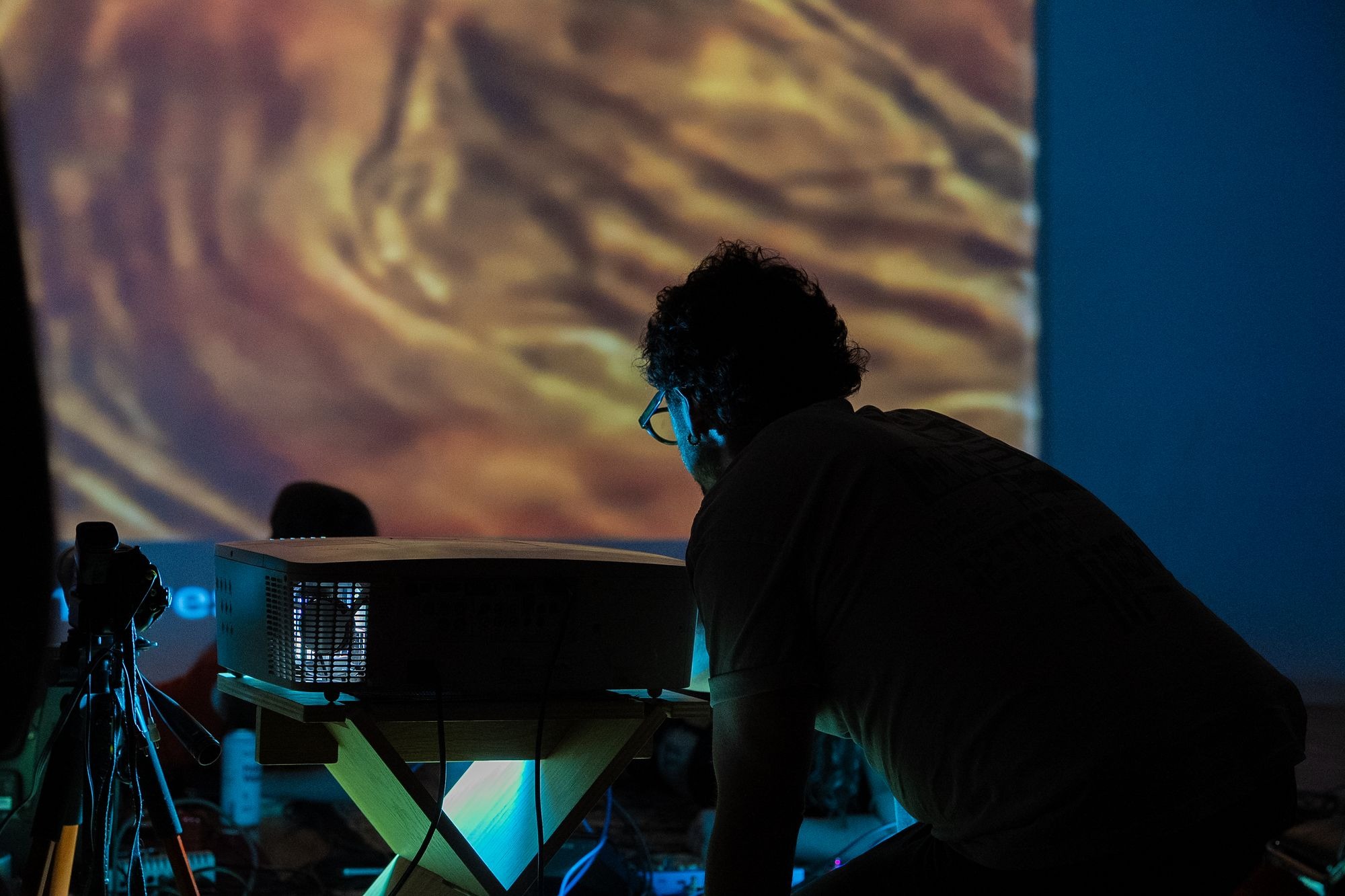
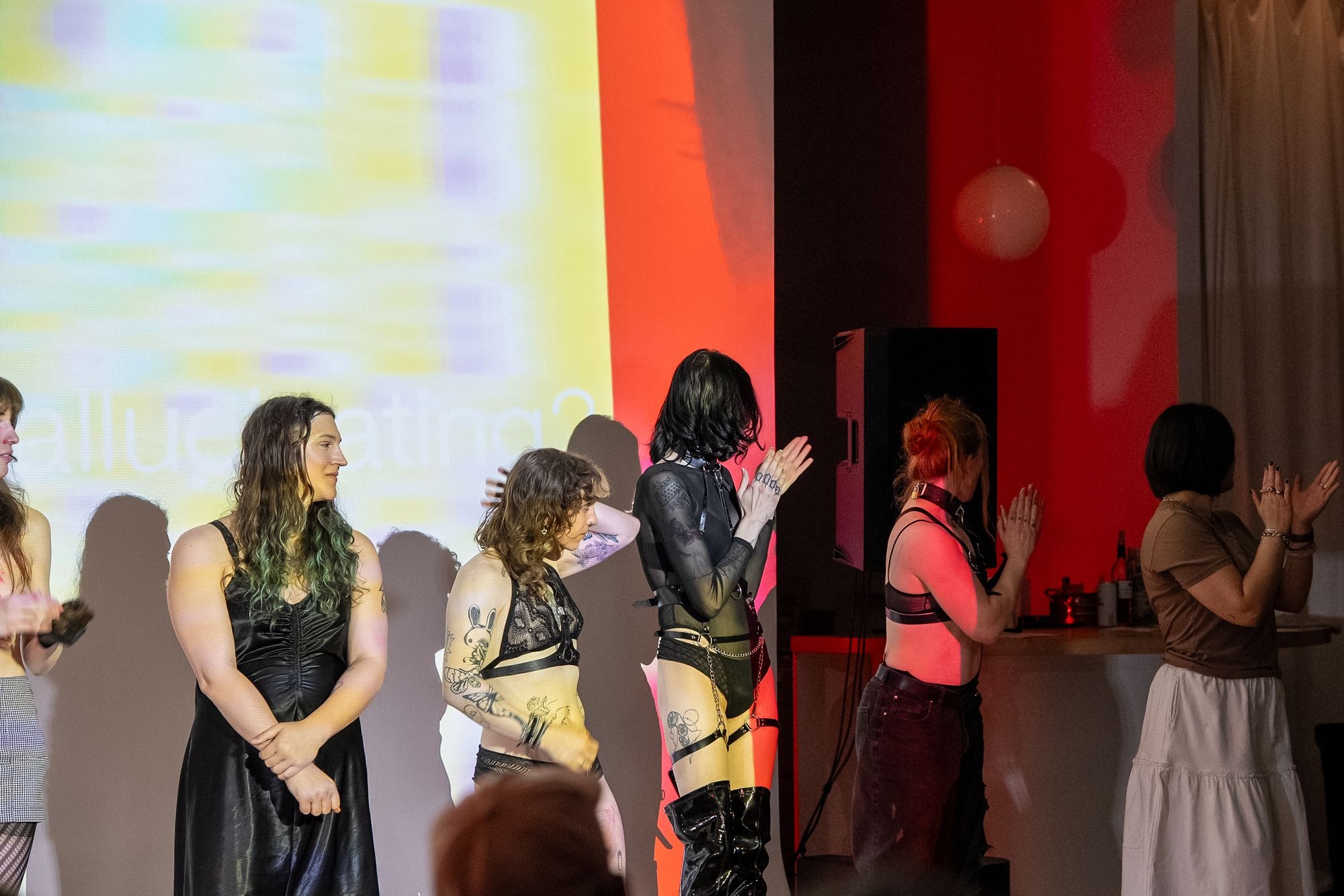
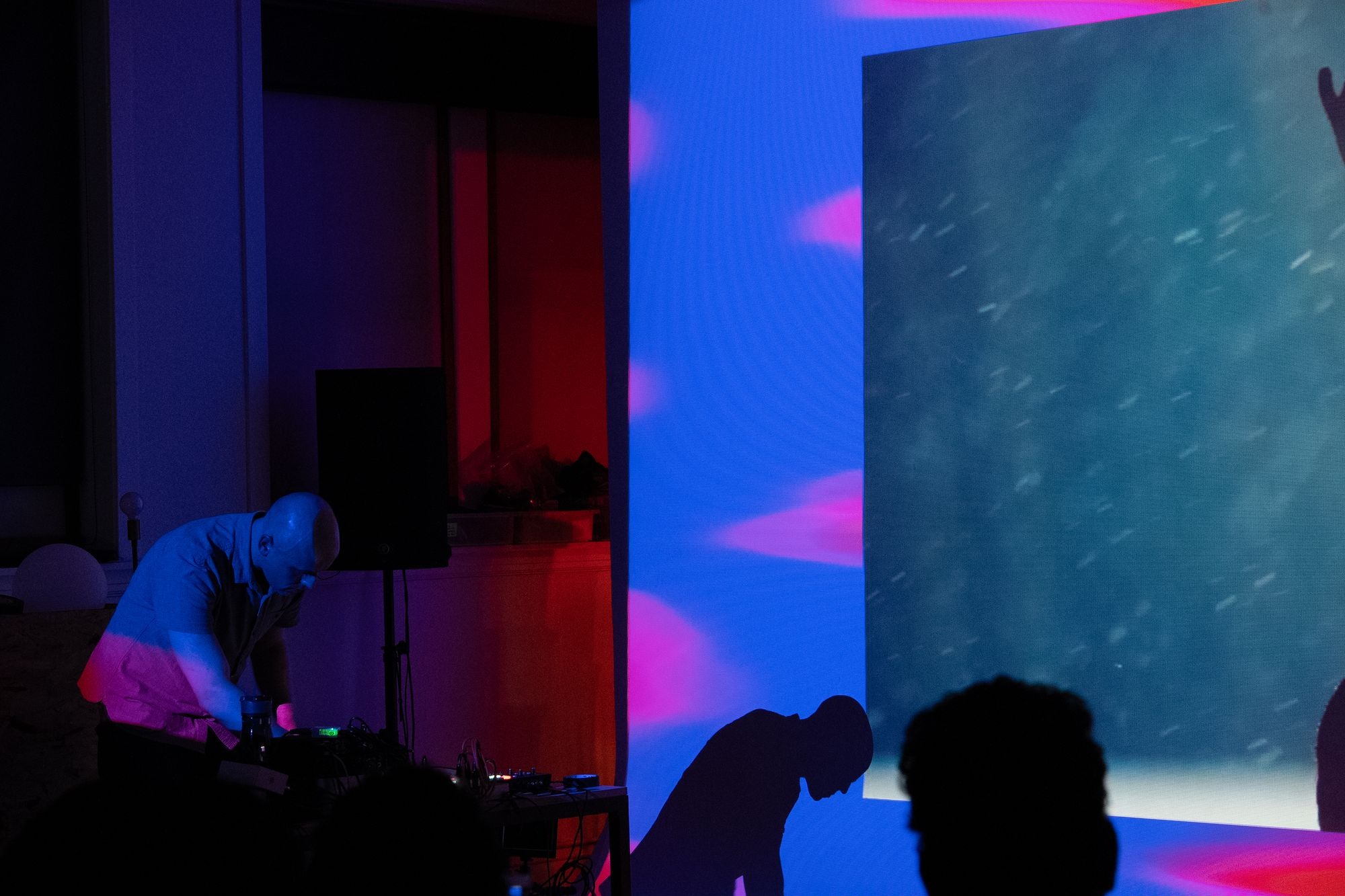
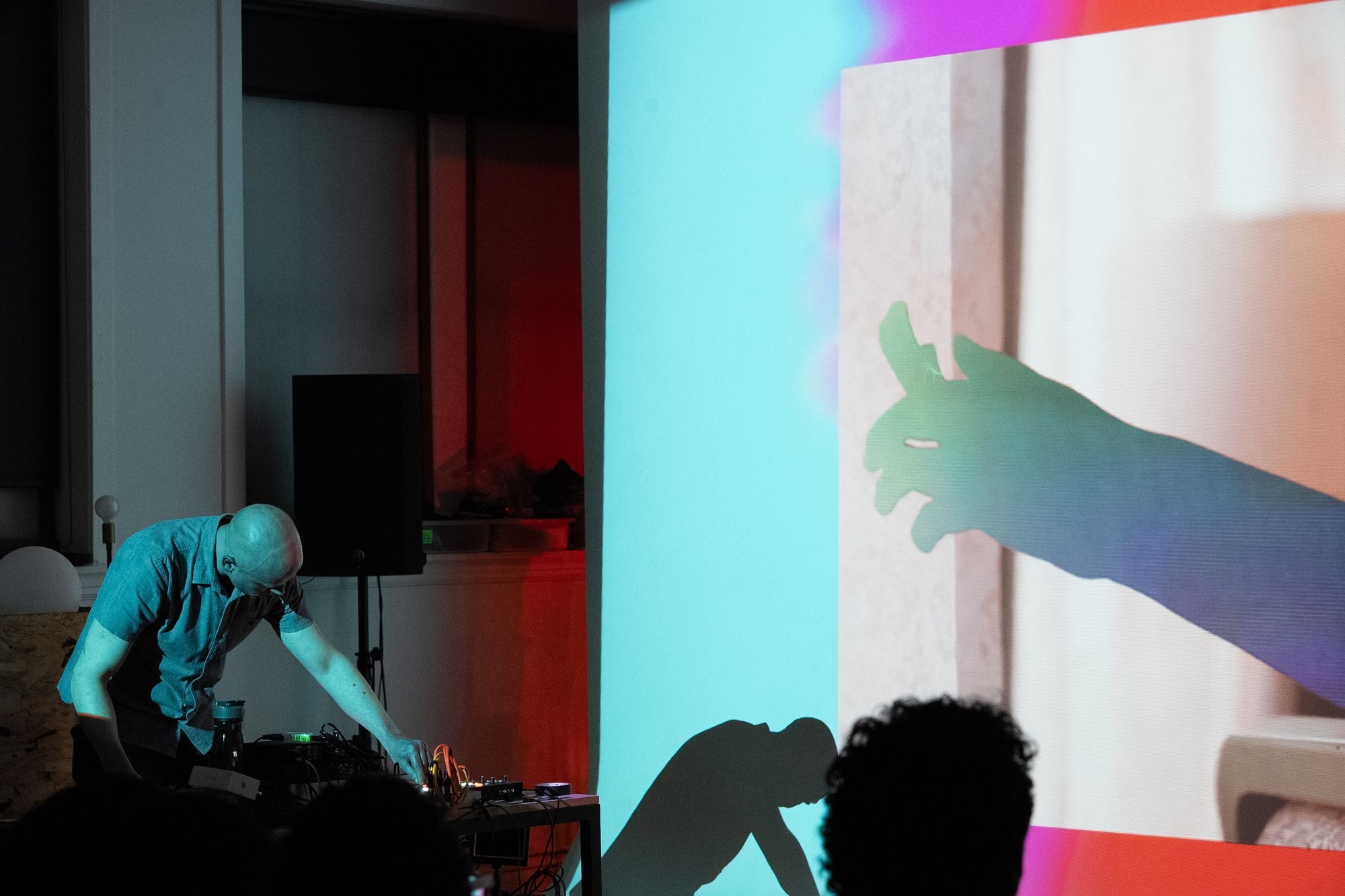
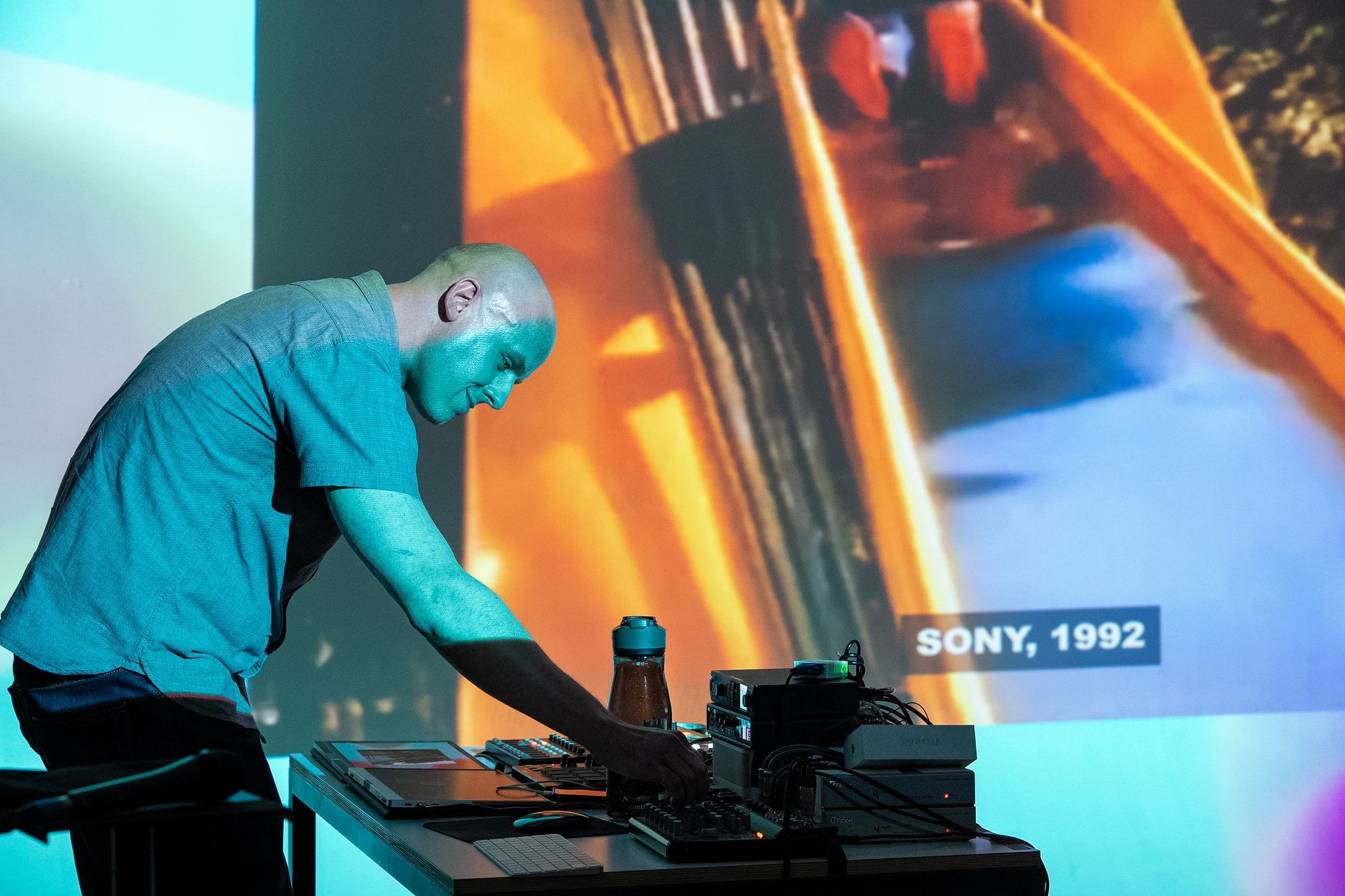
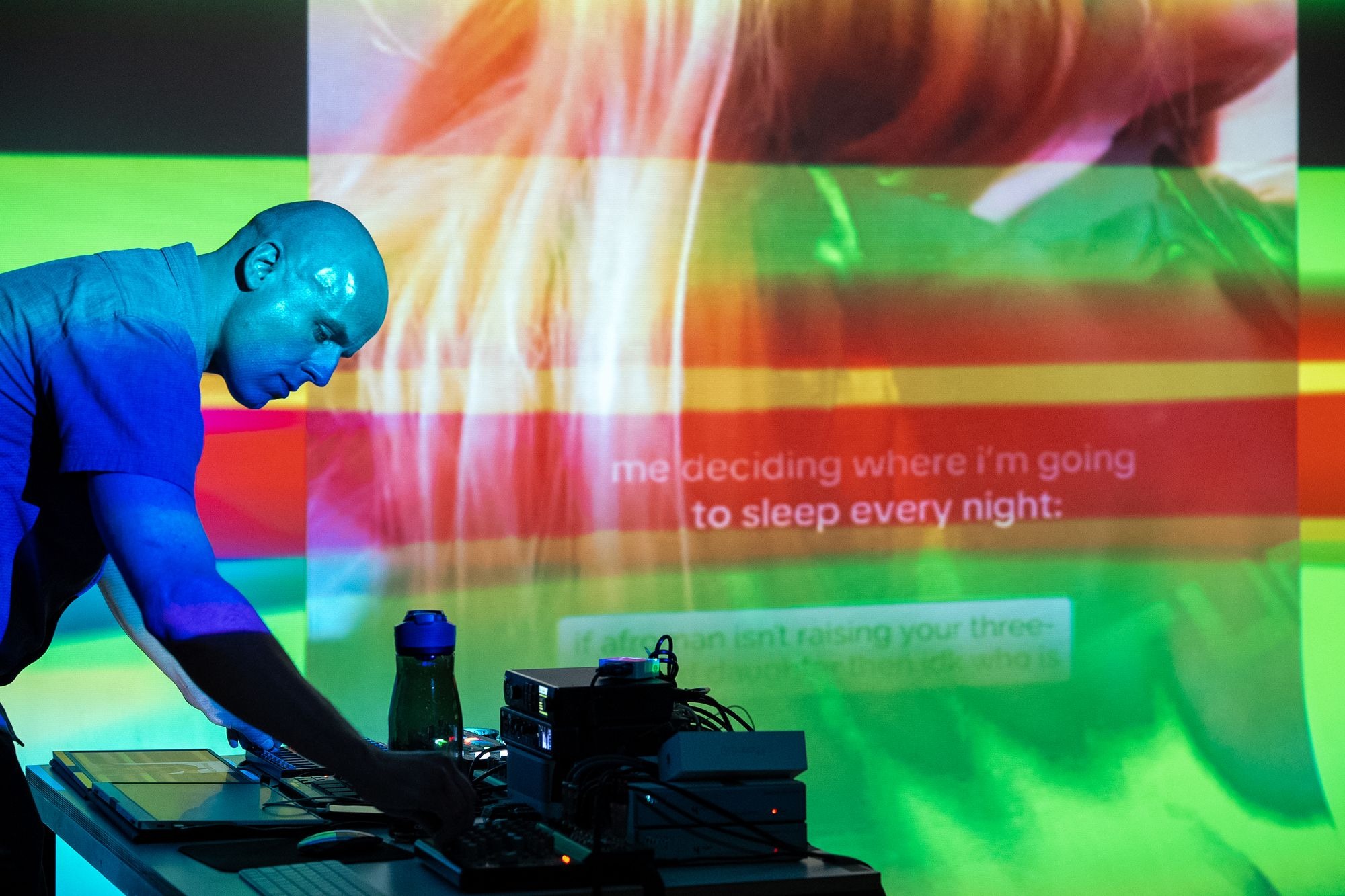
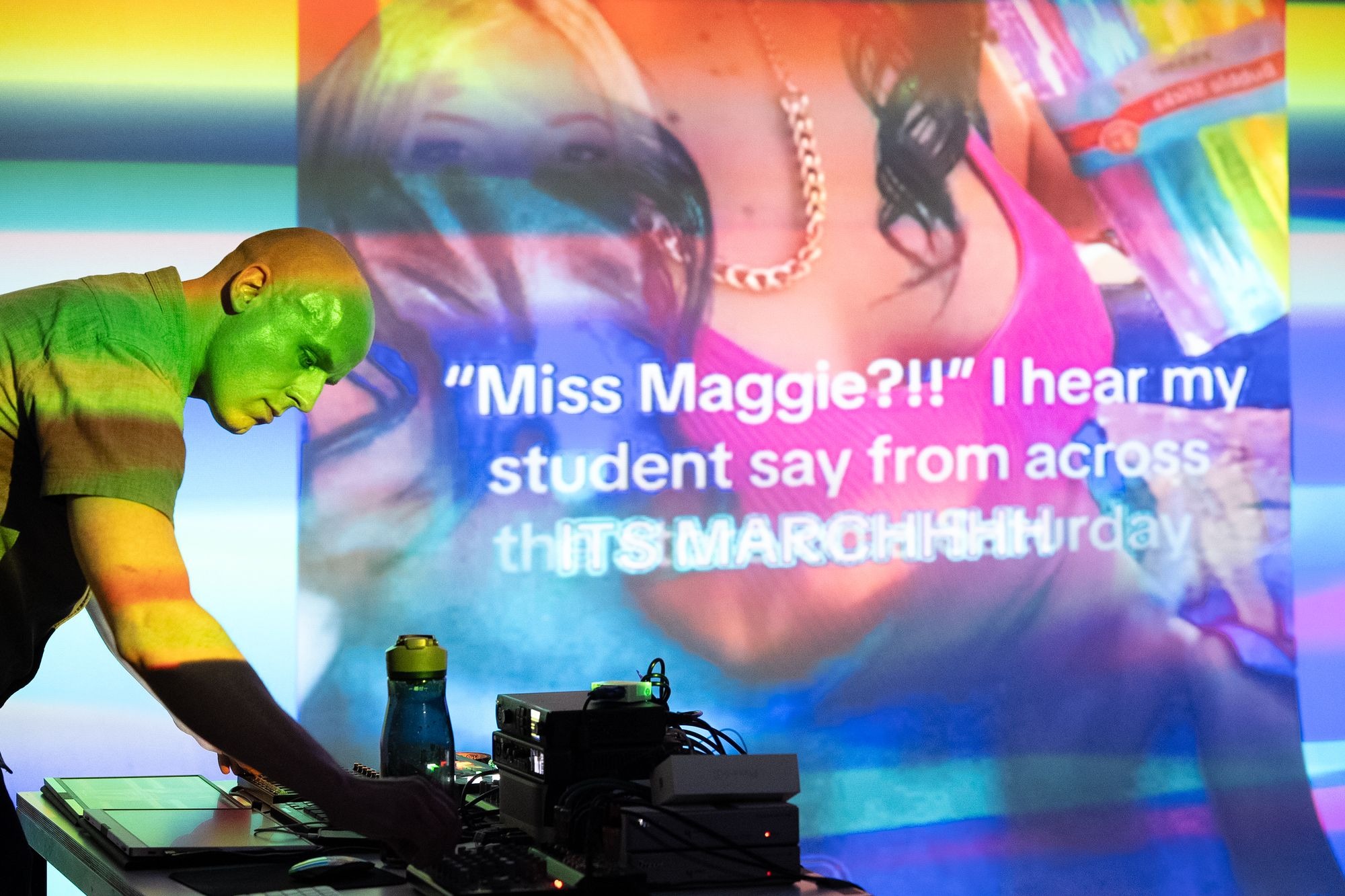
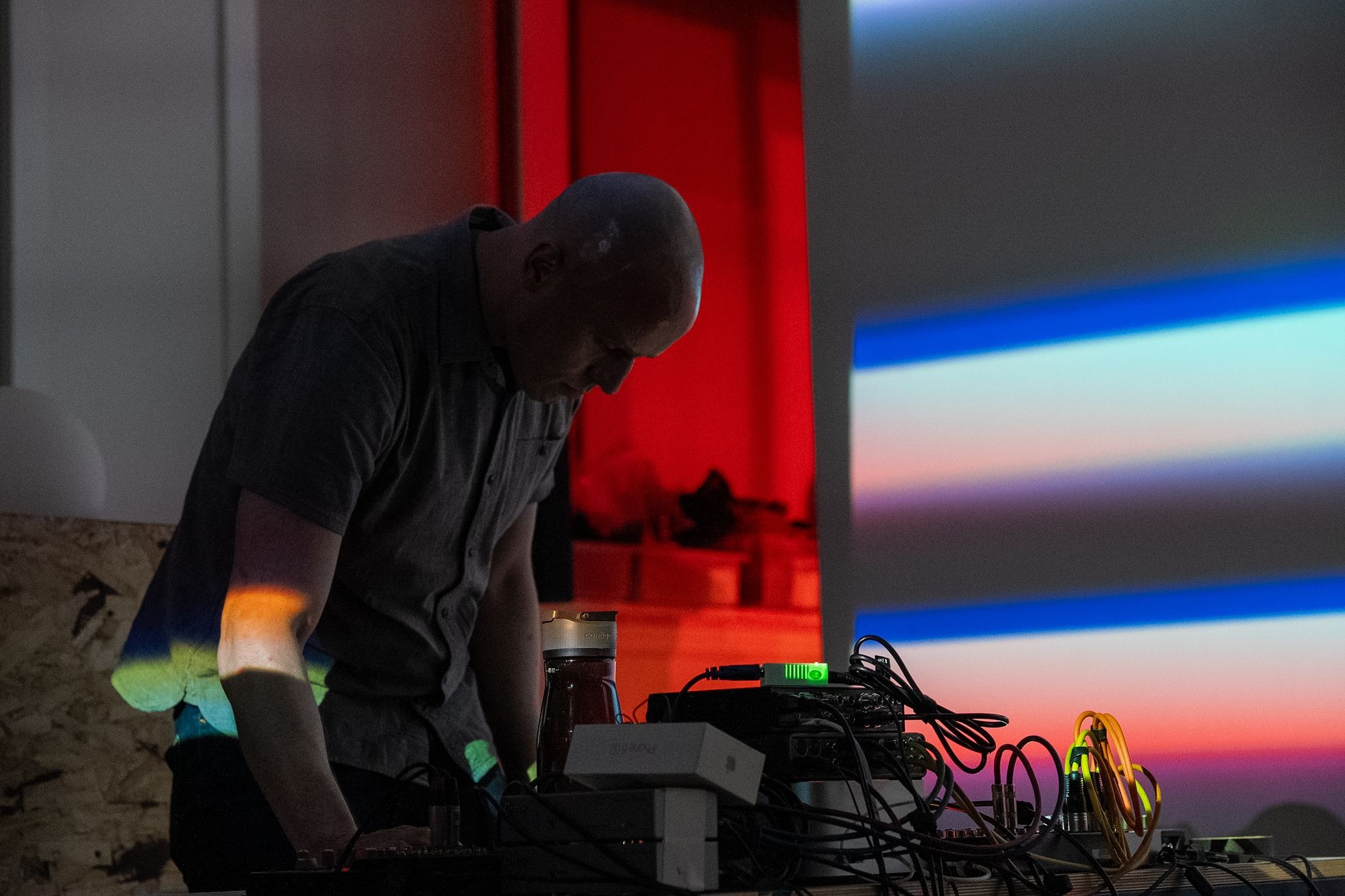
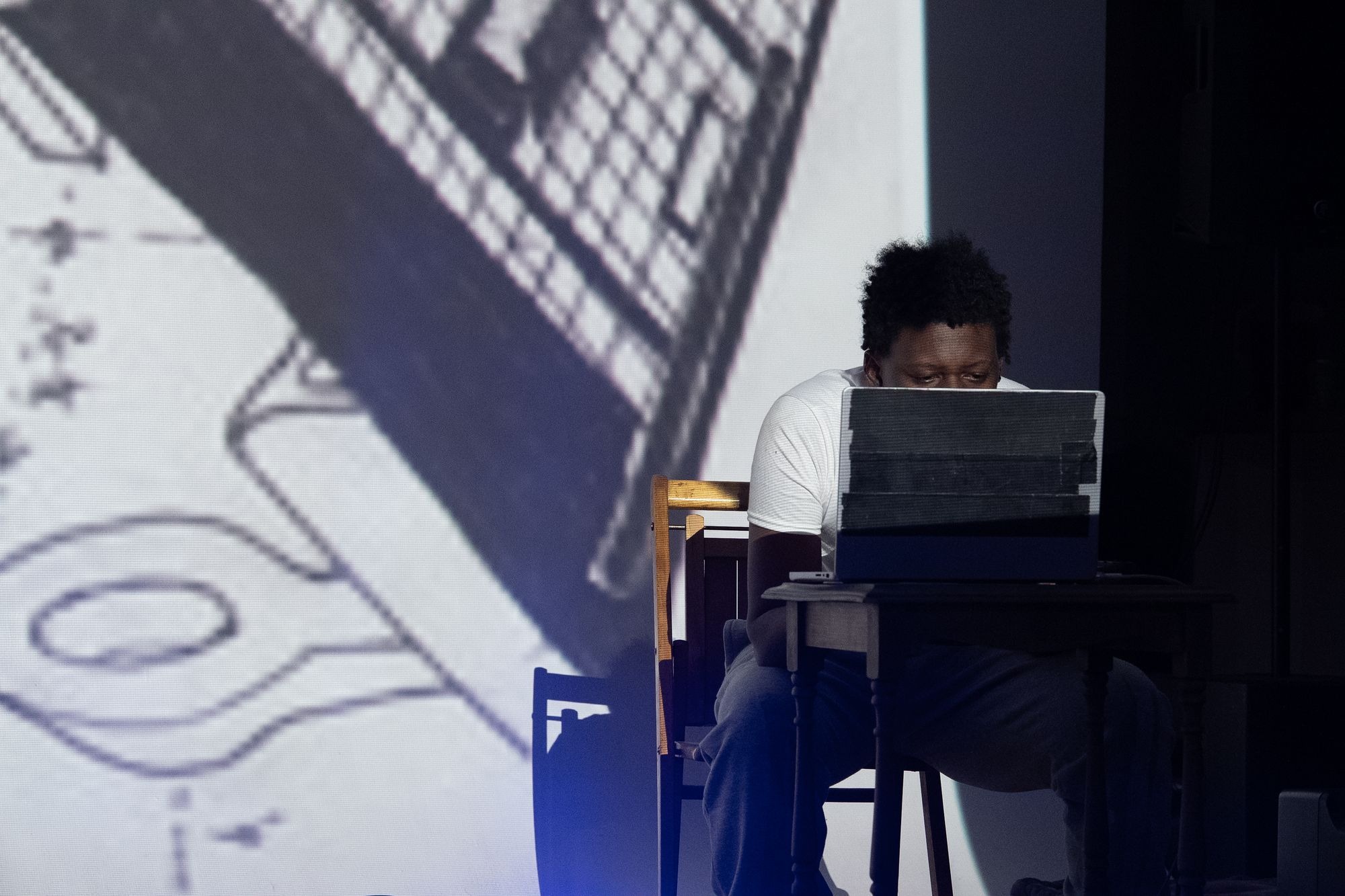
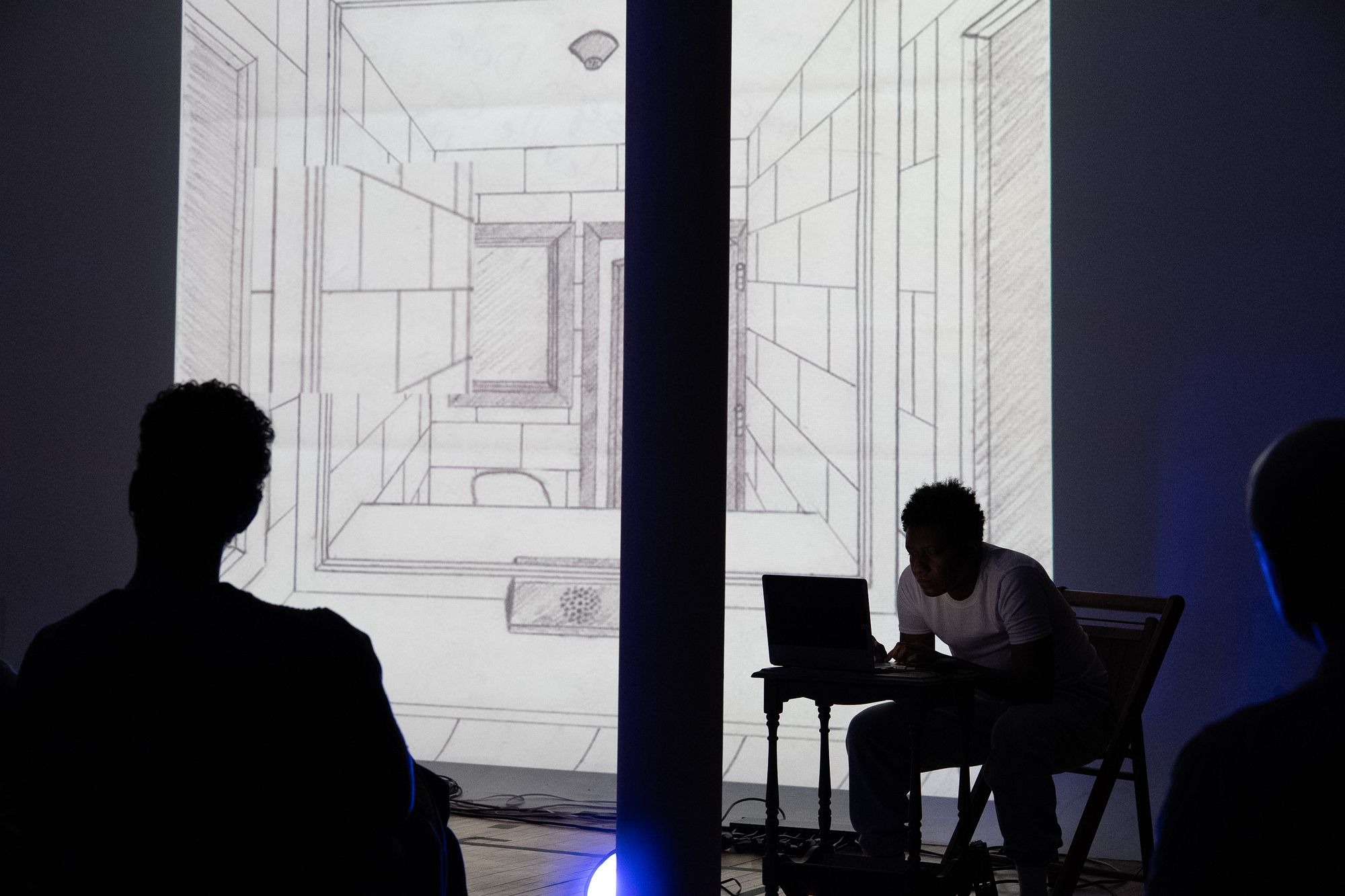
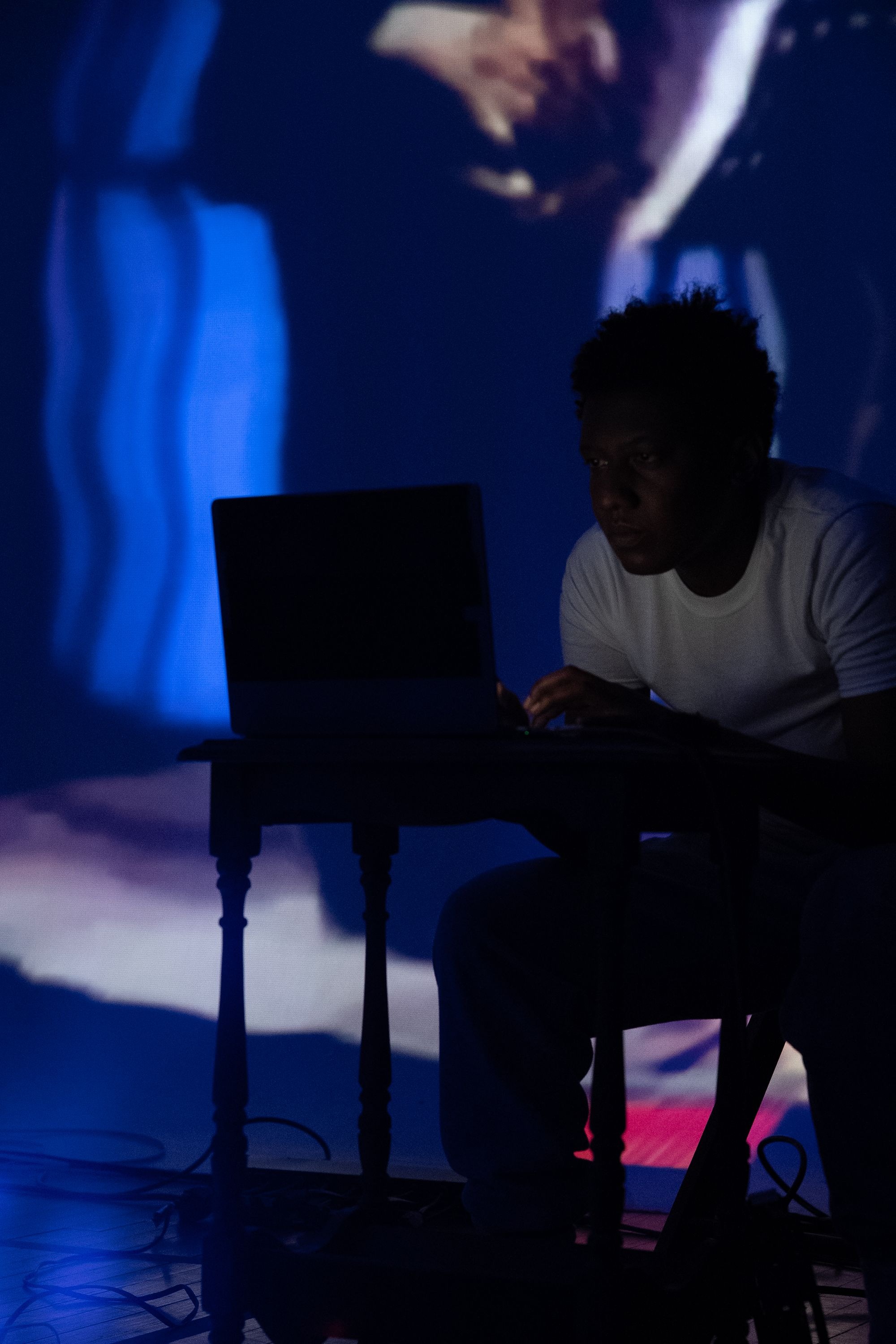
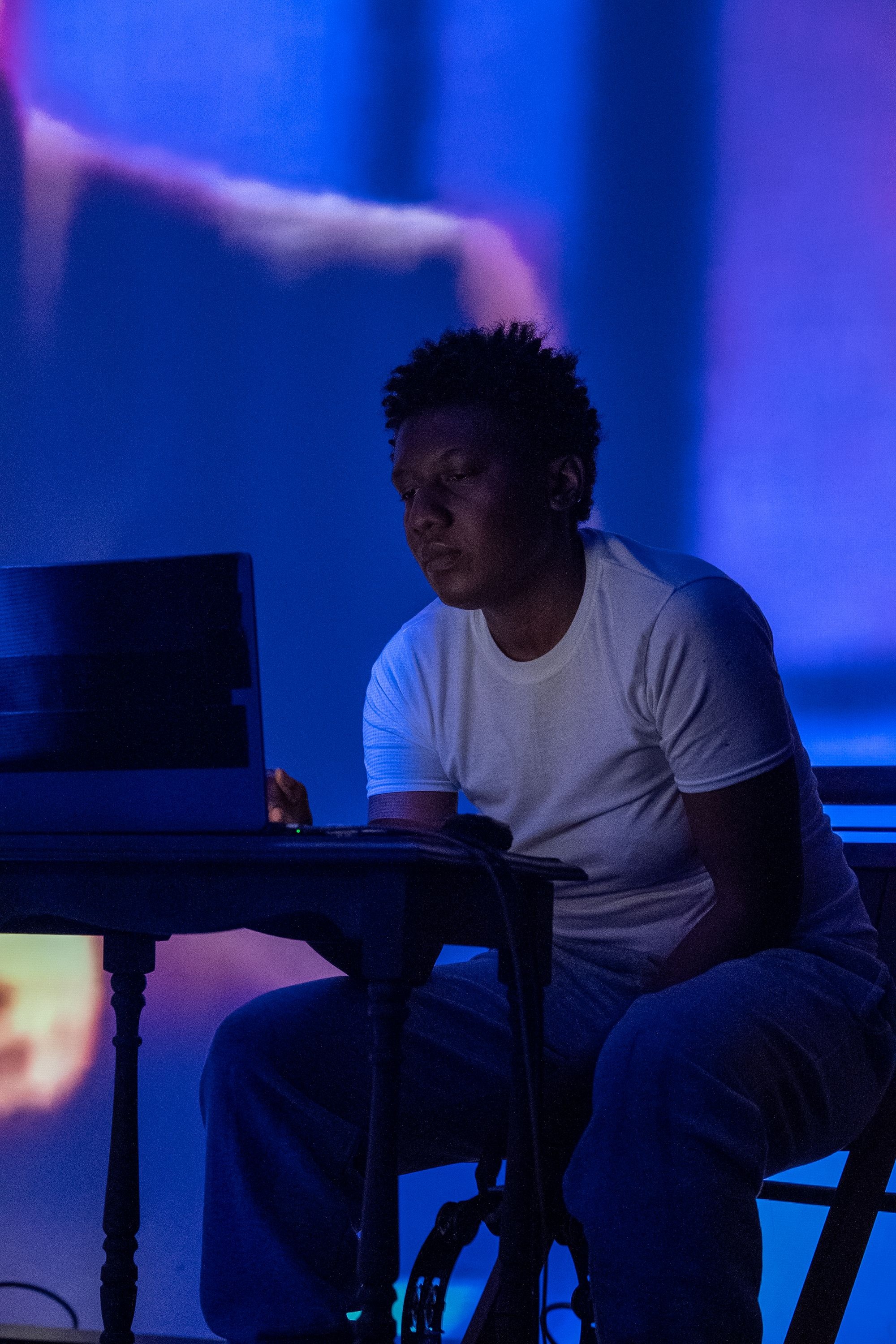
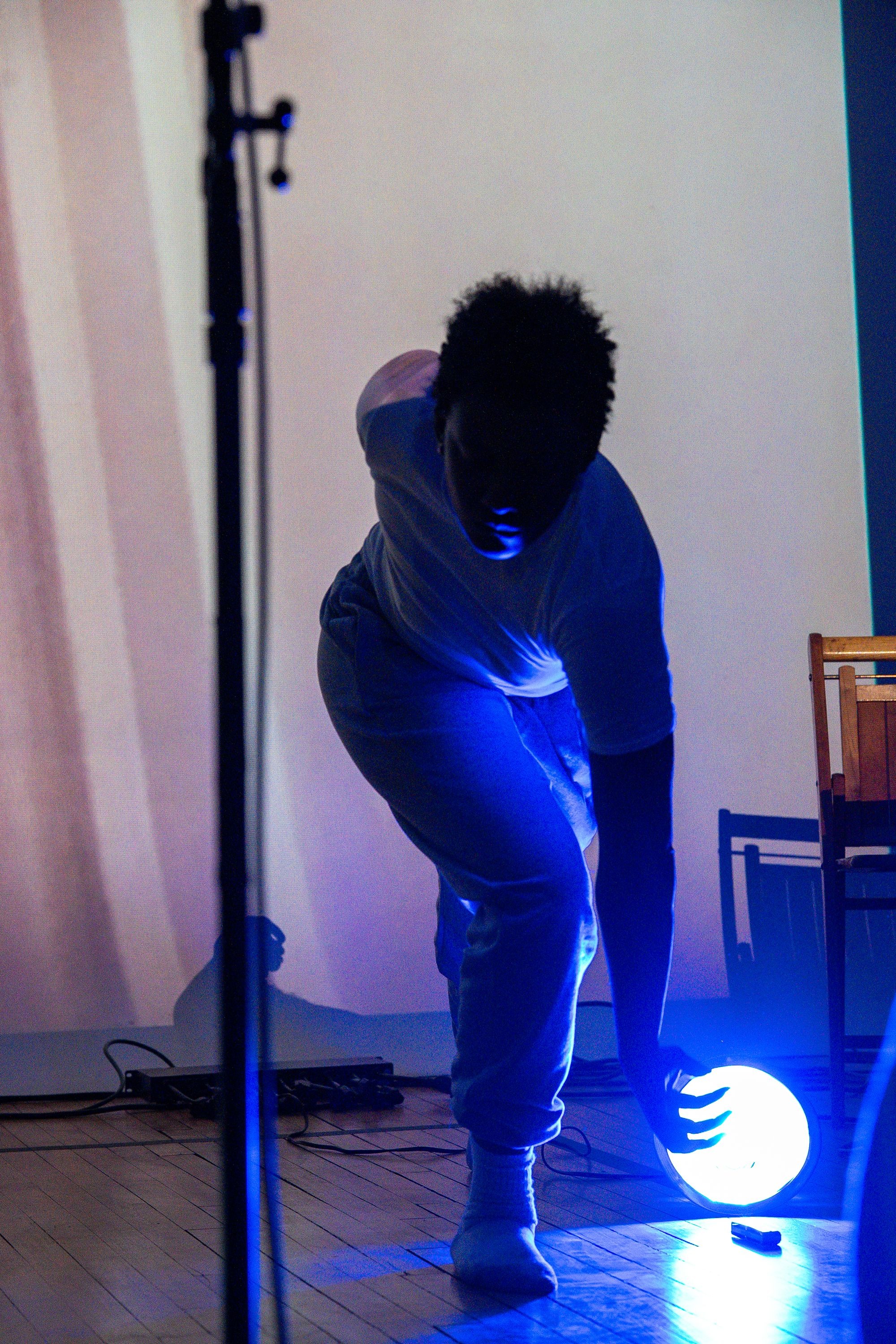
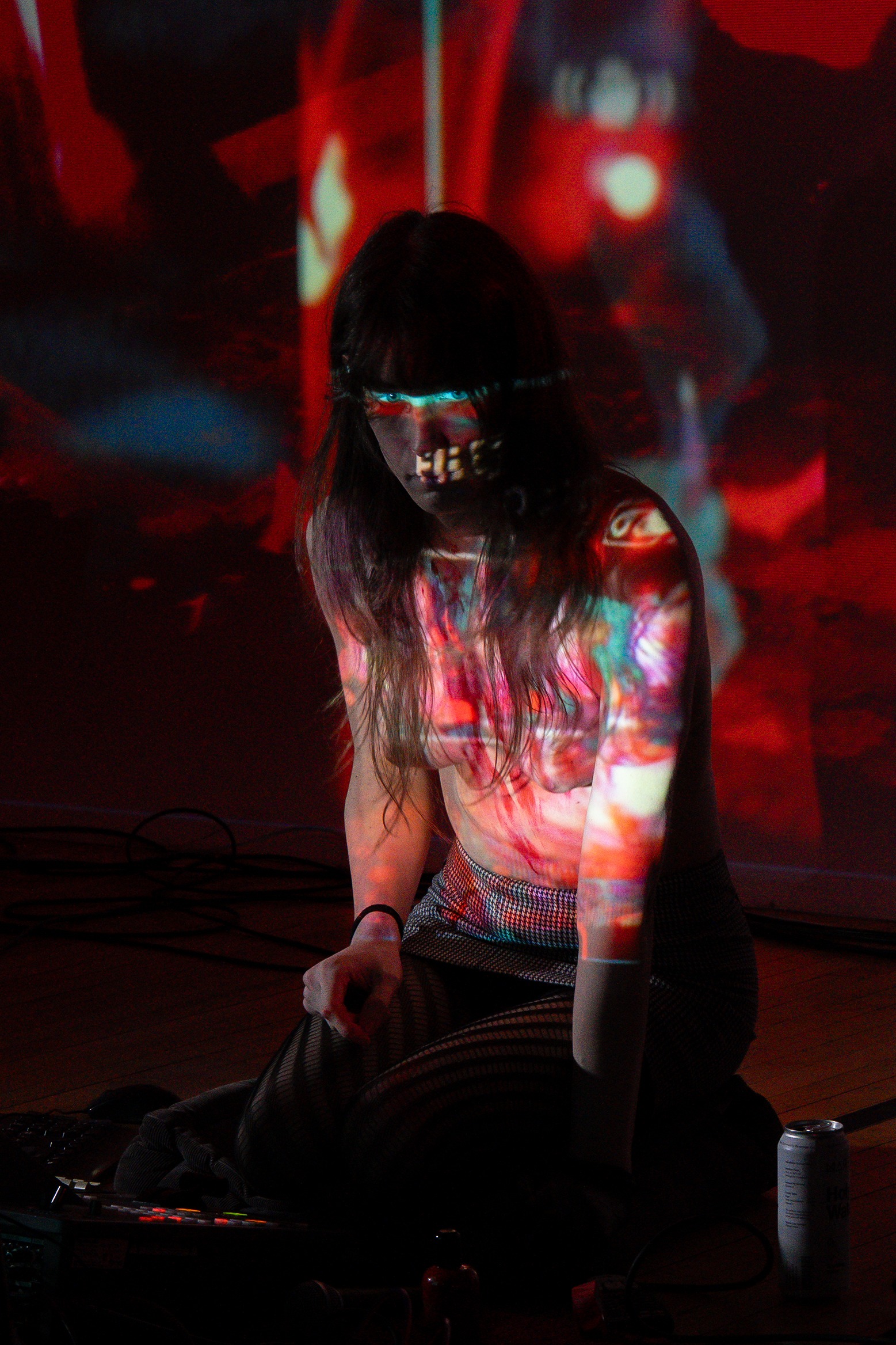
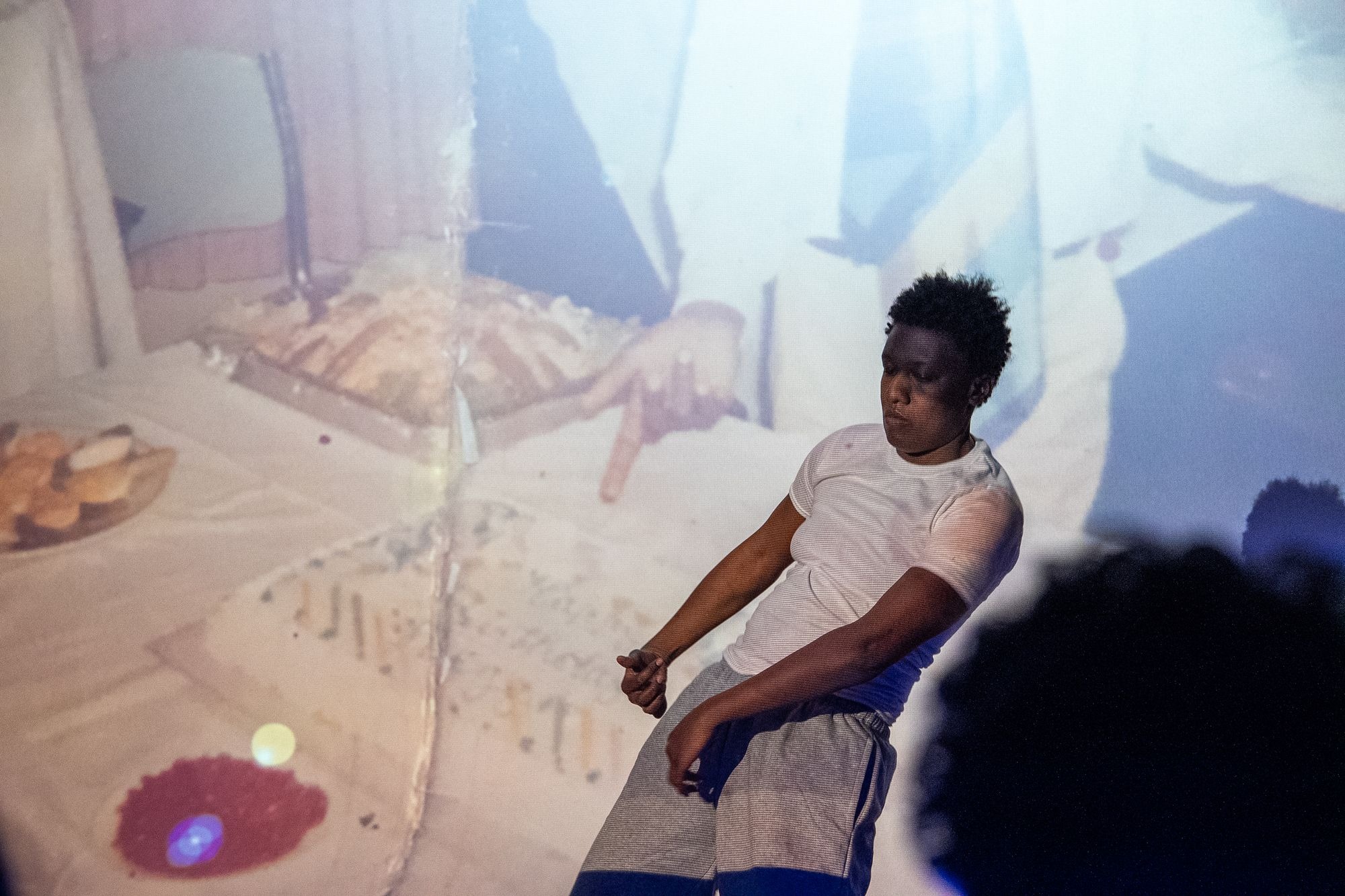
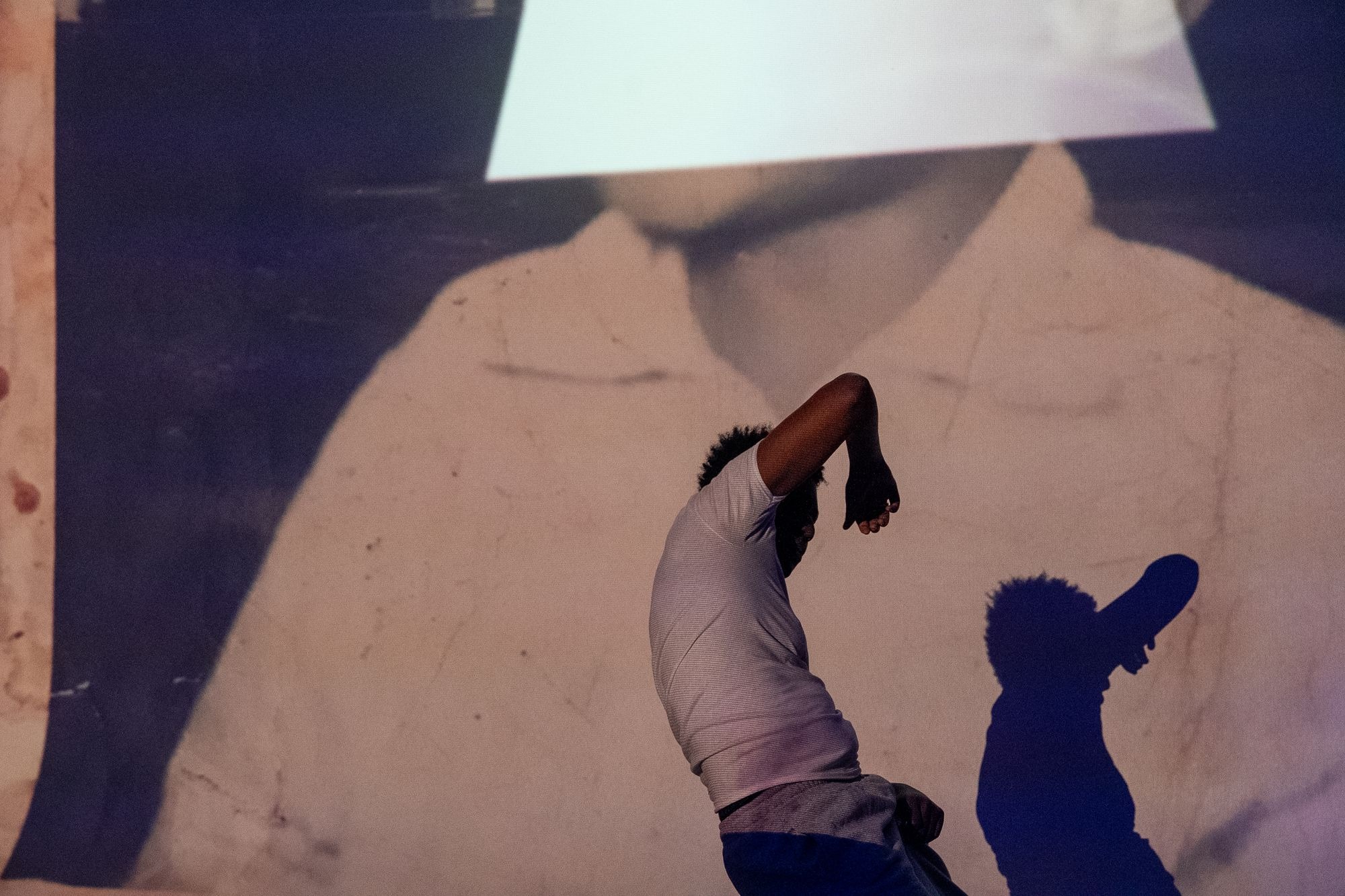
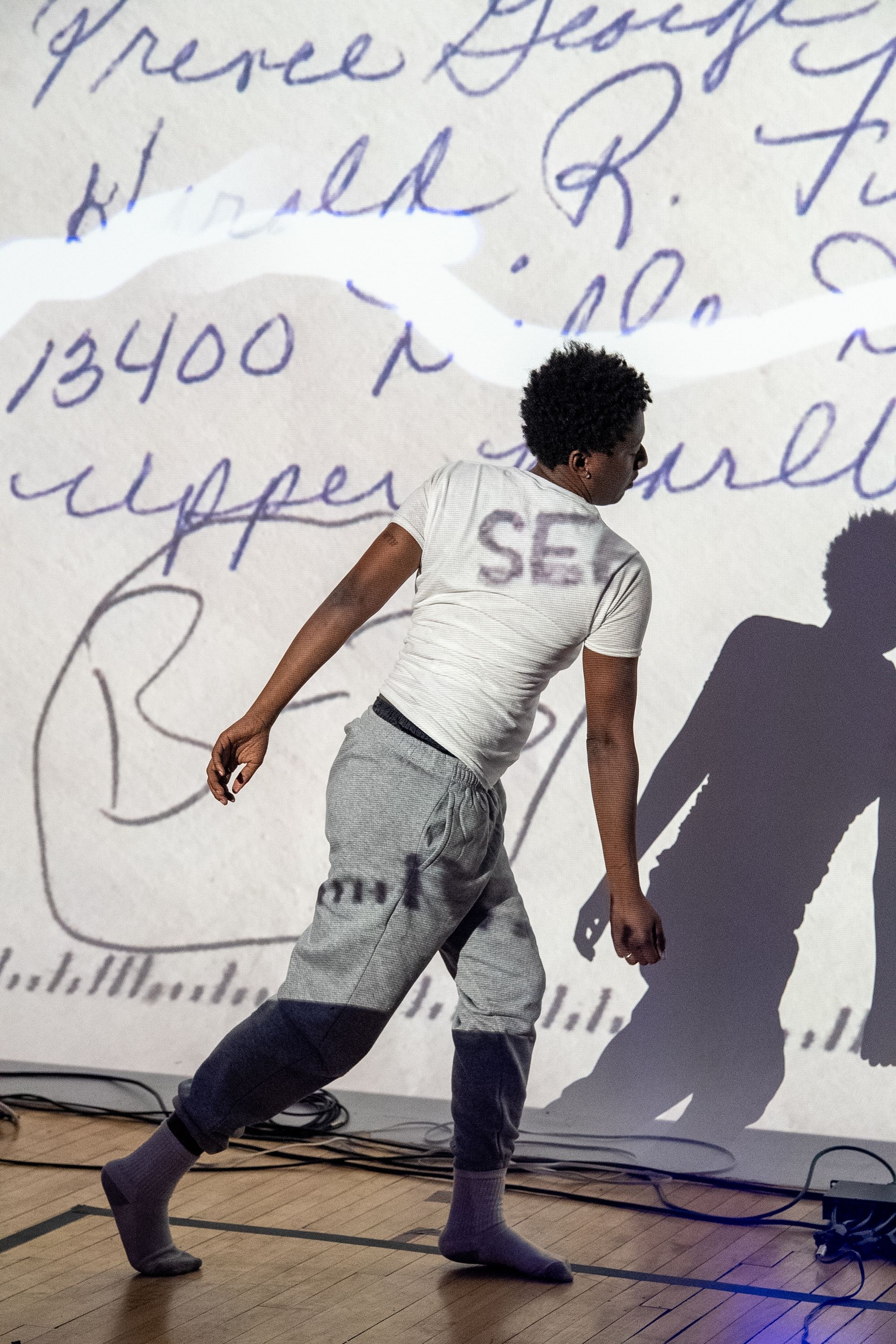
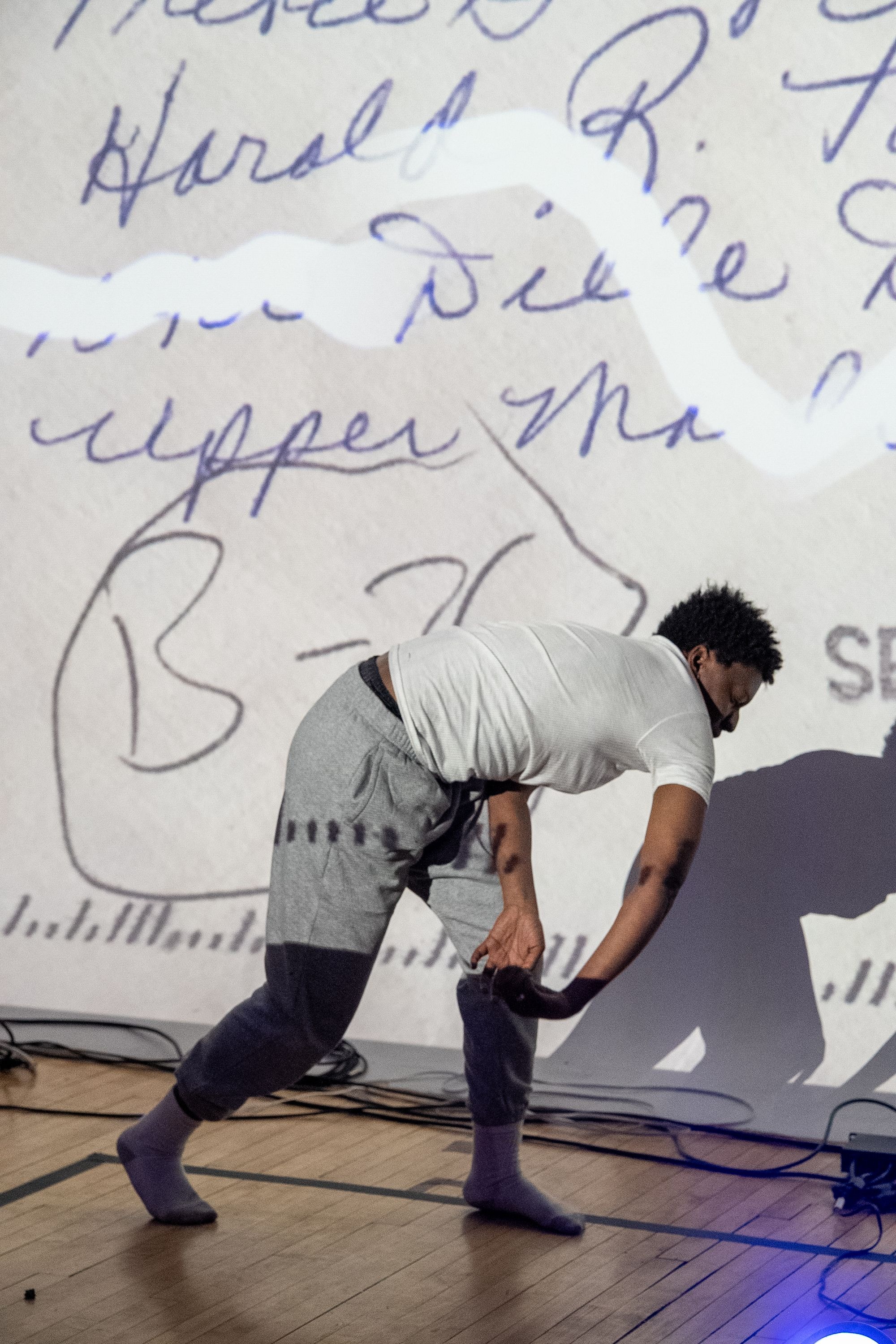
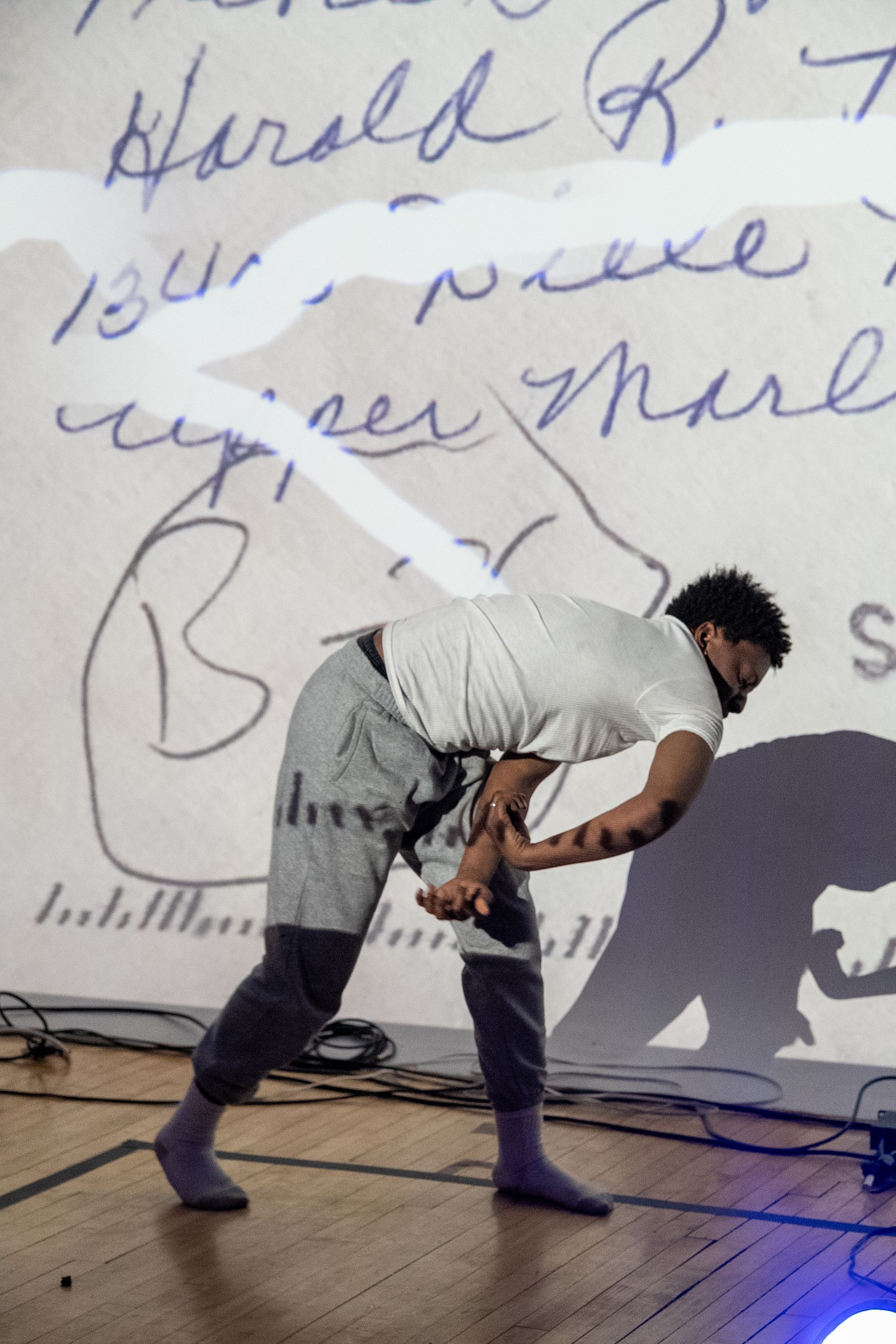
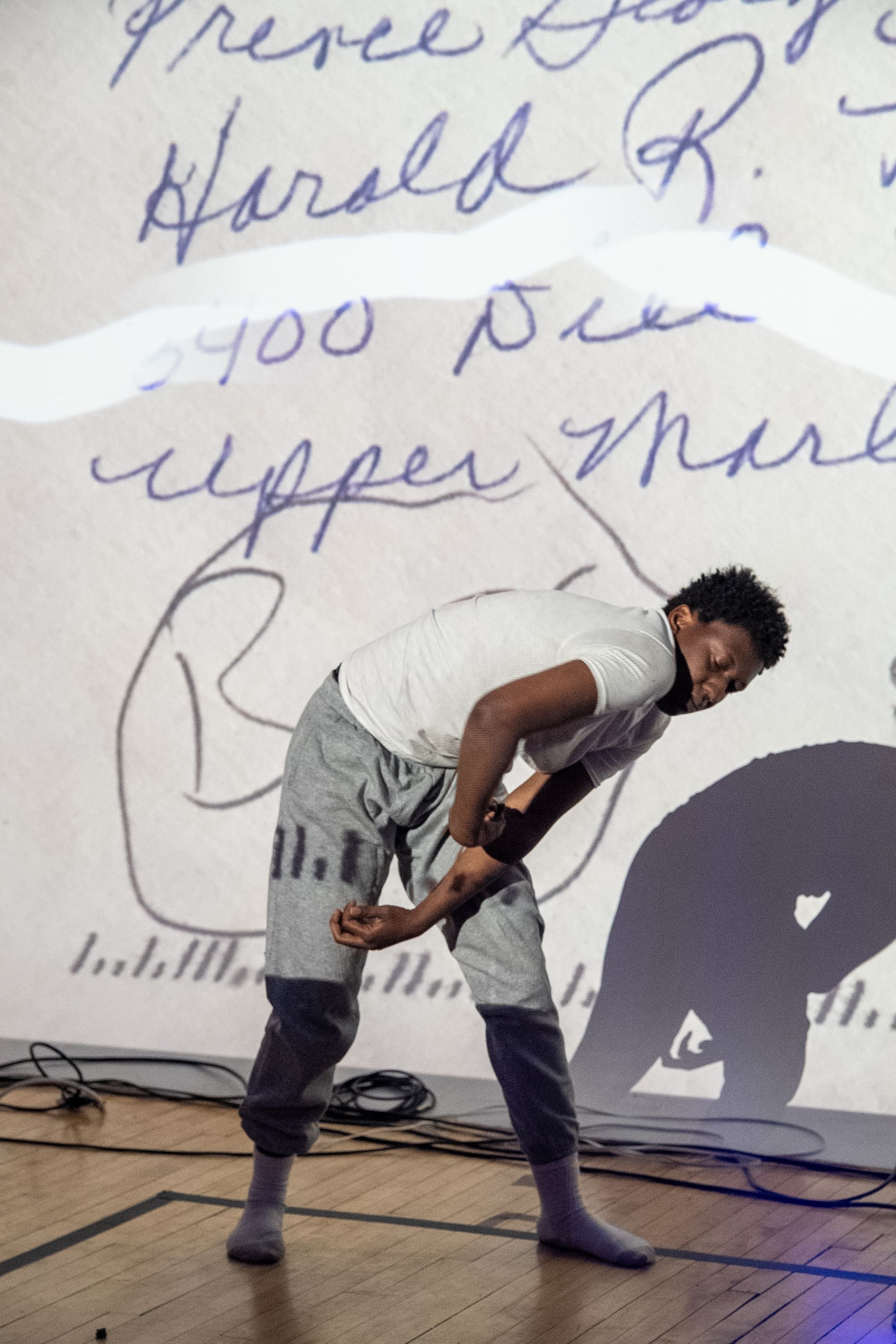
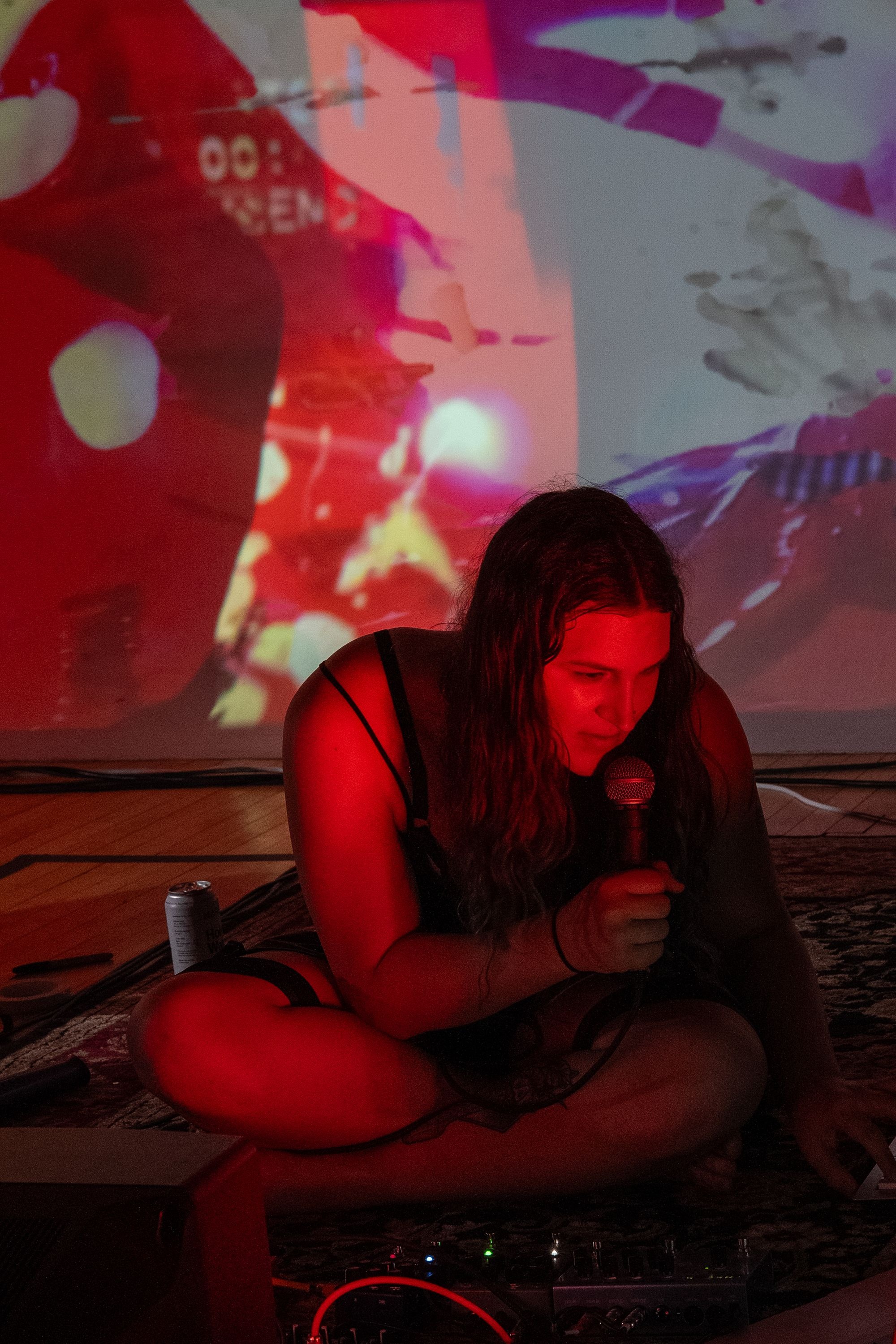
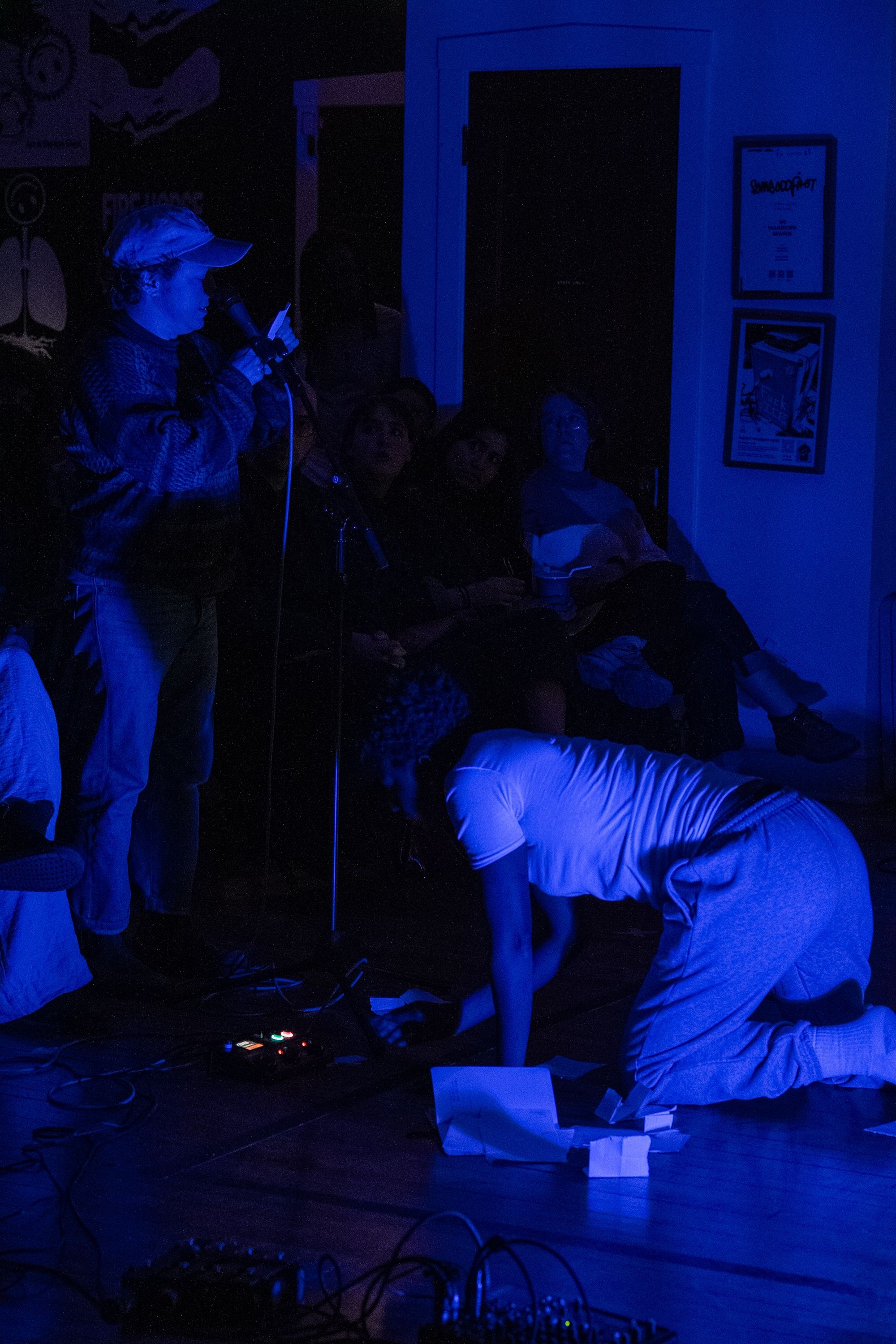
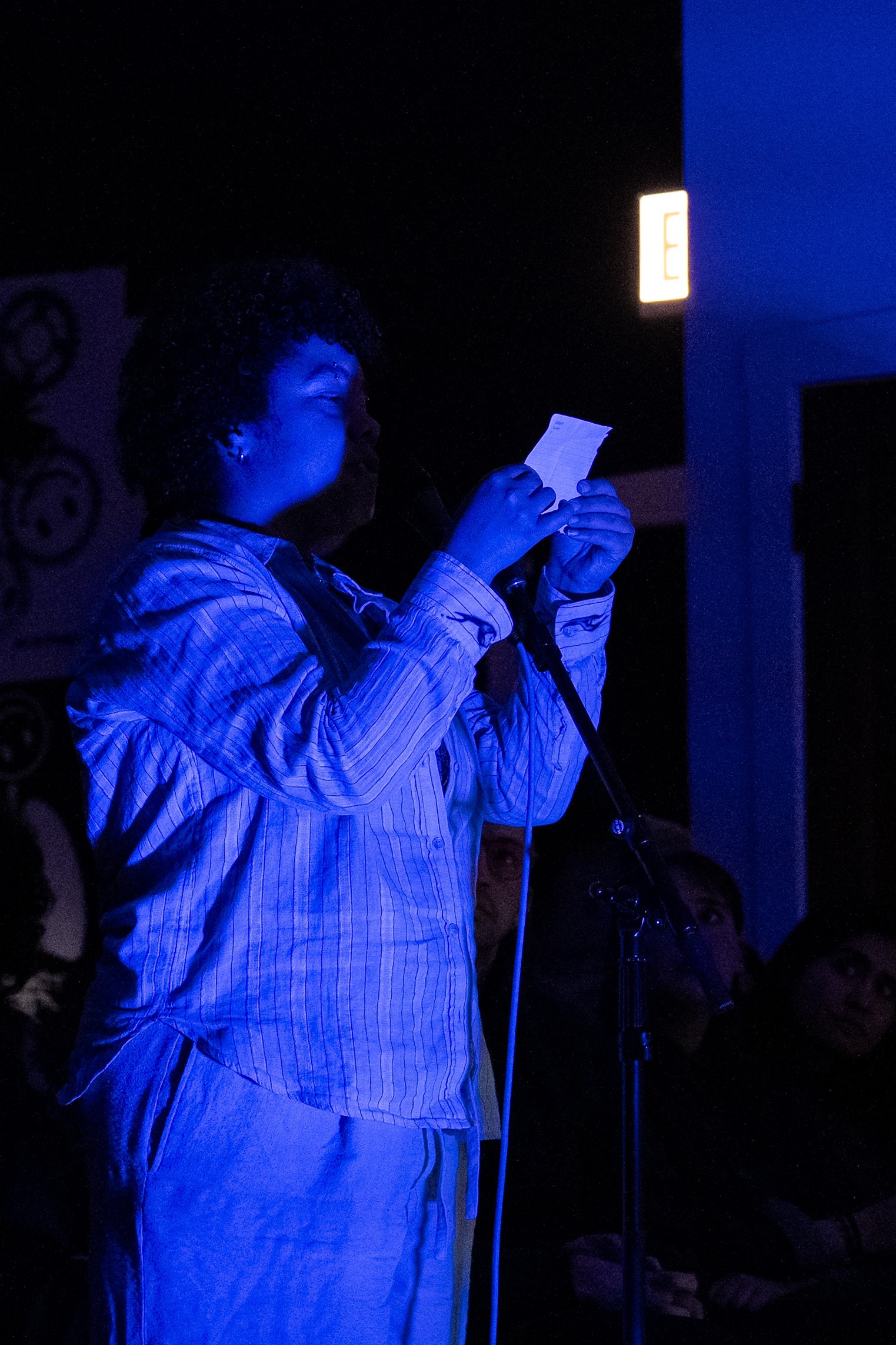
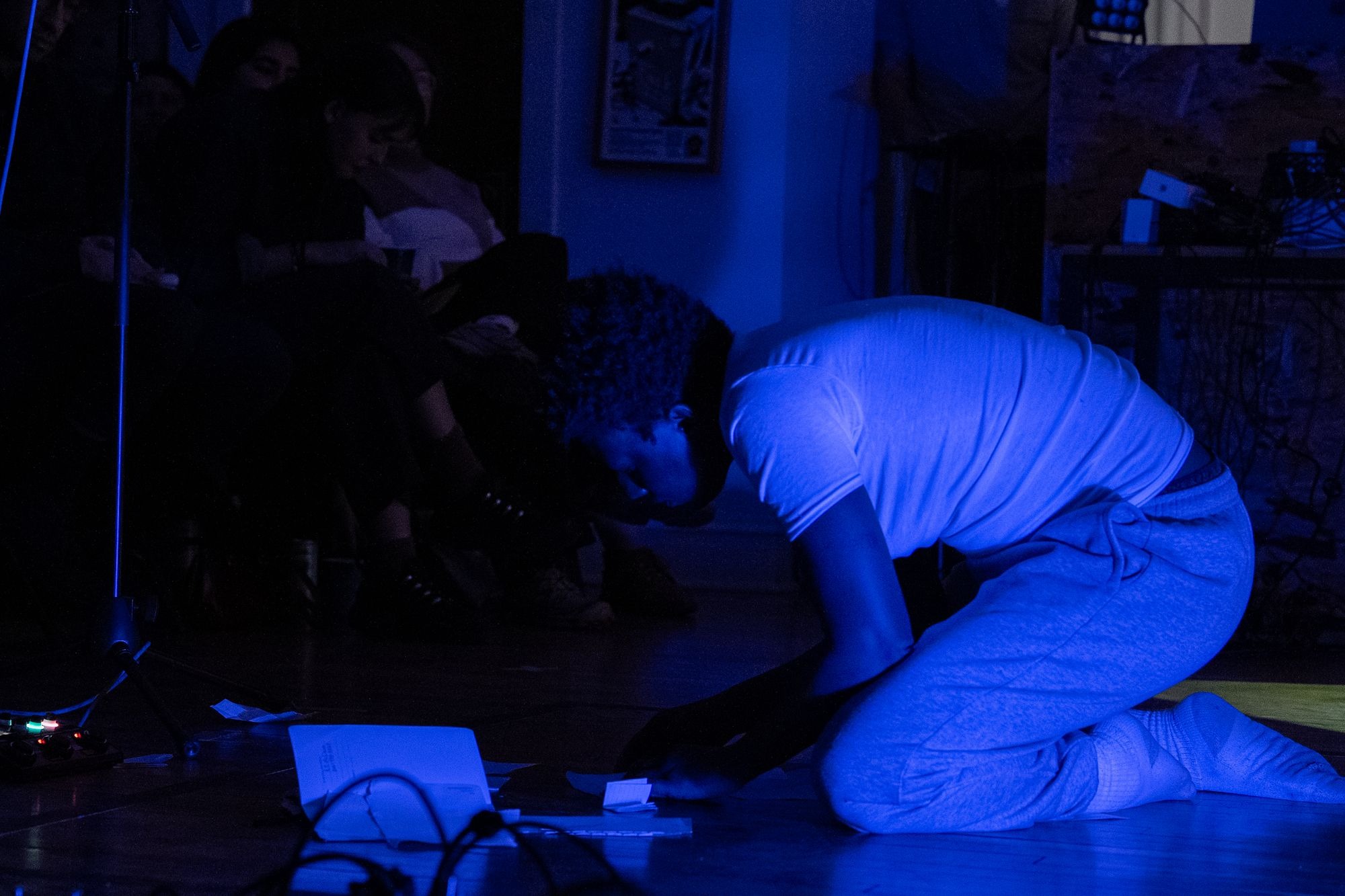
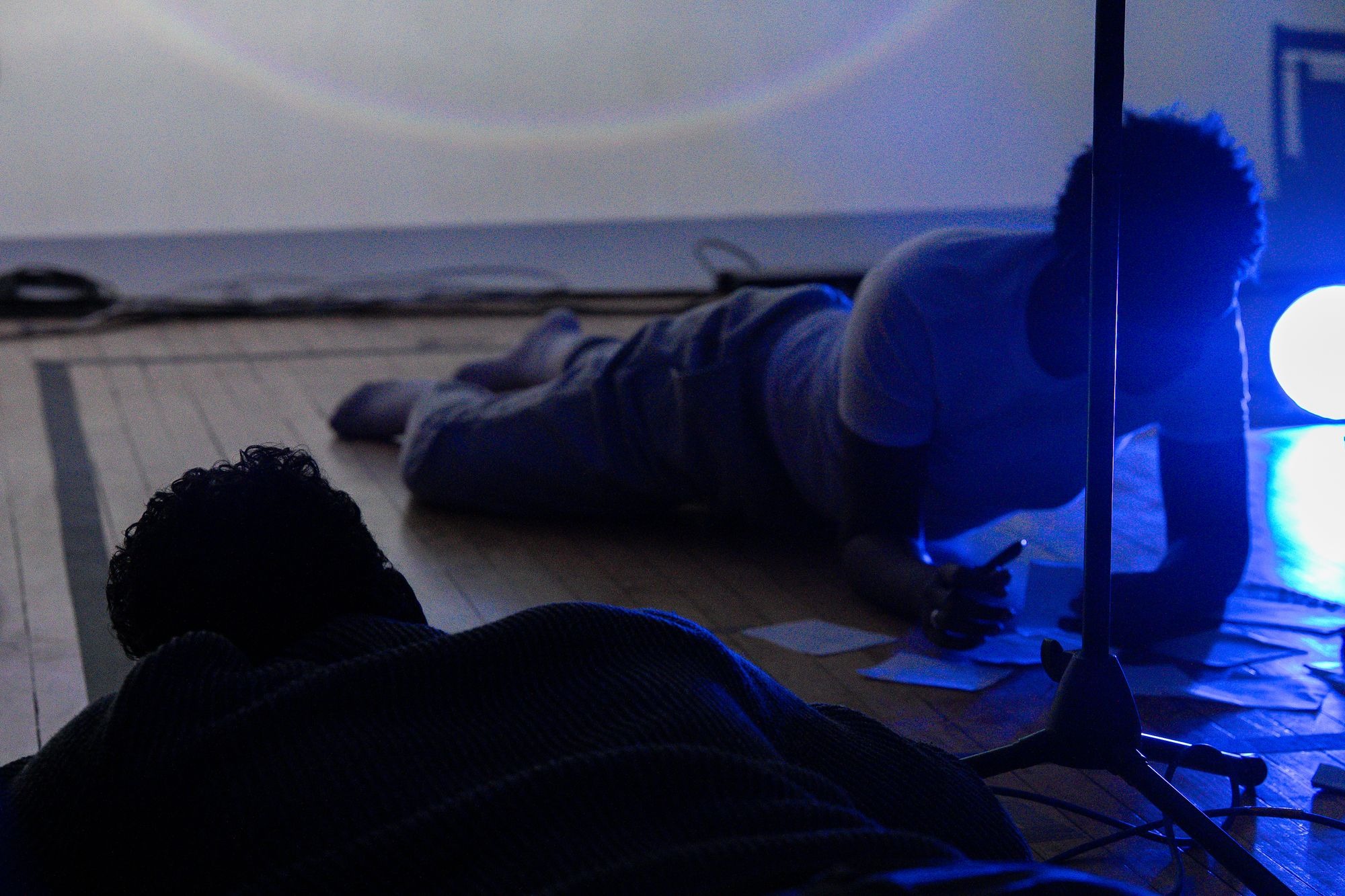
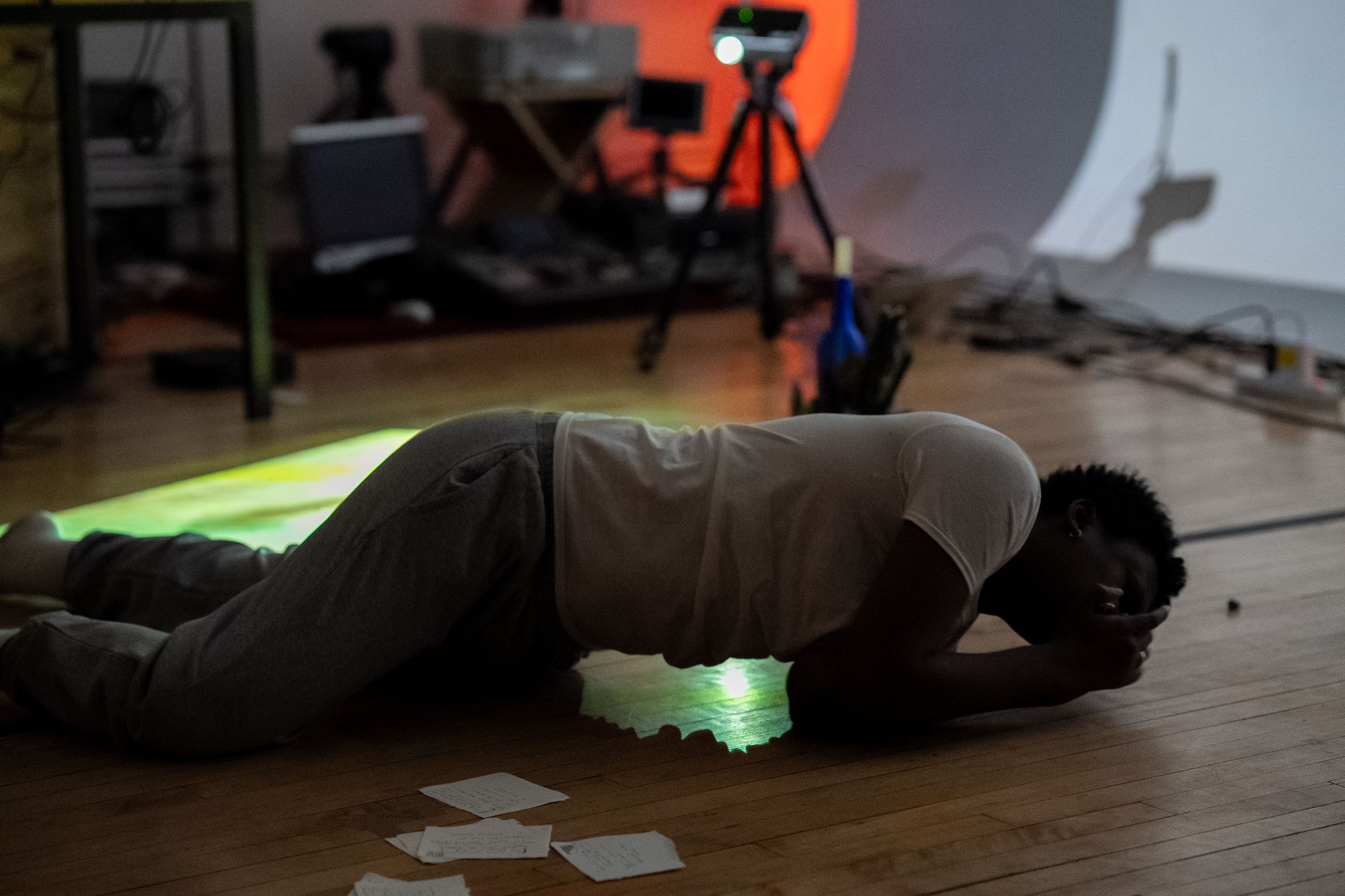
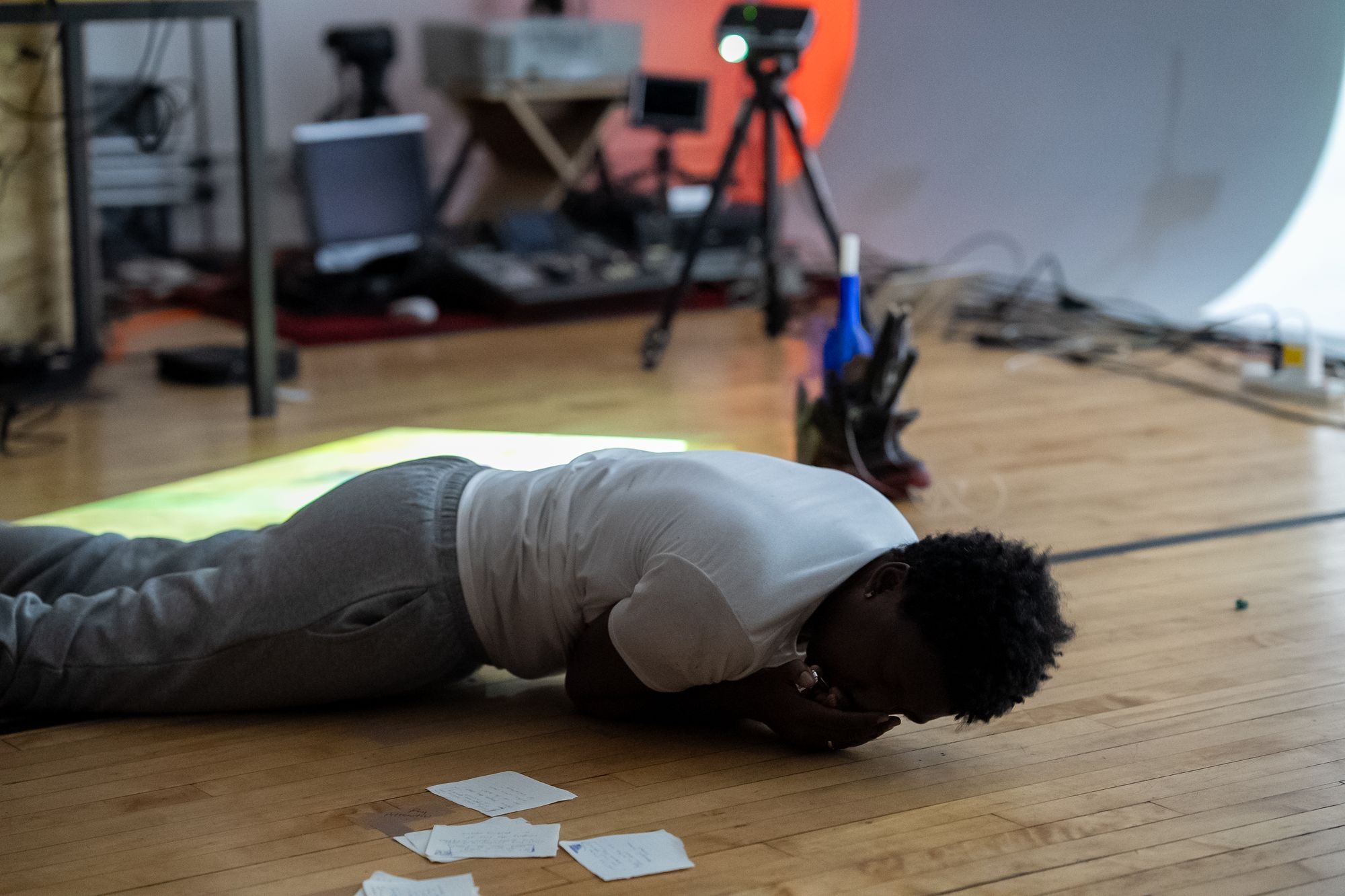
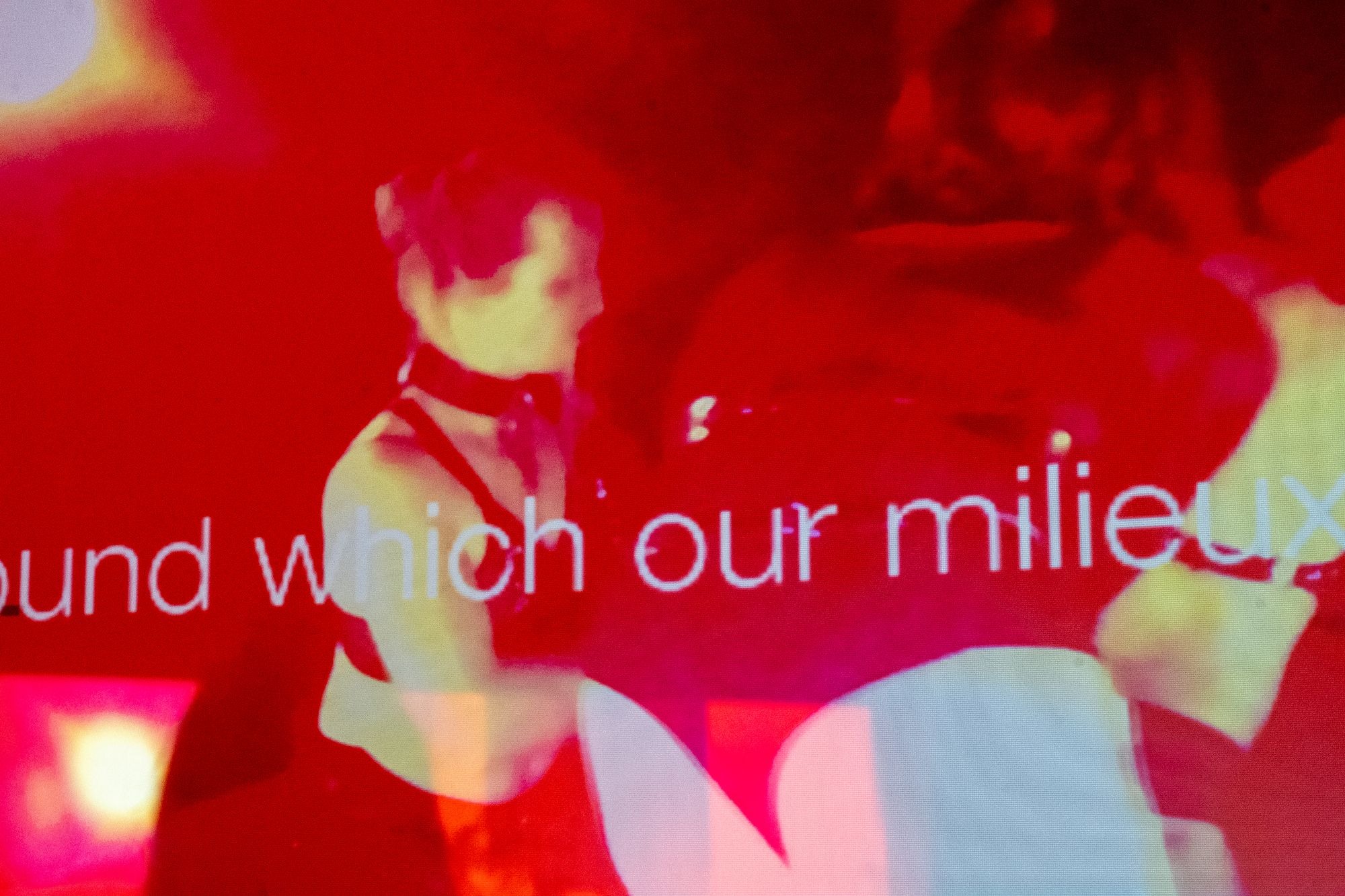
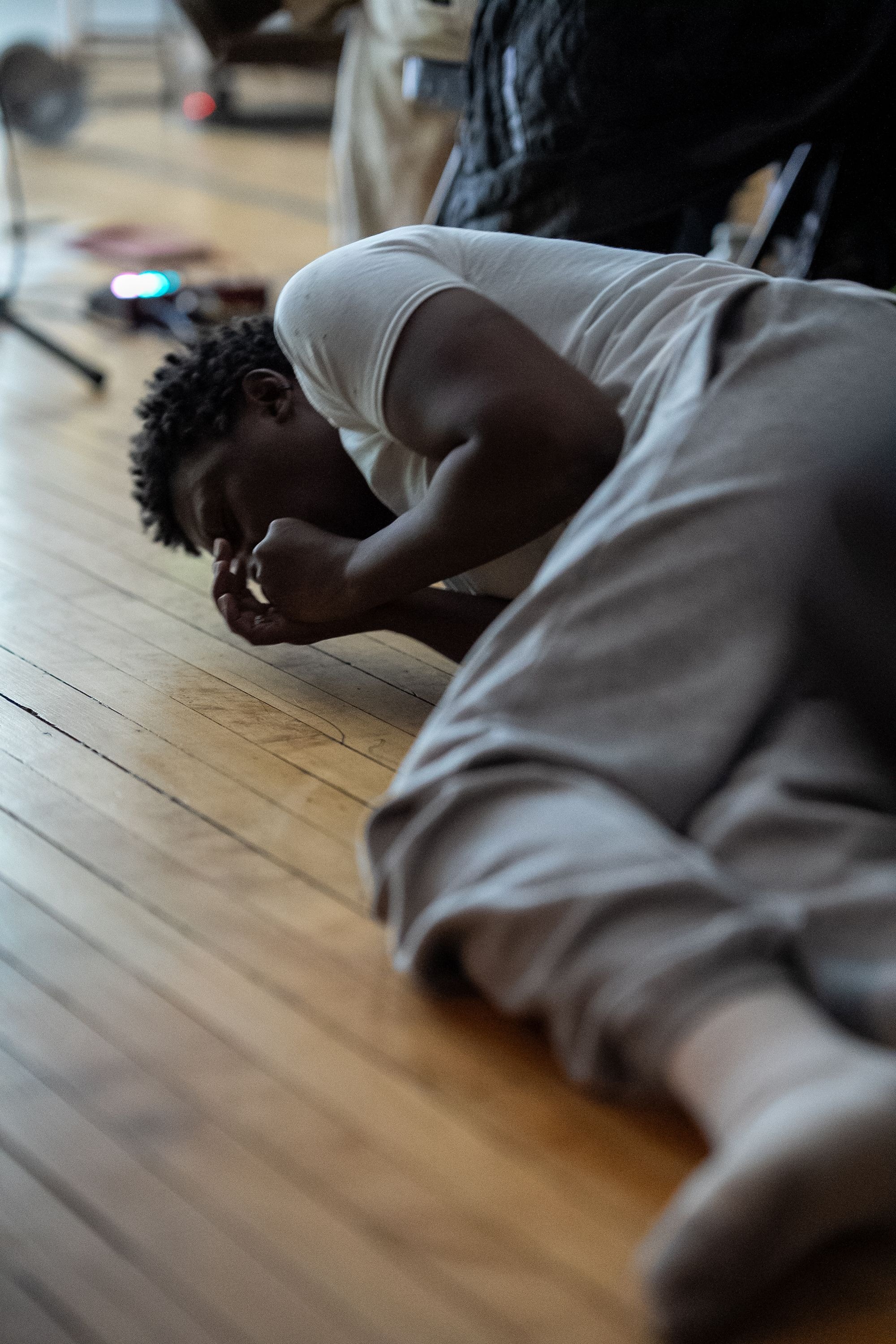
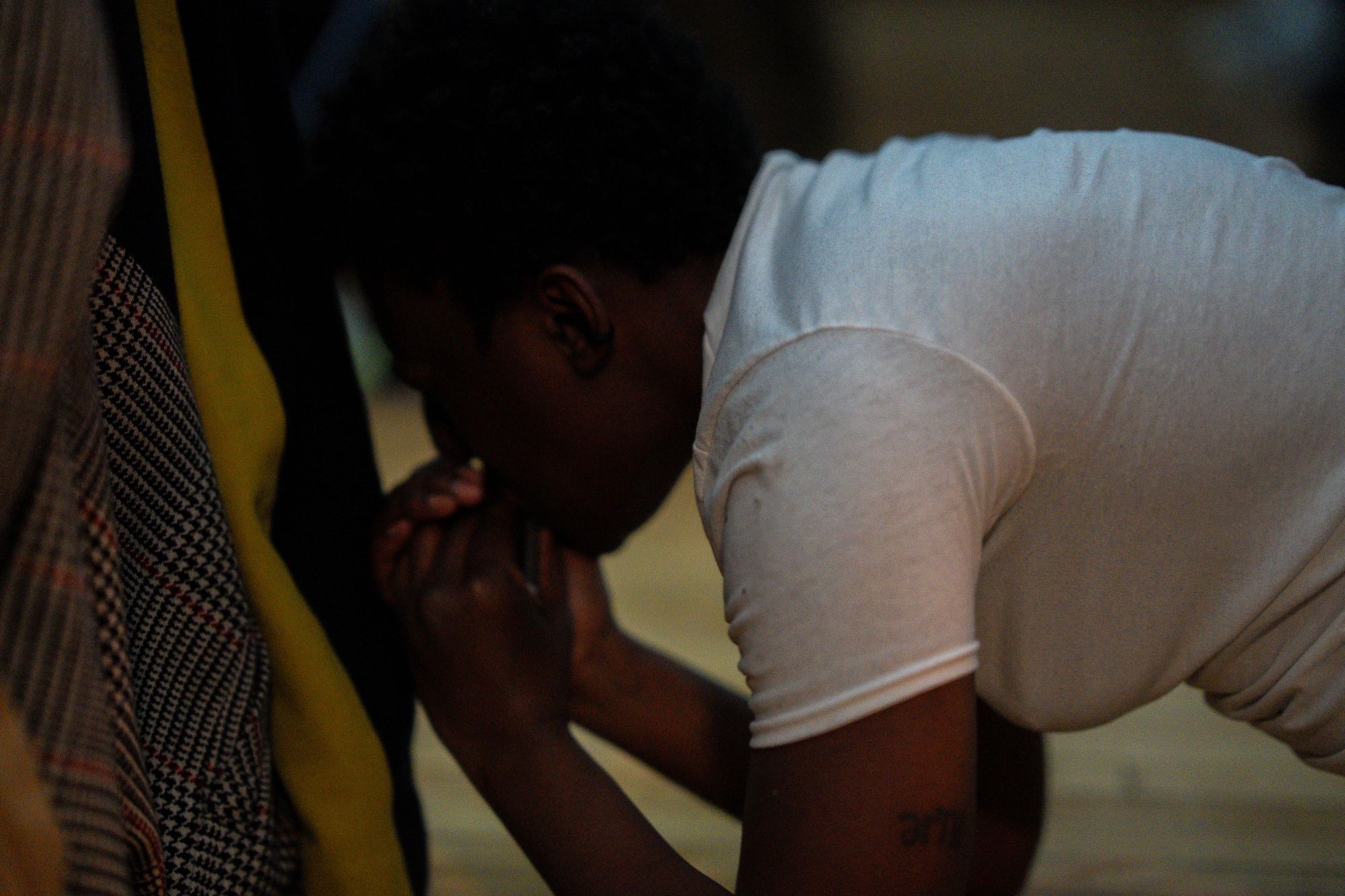
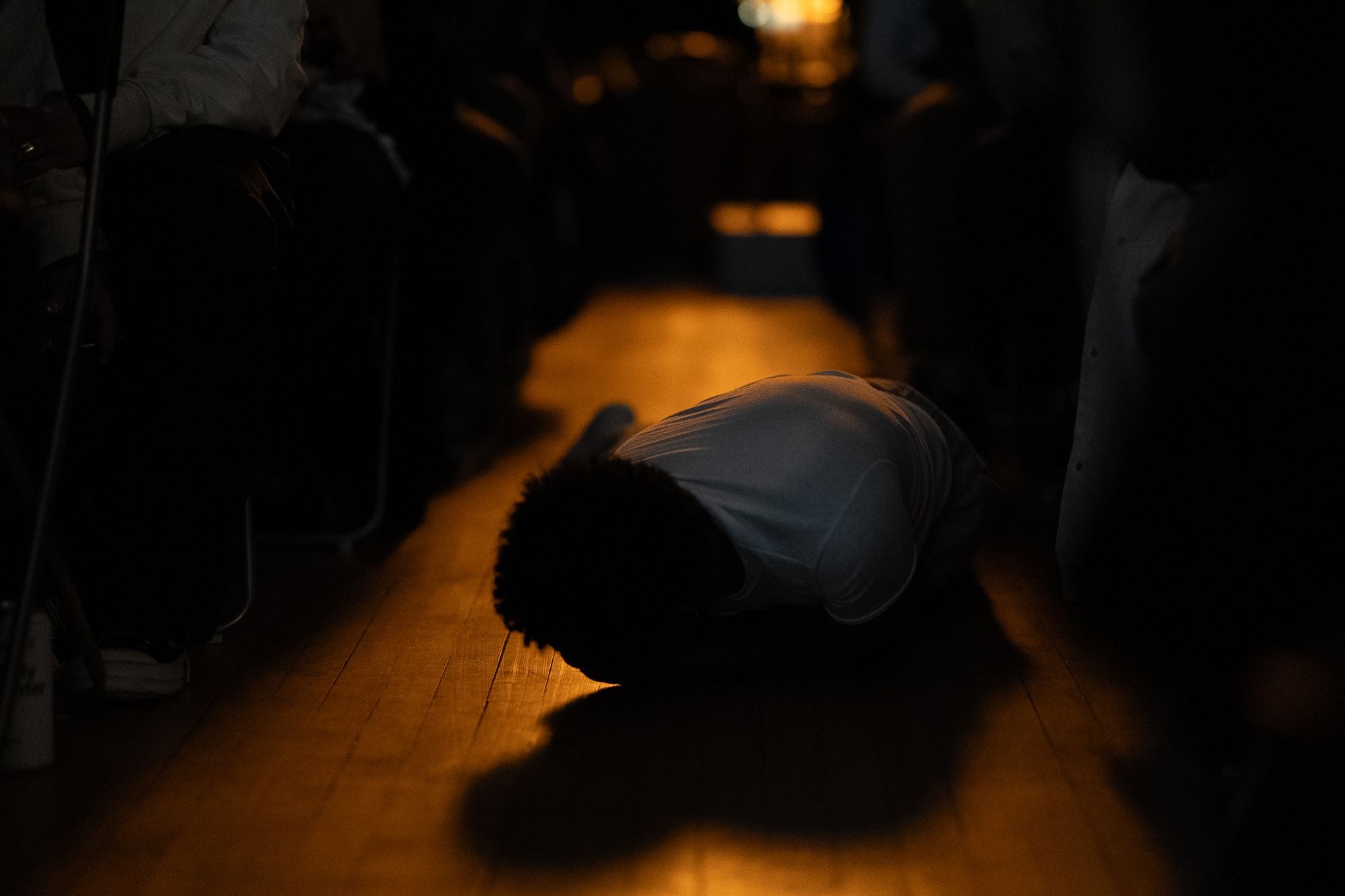
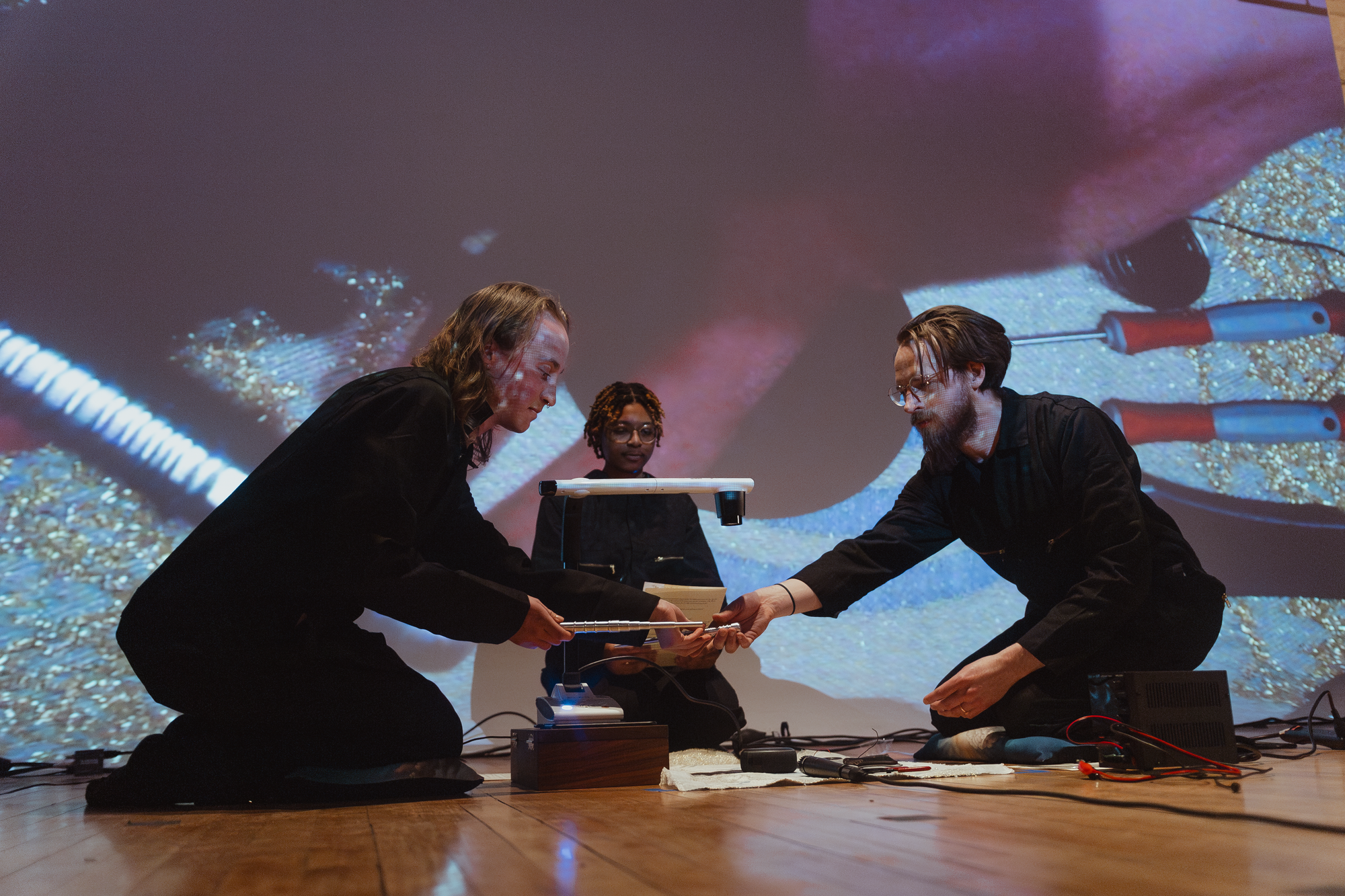
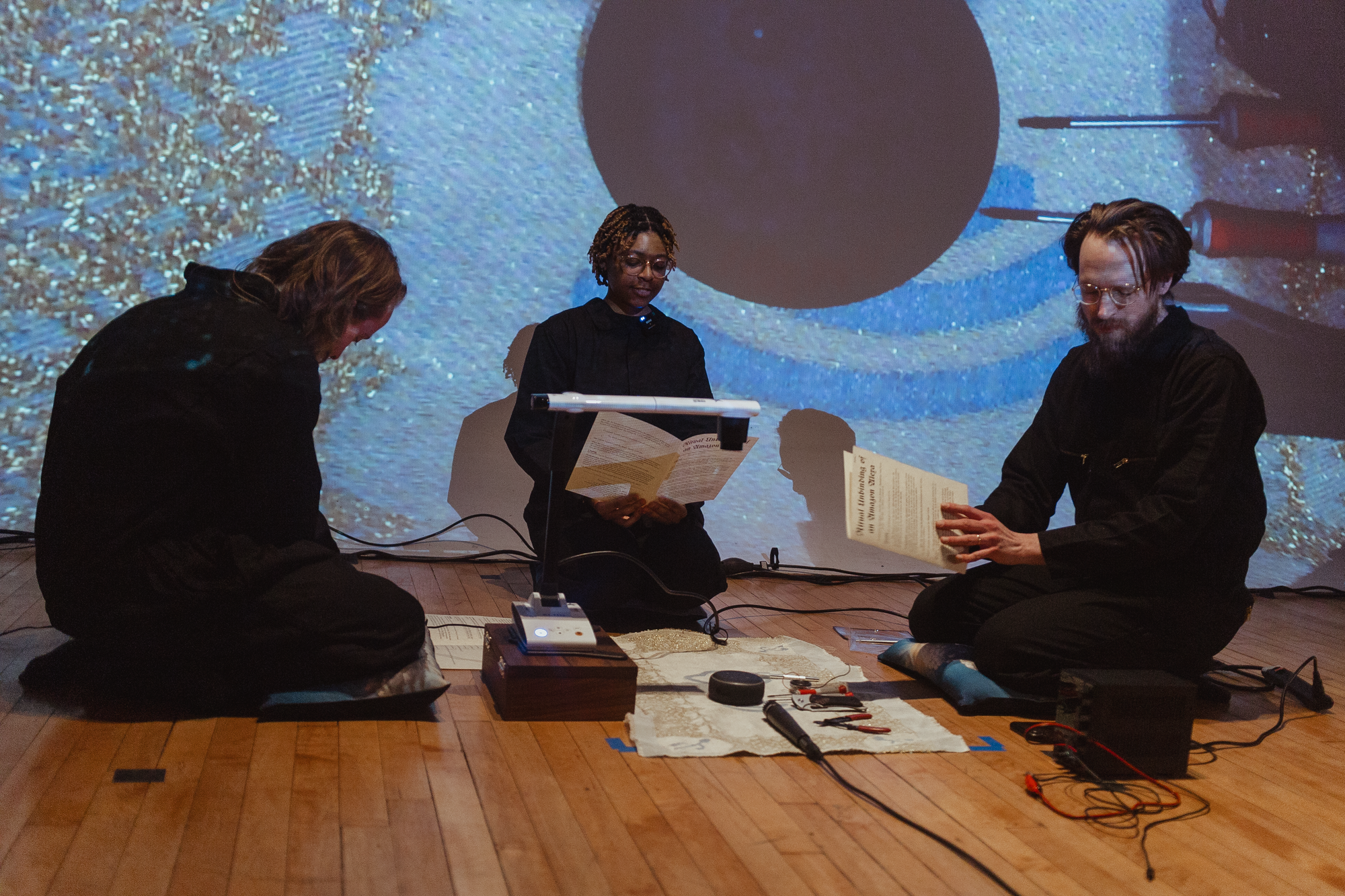
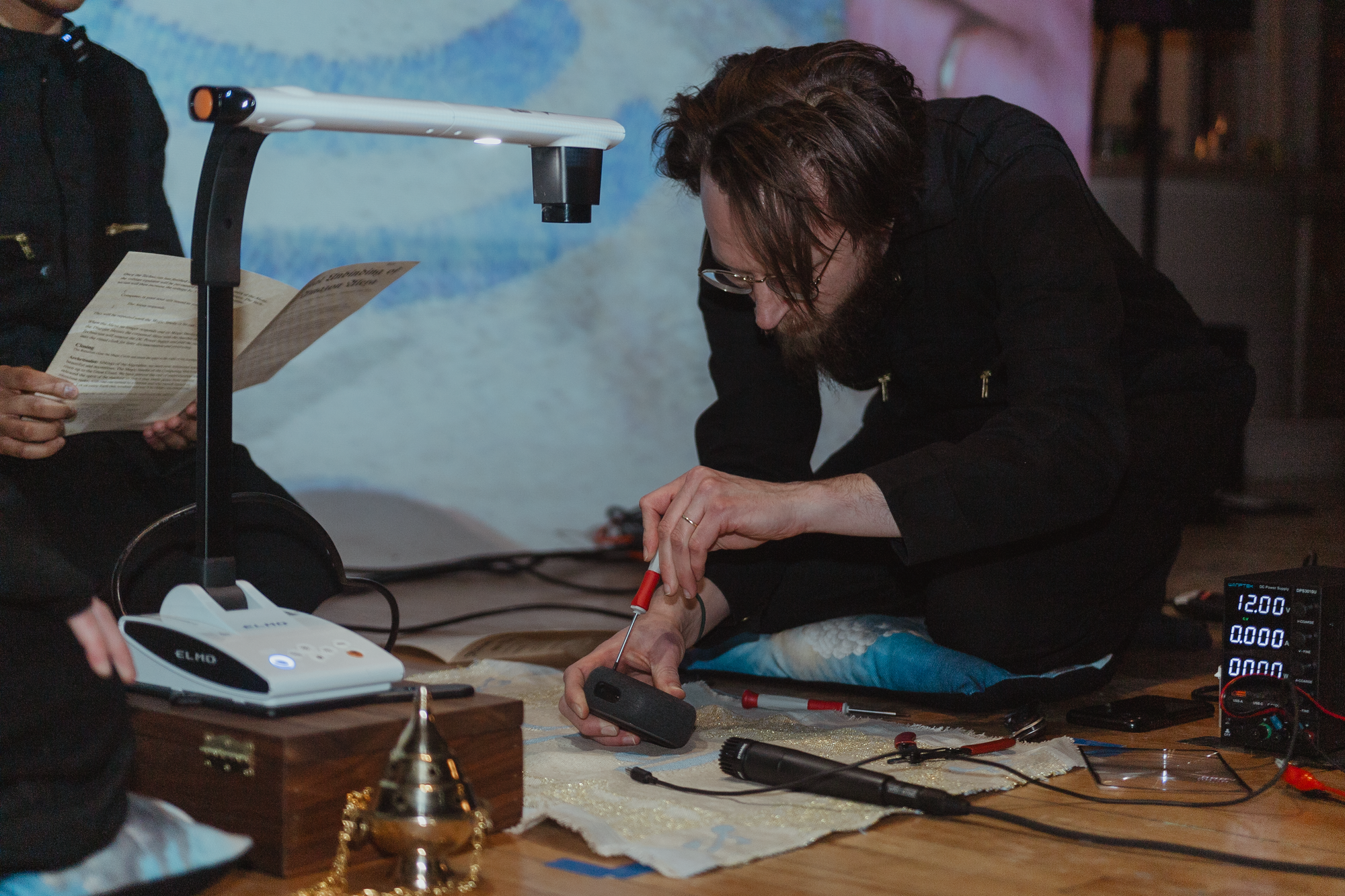
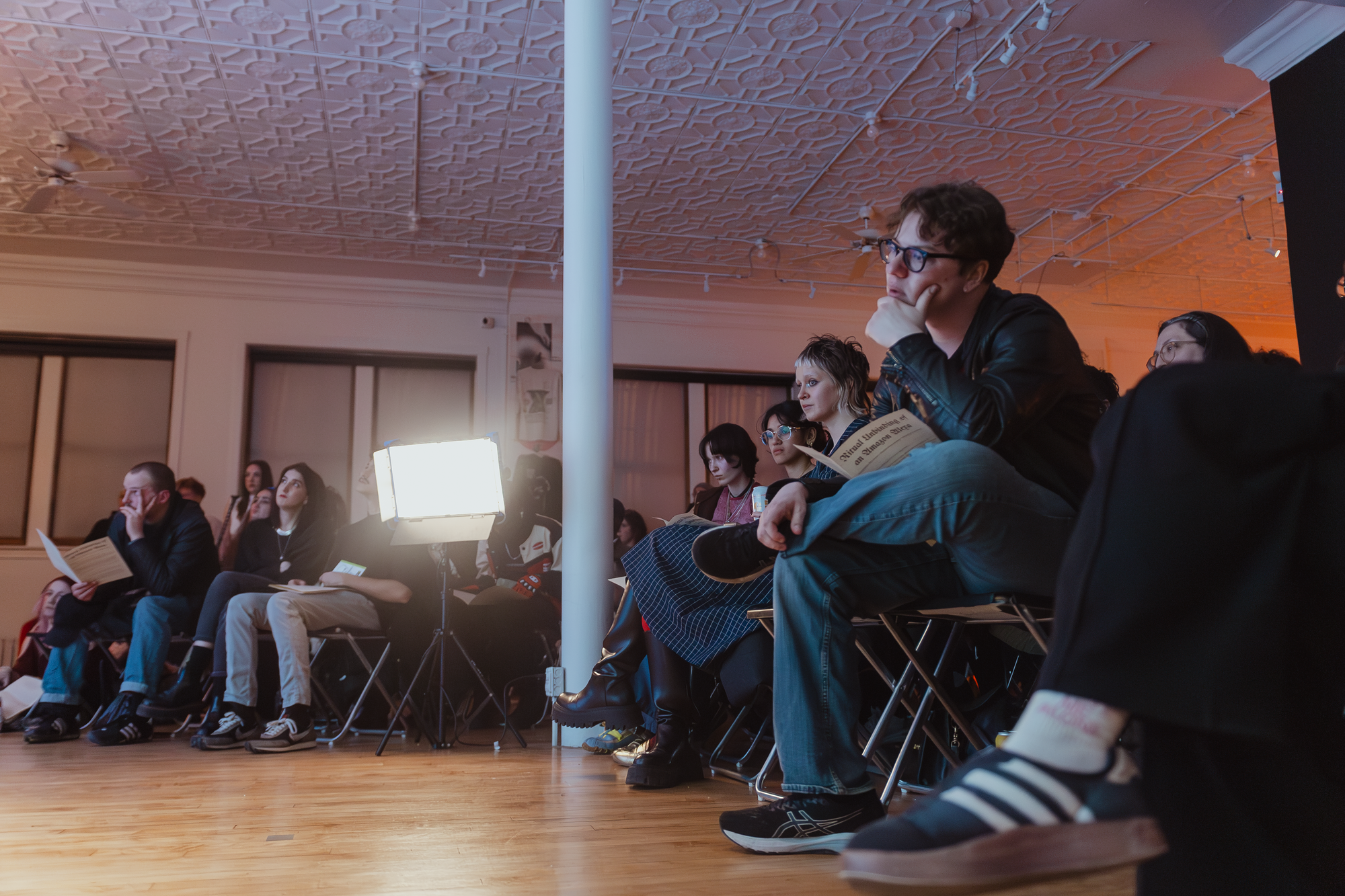
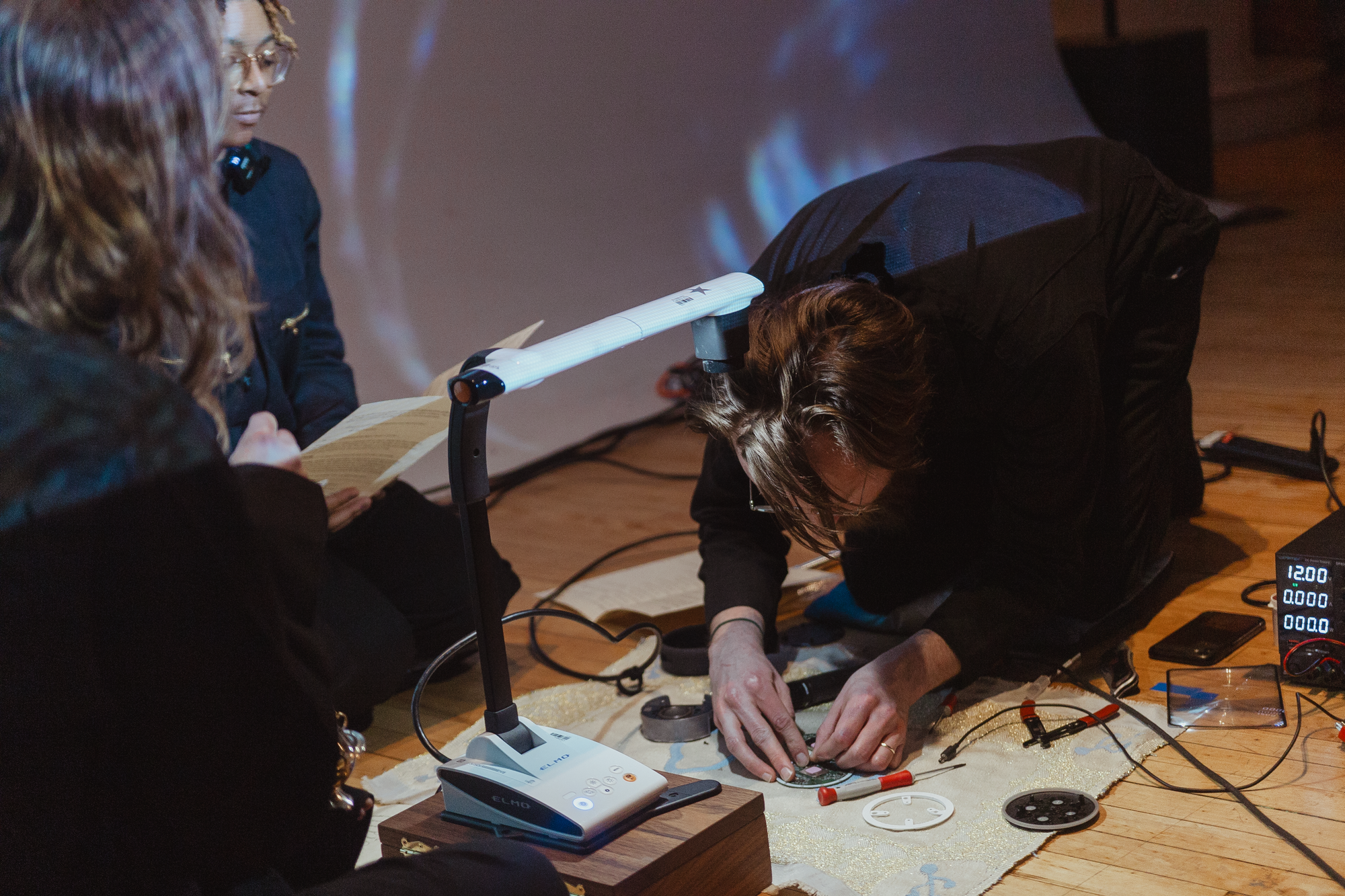
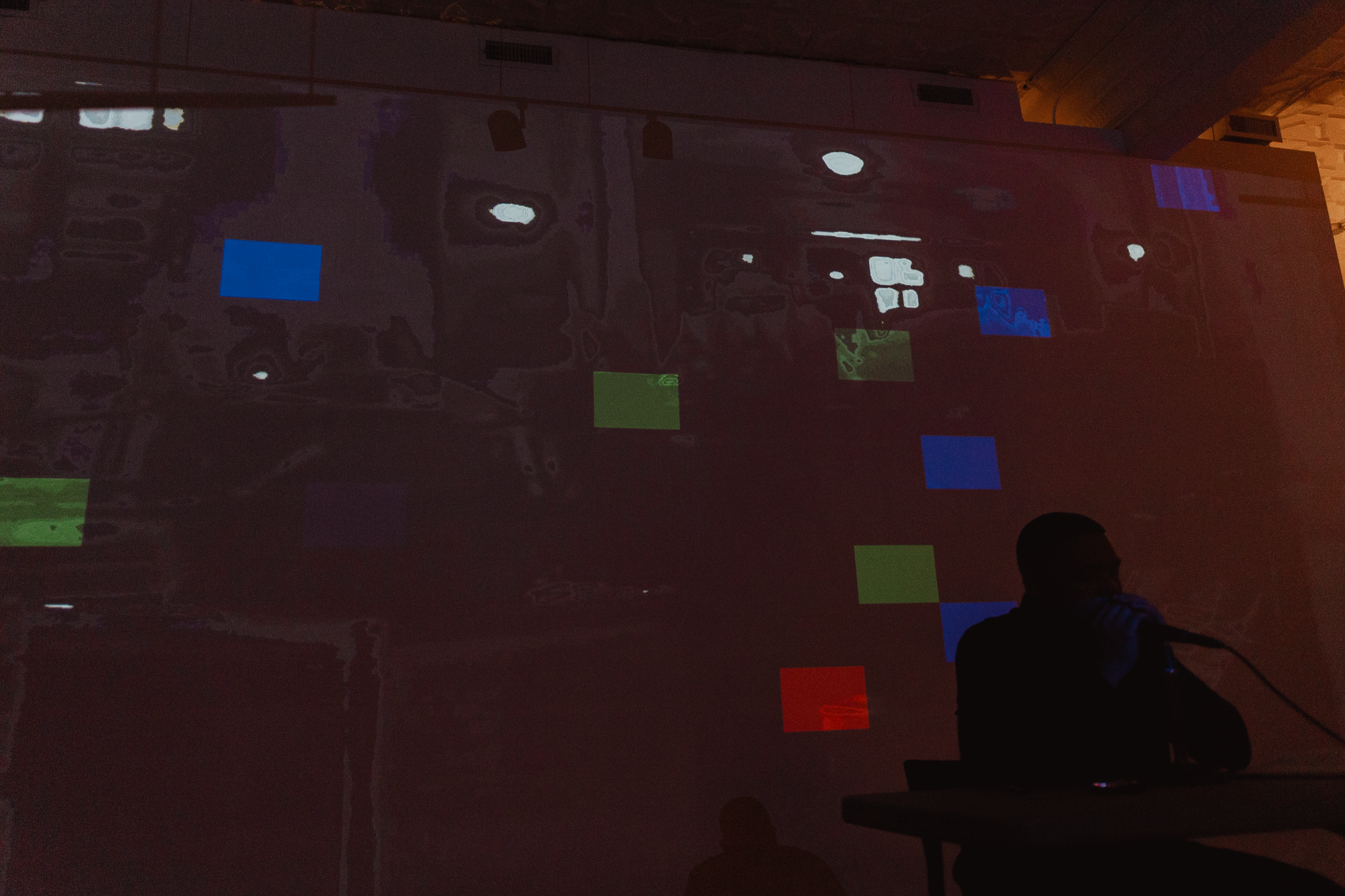
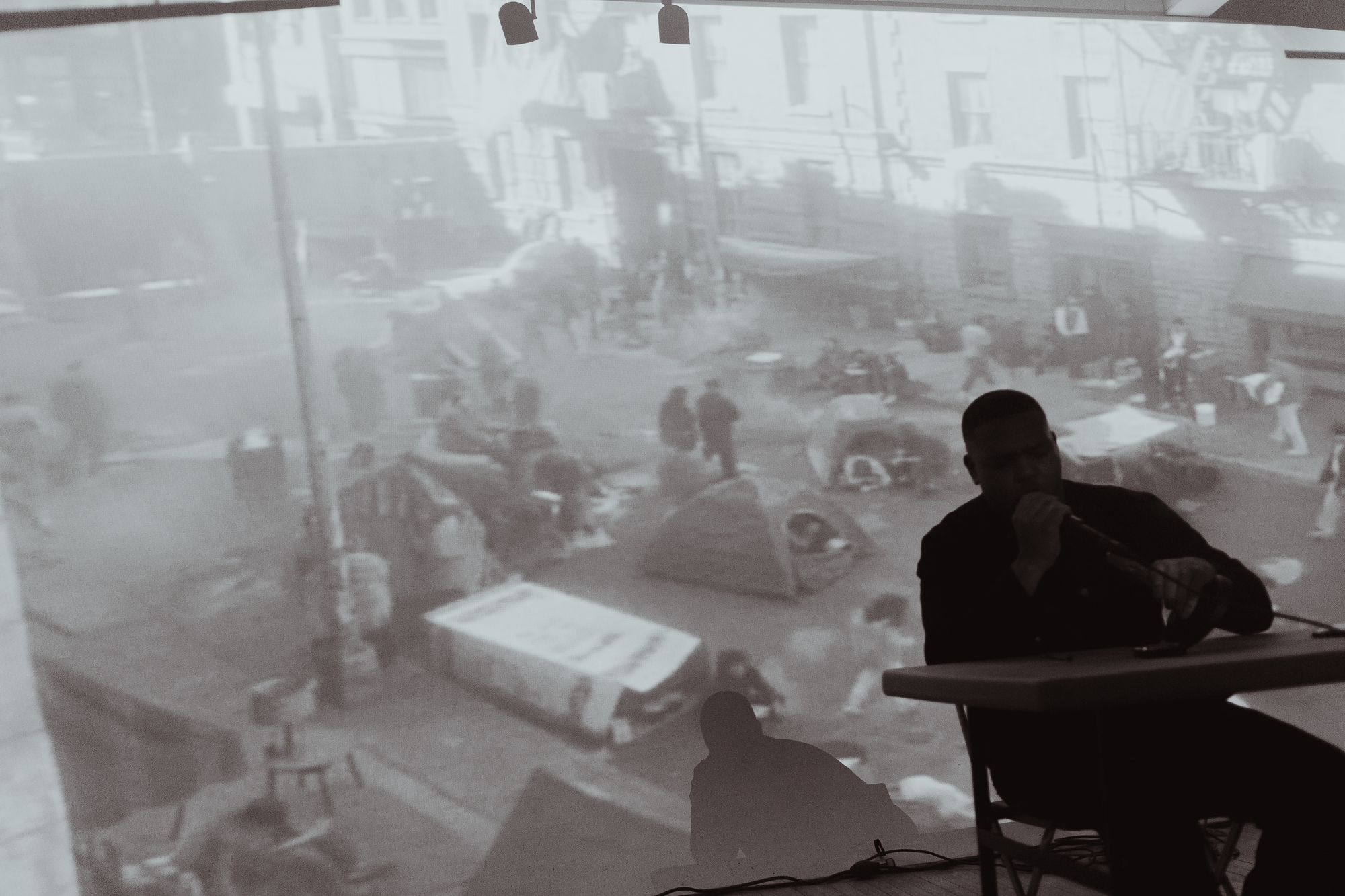
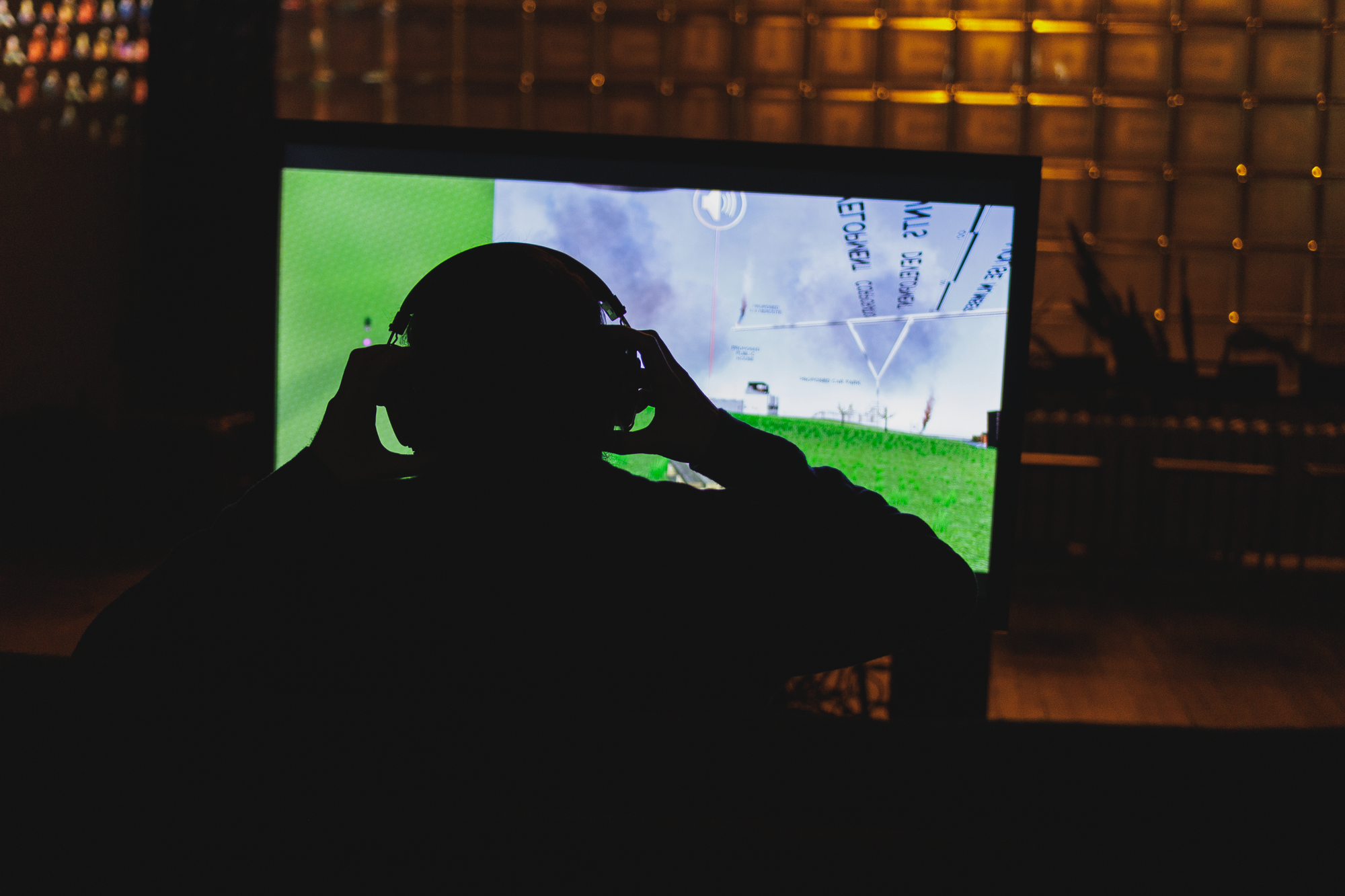
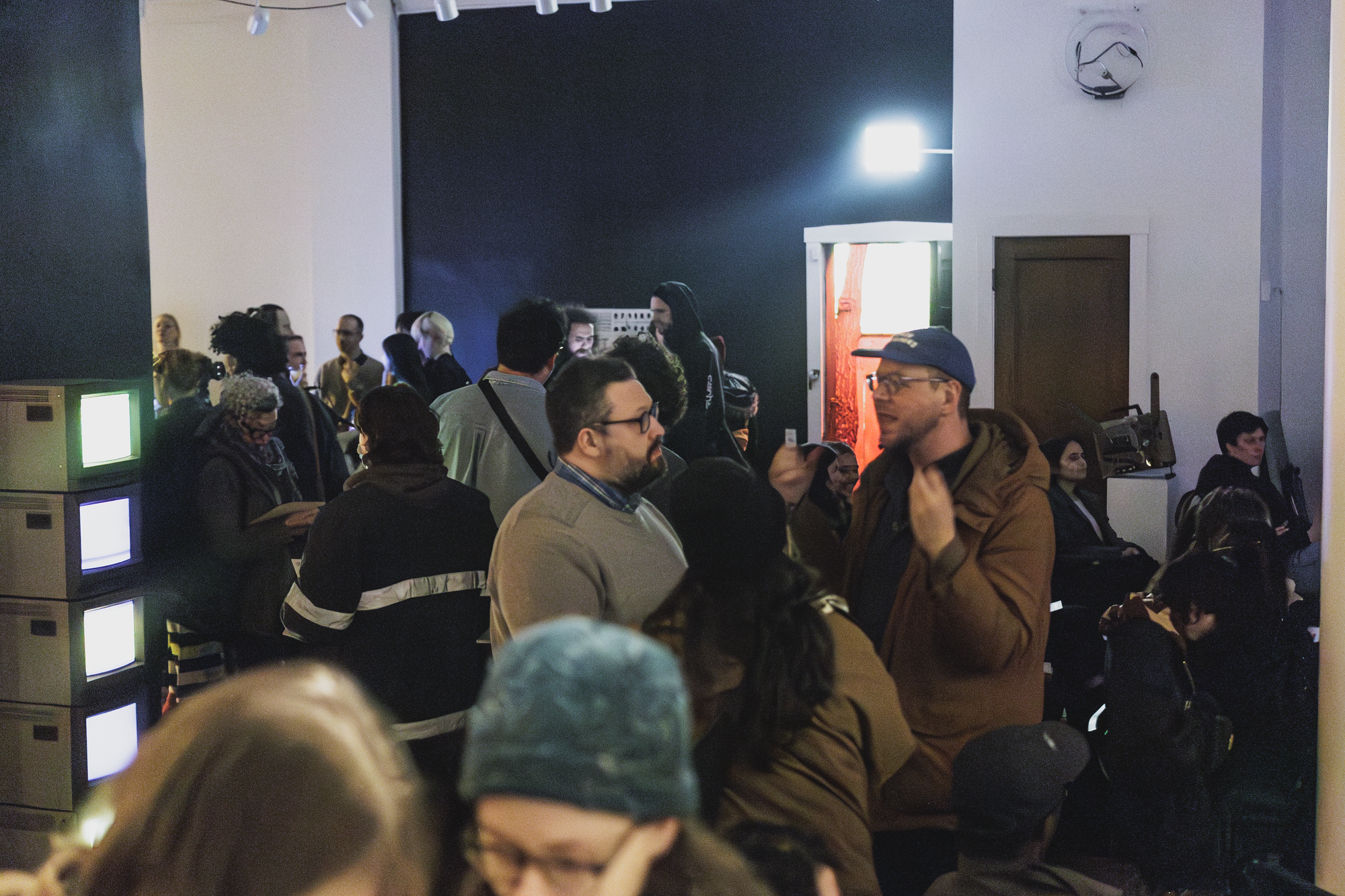
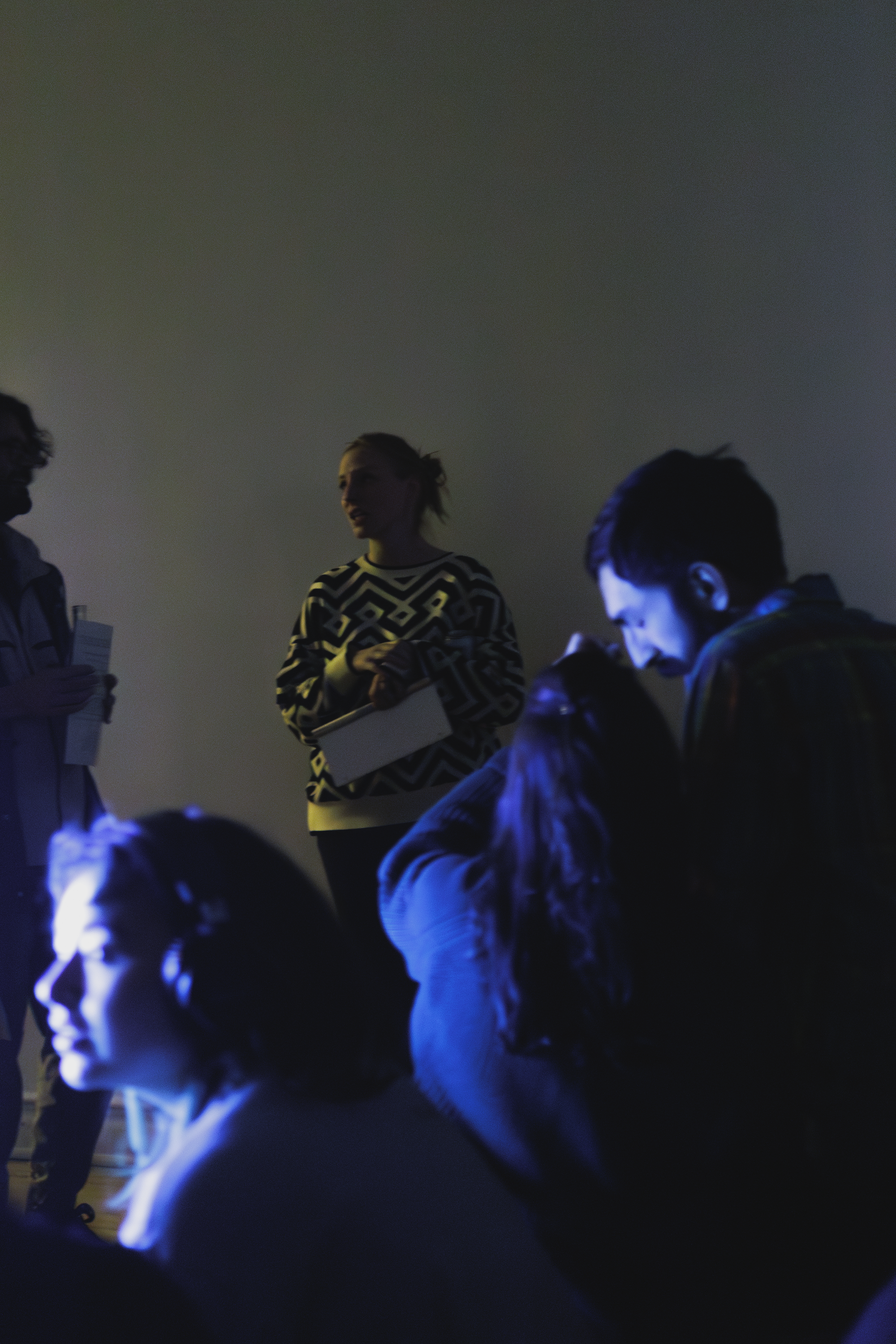
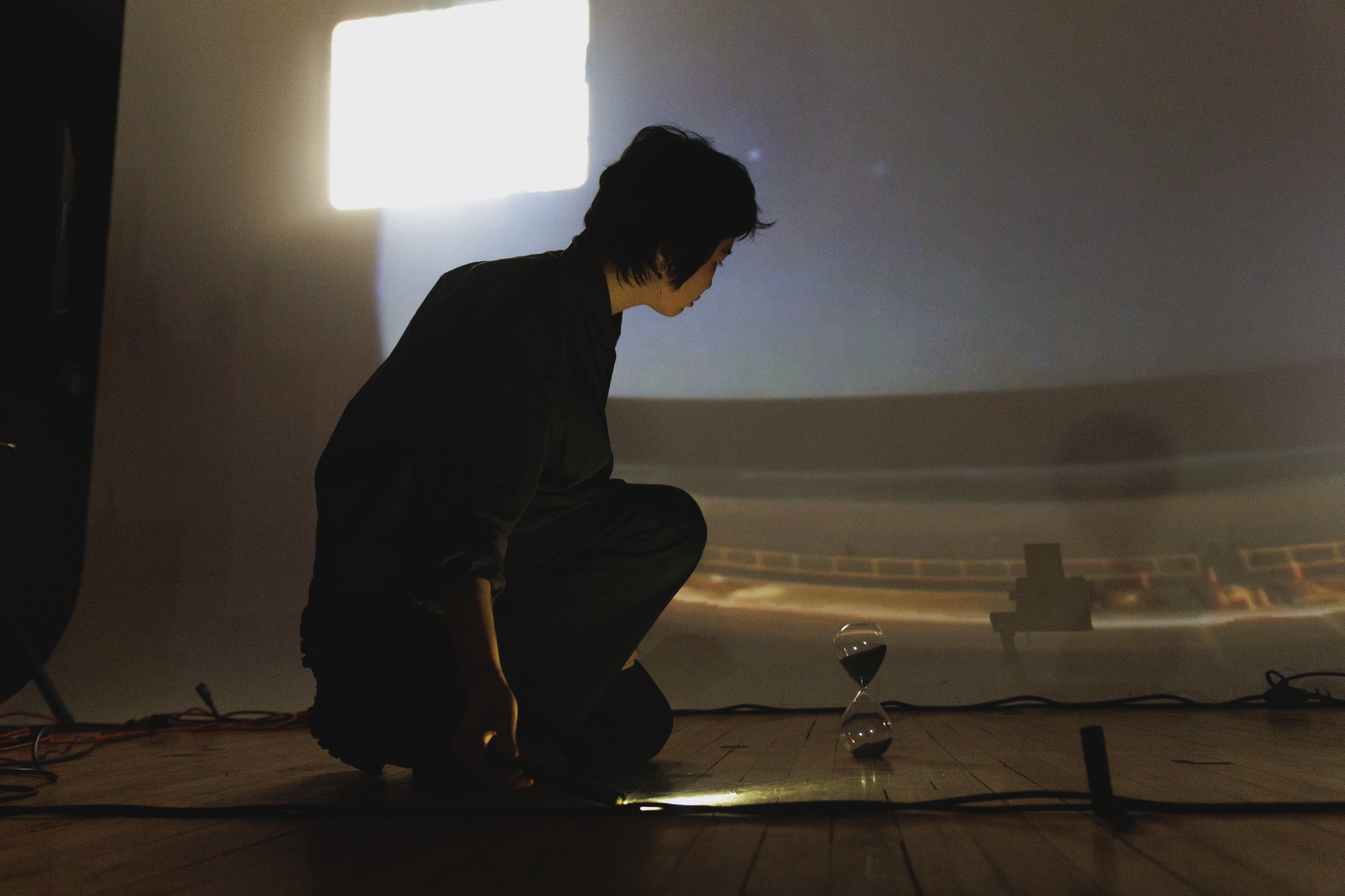
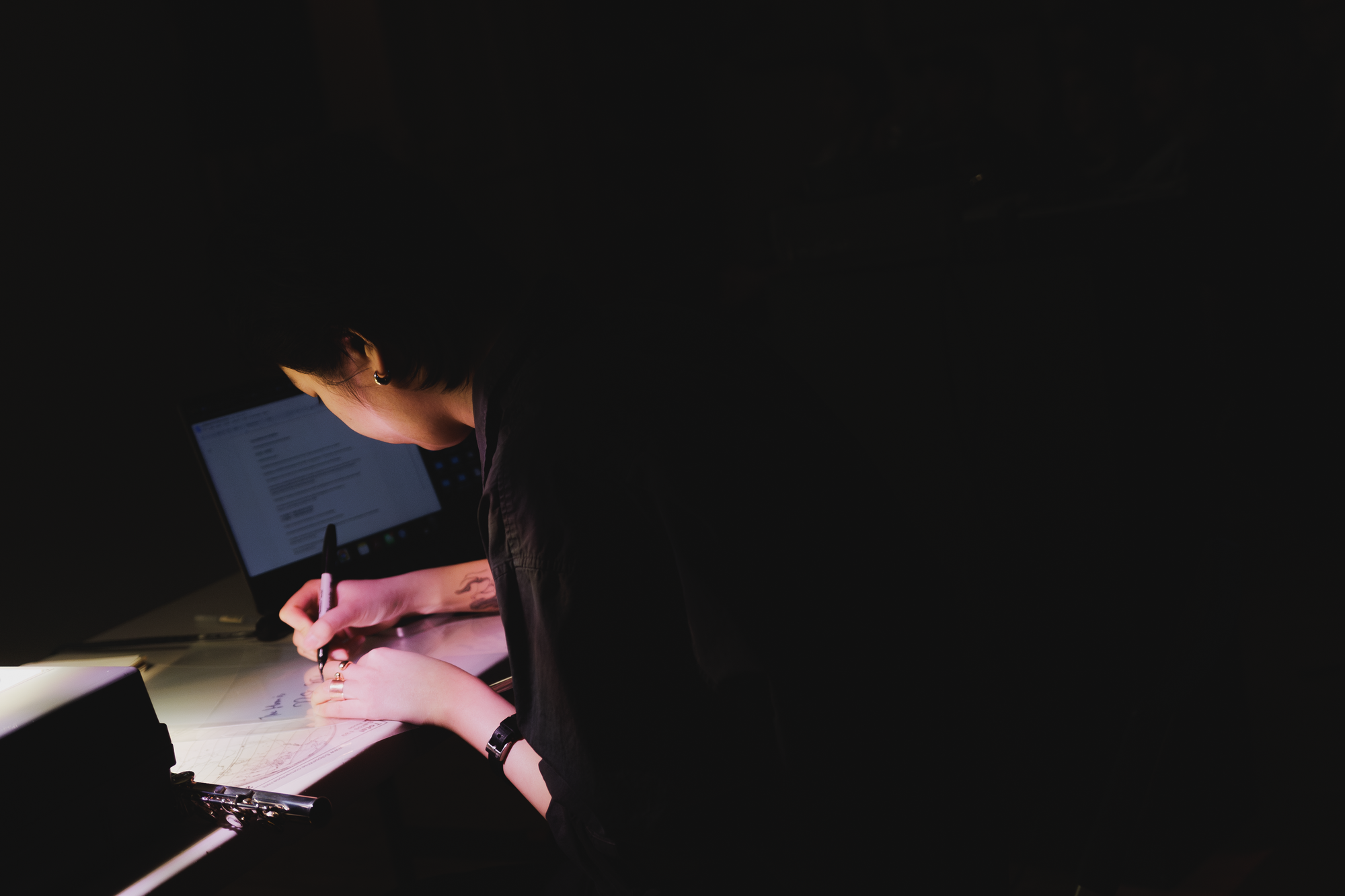
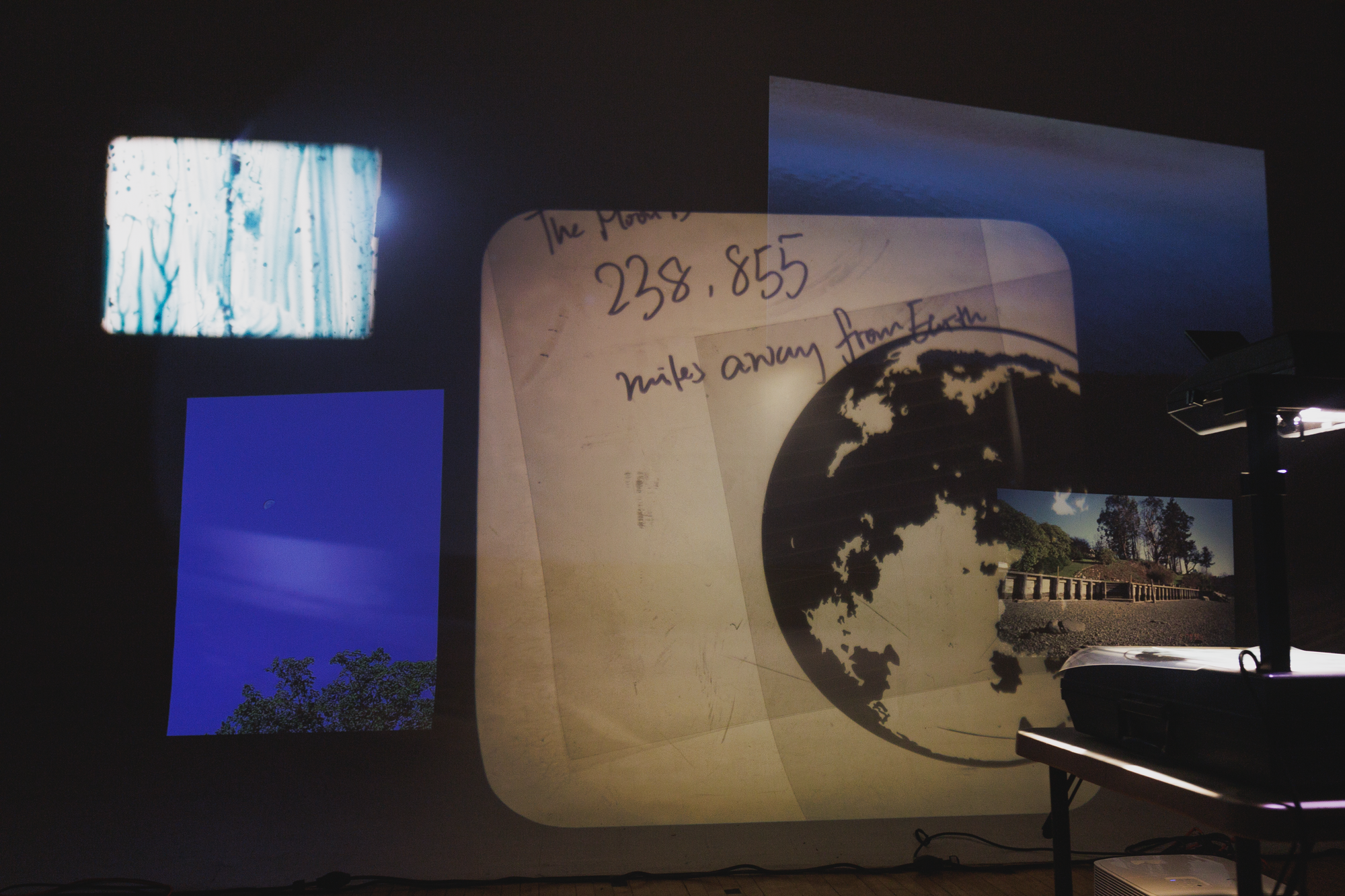
Rather than treating cinema as a fixed format or a work contained by a screen, the series approaches it as a live, collective, and technically heterogeneous situation. Artists bring moving image into contact with performance, analog and digital signal processing, sound, archival research, installation, and the bodies of performers and audiences. The resulting events test expanded cinema as a practice of resistance, rupture, and reconfiguration of mediated experience.
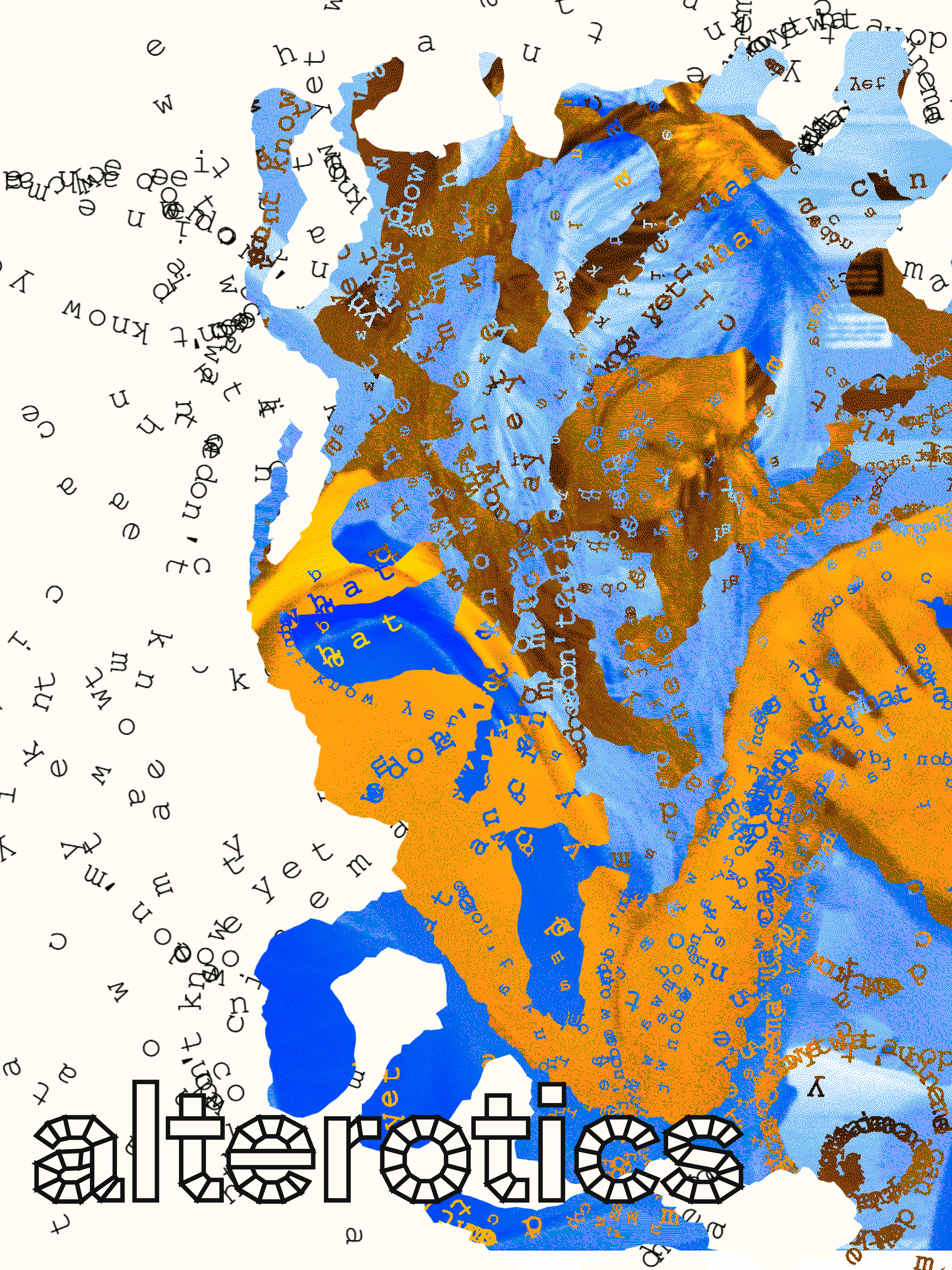
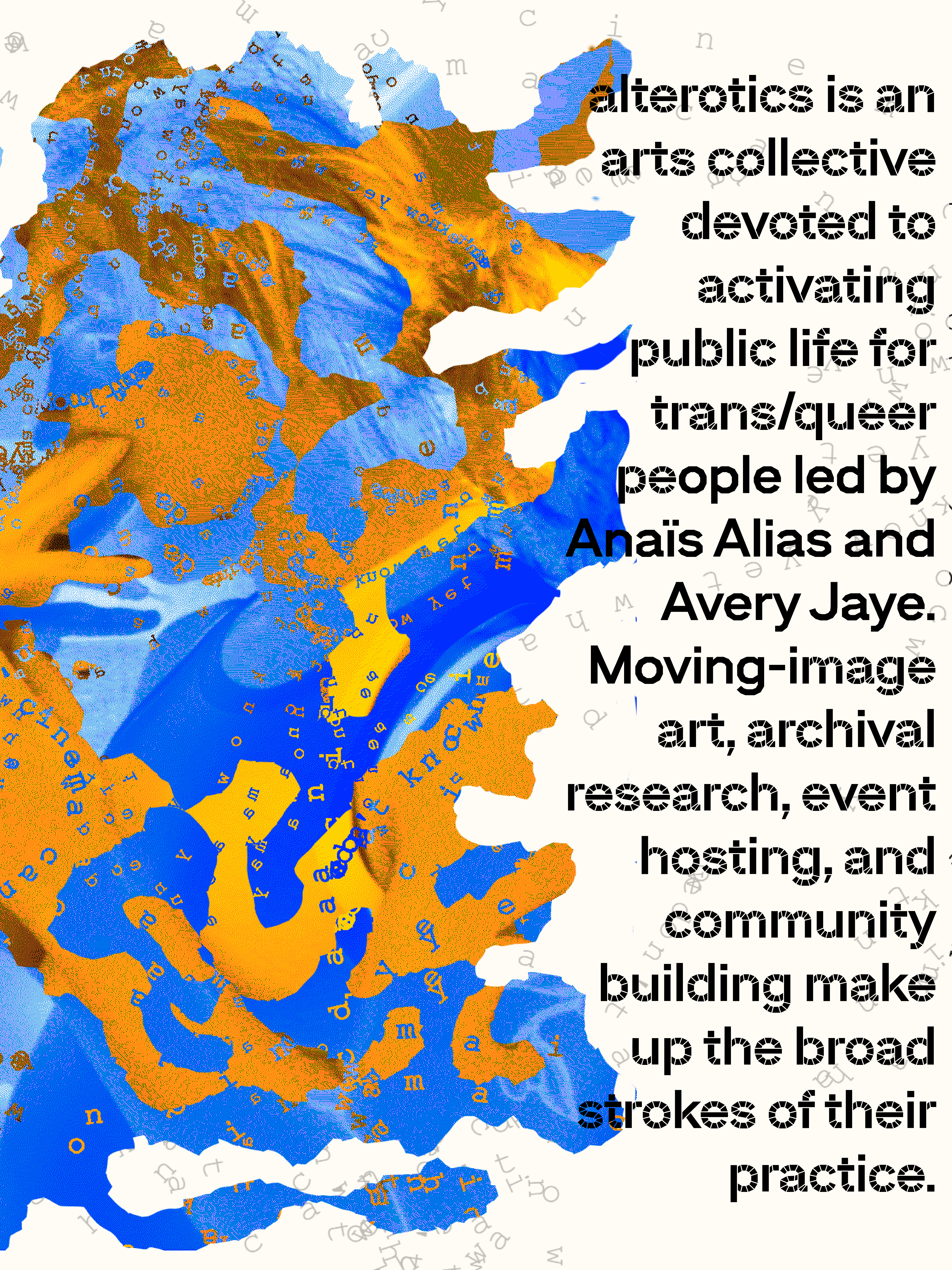
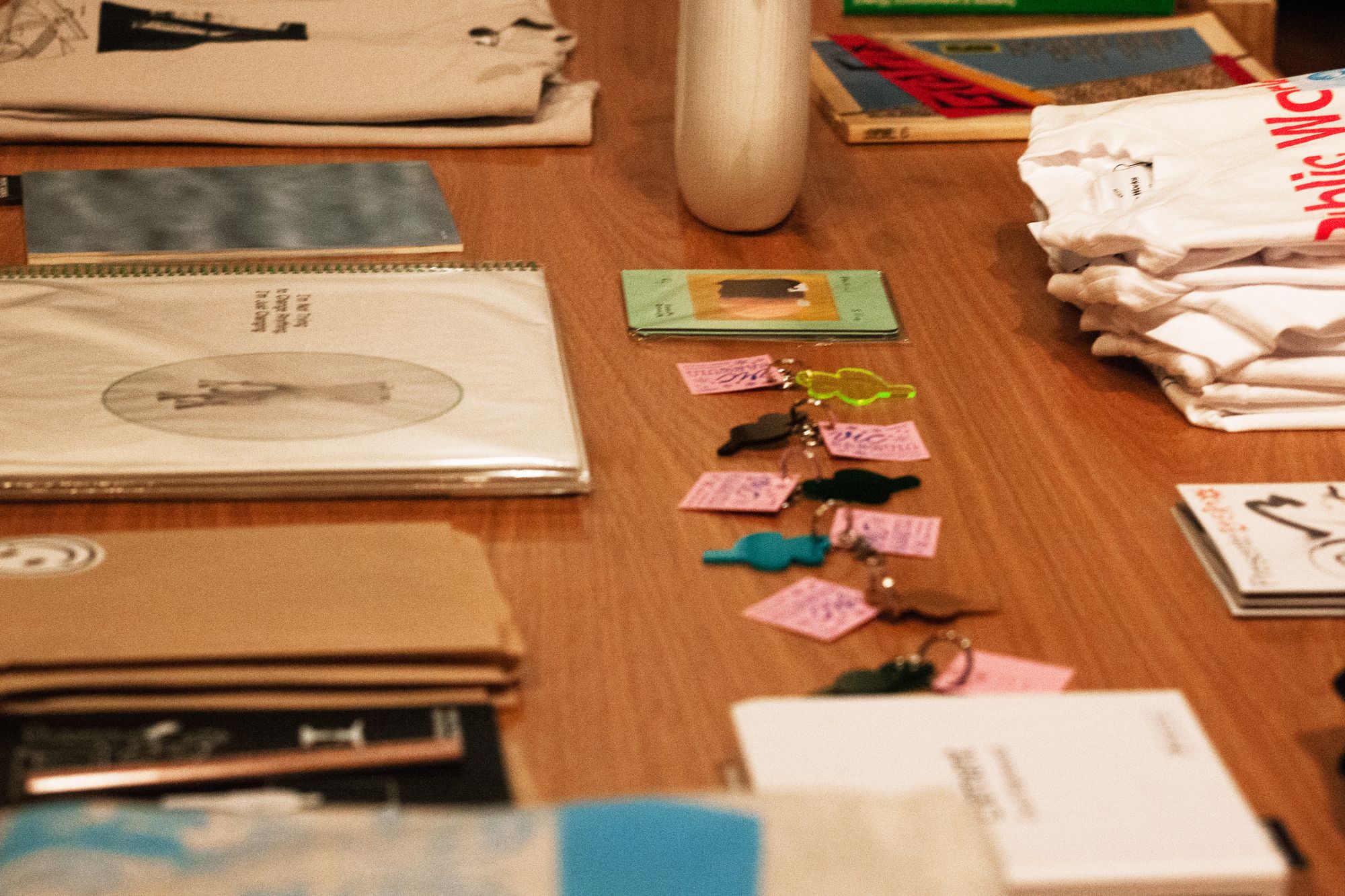
Throughout the project, I have designed the graphic visual language of the project for Instagram, posters, and zines.
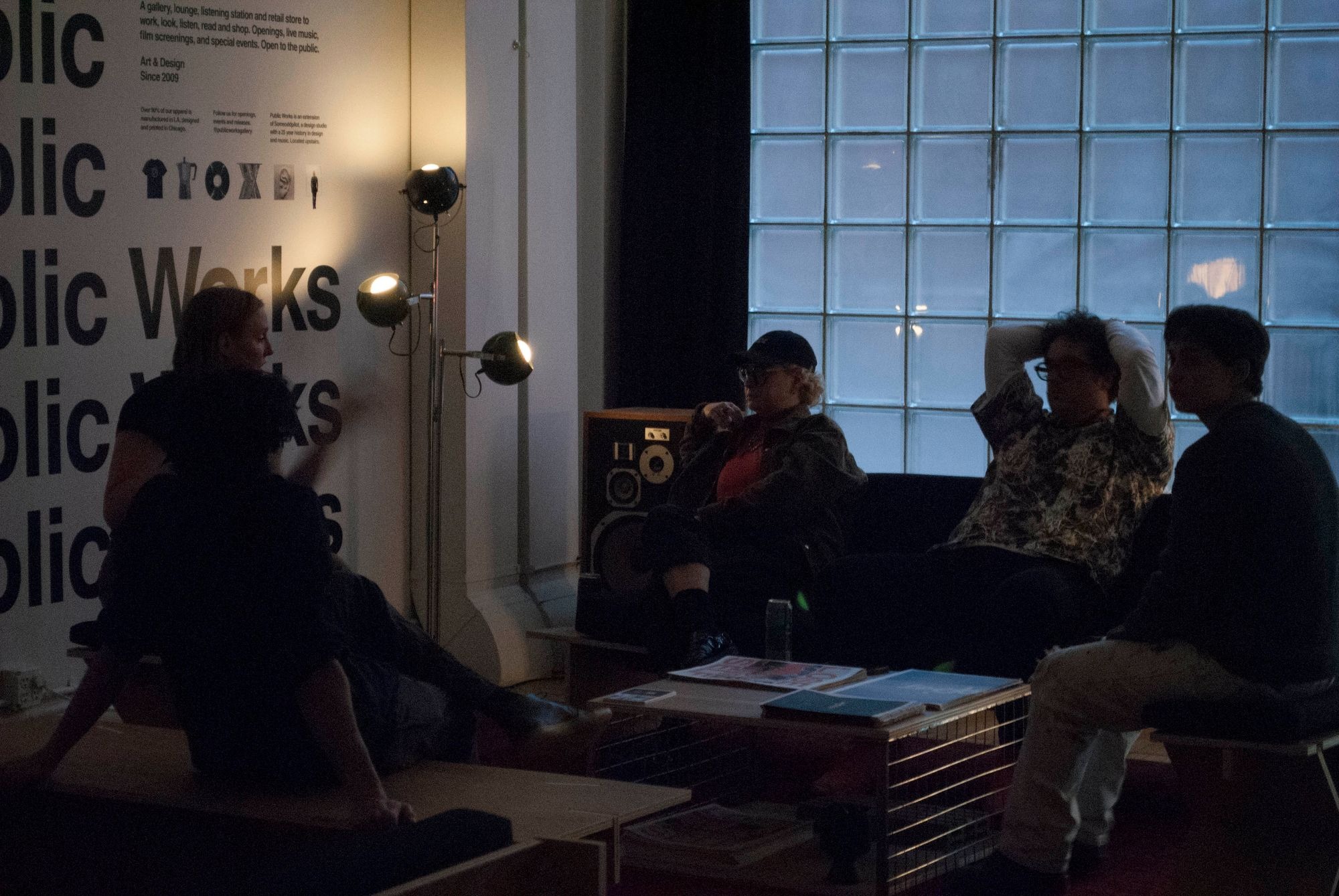
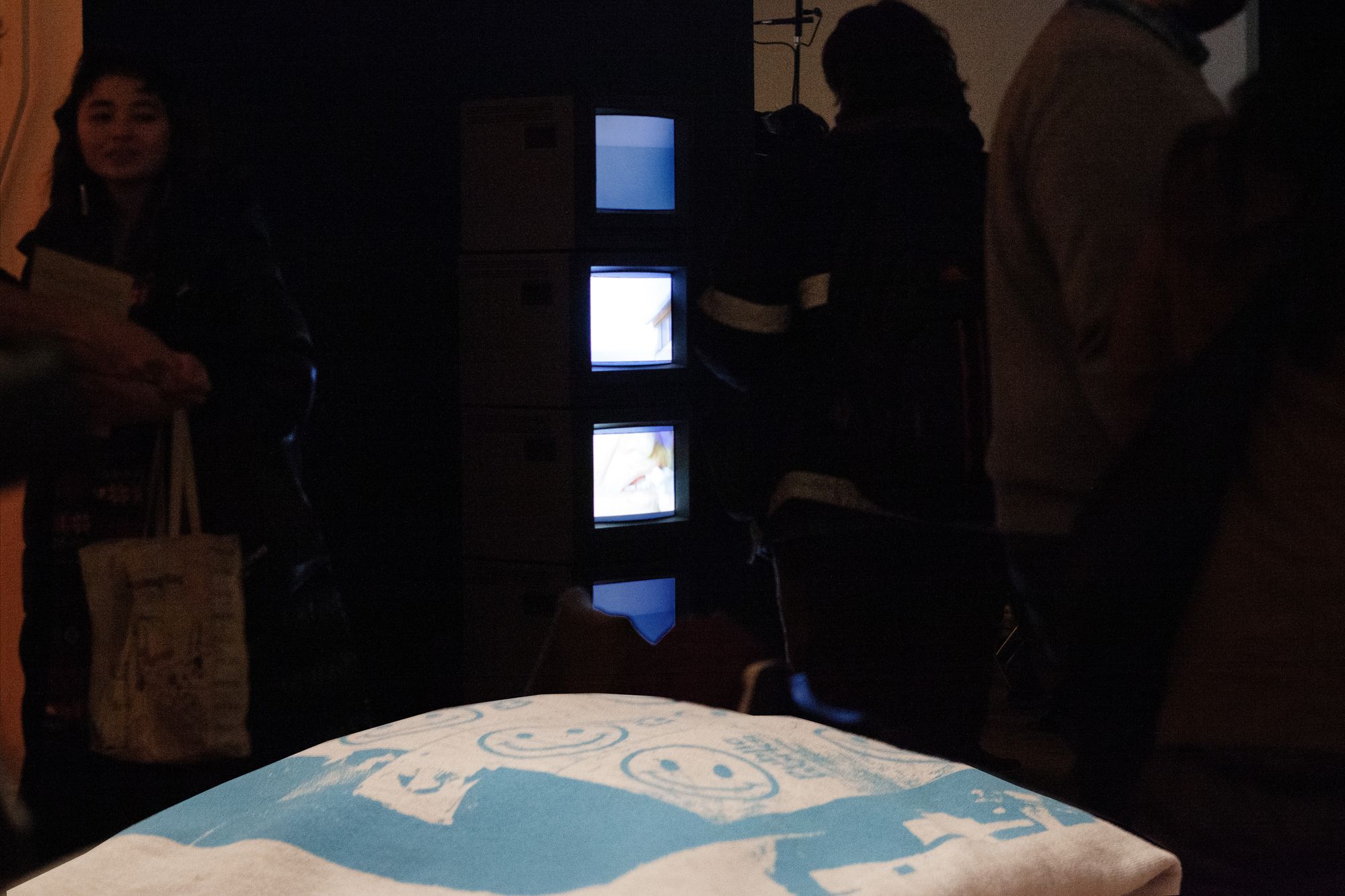
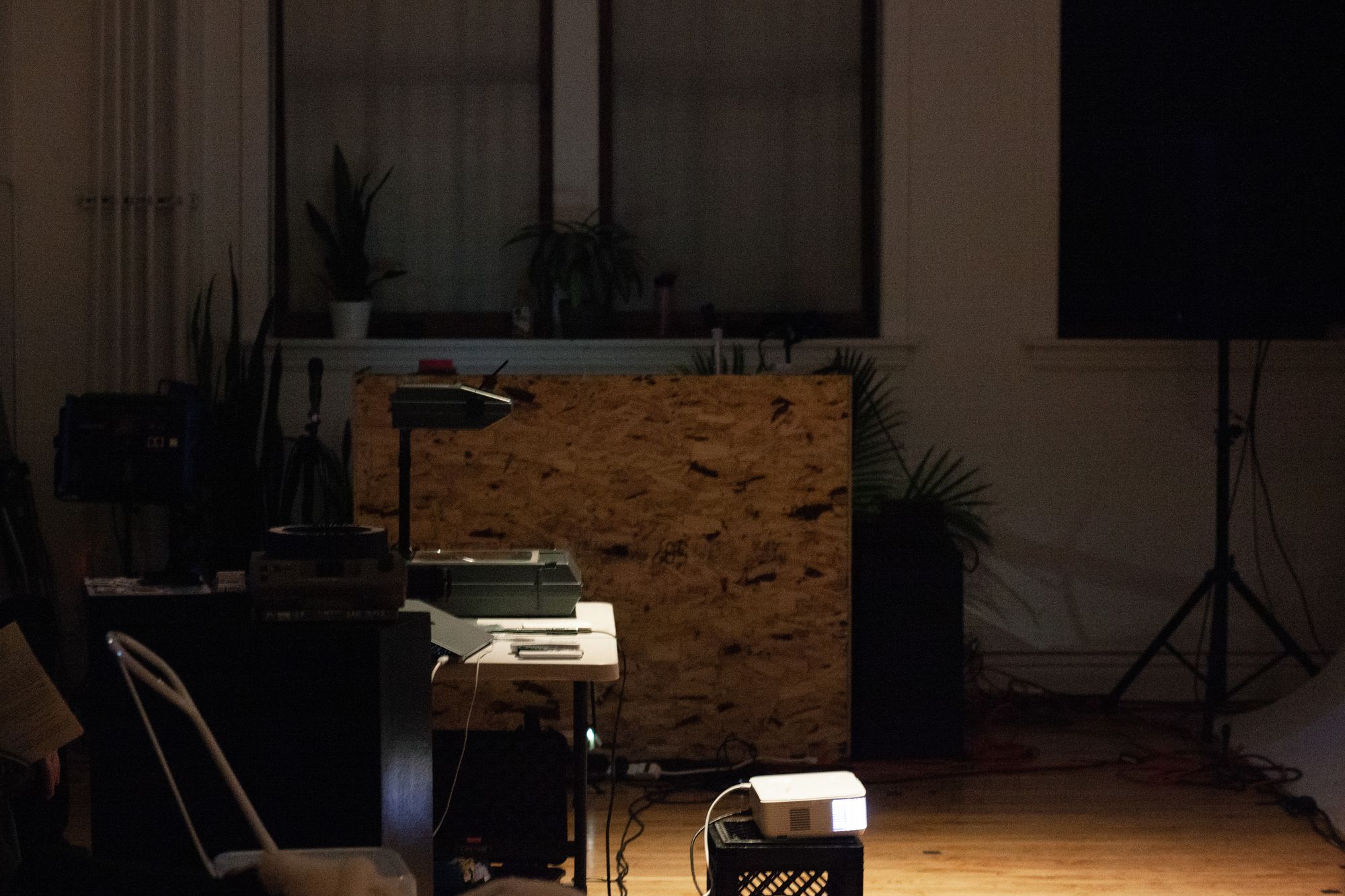
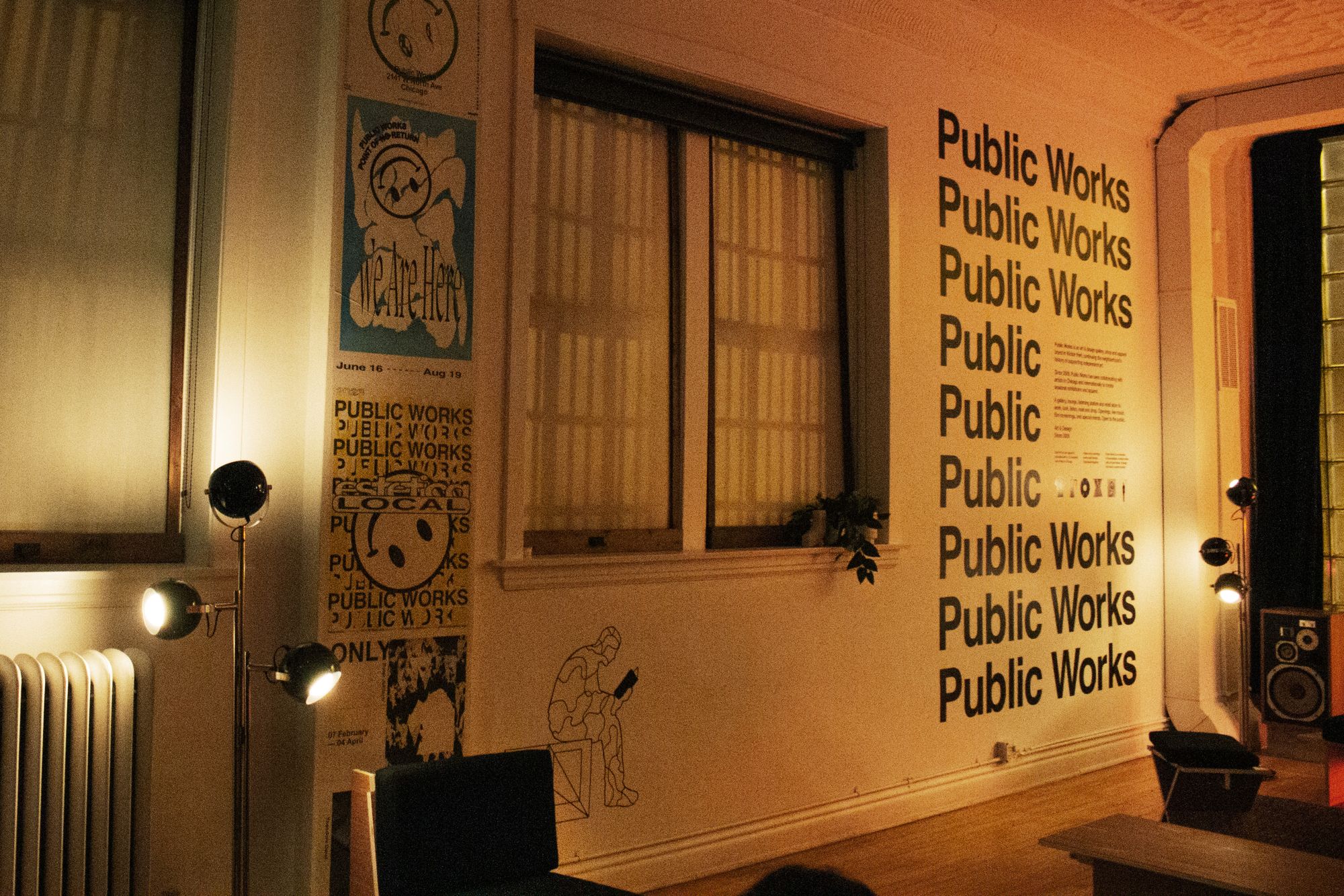
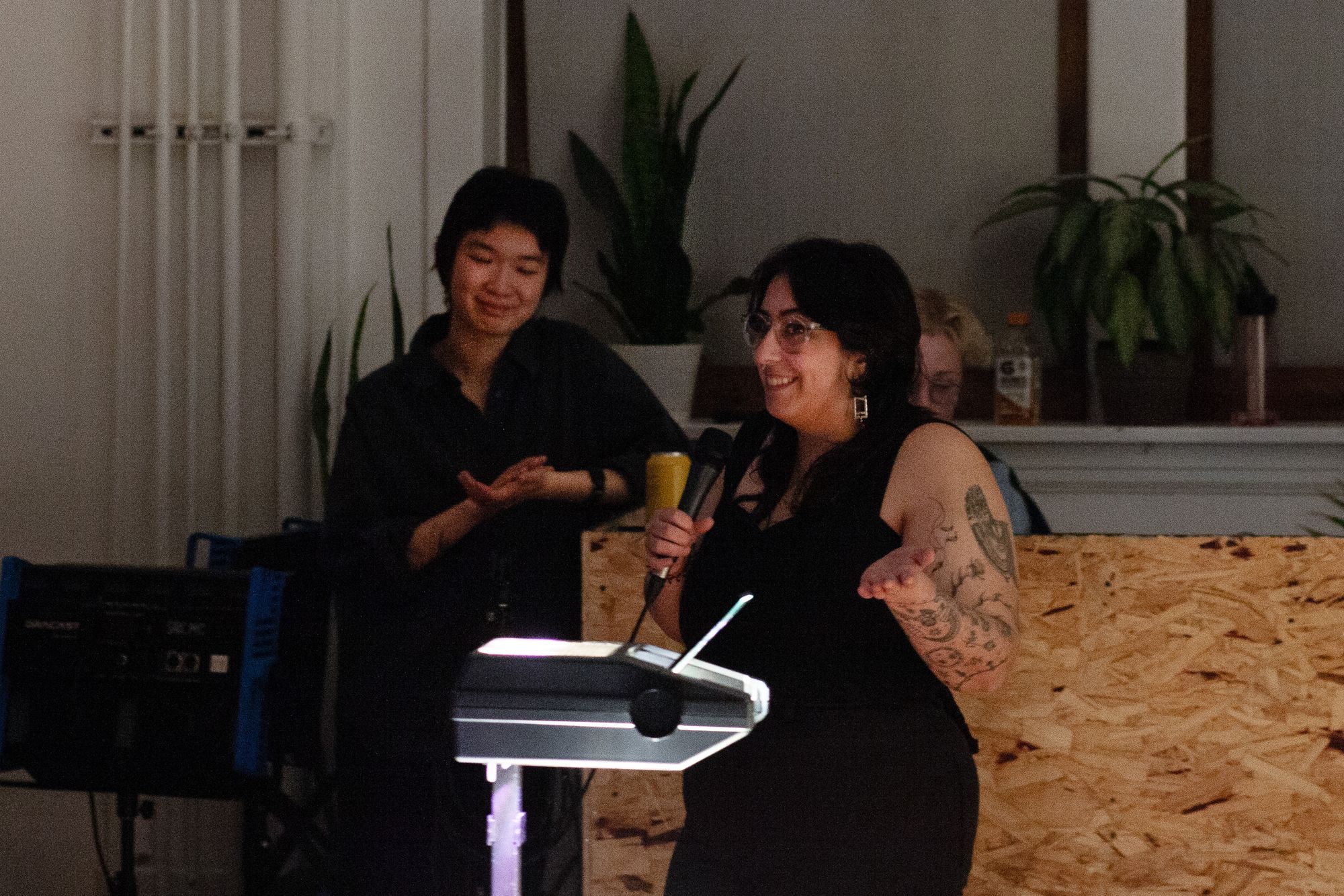
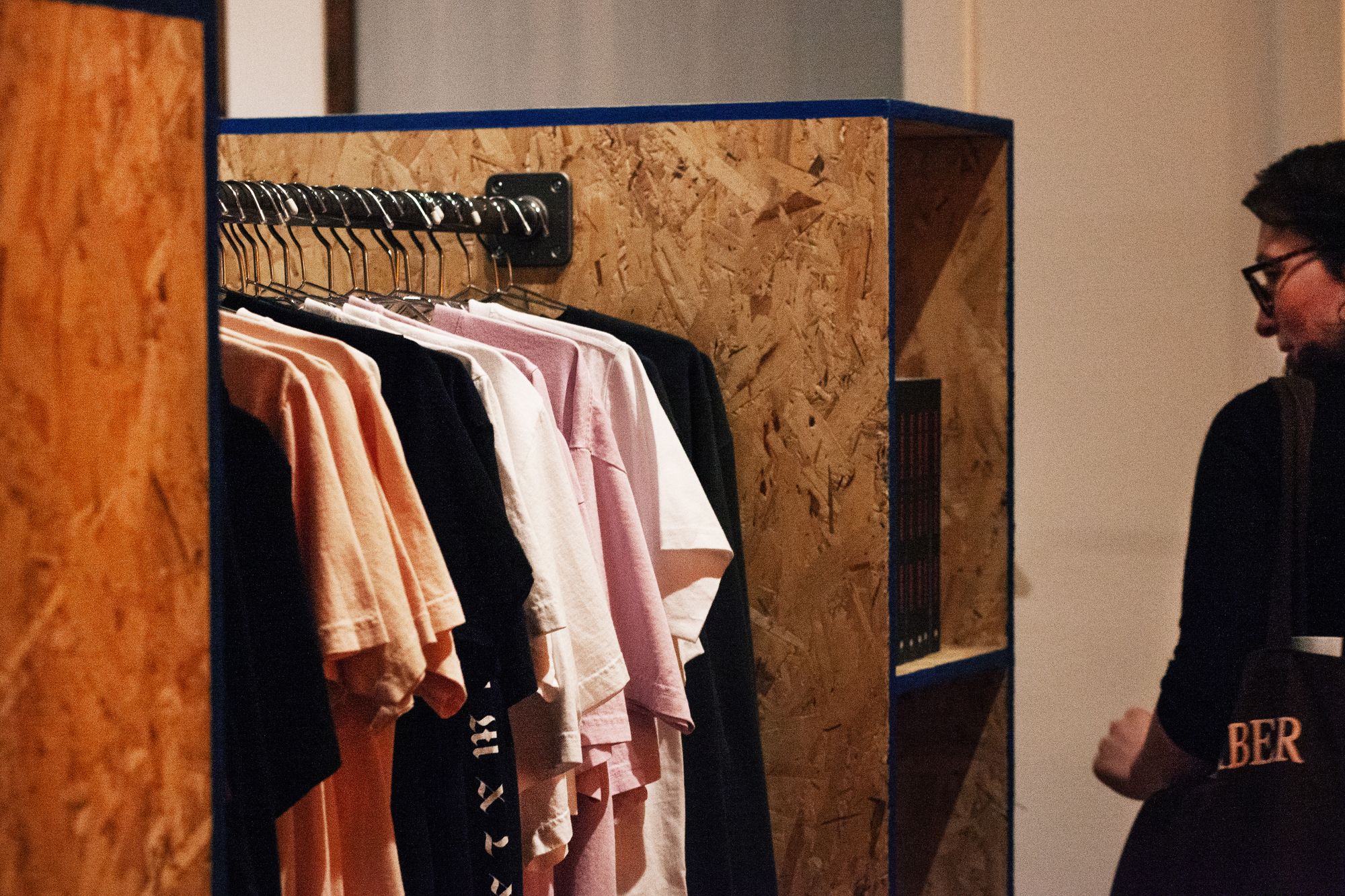
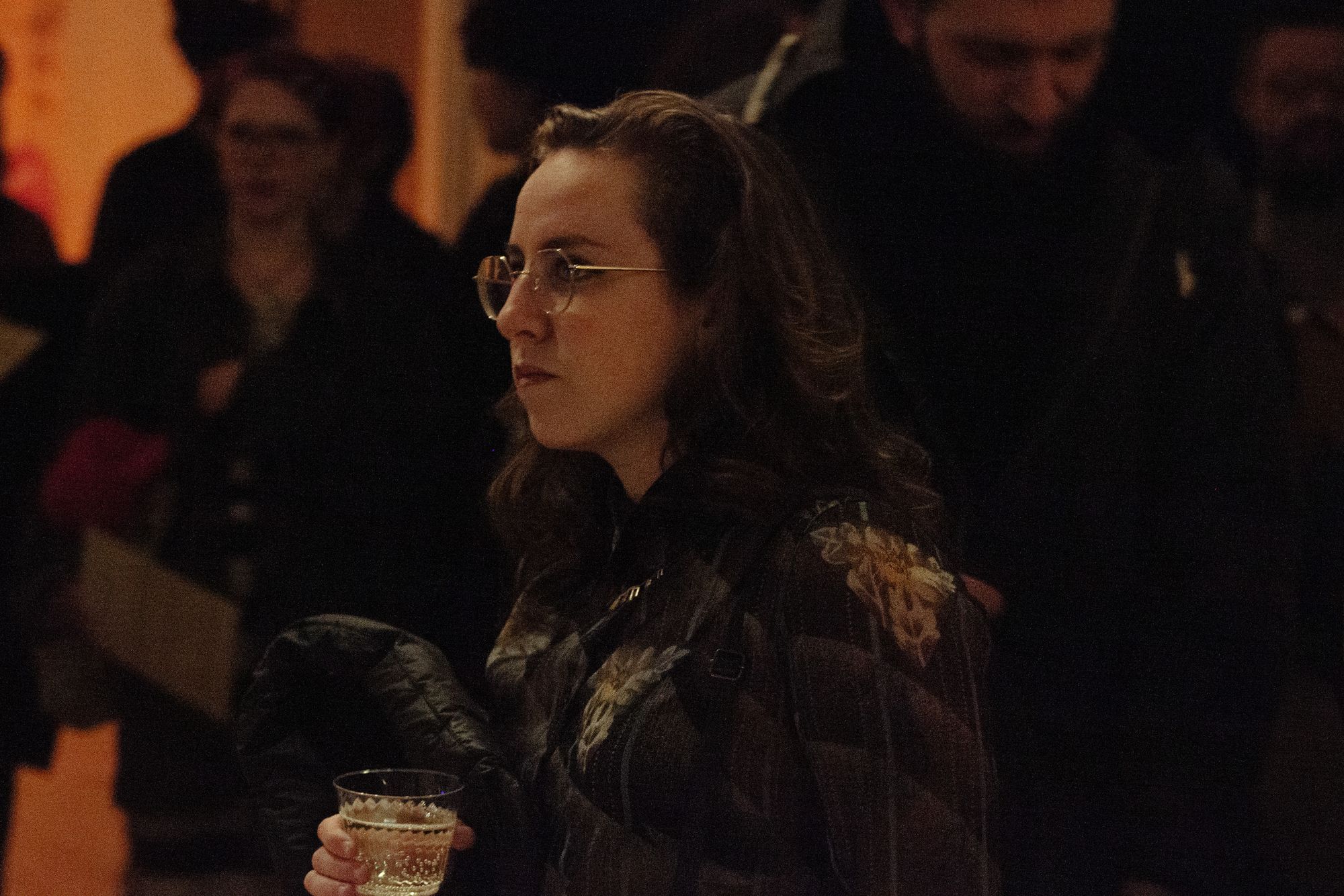
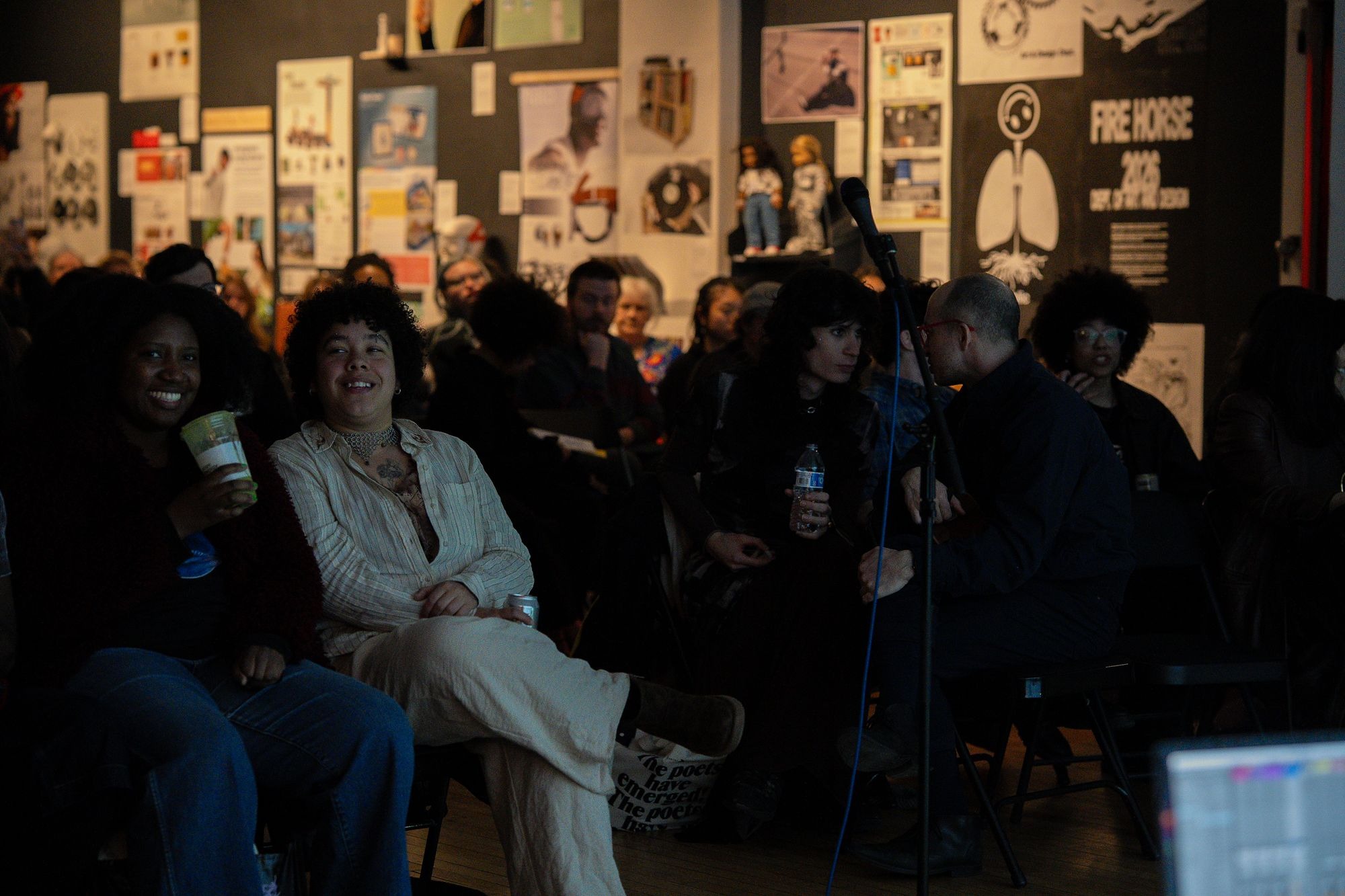
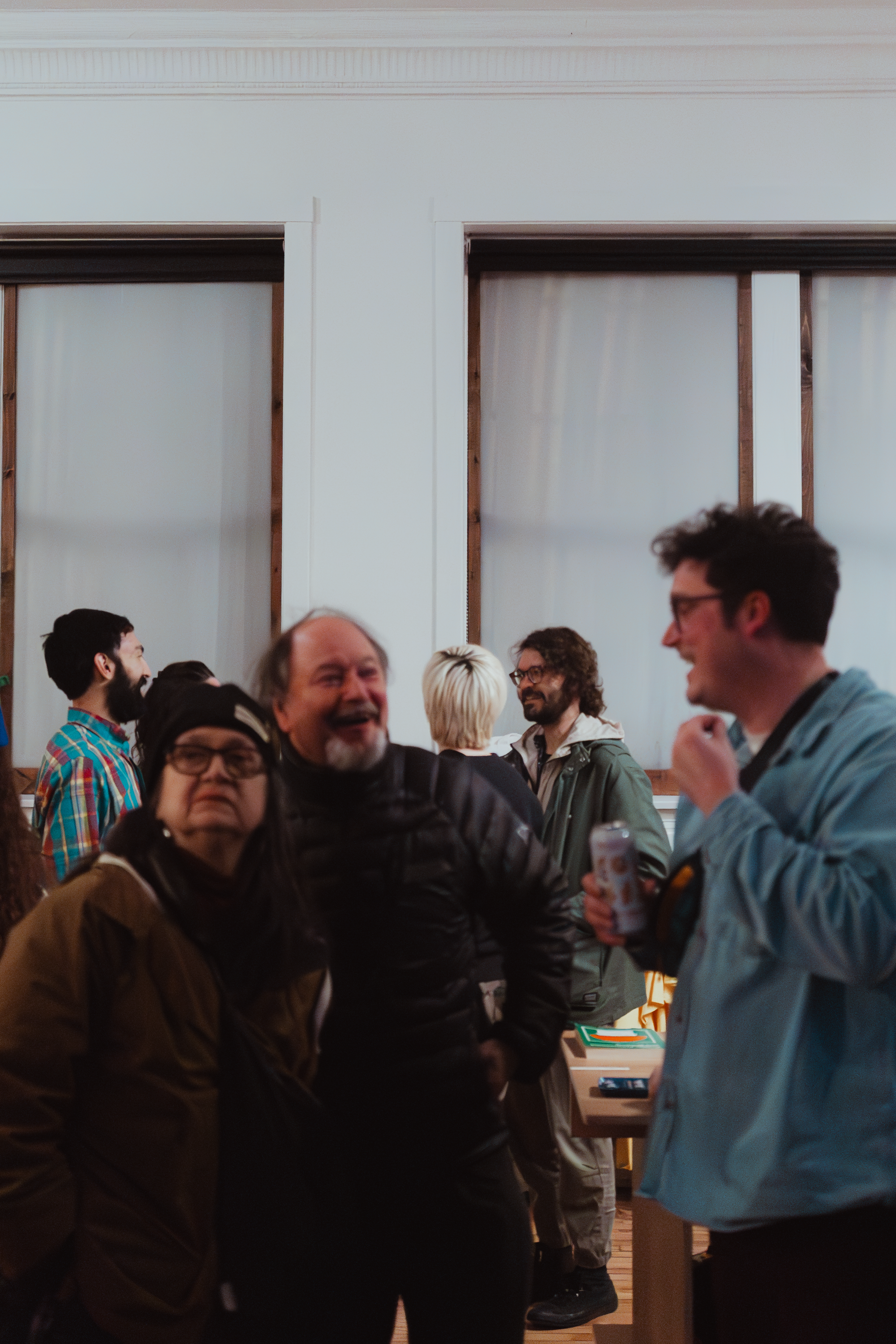
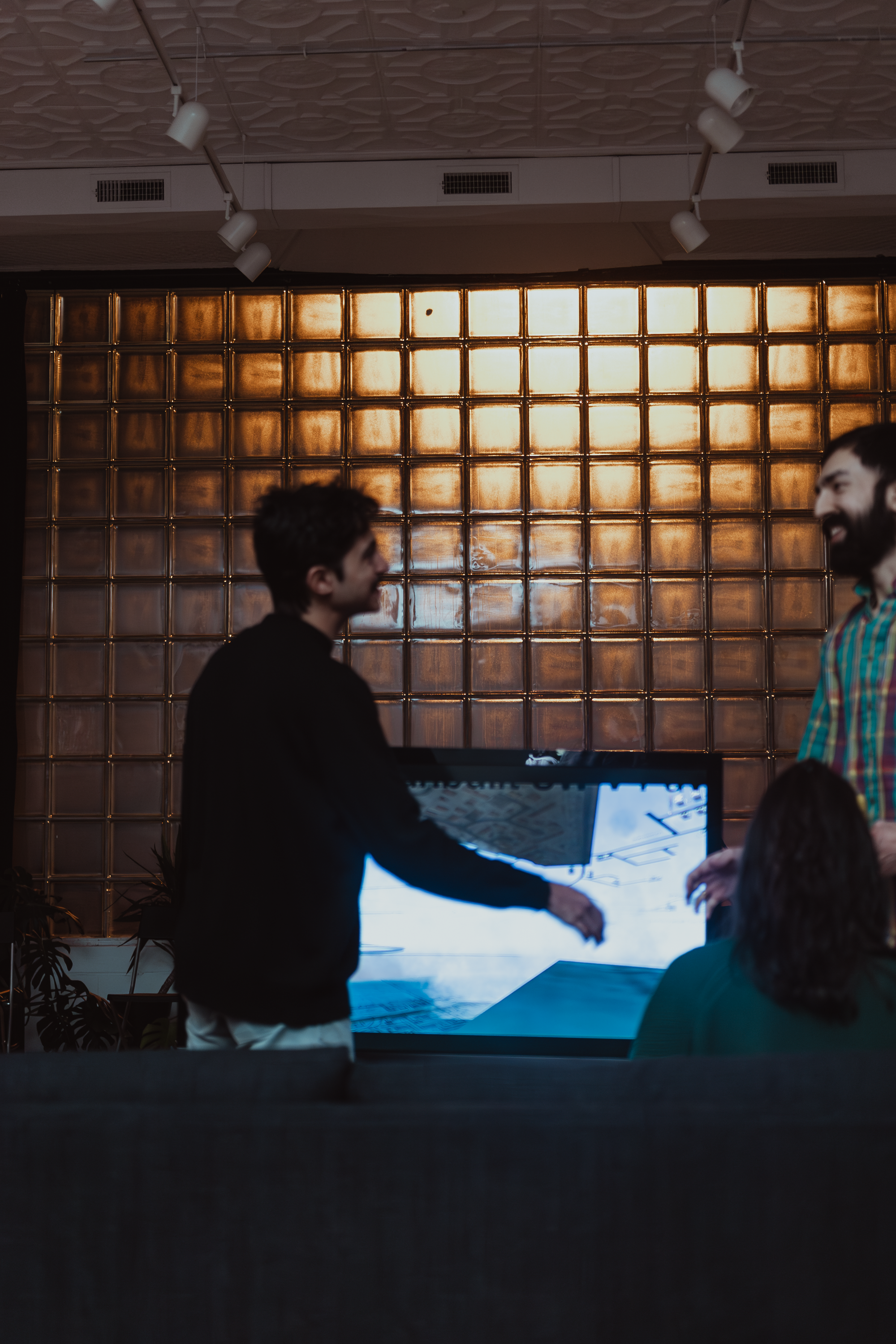
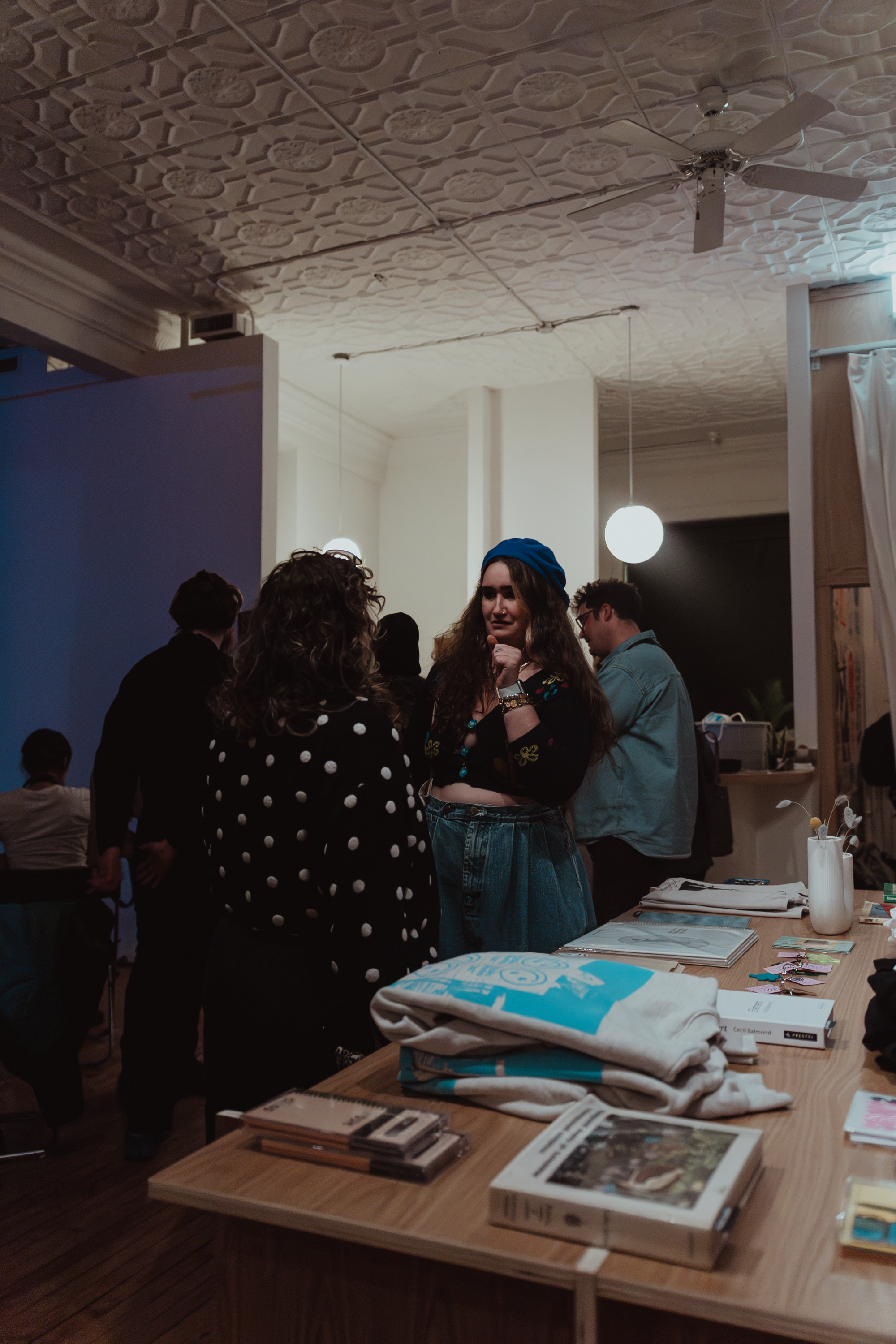
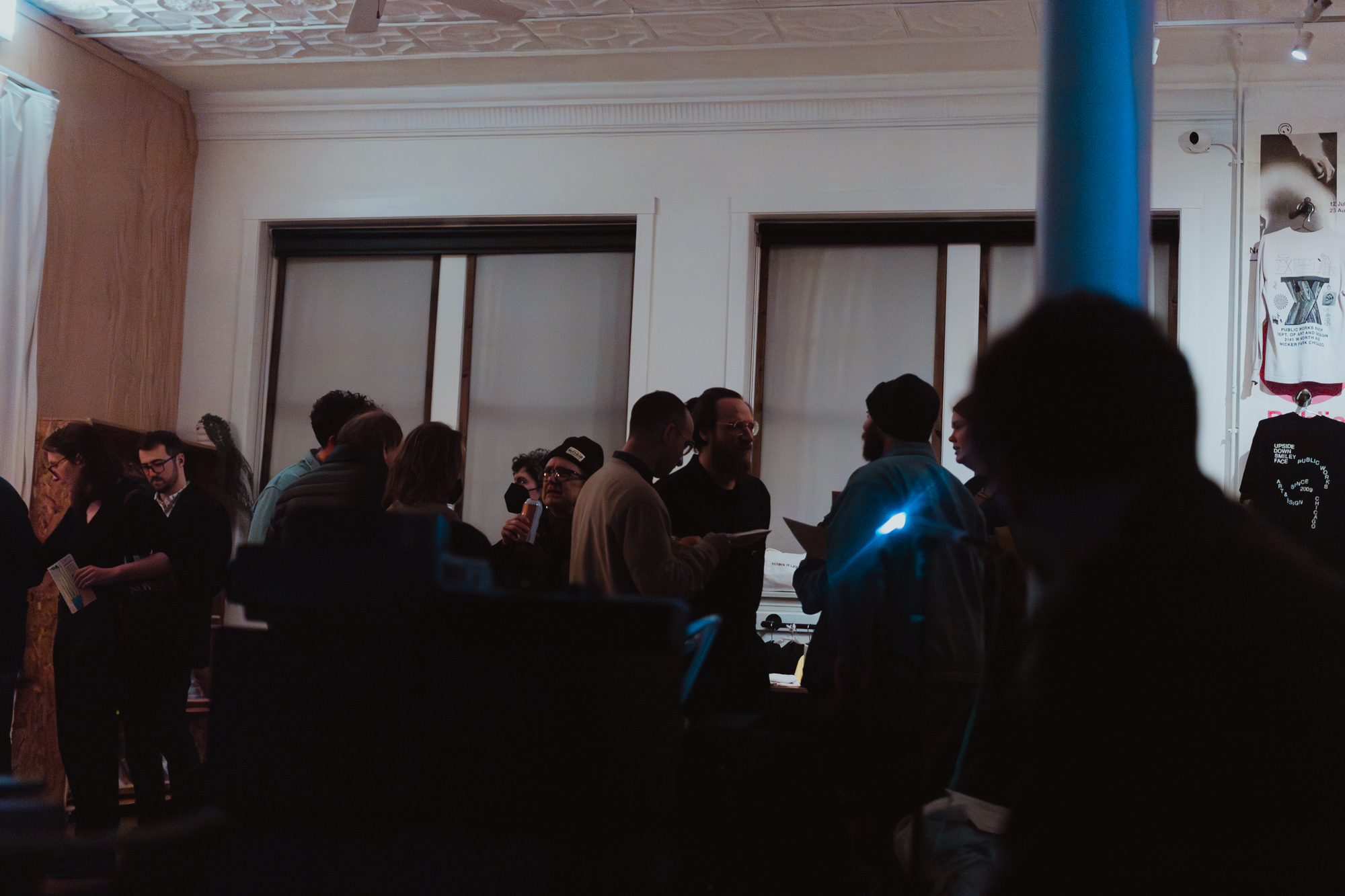
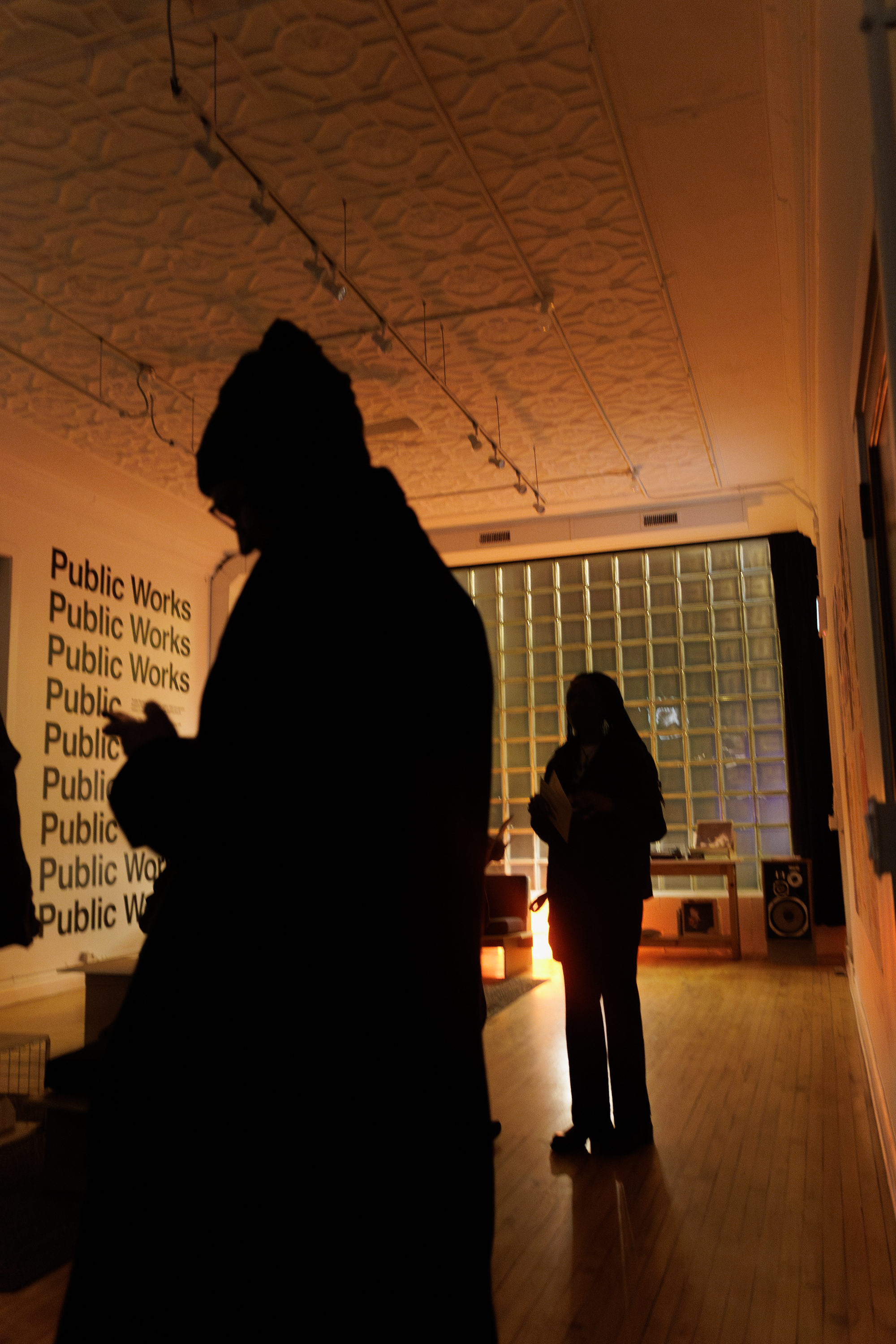
All three versions have been hosted at Public Works in Wicker Park.
Editions
2024
The inaugural program was developed adjacent to the Onion City Film Festival as a paid open call for artists and theorists working broadly with moving image and sound. Its curatorial statement situated expanded cinema between the histories of experimental film, new media, and the political problem of contemporary mediation.
2025
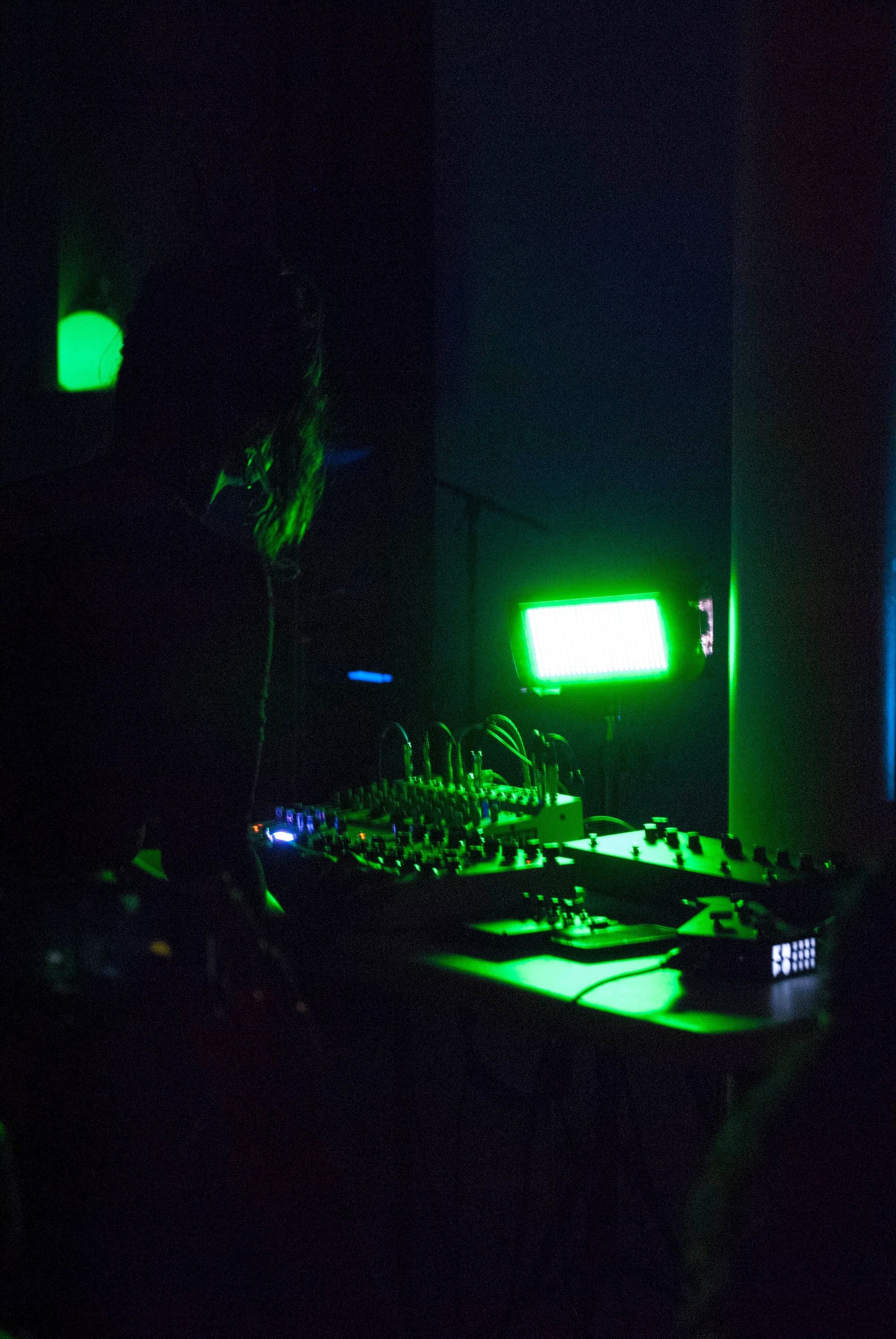
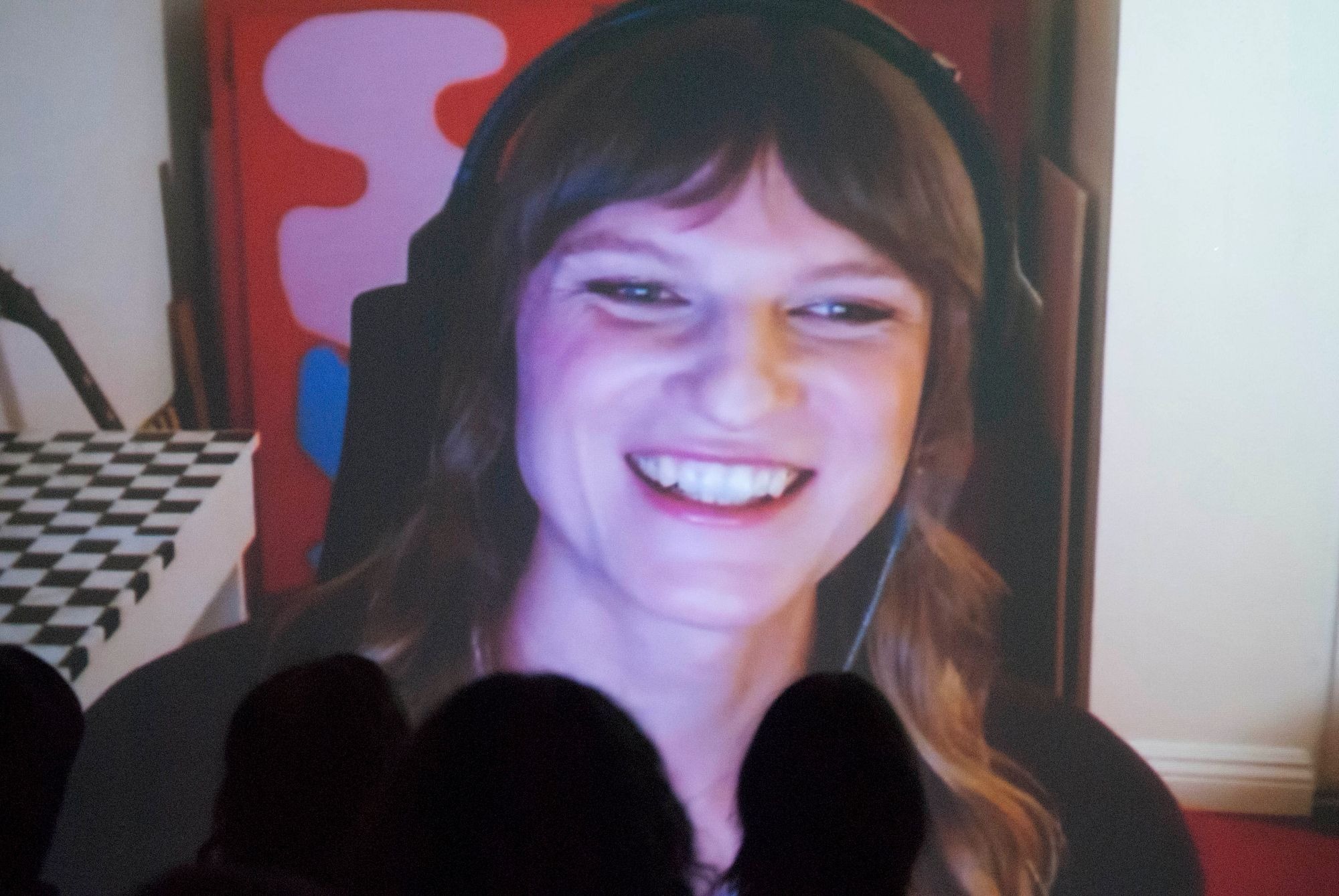
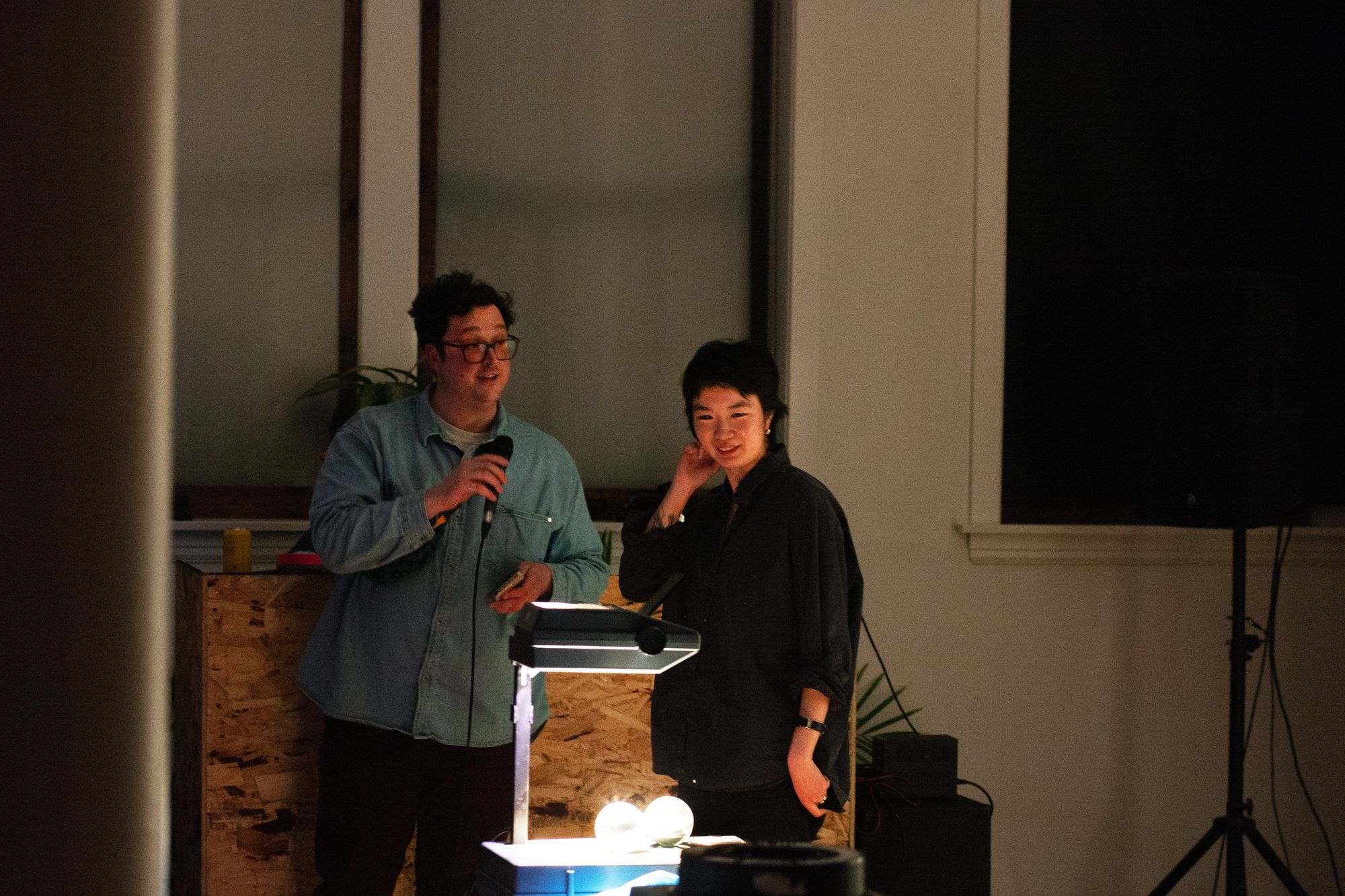
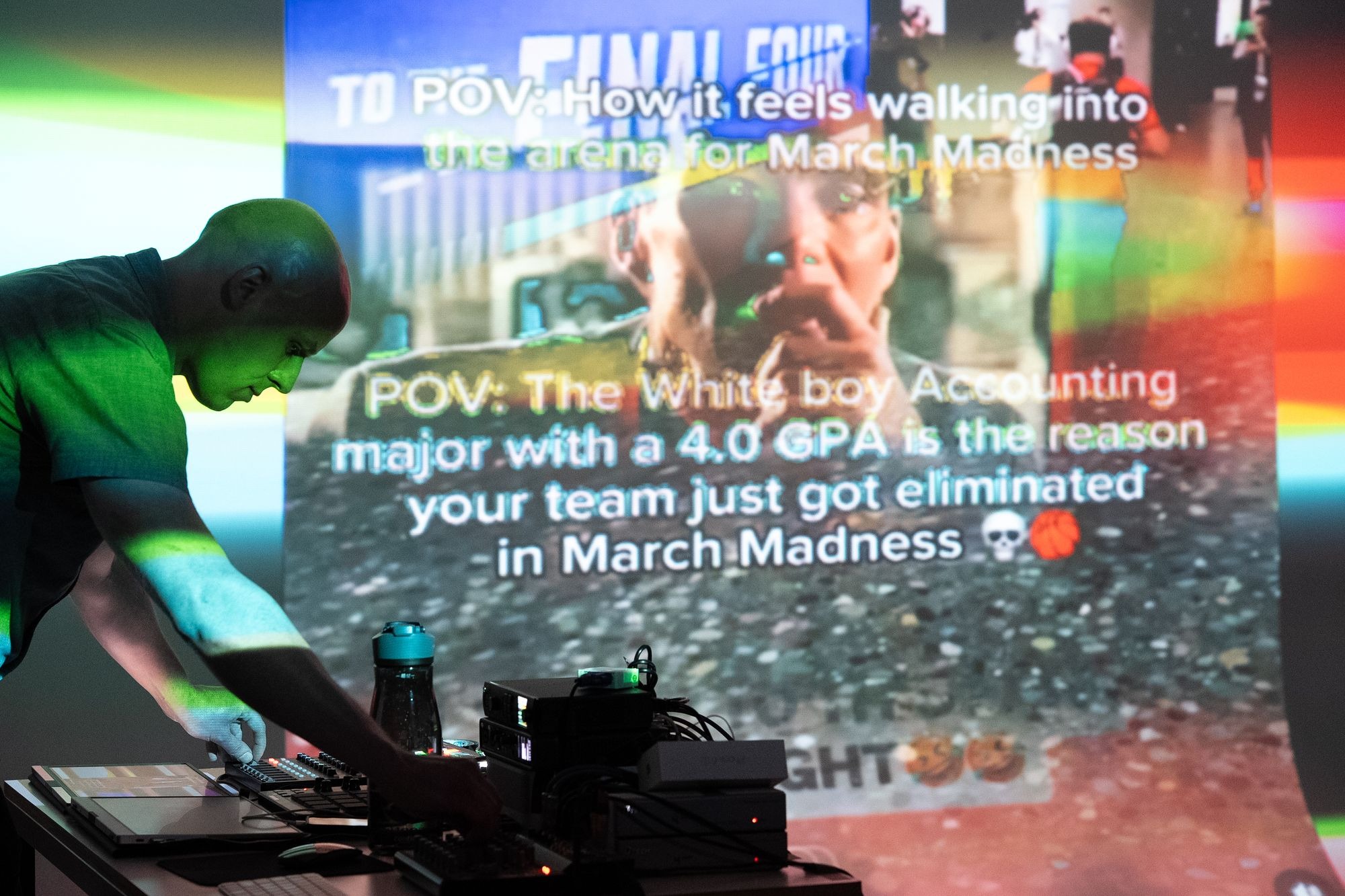
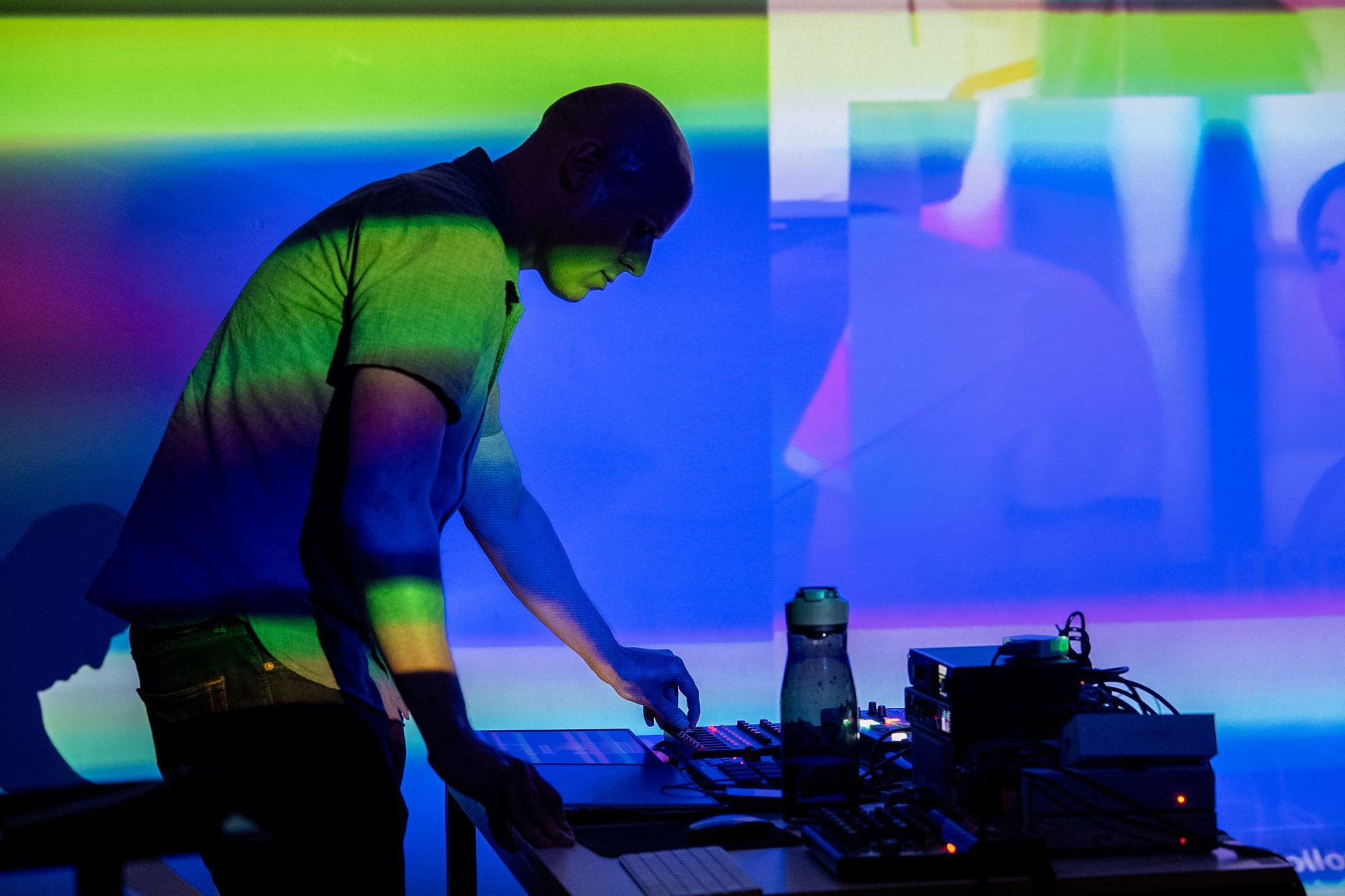
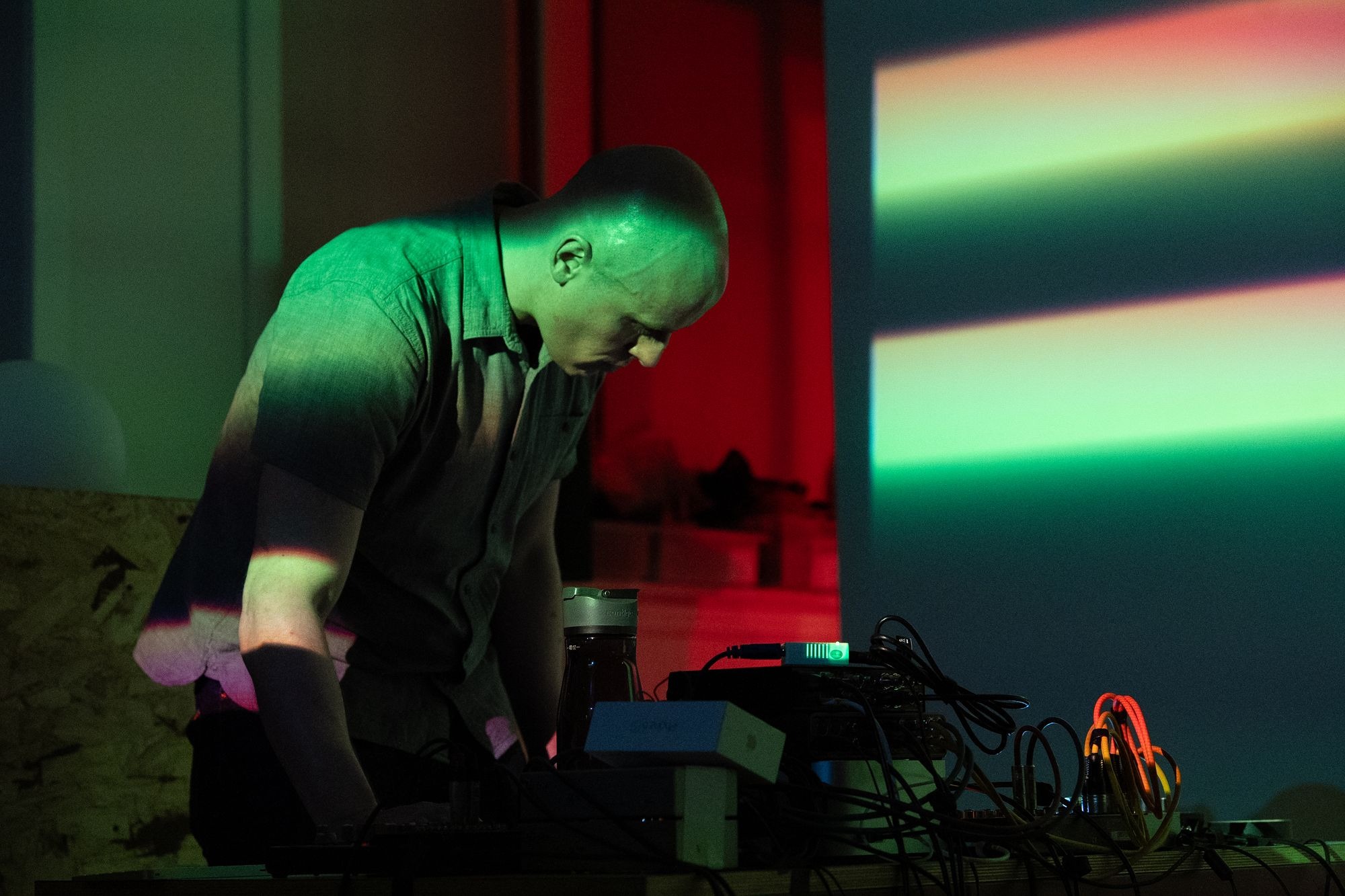
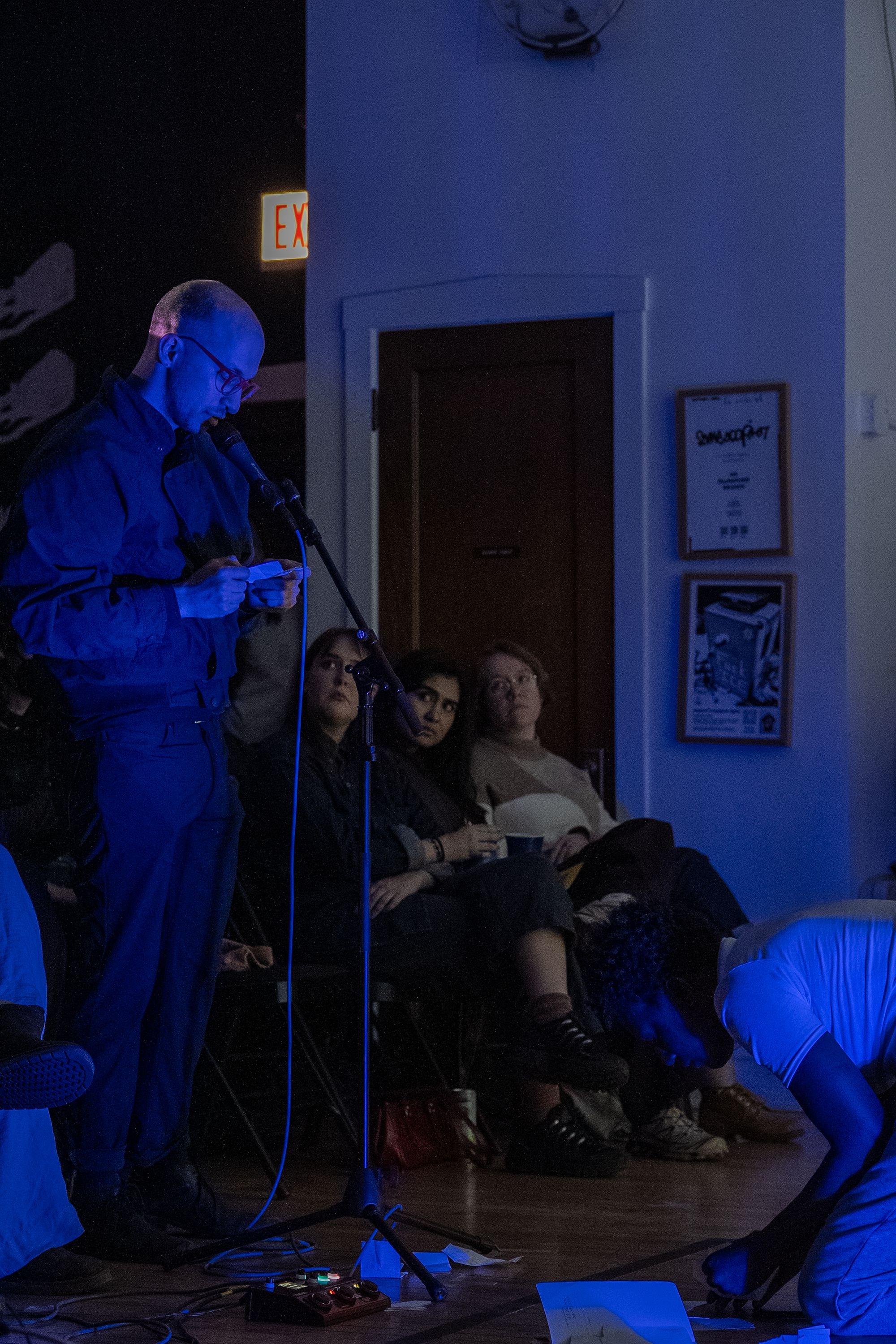
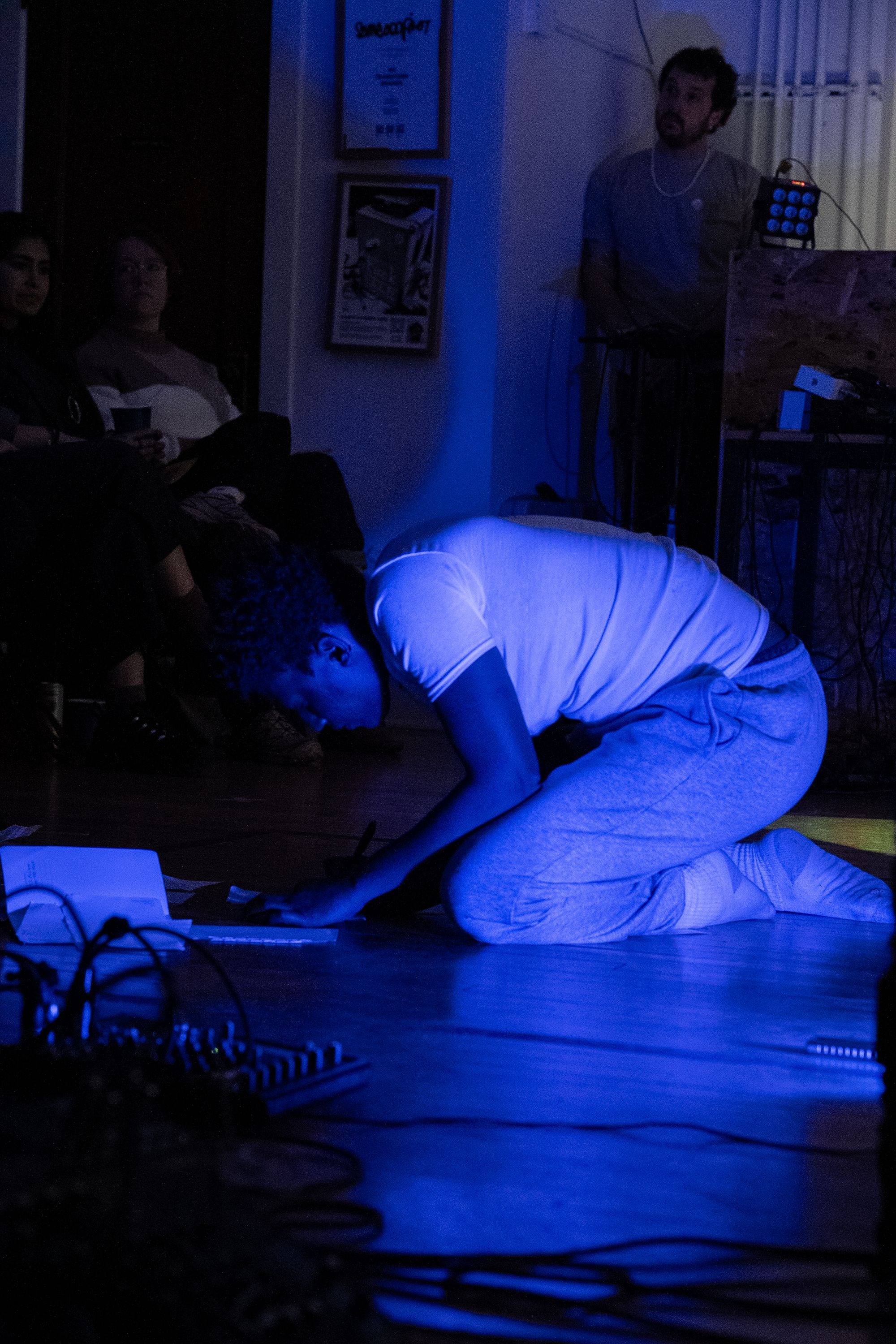
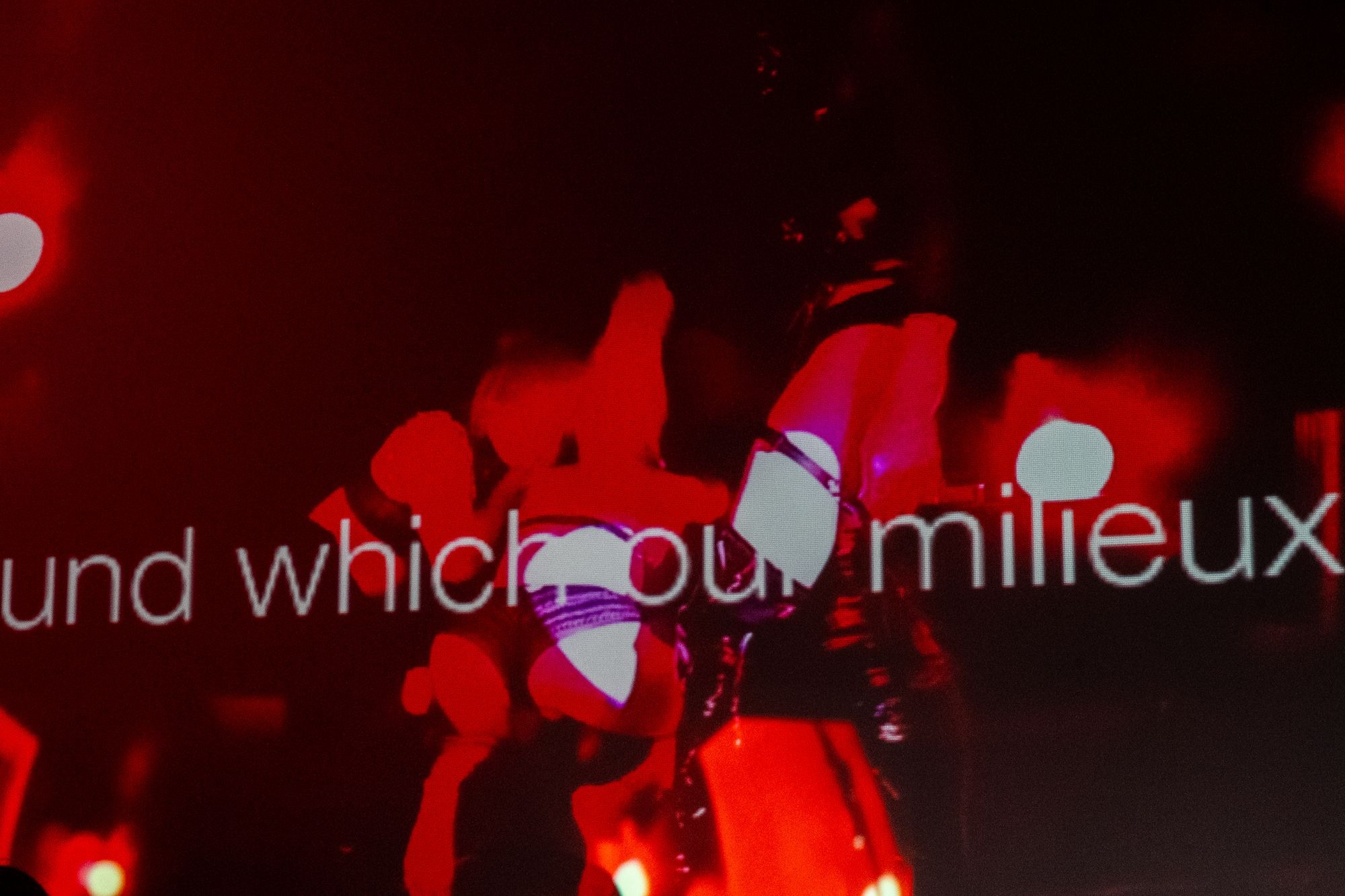
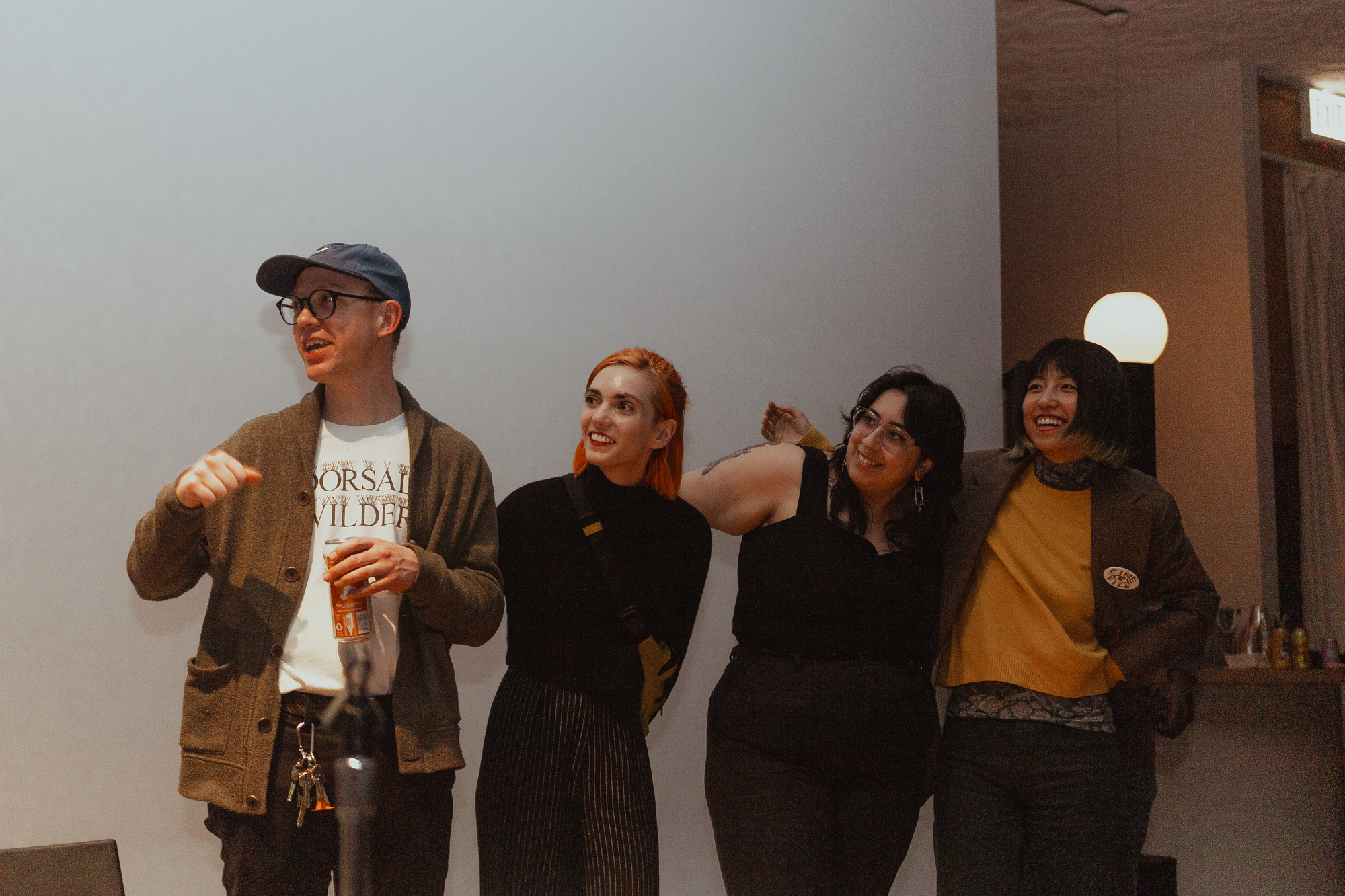
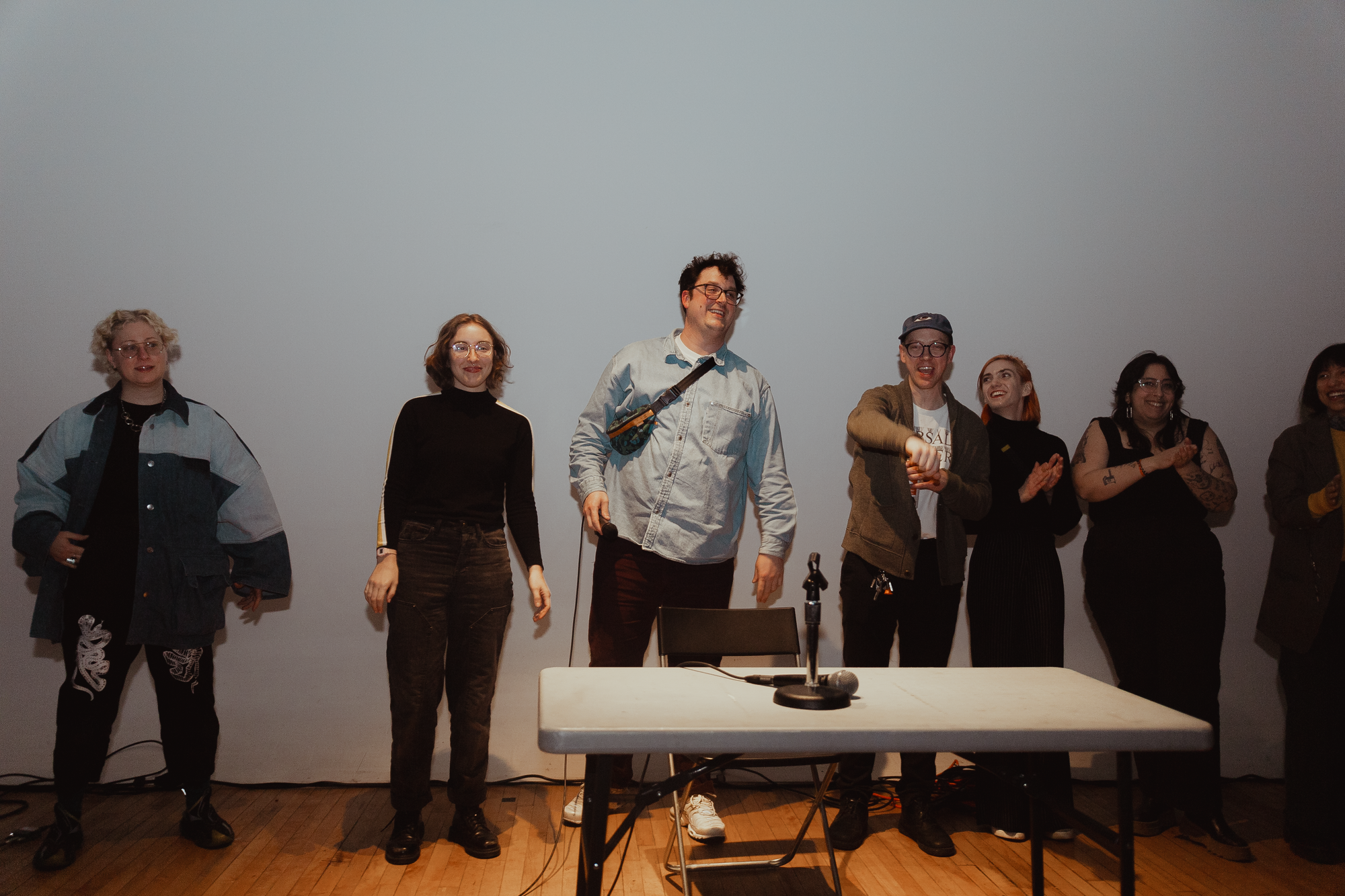
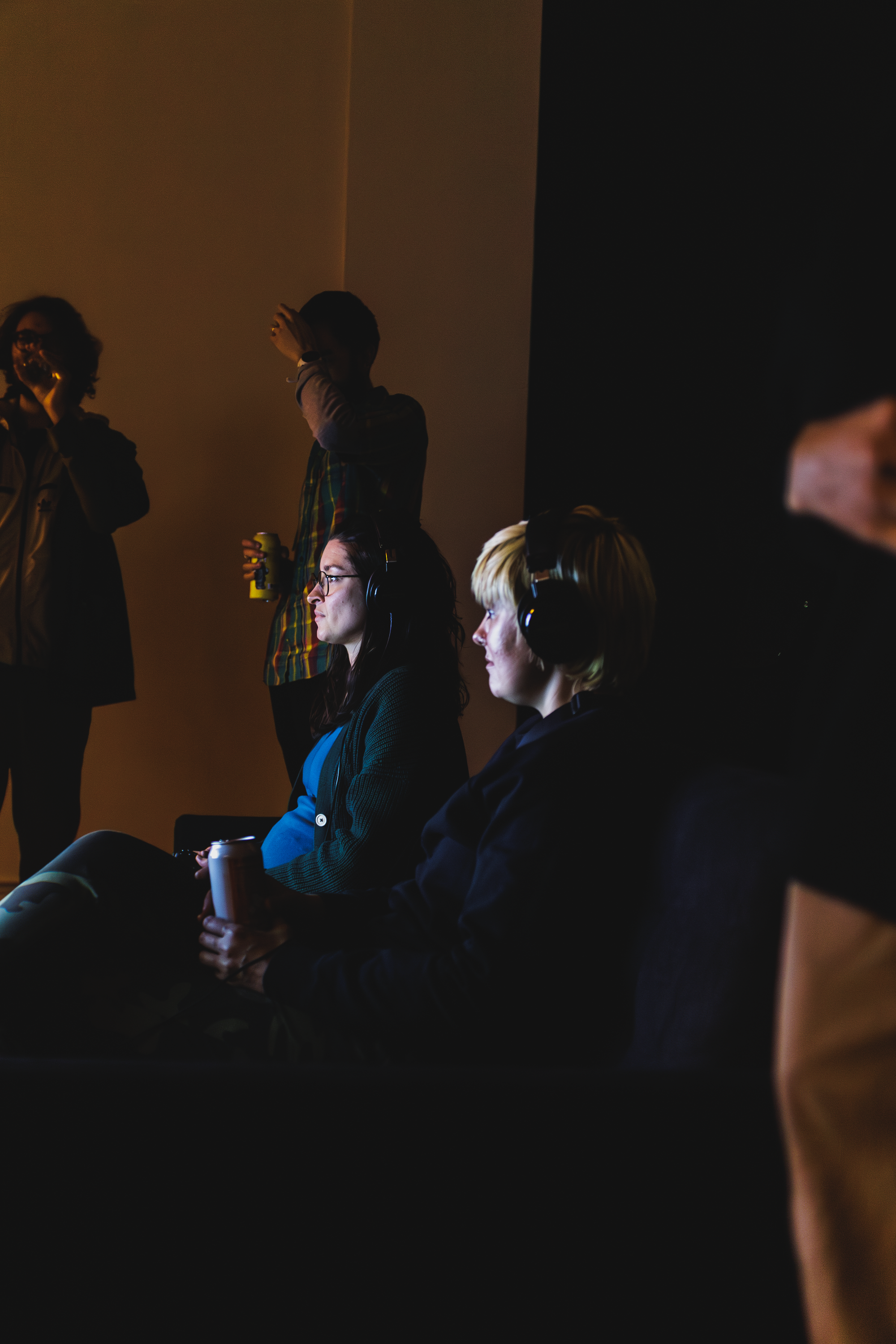
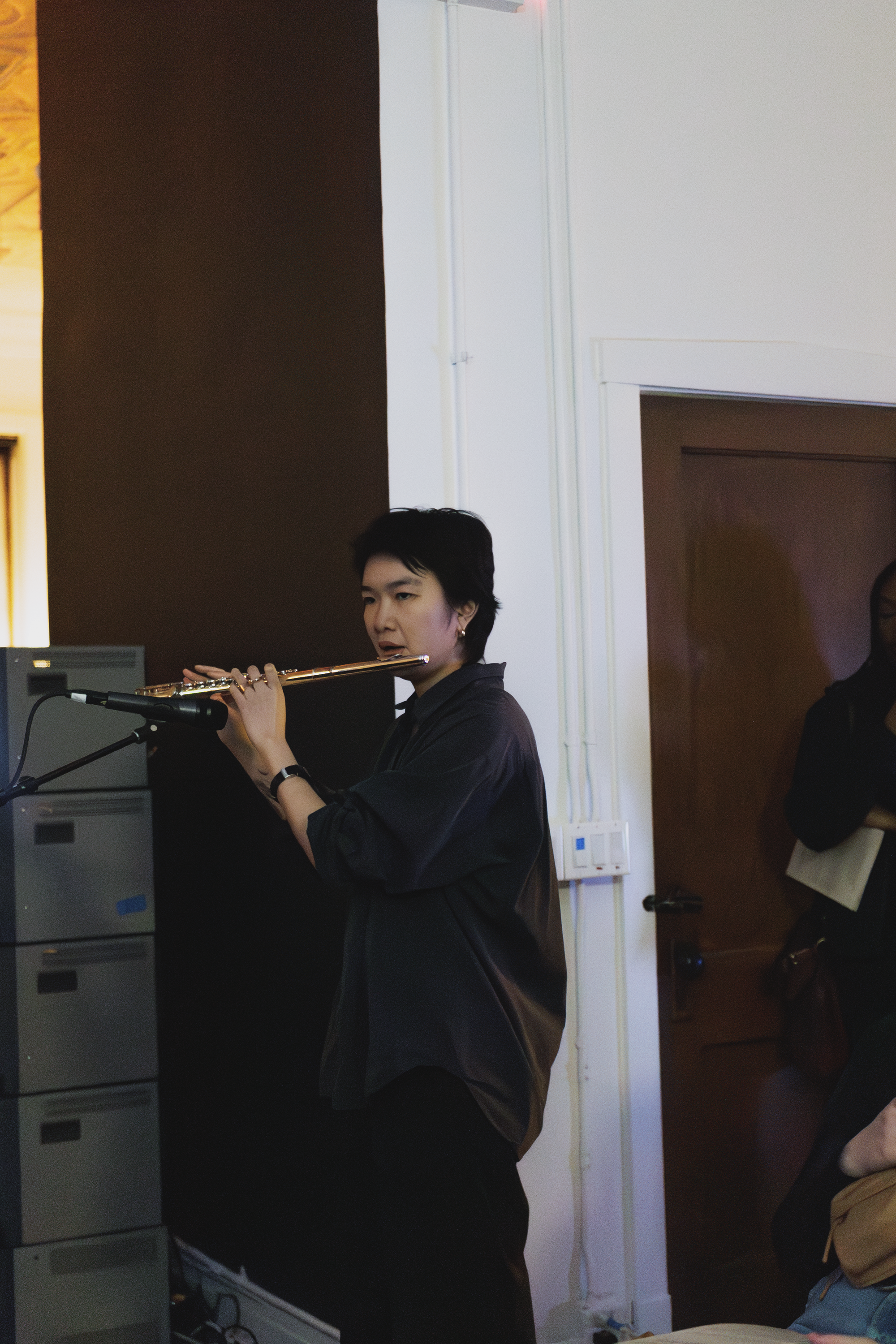
The second annual edition, hosted at Public Works in Chicago, centered visual-sonic collaboration. DJs and live film scorers were paired with moving-image artists to create an “exquisite corpse” of expanded cinema: a sequence of performances in which sound and image were composed together in real time rather than presented as separate fields.
2026 — Disintegrating Archives
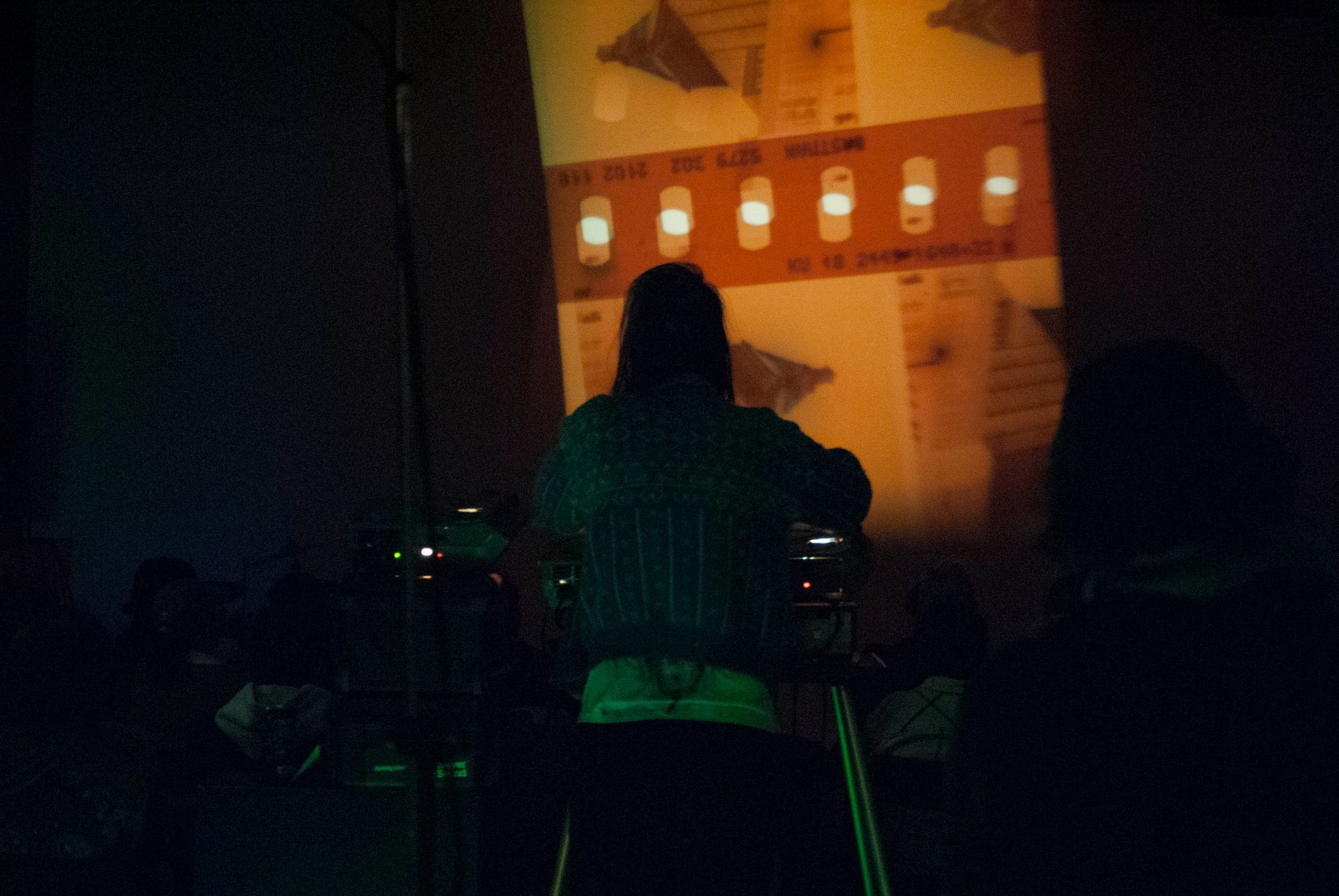
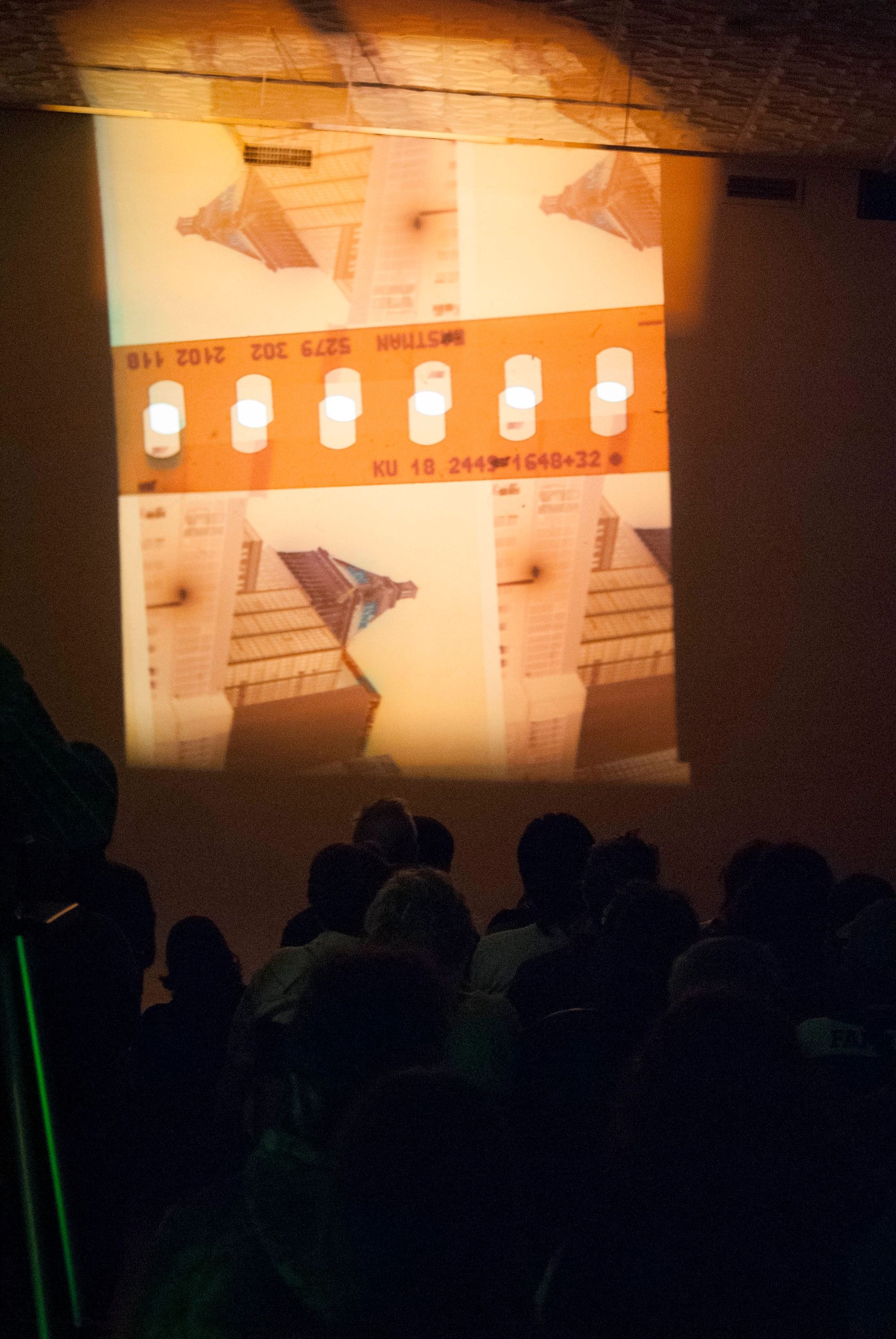
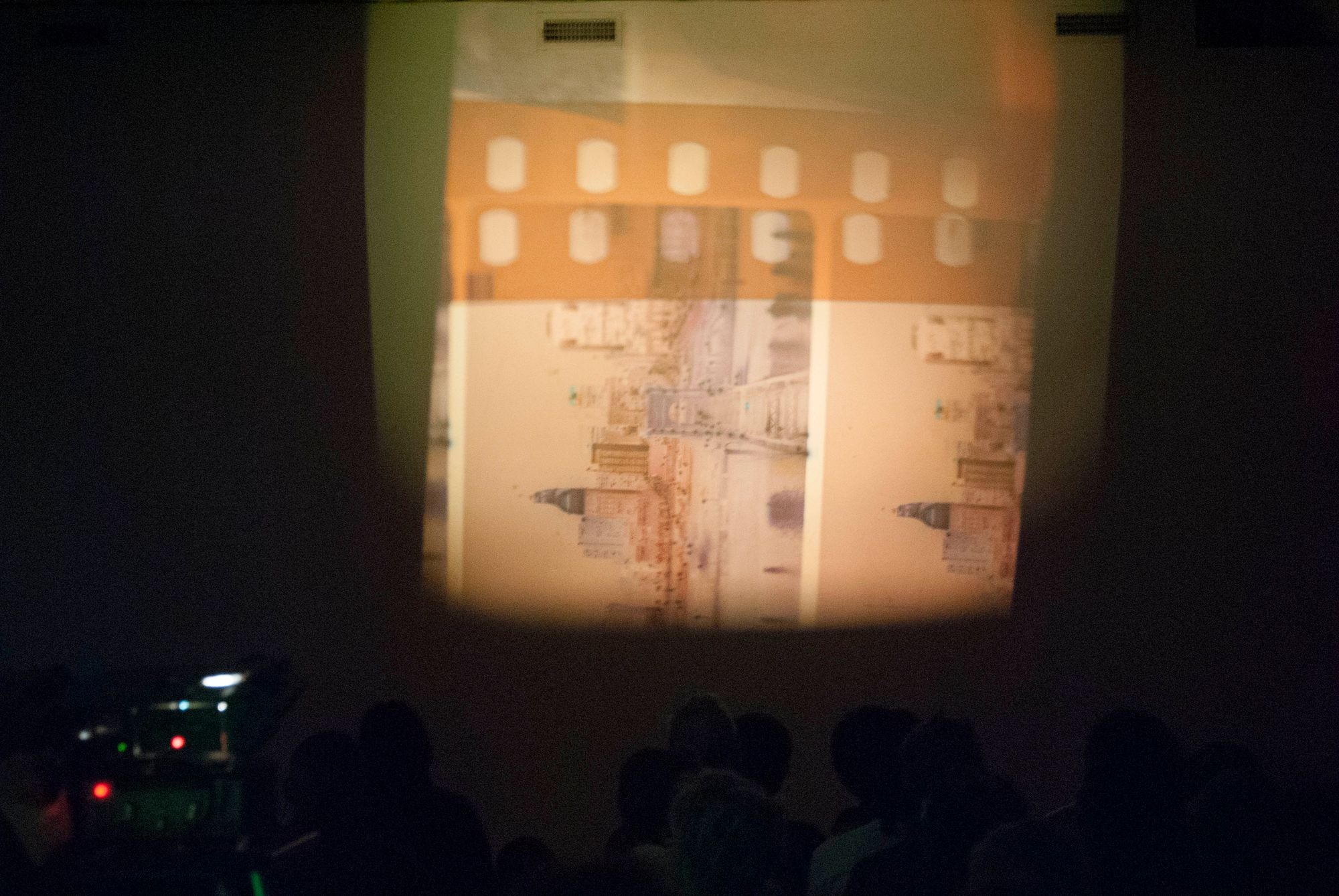
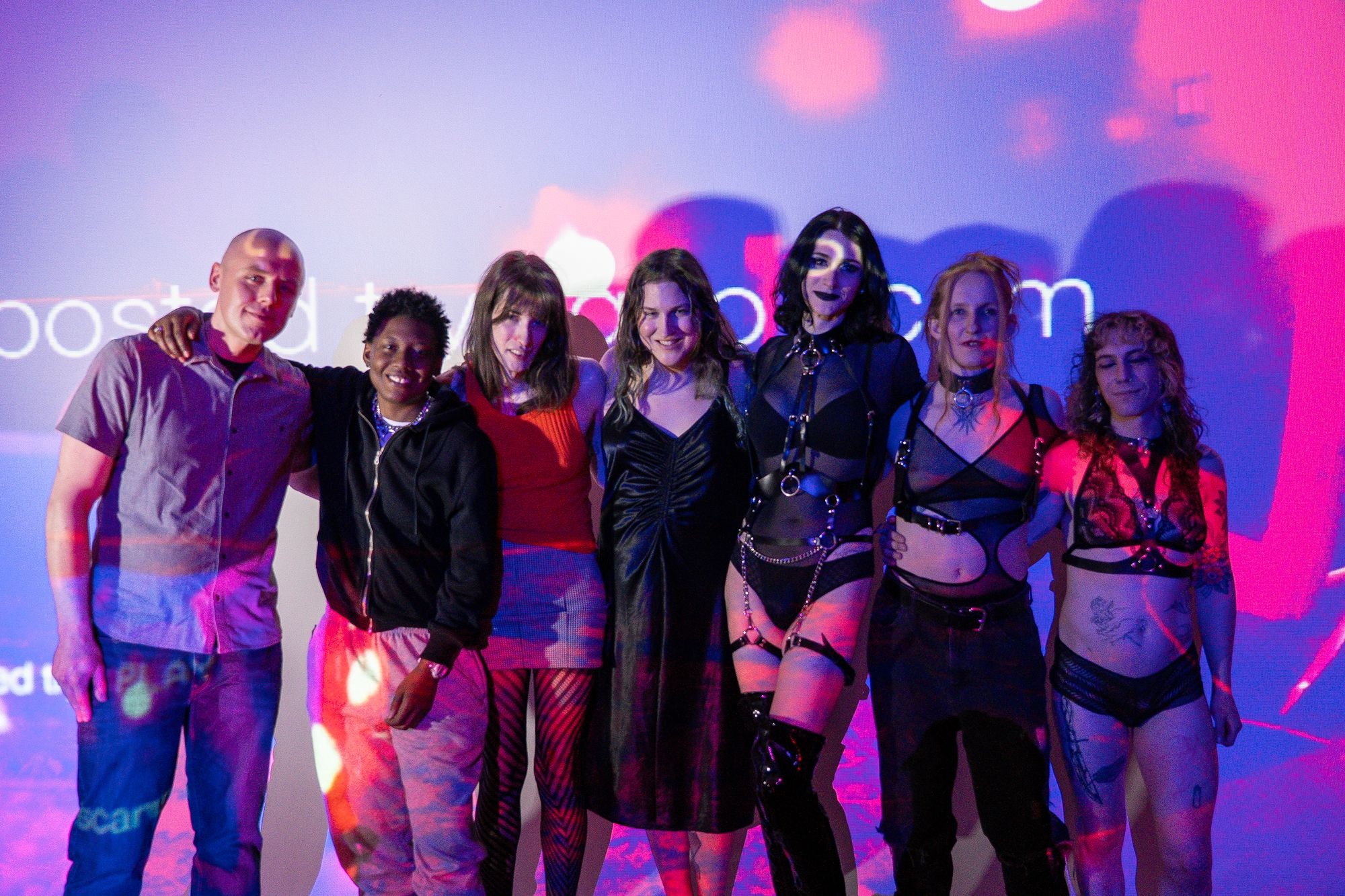
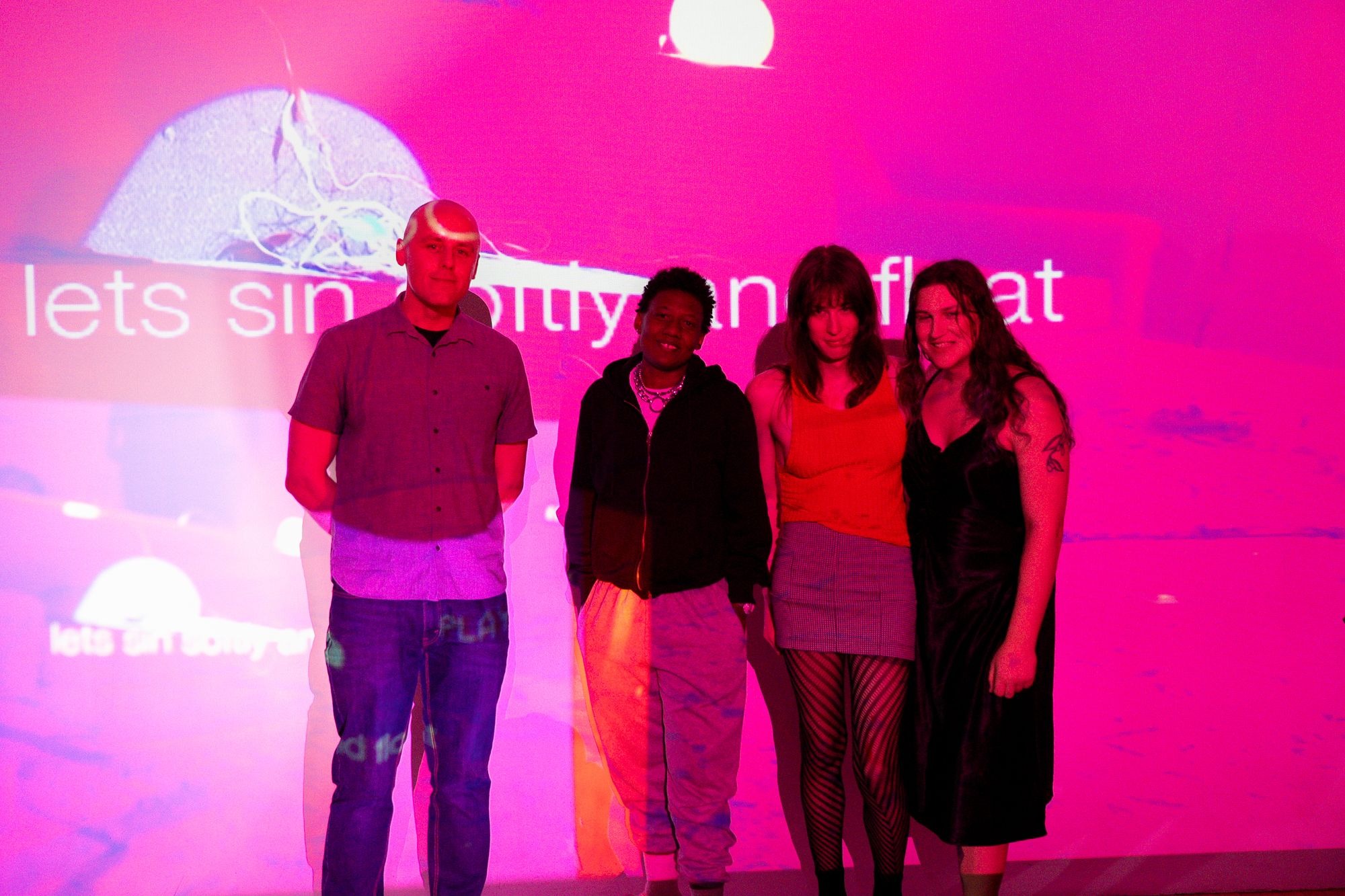
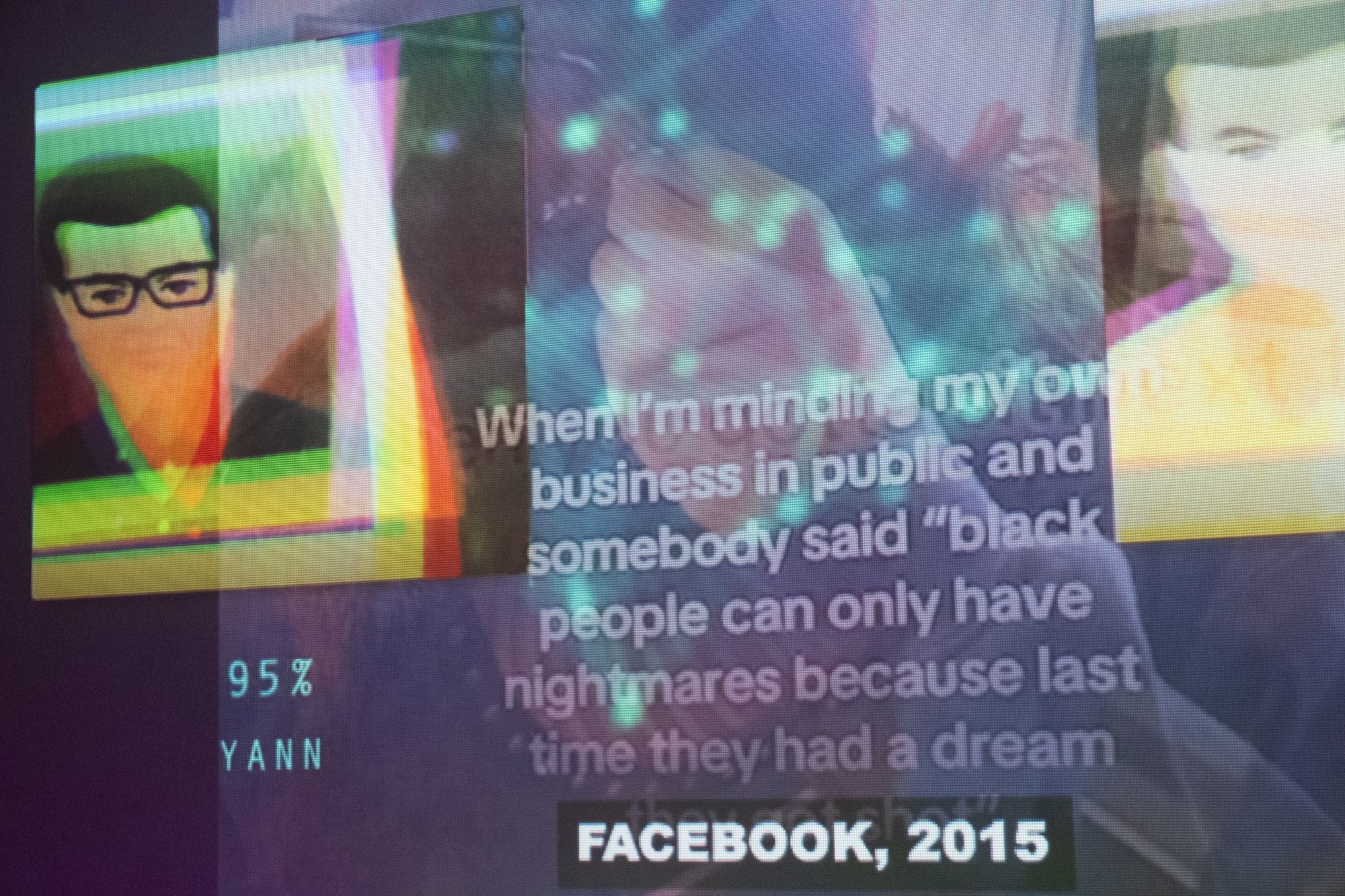
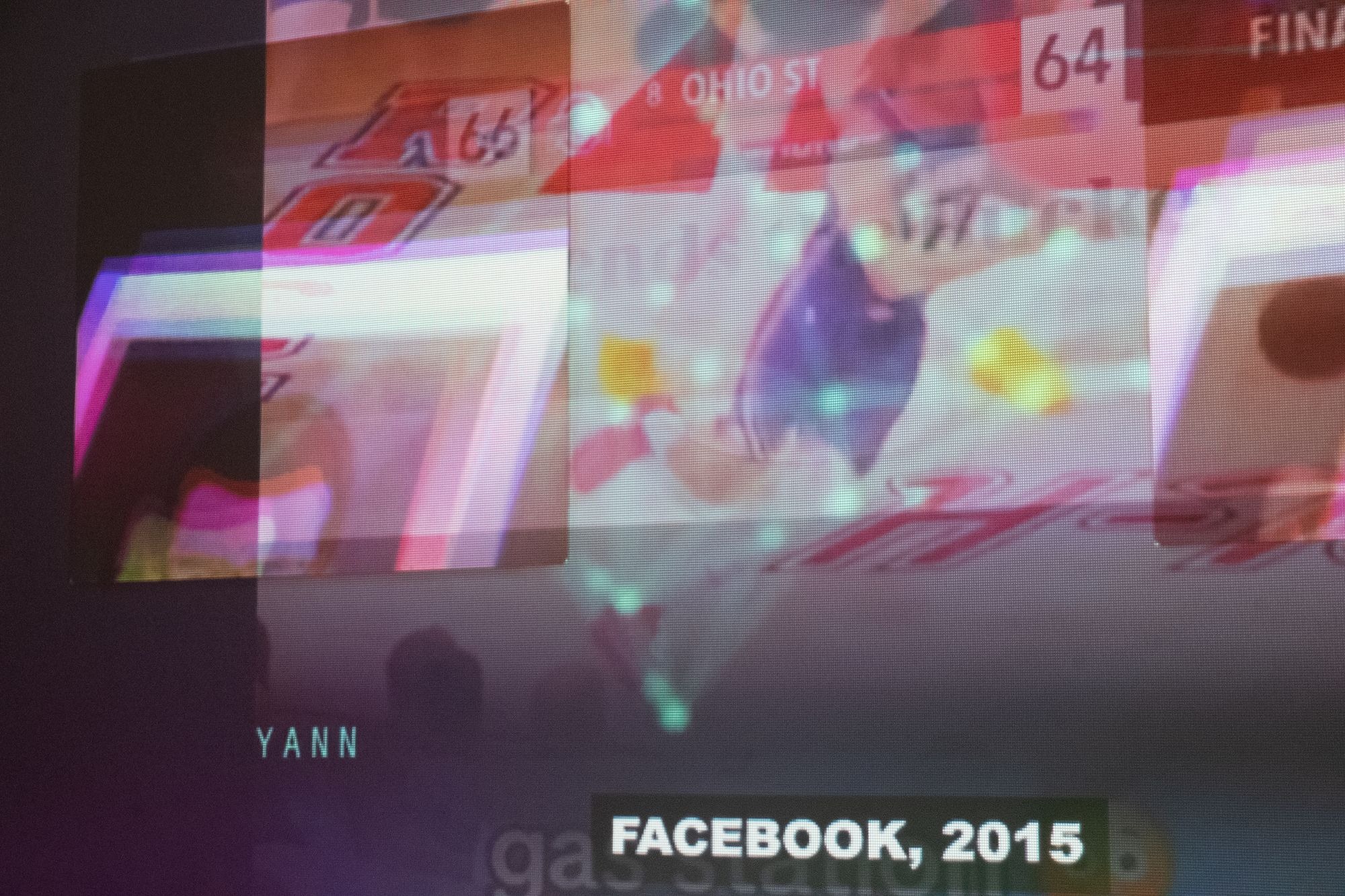
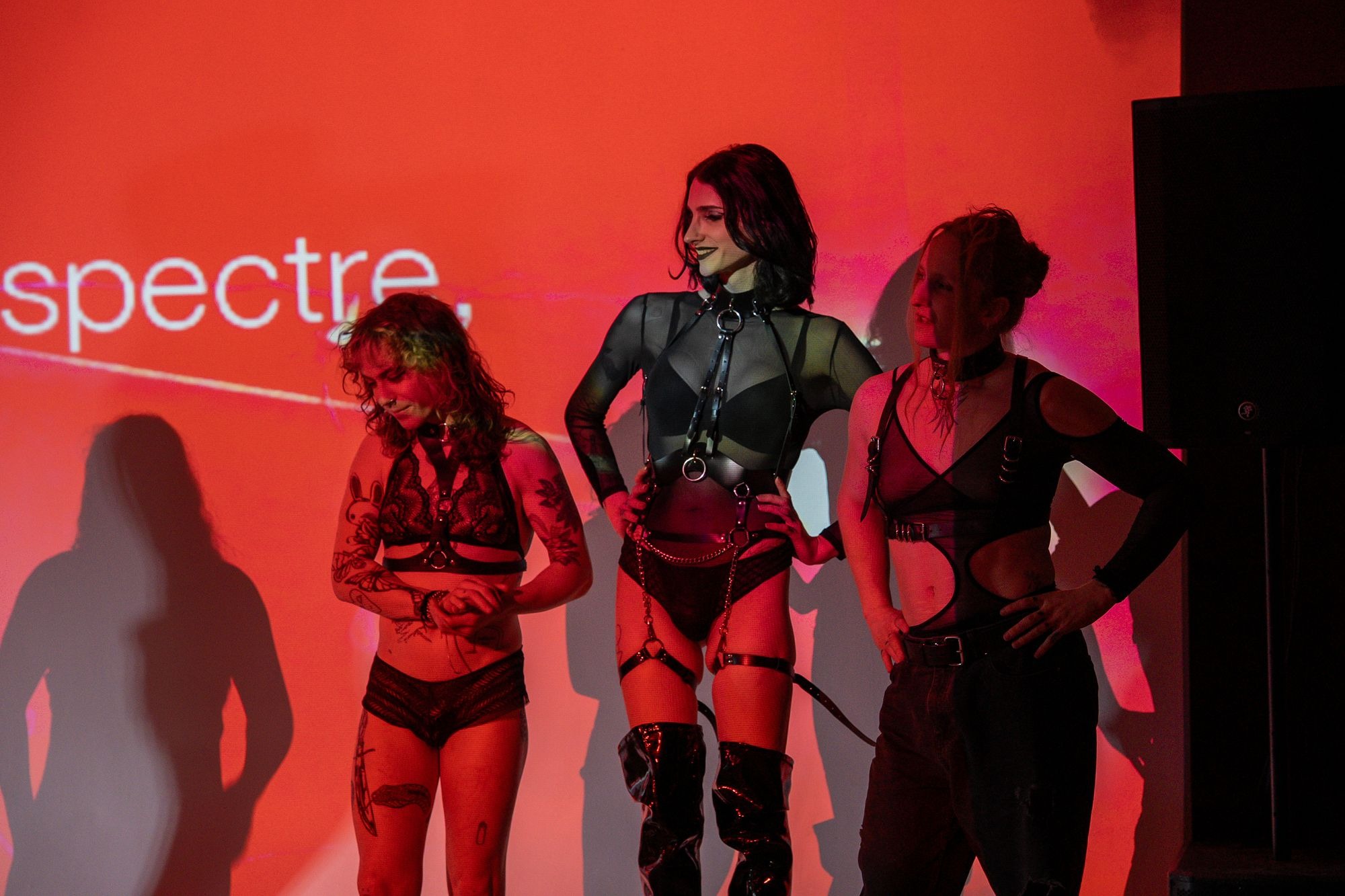
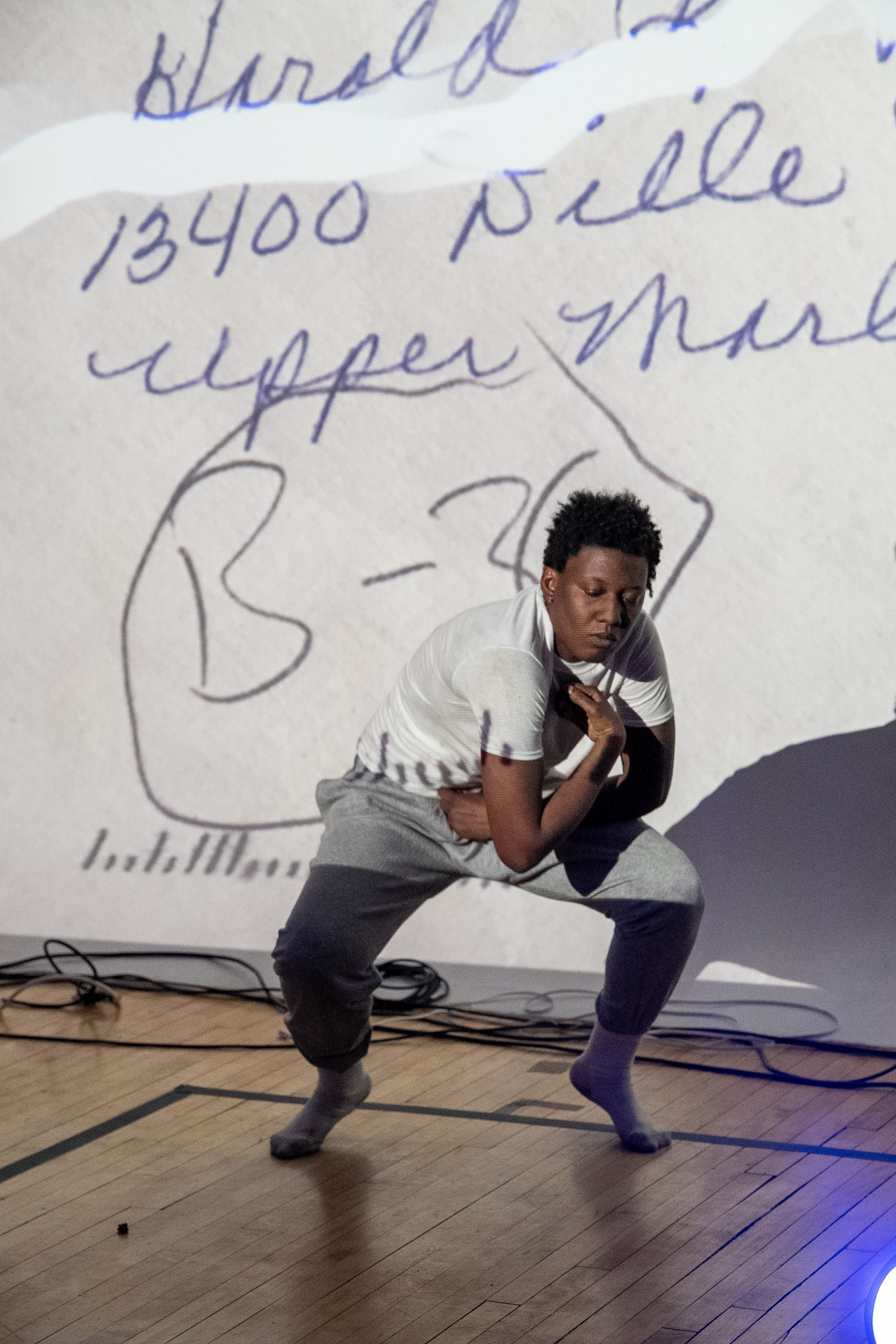
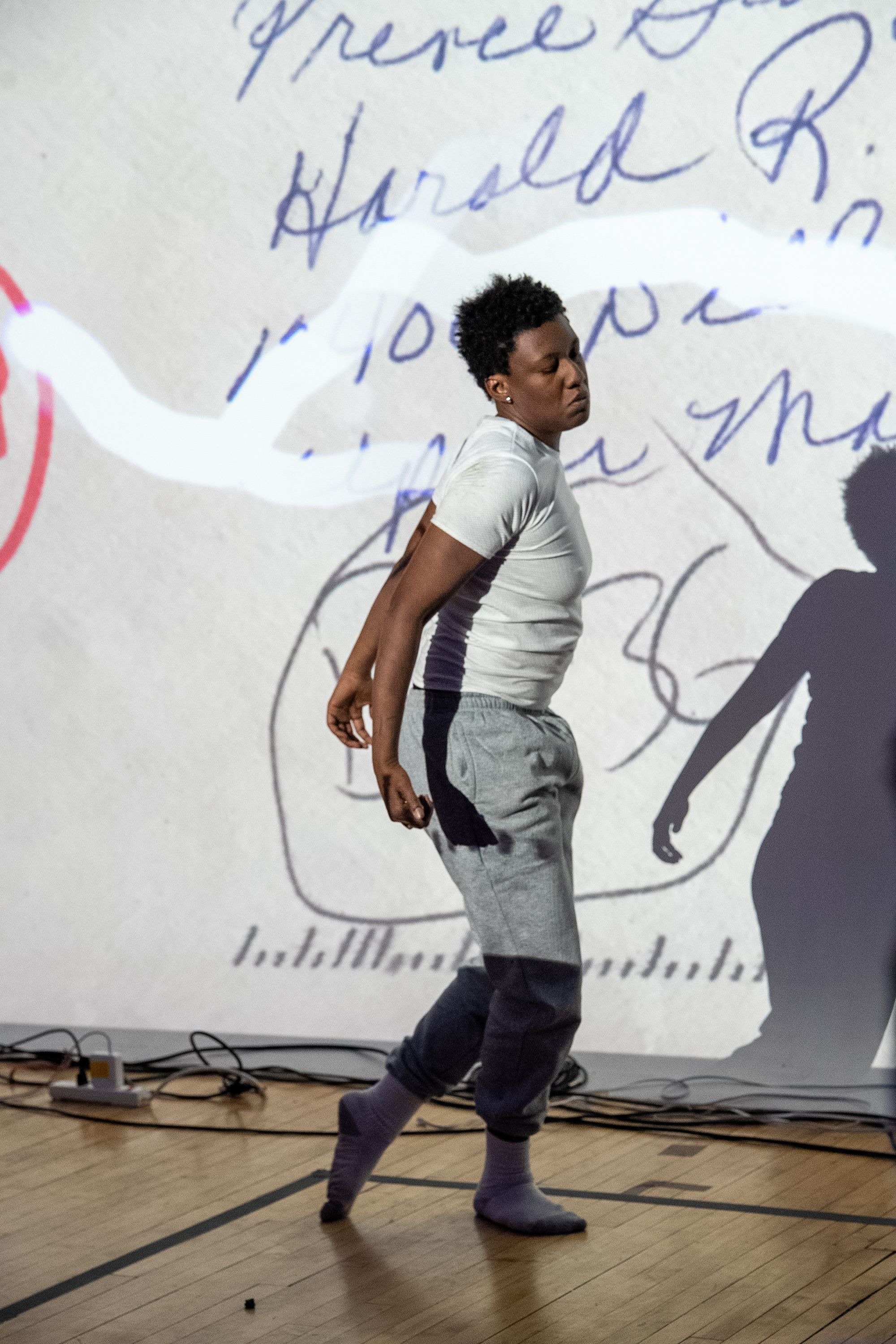
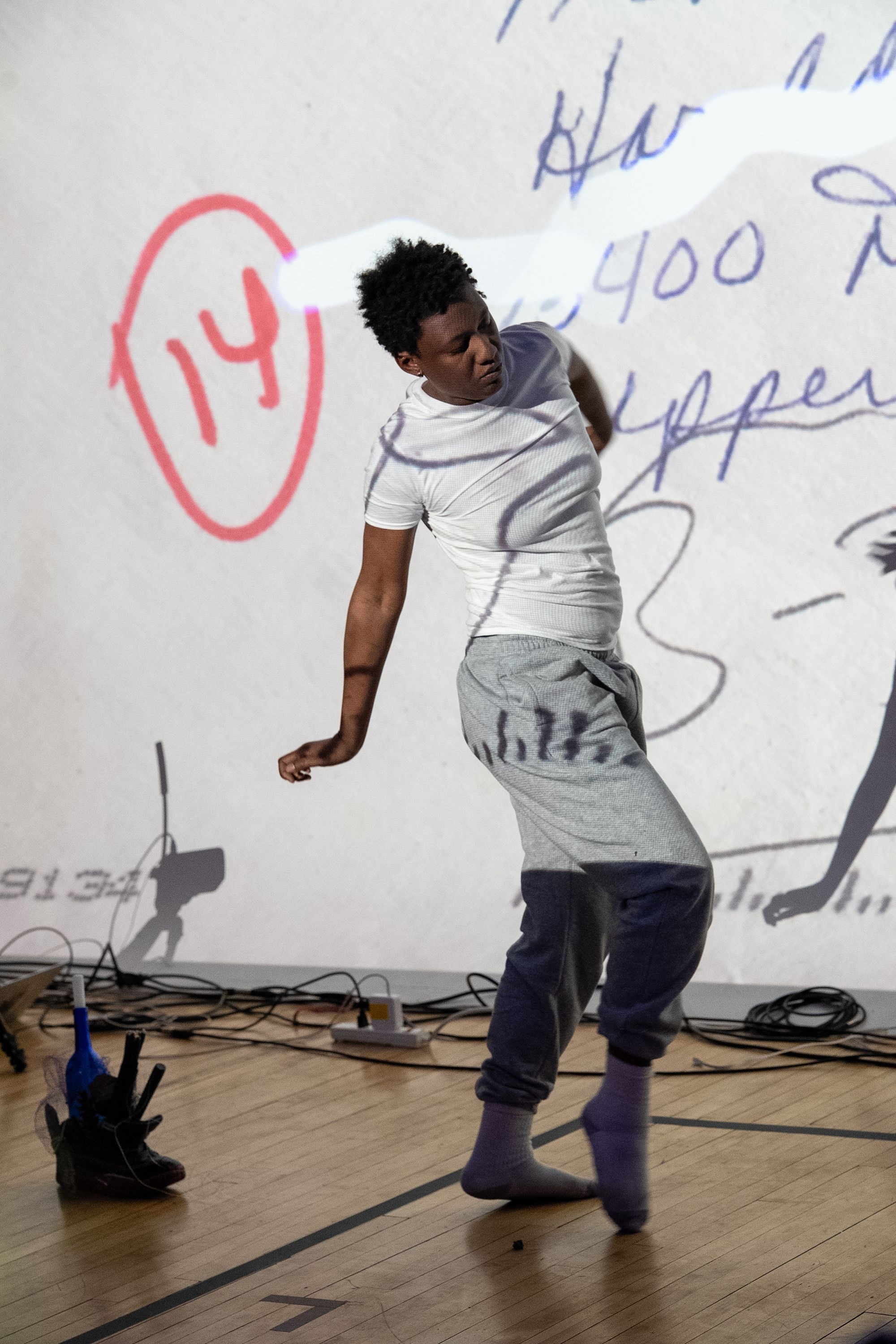
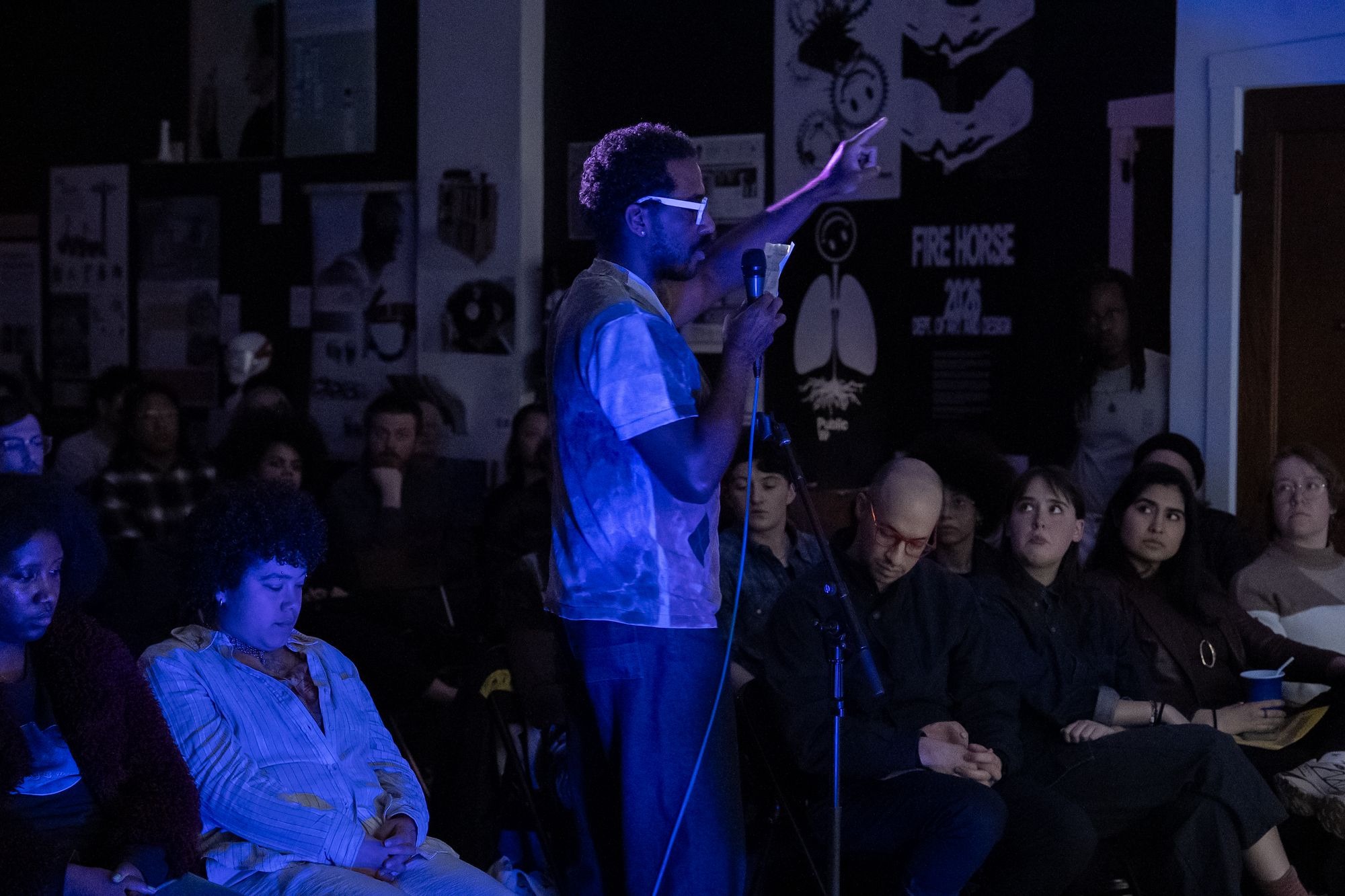
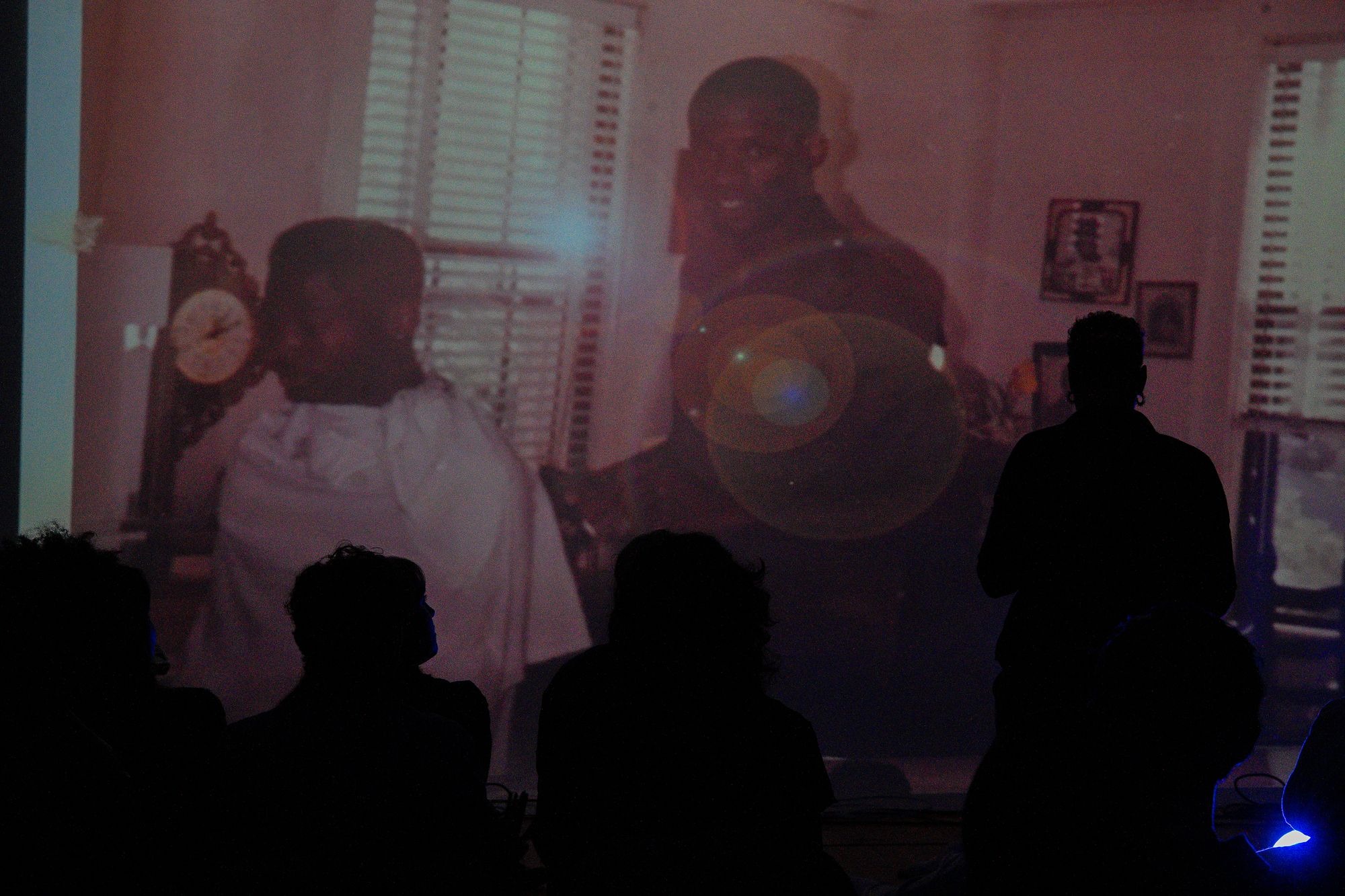
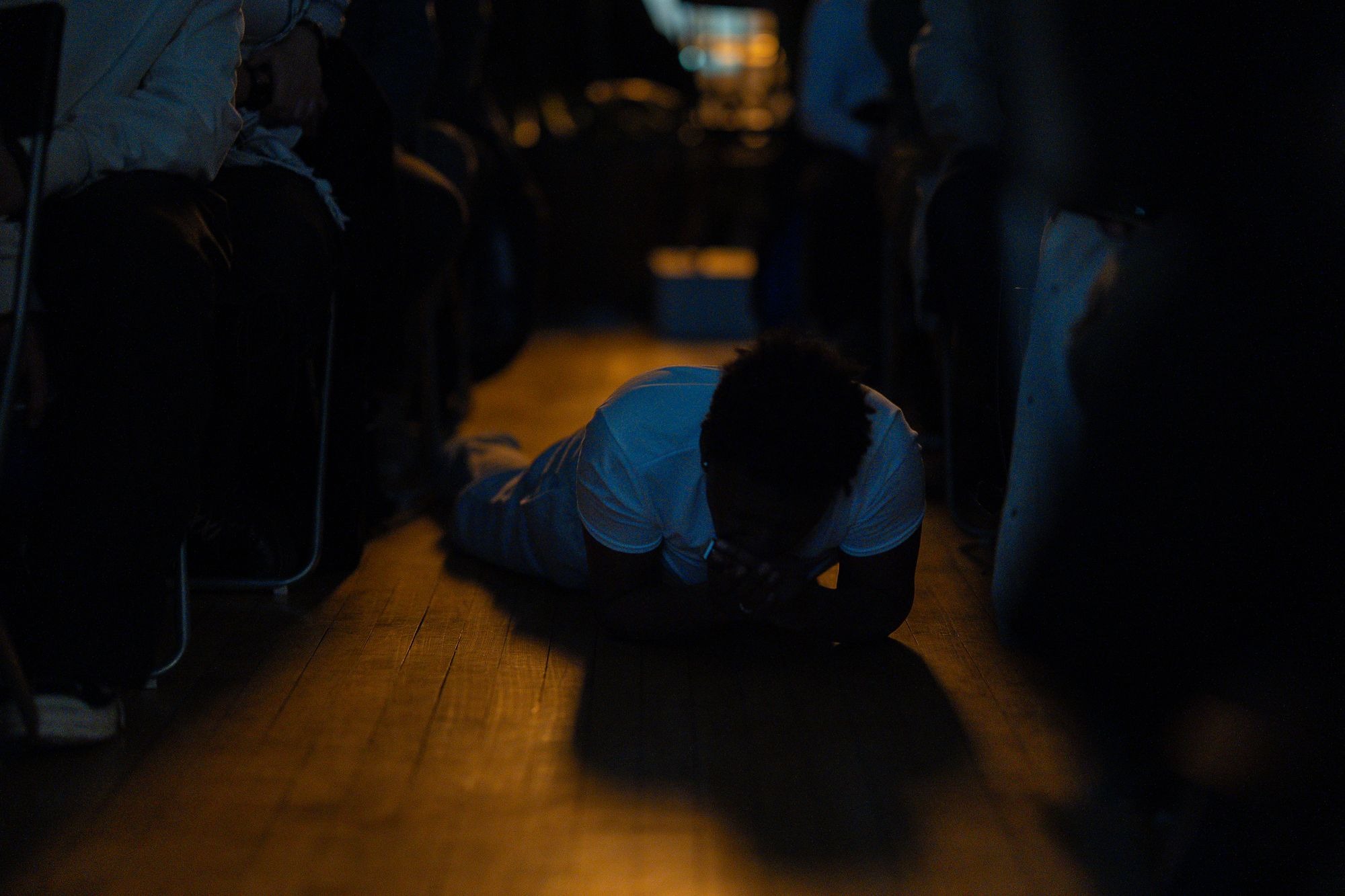
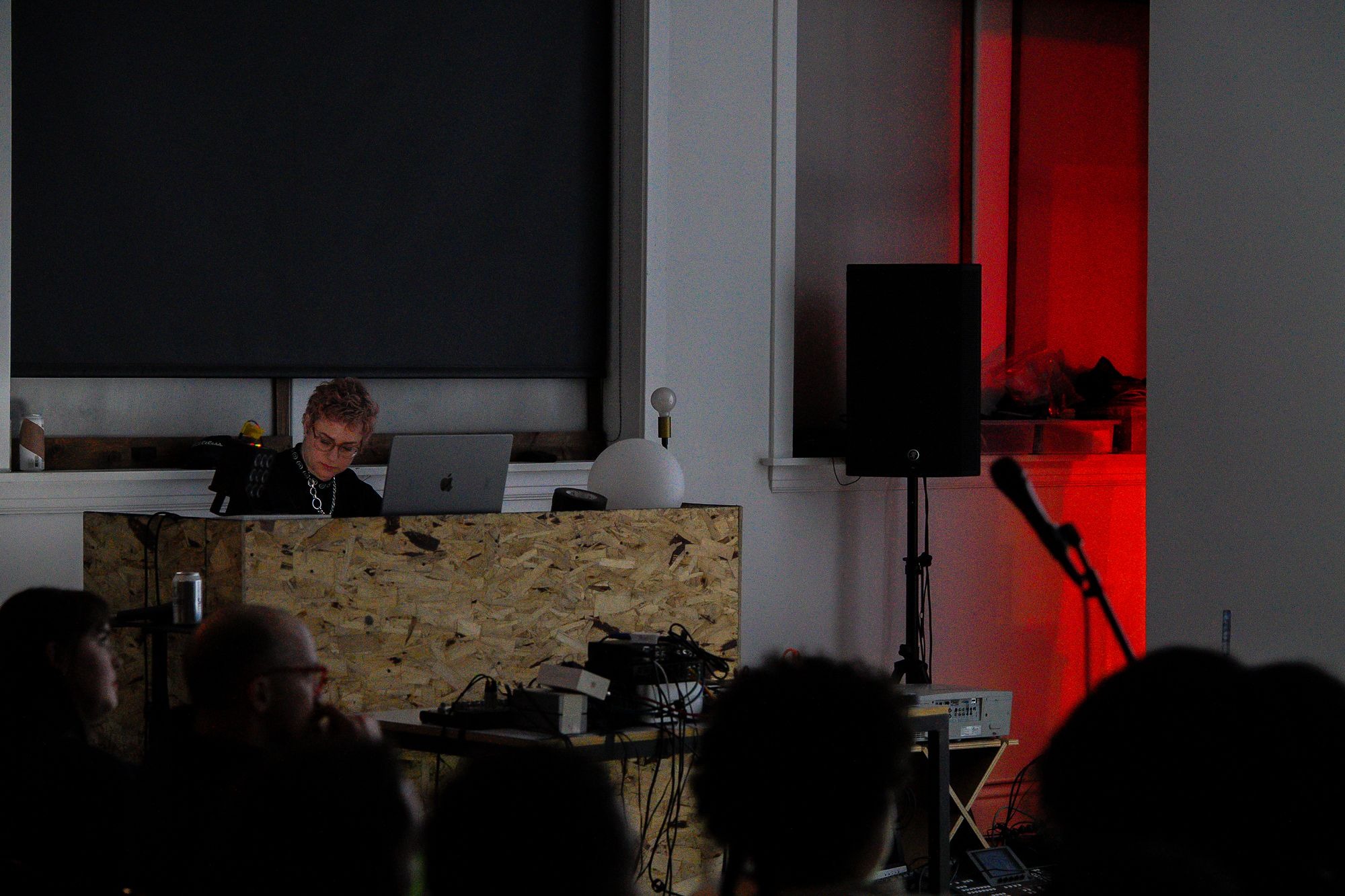
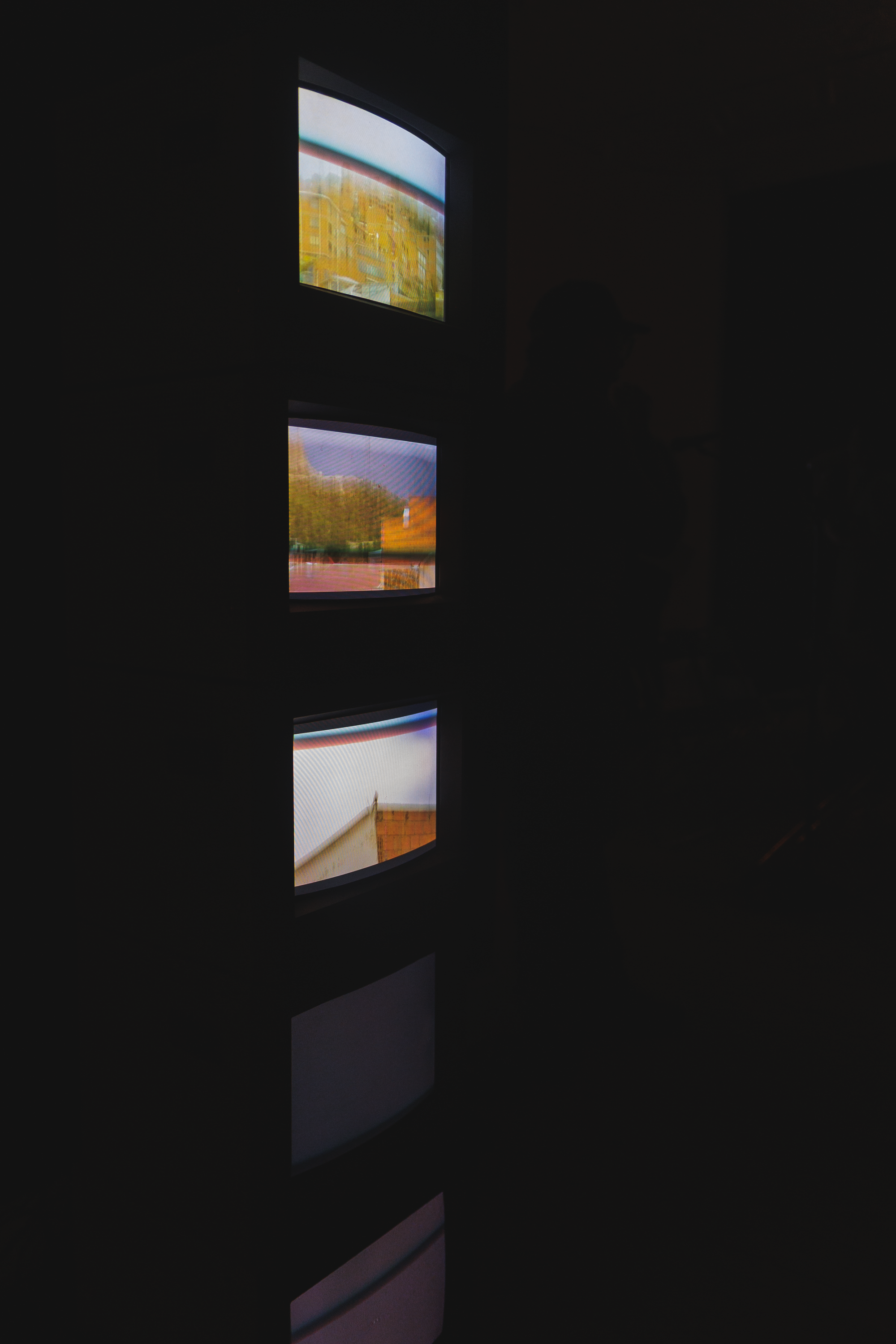
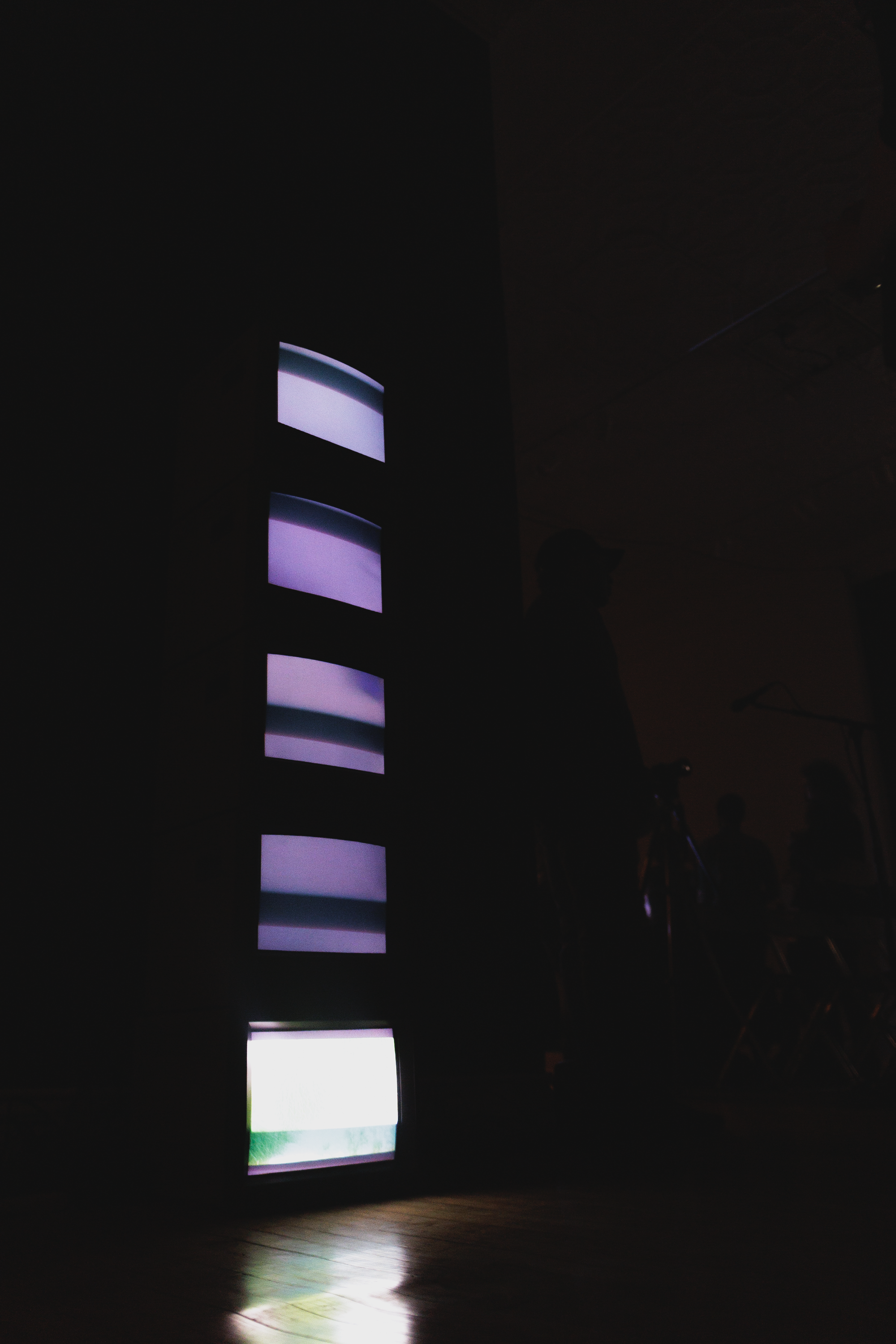
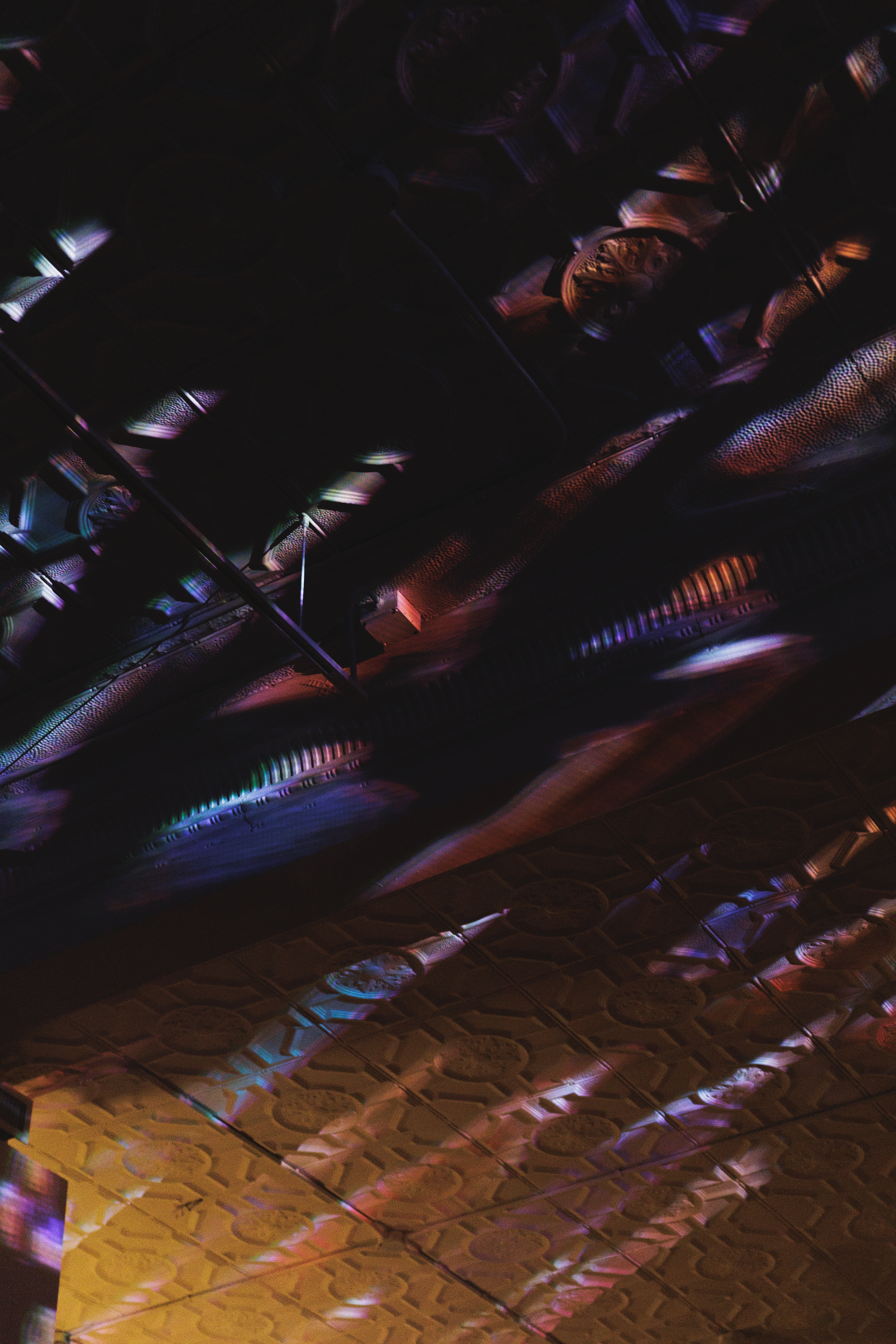
The third edition, also at Public Works, brought together new works and reworkings by AJ McClenon, Alterotics, and James Connolly, with a special presentation by Aria Pedraza introducing the Midwest Rave Culture Archive. Under the theme Disintegrating Archives, the program considered how personal, cultural, and technical archives can be opened, distorted, and reconfigured through live projection, sound, performance, and obsolete media technologies.
The program’s recurring question is not only what cinema can show, but what it can do: how can the live manipulation of images, sounds, devices, and archives make new forms of collective relation possible?