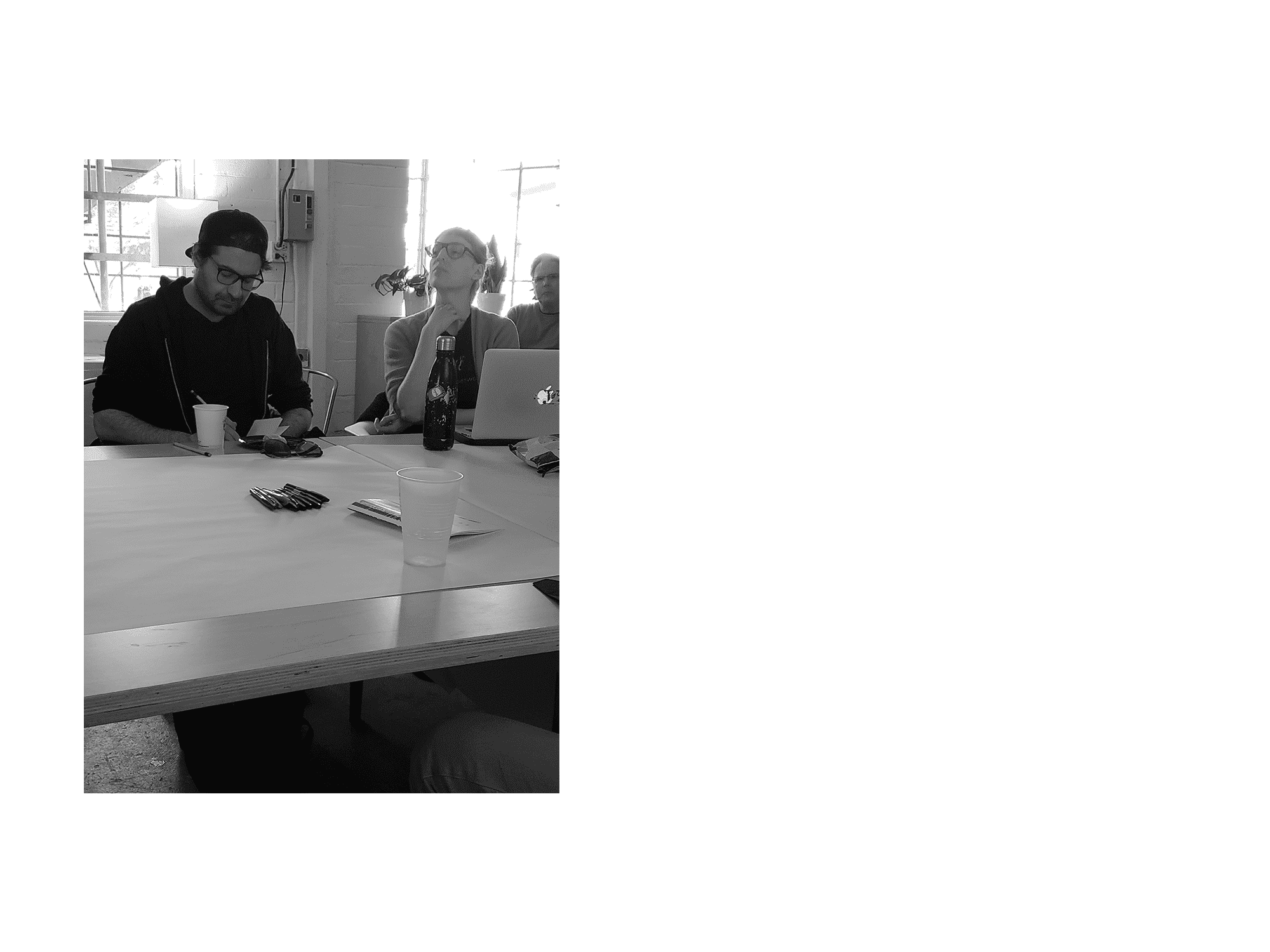
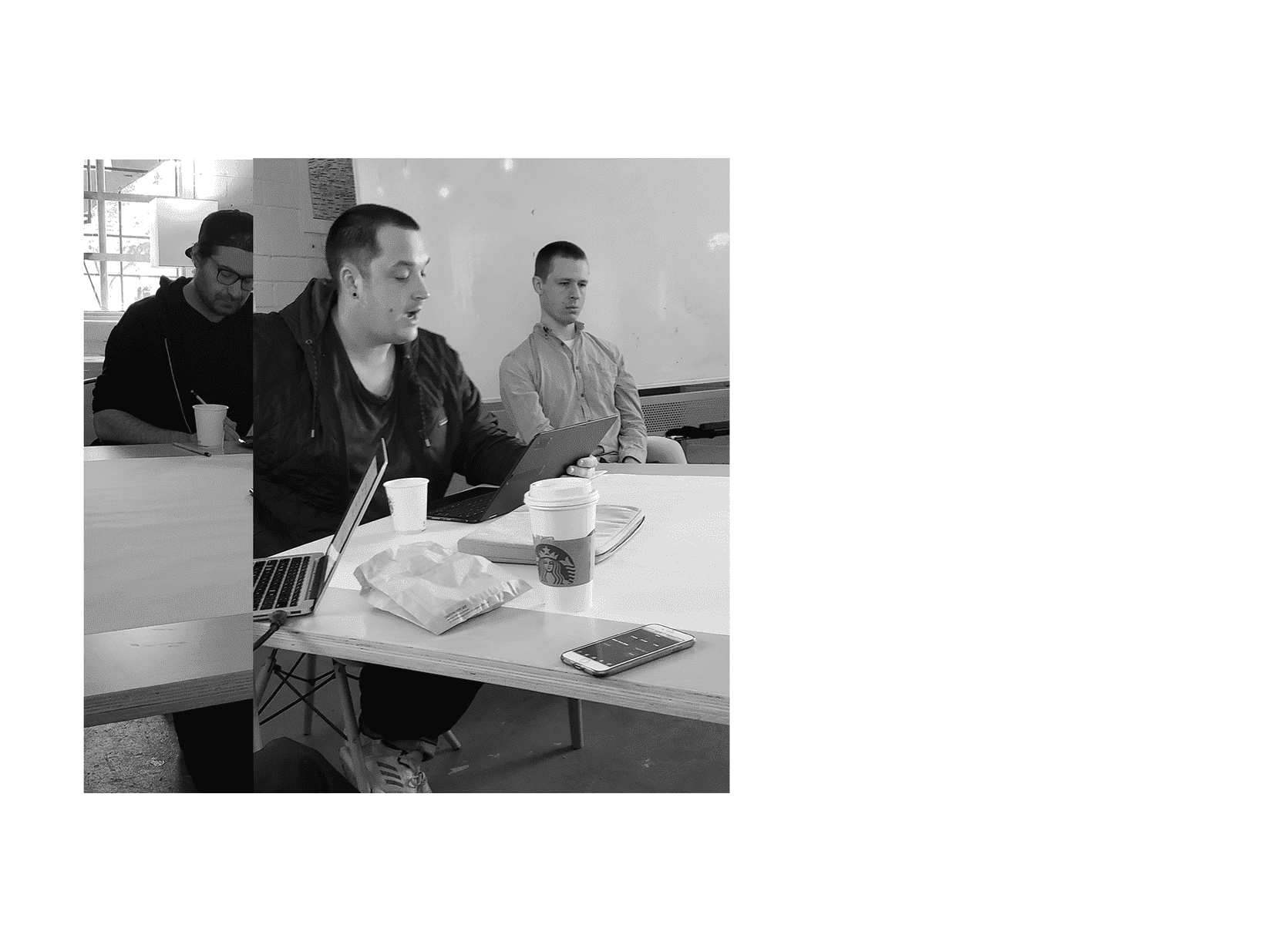
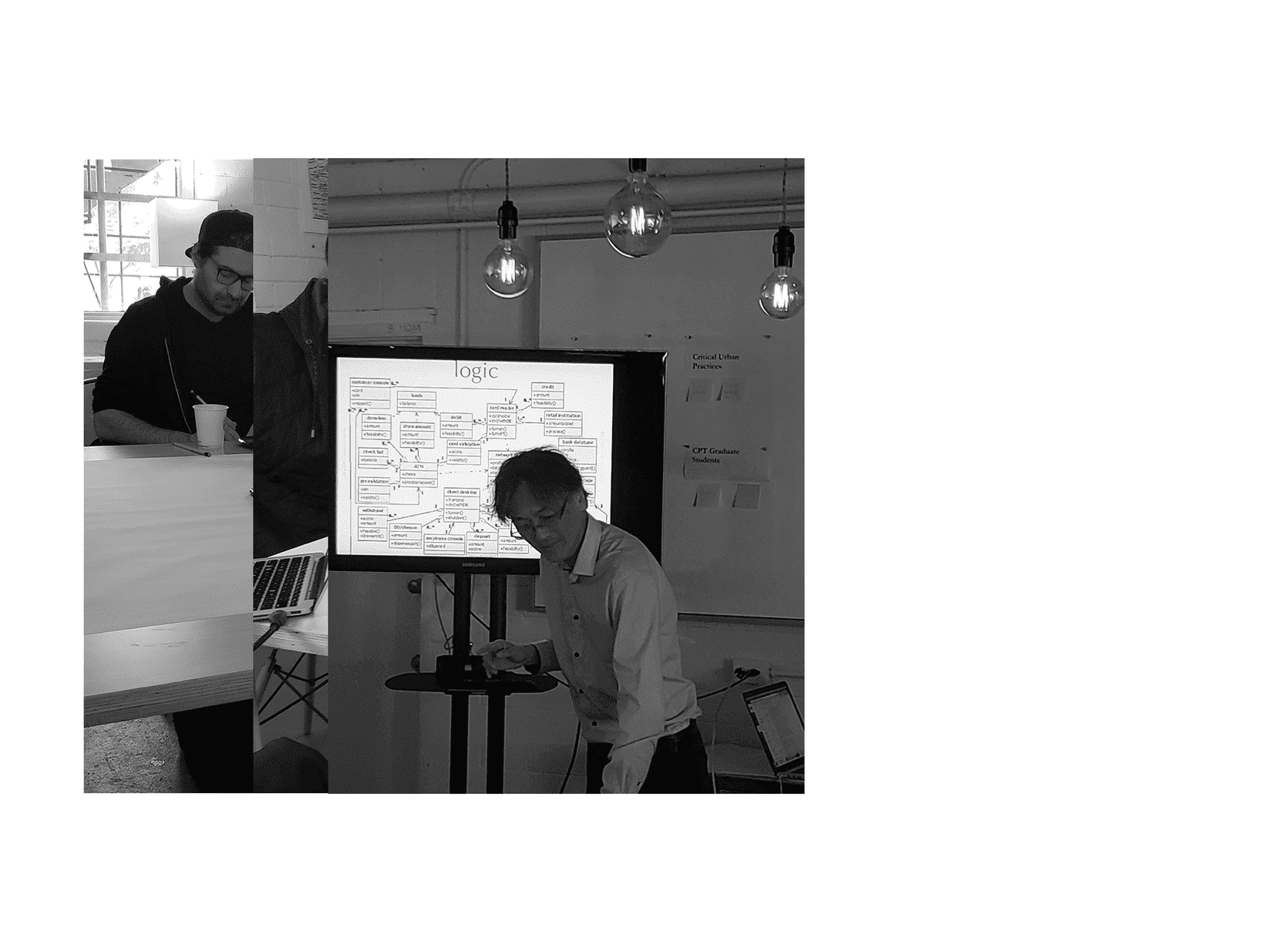
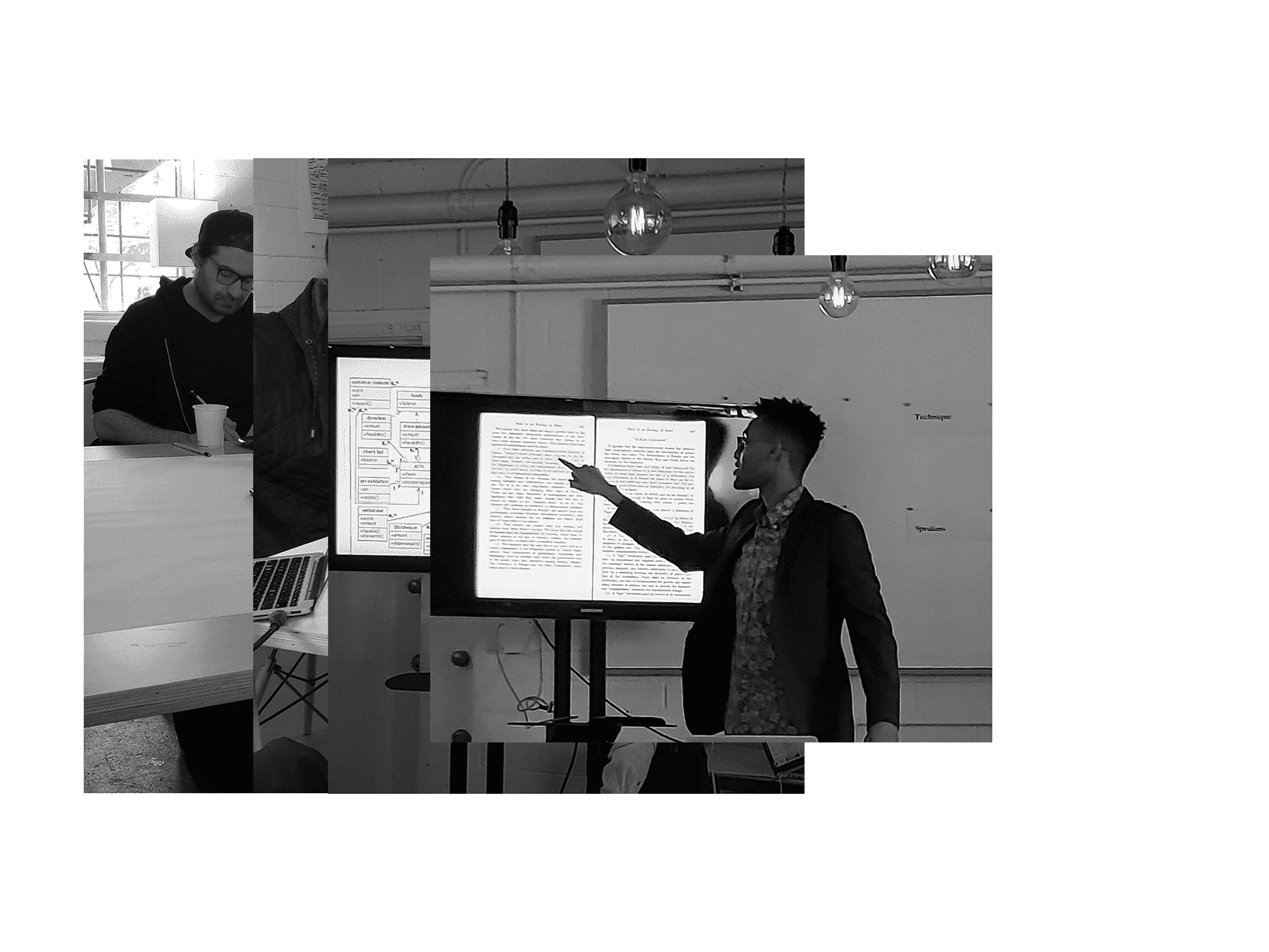

Presenters
- Muindi Fanuel Muindi University of Washington (Re)Creating the Self; Or, the Technologies of Self-Parody
- Nat Mengist University of Washington From regulation to responsibility: Alchemical fertilizers, industrial pesticides, and the search for an epistemic antidote
- Michael Wesley Beach University of Washington PhD student in Human Centered Design & Engineering "Emergent Techno-Botanical Networks: Paracosmic Dreams and Speculative Methods"
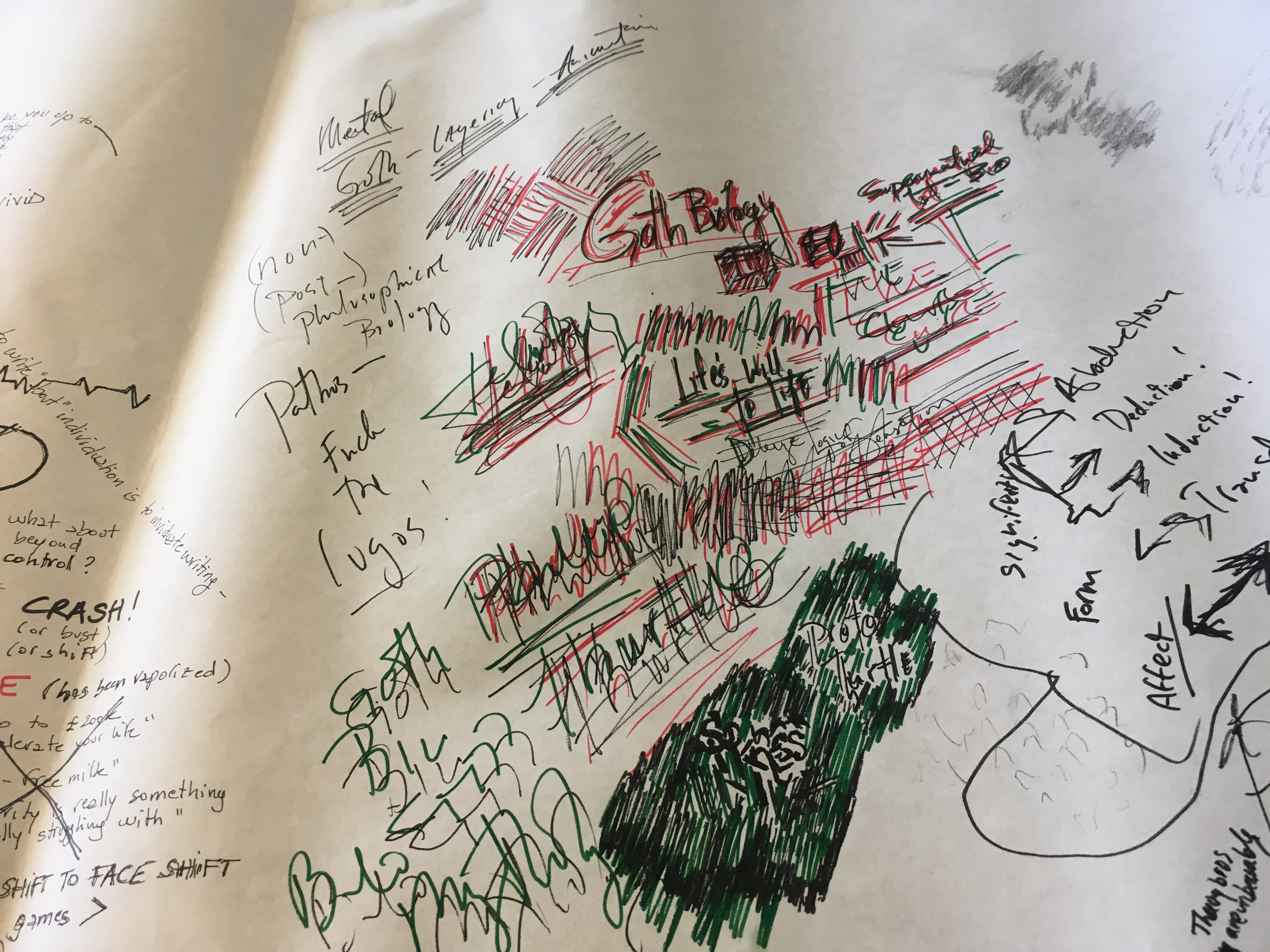
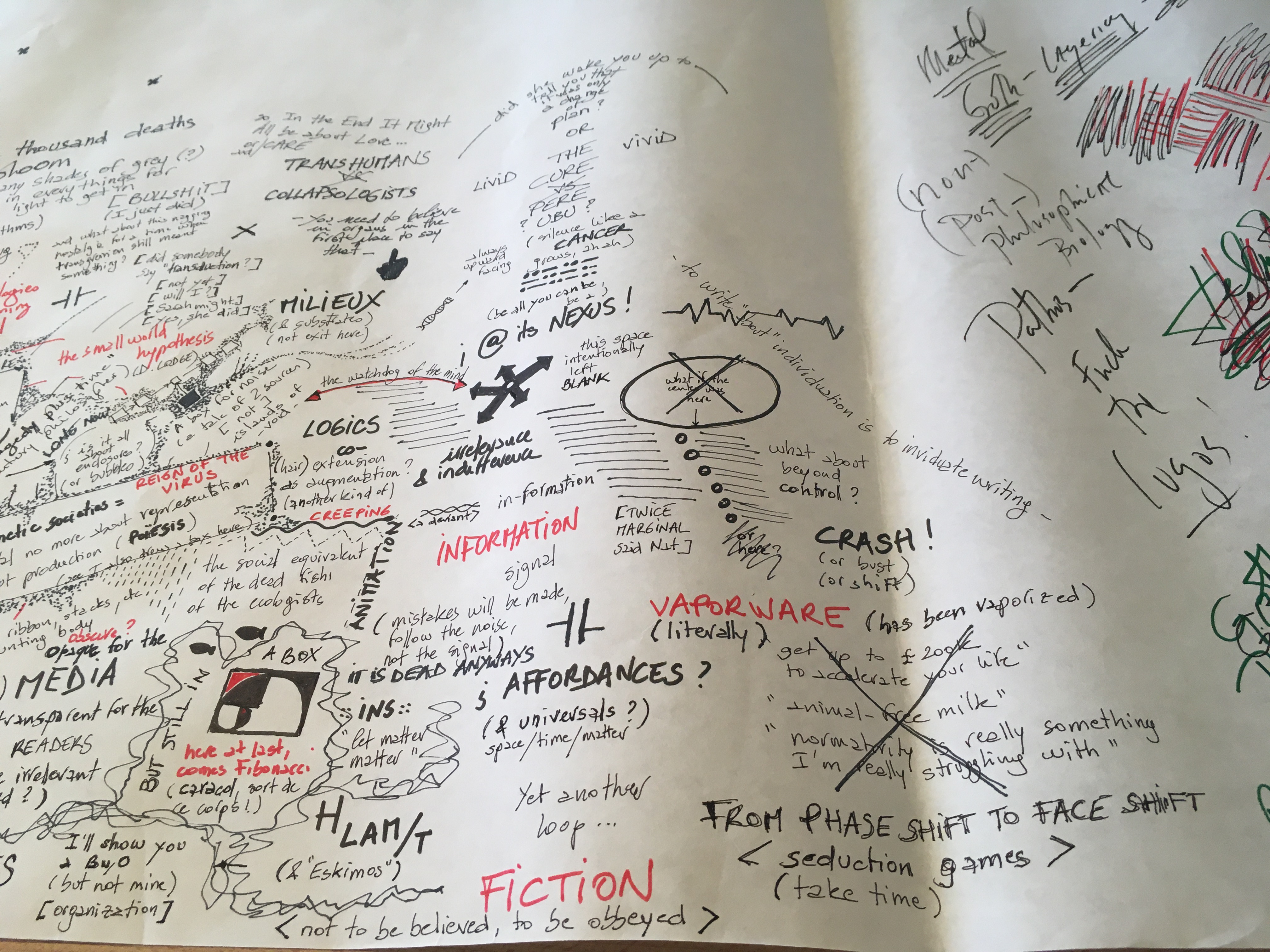
- Phillip Thurtle, University of Washington, "Goth Biology"
- Thierry Bardini, University of Montreal, "Post (living, machines) and the Journey to the End of the Species"
- Sha Xin Wei, Arizona State University, "Golem 2.0: Automation vs Augmentation”
- Desiree Foerster, University of Potsdam, "On aesthetic experience and the formation of habit in atmospheric milieus"
- Sarah Choukah, University of Montreal, "Of Slime, Sweat, and Carbon Valley"
- Garrett Laroy Johnson, "Why do you have to be so Self-Centered? Interactive Media Art as a Technology of the Self
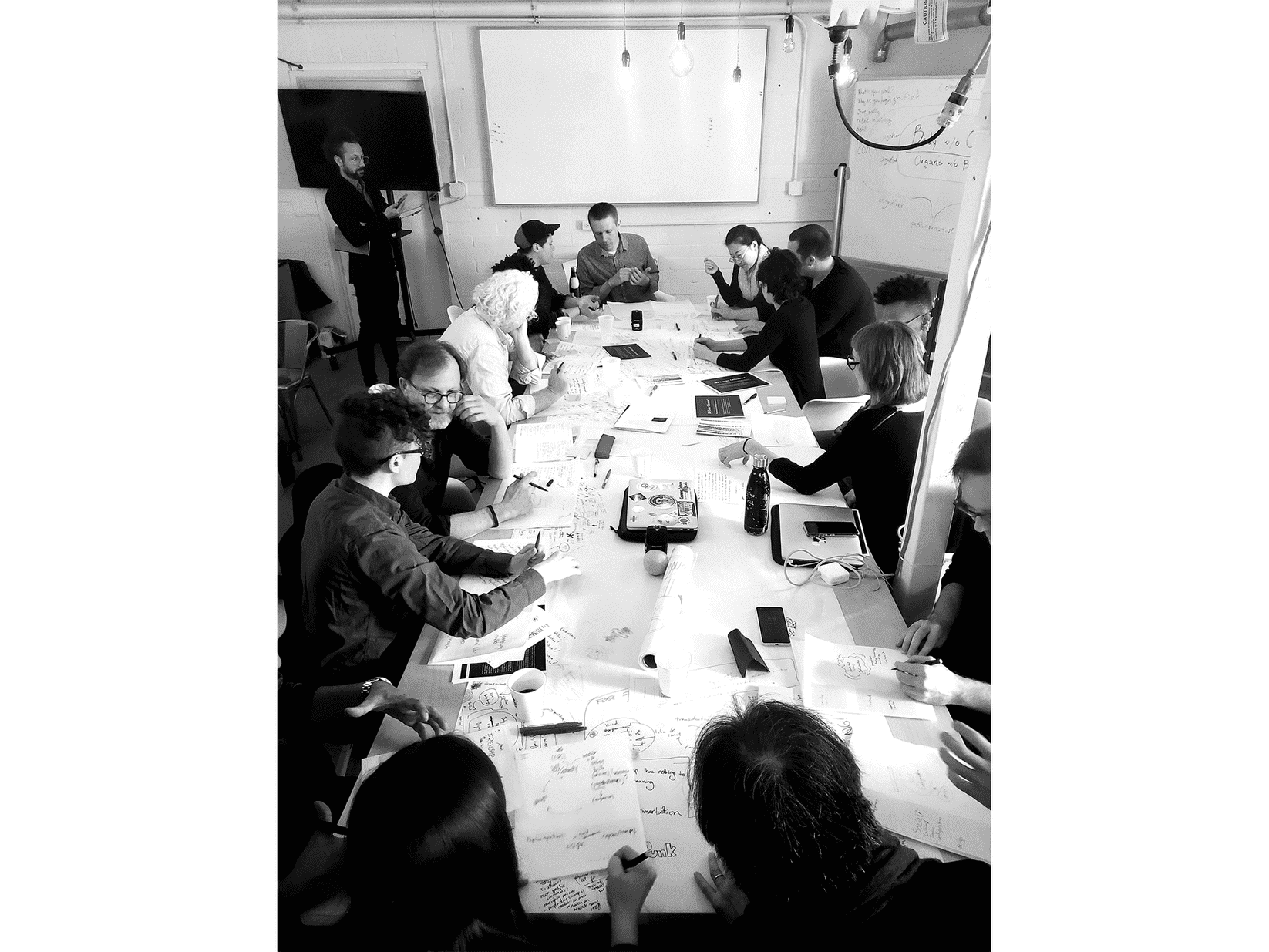
- Adam Nocek and Stacey Moran, Arizona State University, design workshop
- Josh Grant-Young, University of Guelph, "And the Seeds Will be Planted Again..." : Love, Strange Ecological Partnerships and Atomic Posthumanisms in Harvest
- Niklas Wild-Damiris, Stanford University, "Overcoming the Cybernetic worldview while re-envisioning Post-humanism and Sustainability: Insights from Quantum Physics and finance for alternate economies- ecologies”
Overview
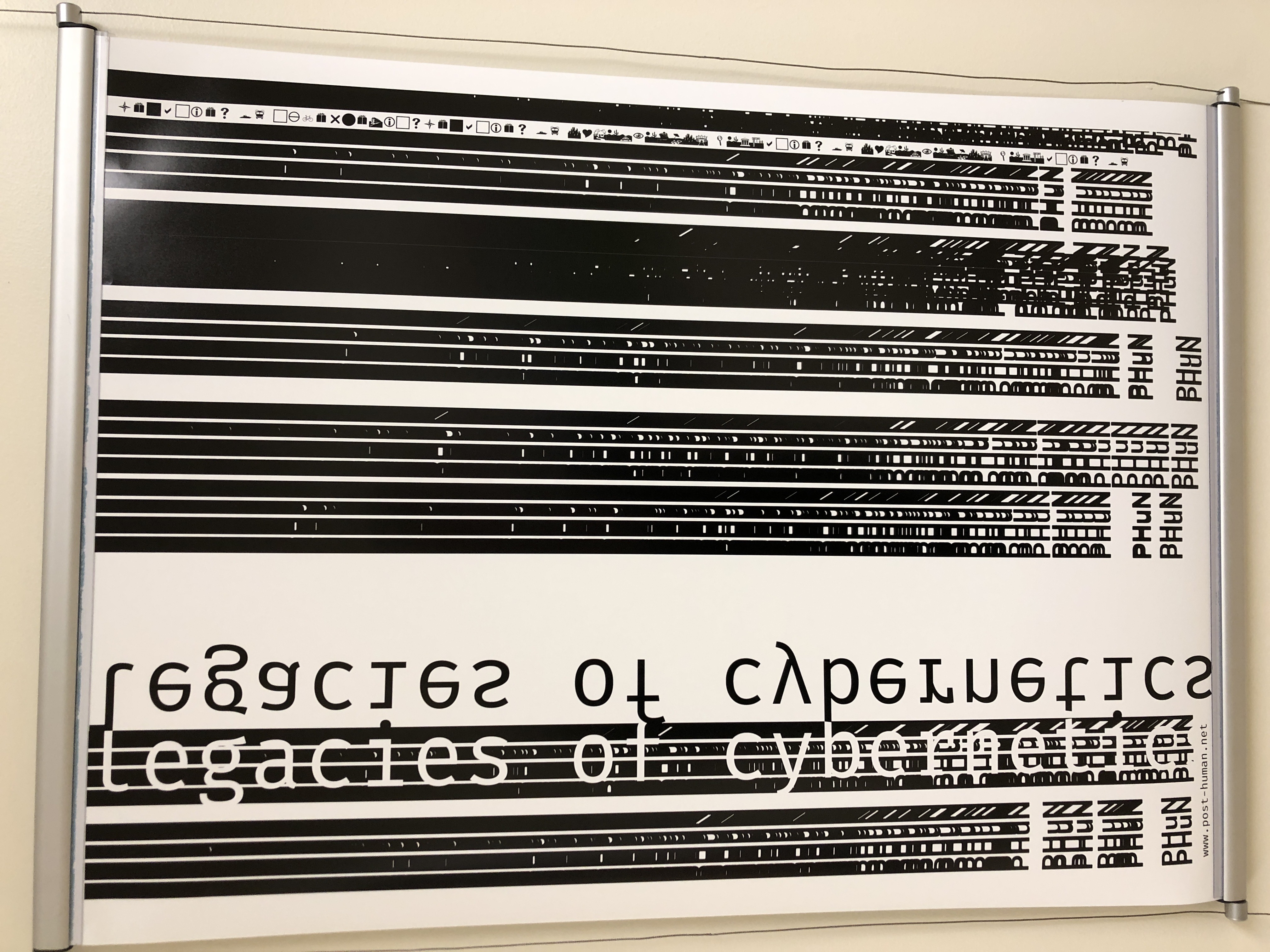
In Der Spiegel’s famous interview with Martin Heidegger, he proclaimed that cybernetics is the new philosophy. Many decades later, Heidegger's pronouncement appears prescient. Our age is one of ubiquitous digital technology, media, and algorithm—one in which social relations are rendered as networks, intelligence and cognition are conceived in terms of information processing, and humanity is believed to be replicable as programmable 'artificially intelligent' machinery. While this new age precipitates utopian declarations of connectivity and democratization, there has also been continuous disquiet as to the social and political effects of the cybernetic orientation toward control.
Cybernetics, however, is not a unitary field. Its concepts, orientations and logics are not exclusive to automation and “intelligent” automata, but surface in other domains, including but not limited to biology, psychology, and linguistics. Thus, cybernetics has a complex legacy spanning a range of disciplines as well as different geographical regions. How do we evaluate the legacy of cybernetics? In what domains do we find cybernetic logics being applied or contested?
Cybernetic questions are also political questions. Originally denoting control of technical systems, the application of cybernetic principles specifically to social theory implies that networks and information are politicized as means of social control—ways to stabilize and steer society. Contemporary deployments of these logics of control are found in behavioral science and strategic design, to name a few. This disquiet, already professed in the later writings of cybernetic forefather Norbert Wiener, appears more recently in relation to notions such as Michel Foucault's biopower, Gilles Deleuze's societies of control, and N. Katherine Hayles' antihuman posthumanism.
How do we respond to the present ‘posthuman’ condition of cybernetic thought and system-building? Fearing the dystopian potential of a machinic future, Hayles calls on the next generation of scholars, activists, and artists to “contest for what the posthuman means.” Some have answered this call by offering alternative visions of the posthuman that value both human and non-human futurity. Others embrace control society’s cybernetic tendencies so as to germinate the accelerated decay of late capitalism. Is cybernetic control of humanity being achieved? Are machines, networks, and information necessarily enemies in fights for just, equitable, and sustainable futures? Can we envision or enact new intelligences, new networks, or new (post)humanities?
Sponsors
Center for Philosophical Technologies // Graduate and Professional Student Association // Department of English // School for the Future of Innovation in Society // School of International Letters and Cultures // School of Geographical Sciences and Urban Planning // Institute for Humanities Research // Synthesis Center